What if Voyager discovered organic molecules 7 billion miles away?

What if The Voyager detected organic molecules 7 billion miles away, showing life’s building blocks can exist far in space. Discovery helps scientists understand how common life’s ingredients might be. Know more about Voyager’s mission and findings below.
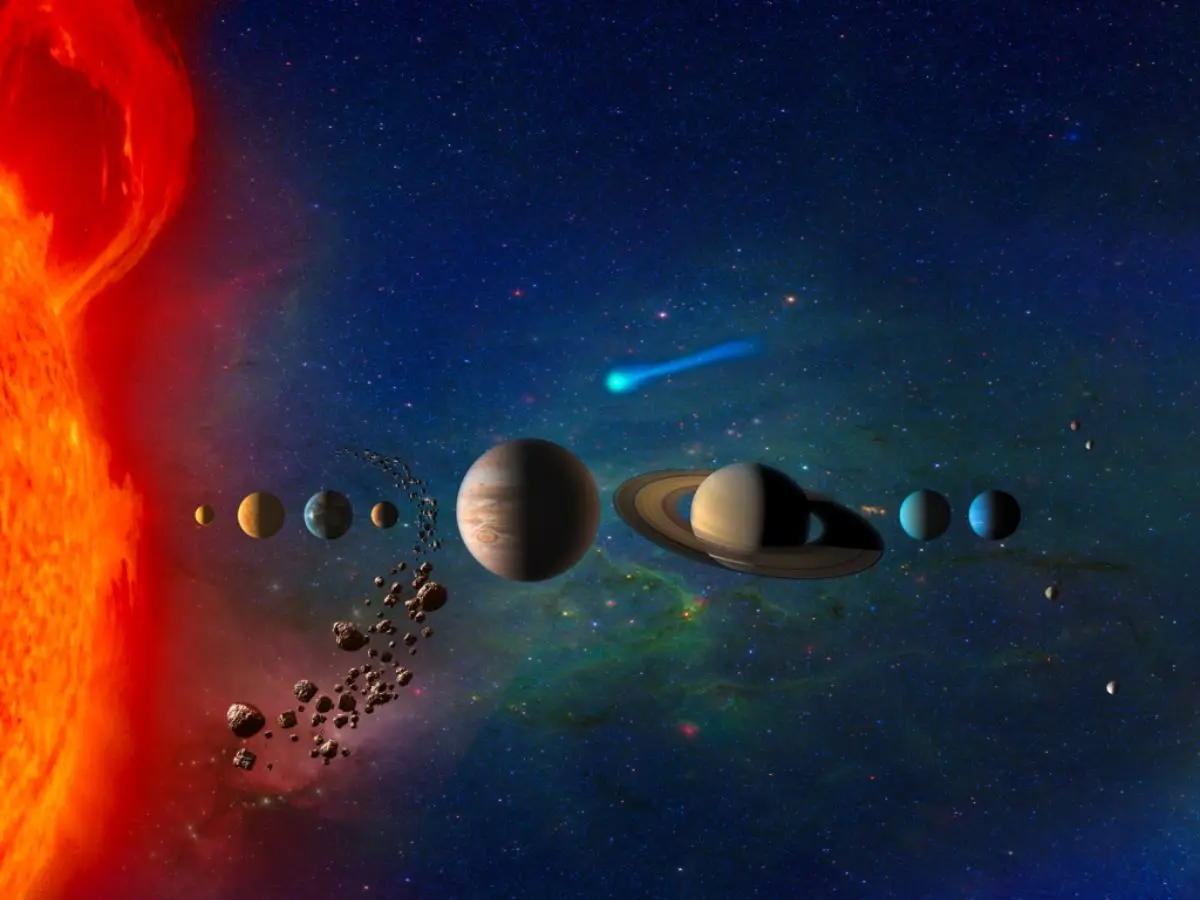
Voyager launch
Voyager has travelled more than 7 billion miles from Earth since its 1977 launch. It continues to send data about the far reaches of space beyond the planets in our solar system.
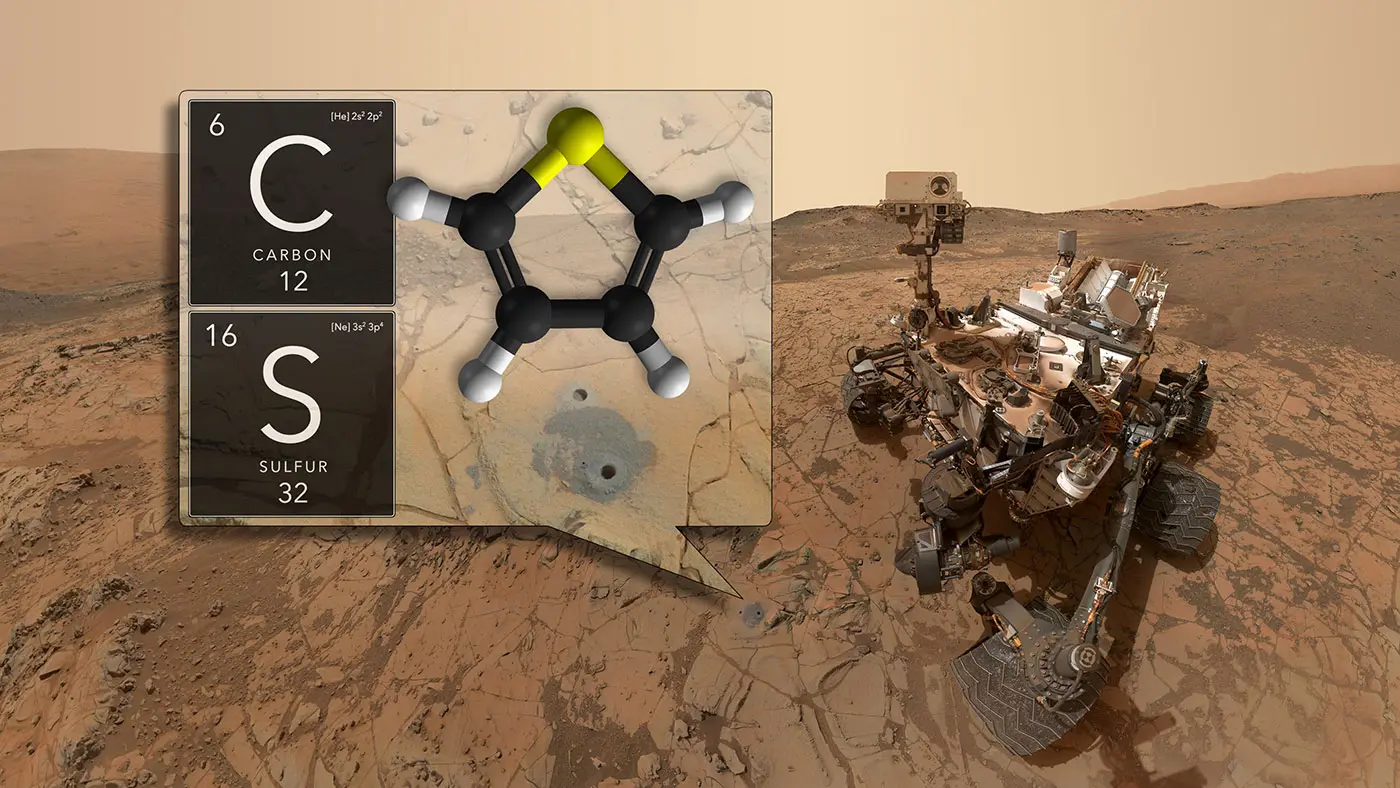
Organic molecules are carbon-based compounds
Organic molecules are carbon-based compounds. They form the basics of life on Earth and their presence in space suggests that the ingredients for life might be common in the universe.

Cosmic dust
Voyager carries instruments that detect chemicals through analysing light and cosmic dust. These tools can identify complex molecules floating far from our solar system.

Earth and the Sun
Seven billion miles equals about 75 times the distance between Earth and the Sun. Finding organic molecules this far shows that life’s building blocks exist in regions once thought lifeless.
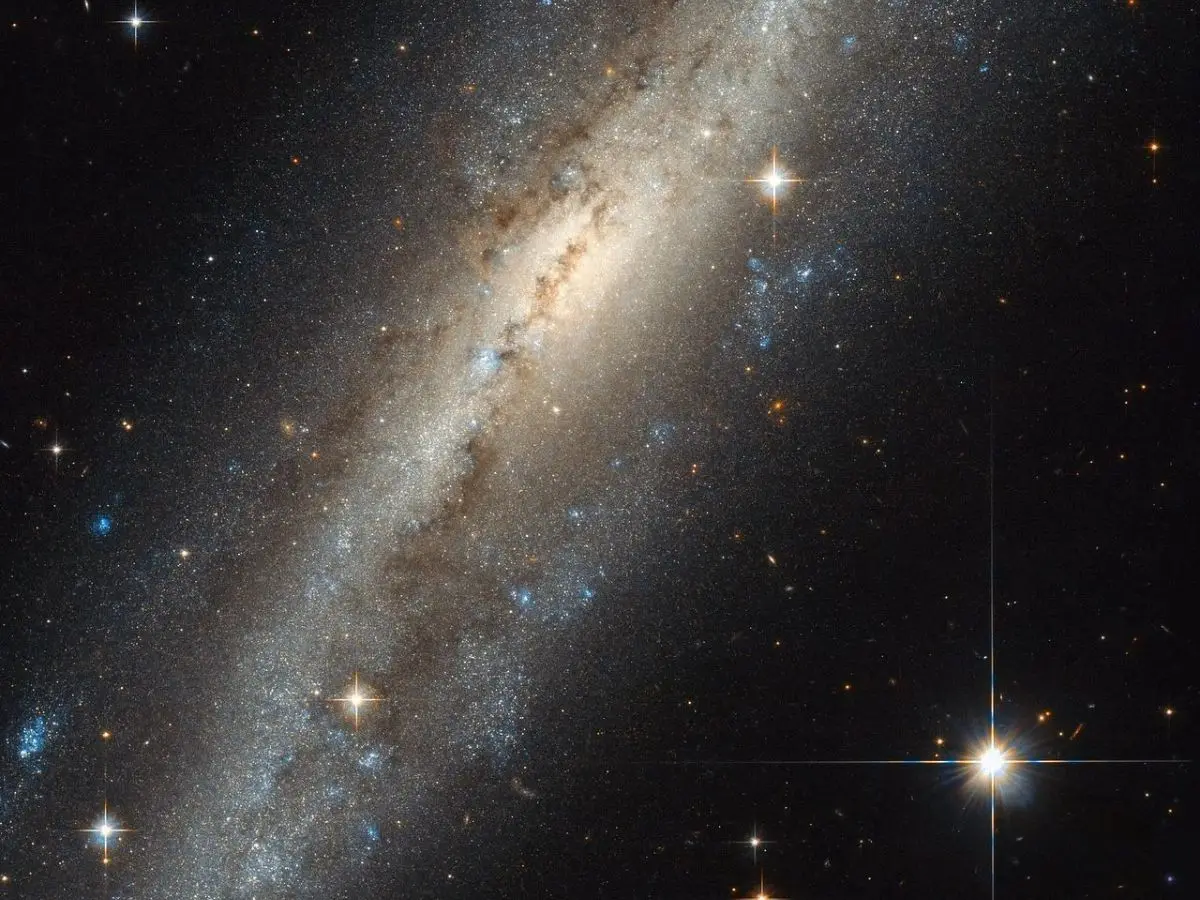
Organic molecules
This discovery supports theories that organic molecules can form in many cosmic places. It means the universe may hold the materials needed for life in many locations, beyond just Earth.

Life in space
Voyager’s long mission and sensitive instruments make it possible to find such molecules. These findings help shape how scientists plan missions searching for life in space.
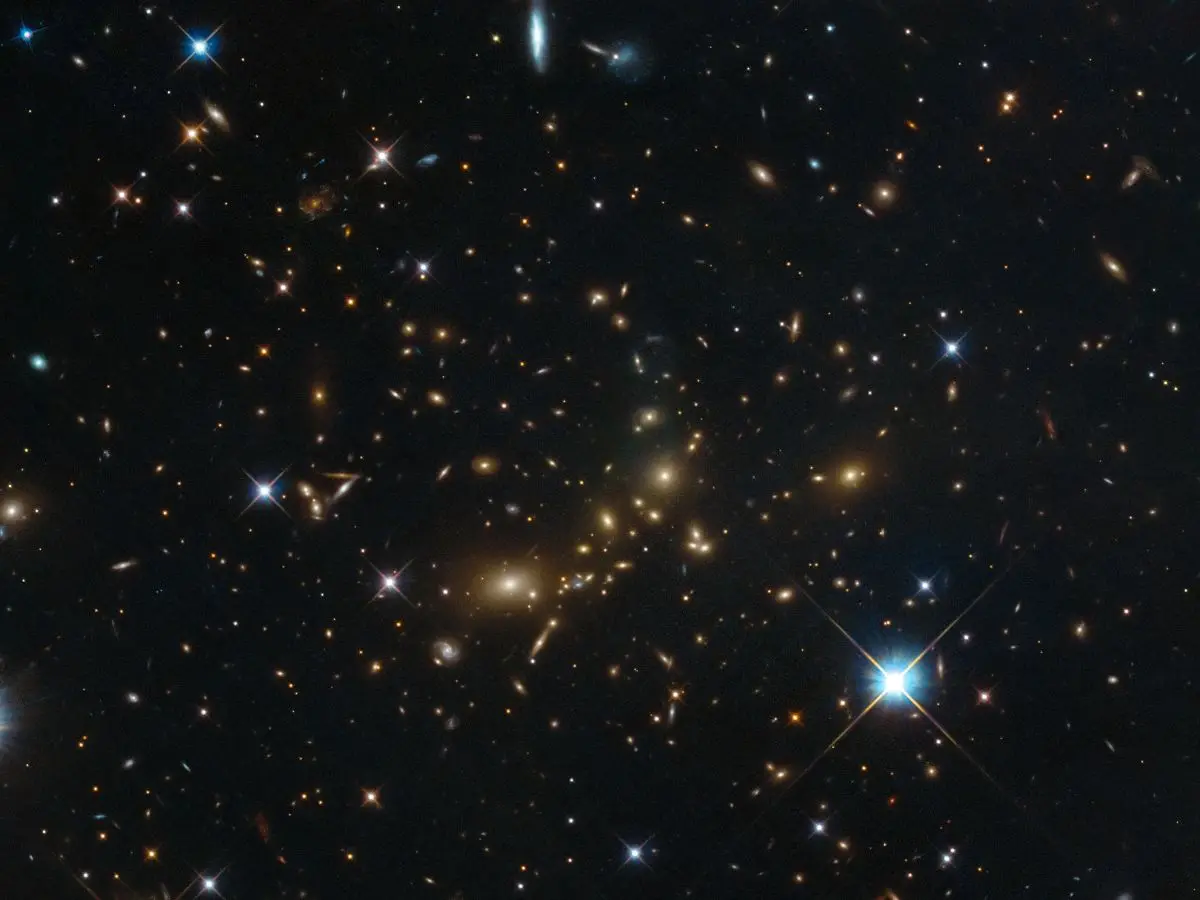
Voyager’s journey
Discovering organics 7 billion miles away is a hopeful sign for understanding life beyond Earth. Voyager’s journey reminds us how much remains to be discovered in the vast universe.
)
)
)
)
)