What if the B-2 bomber tried to land on an aircraft carrier?

The B-2 bomber is far too big and heavy to land on an aircraft carrier. Its huge wingspan and weight make it almost impossible for safe landing an aircraft carrier. Know more in detail below
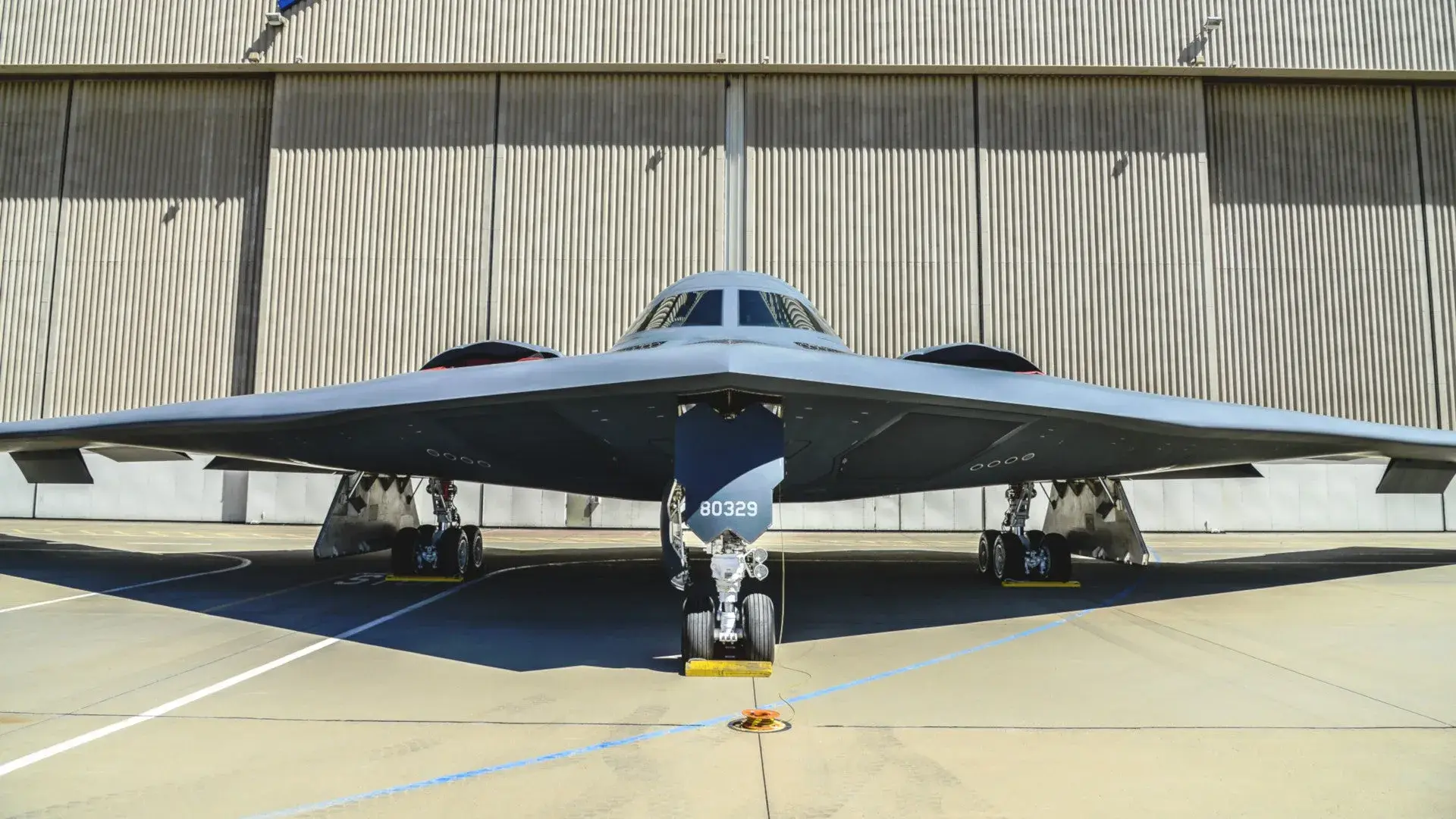
How big is the B-2 bomber?
The B-2 spirit has a wingspan of 52.4 metres and is 21 metres long. Its empty weight is about 72,575 kilogrammes, making it one of the largest and heaviest bombers flown by the United States Air Force.
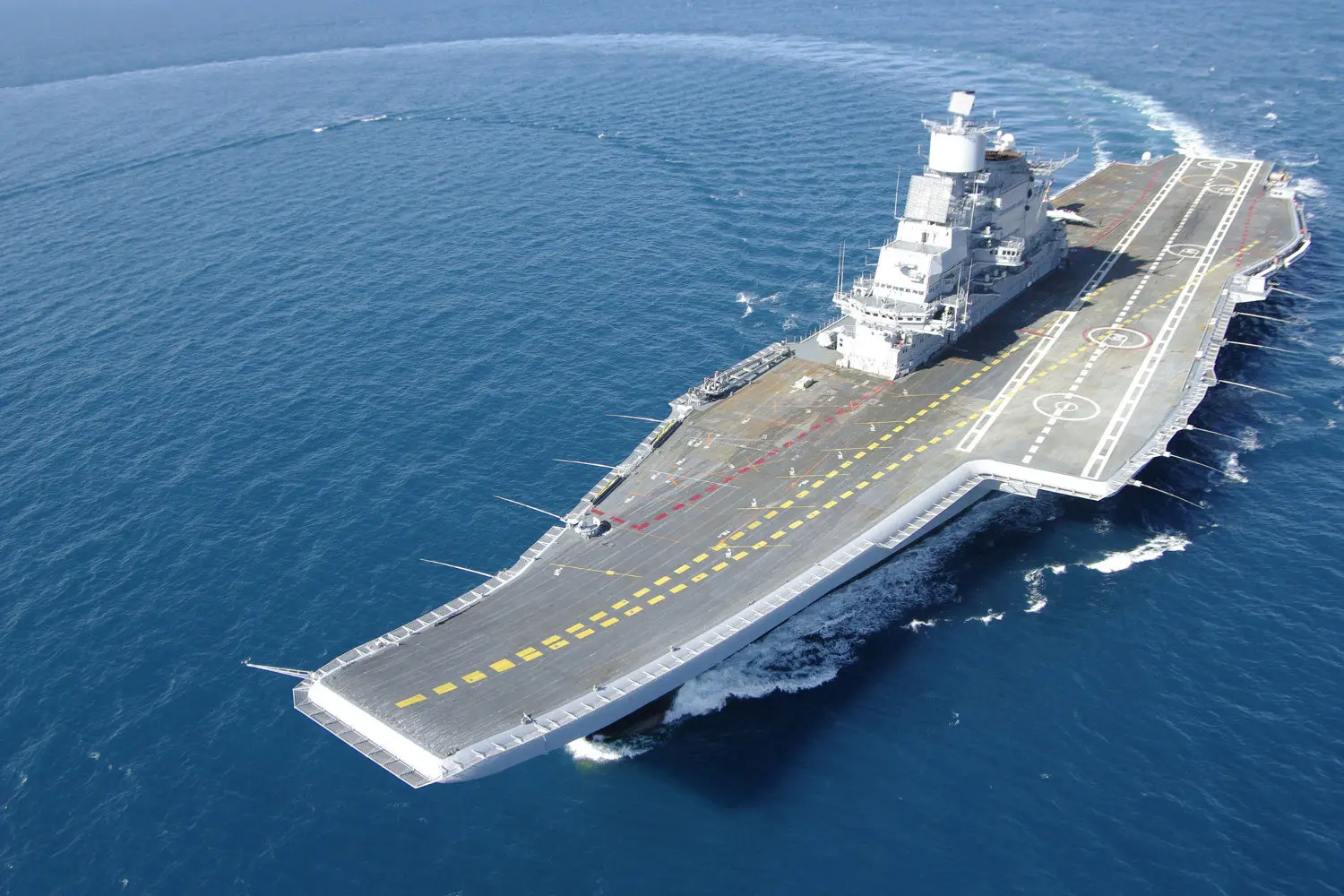
About aircraft carriers?
Modern US aircraft carriers, like the Nimitz class, have a flight deck that is about 332 metres long and 76.8 metres wide. These massive ships support fighter jets and special naval planes but as of now, they can’t support B-2 bombers.
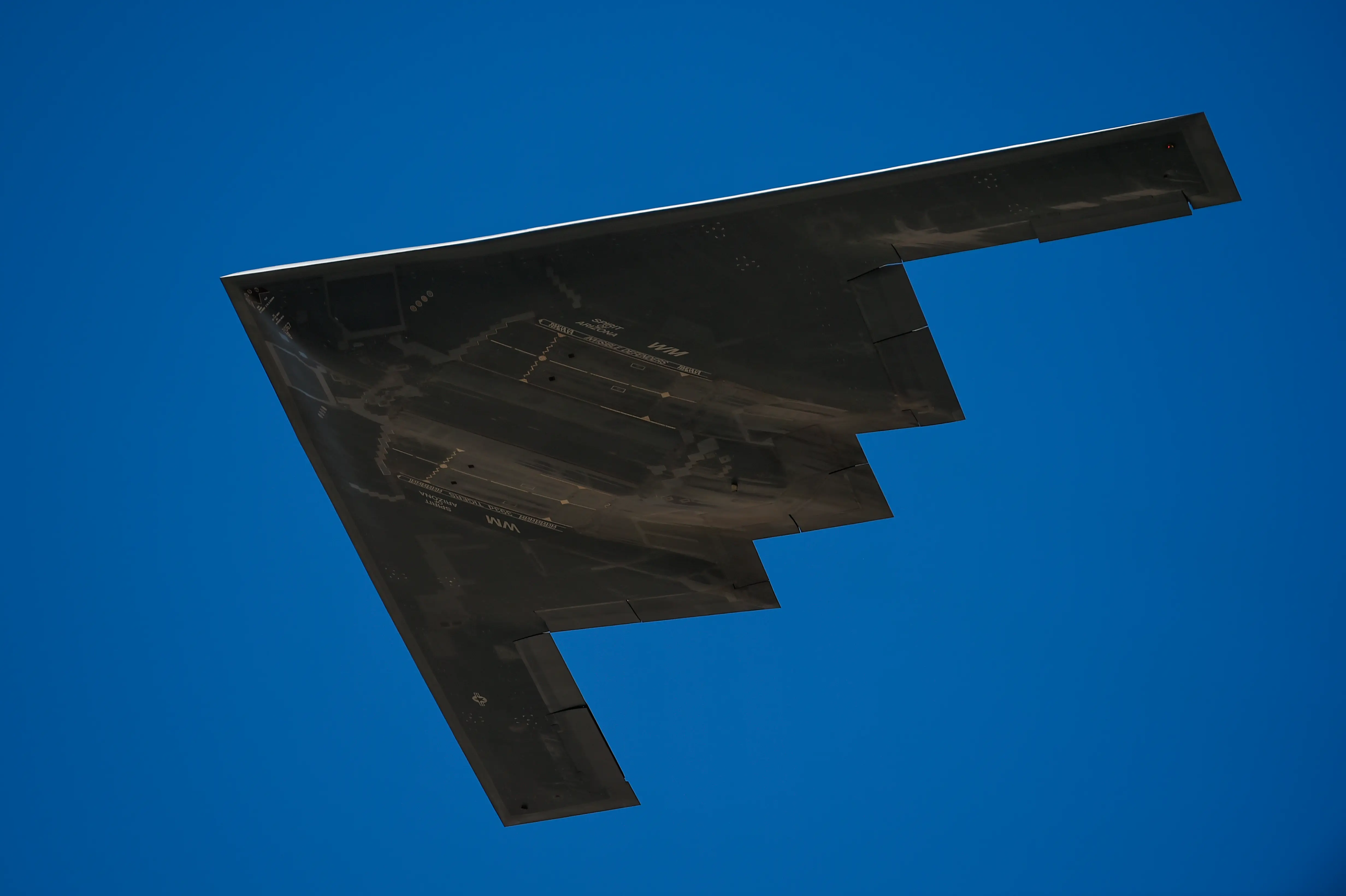
Can the B-2 fit on the deck?
While the carrier’s length is much more than the B-2’s, the bomber’s wide wingspan is a problem.
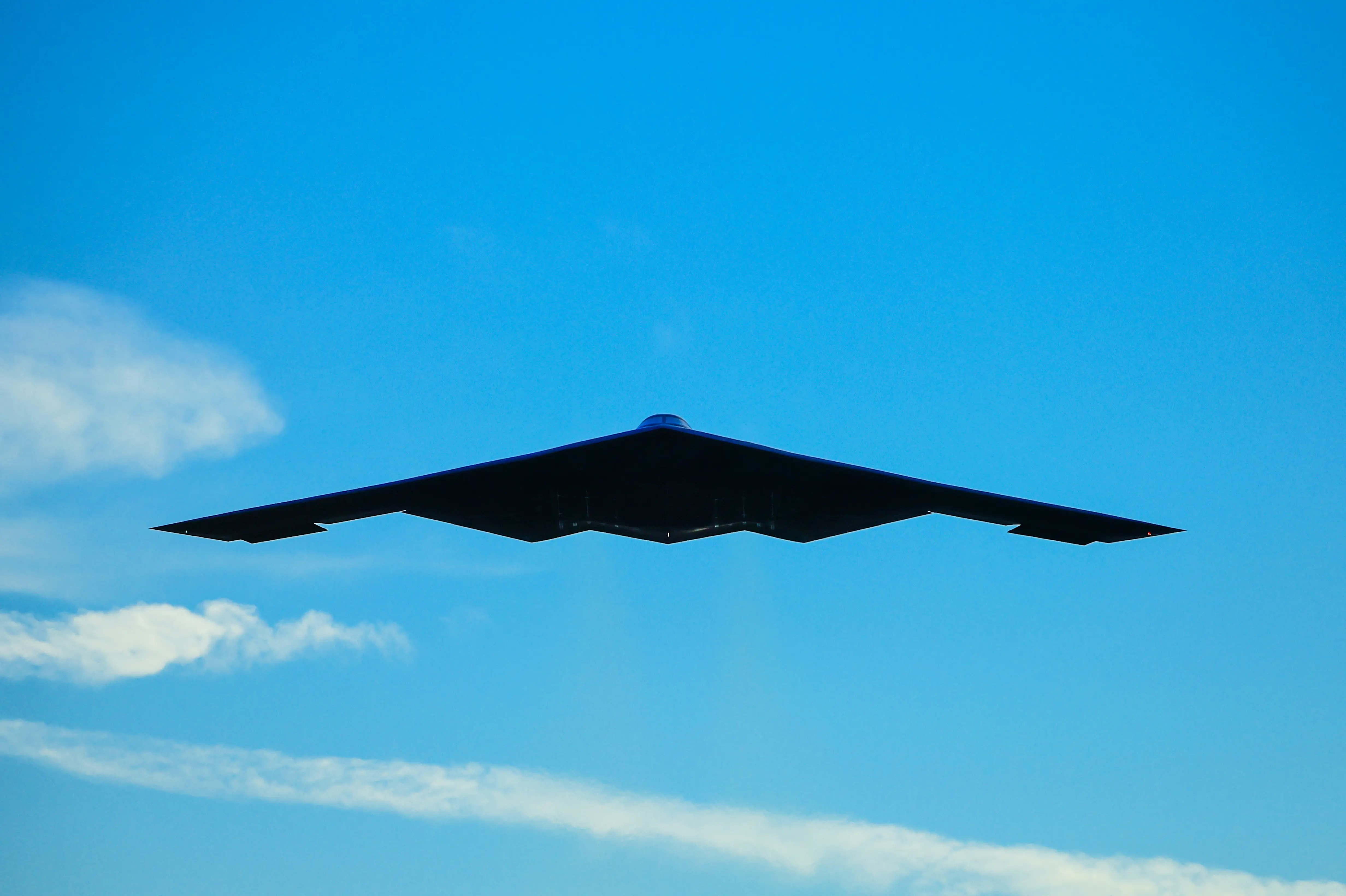
Is landing gear built for carriers?
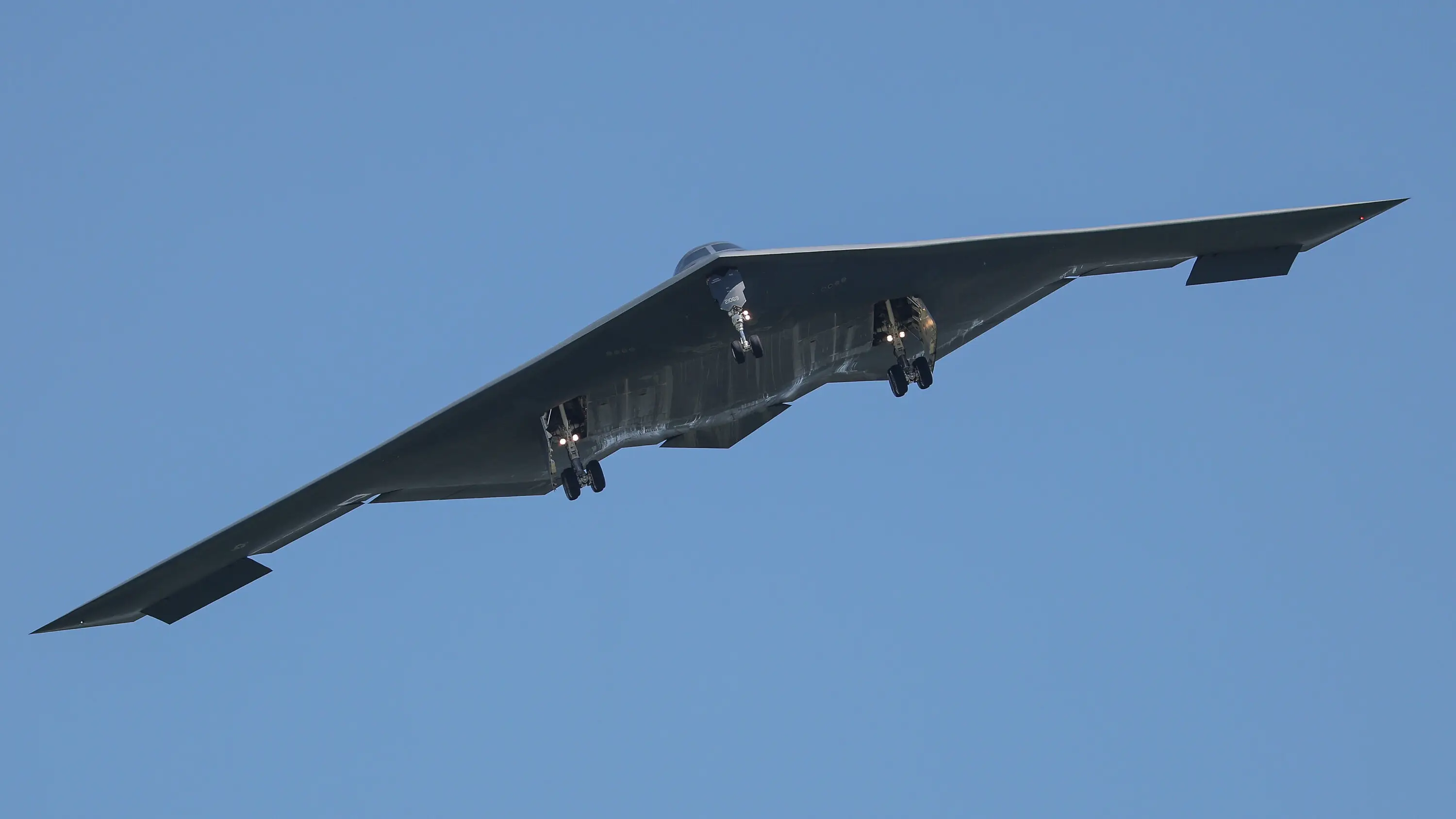
The B-2 is made for special air force runways, not carrier decks. It does not have tail hooks or landing gear designed to handle hard, short landings or catapult launches needed for Navy carriers.
Weight and landing speed issues
Most carrier planes are lighter and have stronger landing gear for sudden stops. The B-2, with a takeoff weight up to 170 tonnes and a high landing speed, would risk breaking decks or sliding off the ship.
Design and safety factors
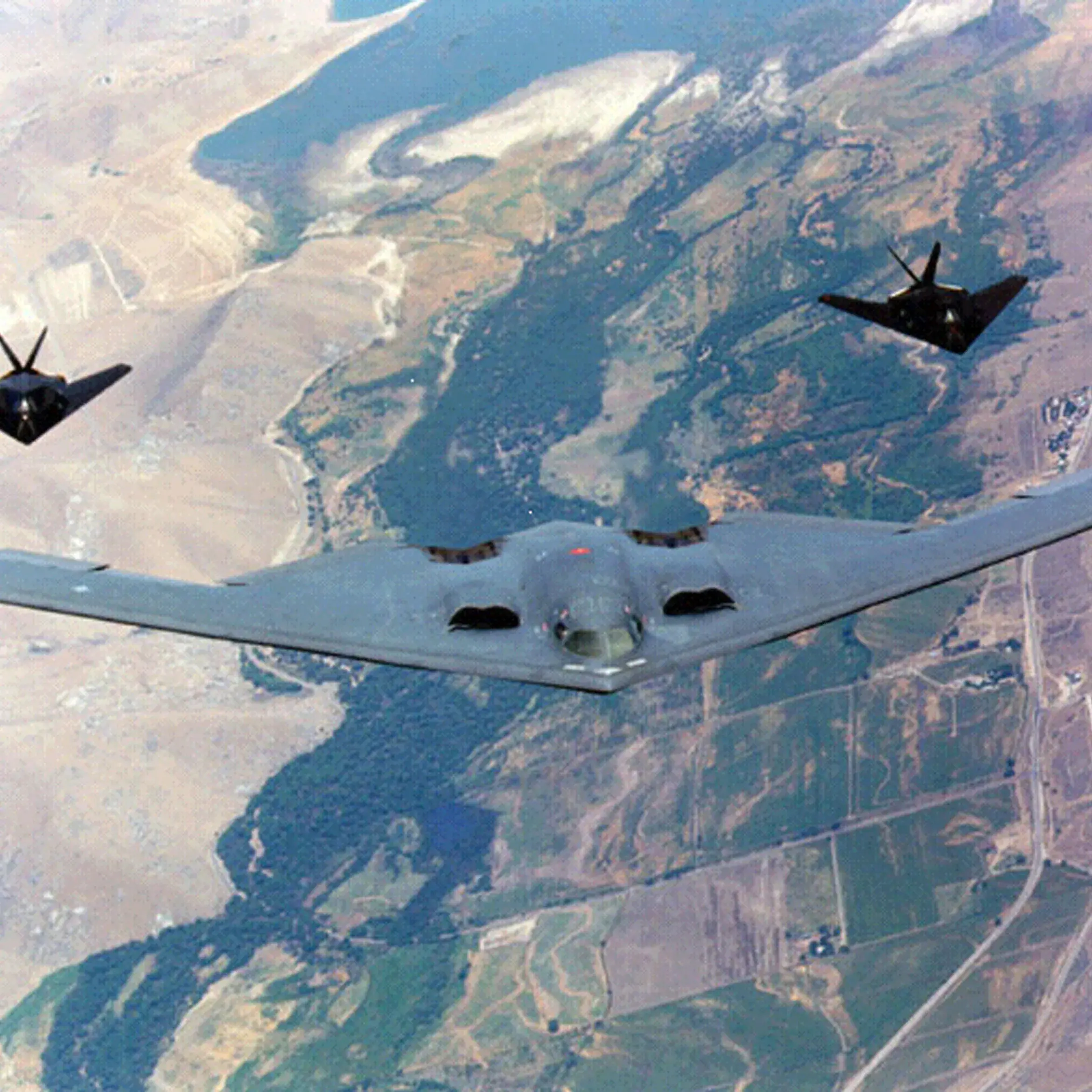
The flying wing shape of the B-2 means less stability at slow speeds, which is needed for carrier landings. Without a tail, special hooks, or robust gear, a B-2 could not safely land or be launched at sea.
)
)
)
)