What if the B-1B Lancer went head-to-head with China’s J-20 stealth fighter jet?

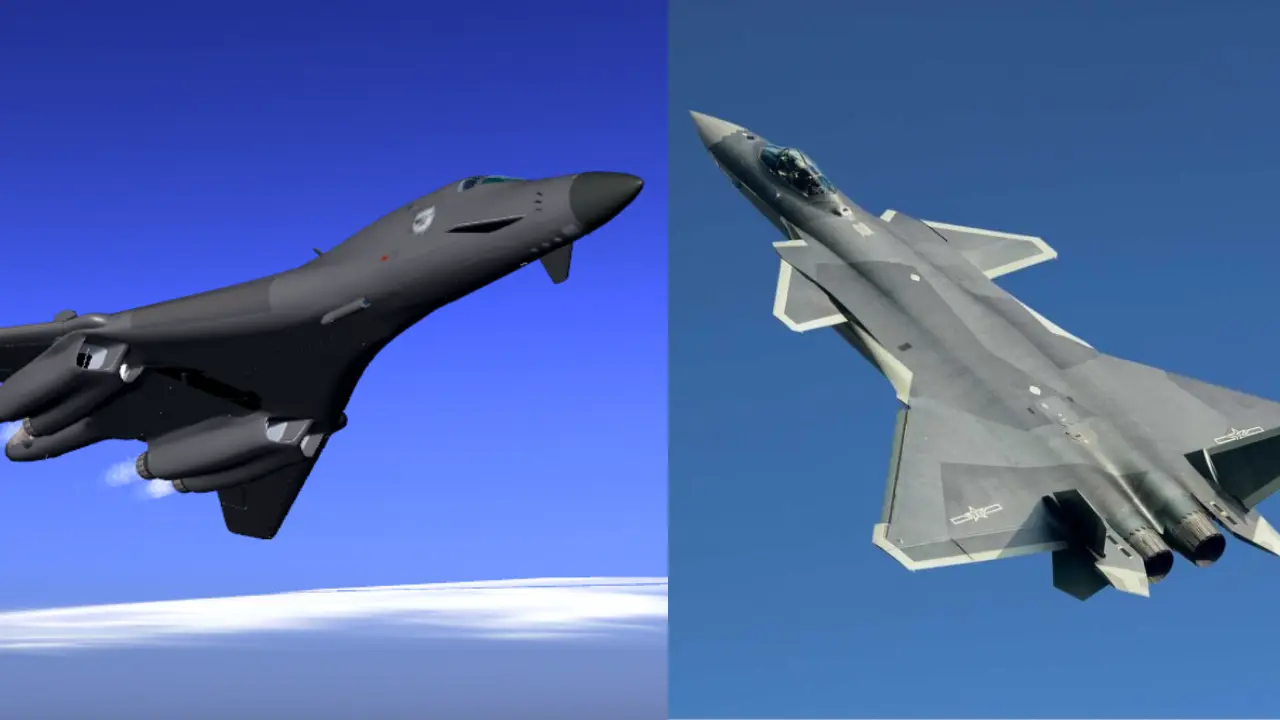
What if there were a battle between the U.S. B-1B Lancer bomber and China’s J-20 stealth fighter? The J-20 is fast, stealthy, and agile, while the B-1B can carry a huge payload over long distances.
Different Missions, Different Strengths
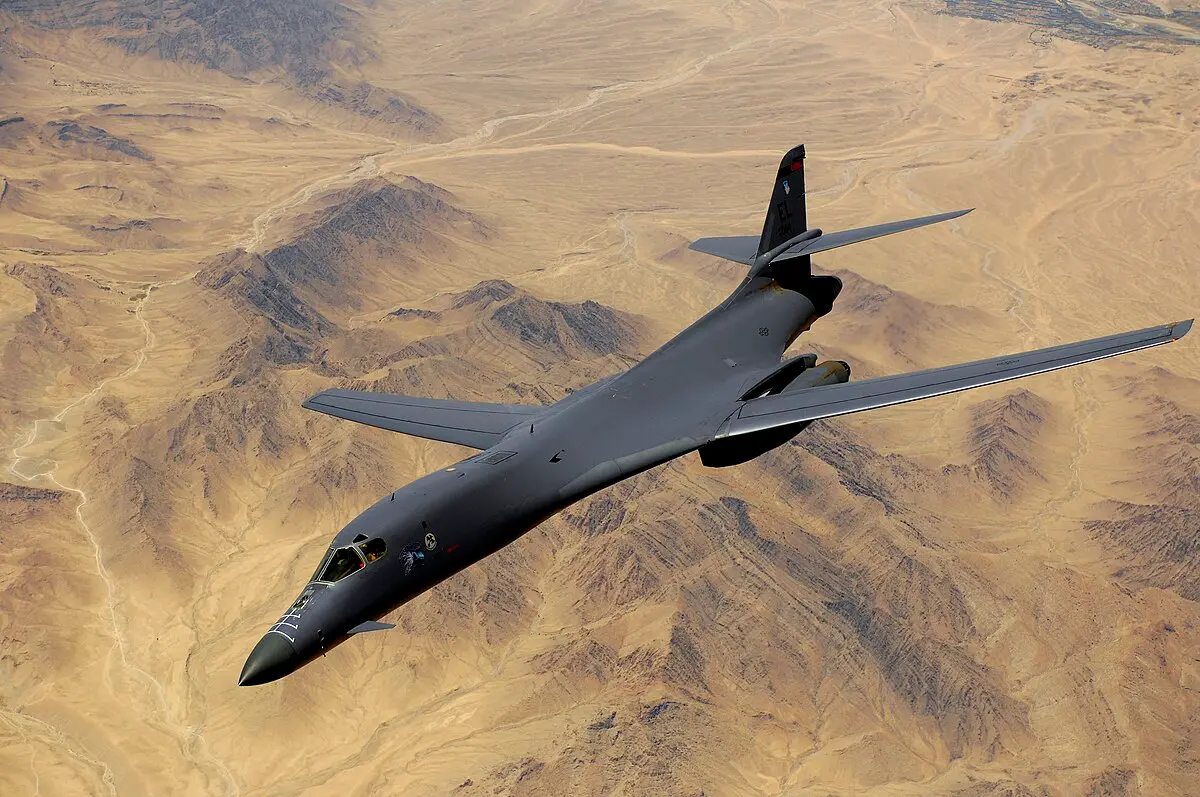
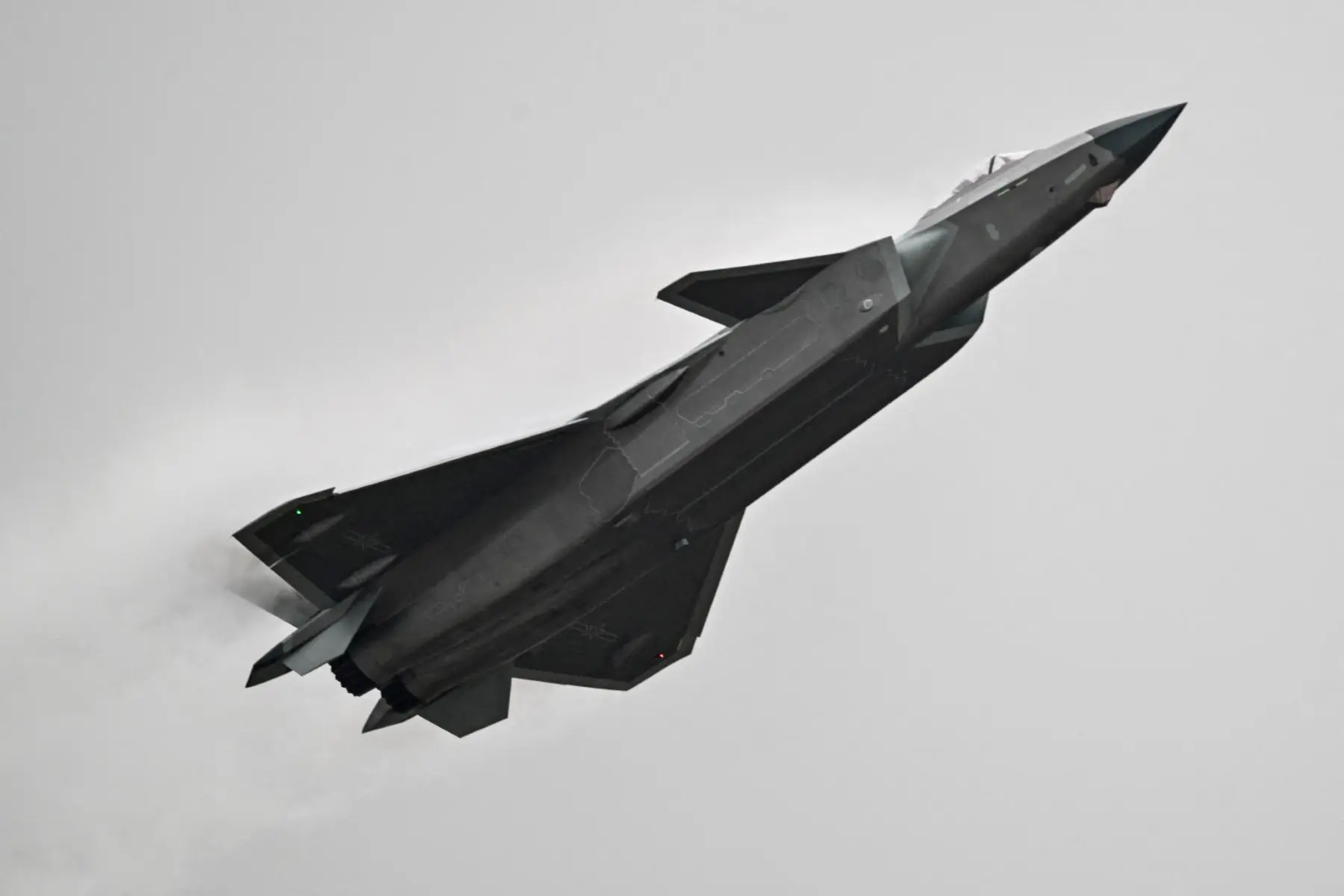
The B-1B Lancer is a long-range supersonic bomber with massive payload capacity and precision strike ability. It flies deep into hostile airspace to destroy strategic targets. The J-20 “Mighty Dragon” is a fifth-generation stealth fighter designed for air superiority by engaging enemy fighters and high-value airborne assets with advanced sensors and missiles.
Speed and Agility - J-20’s Aerodynamic Edge
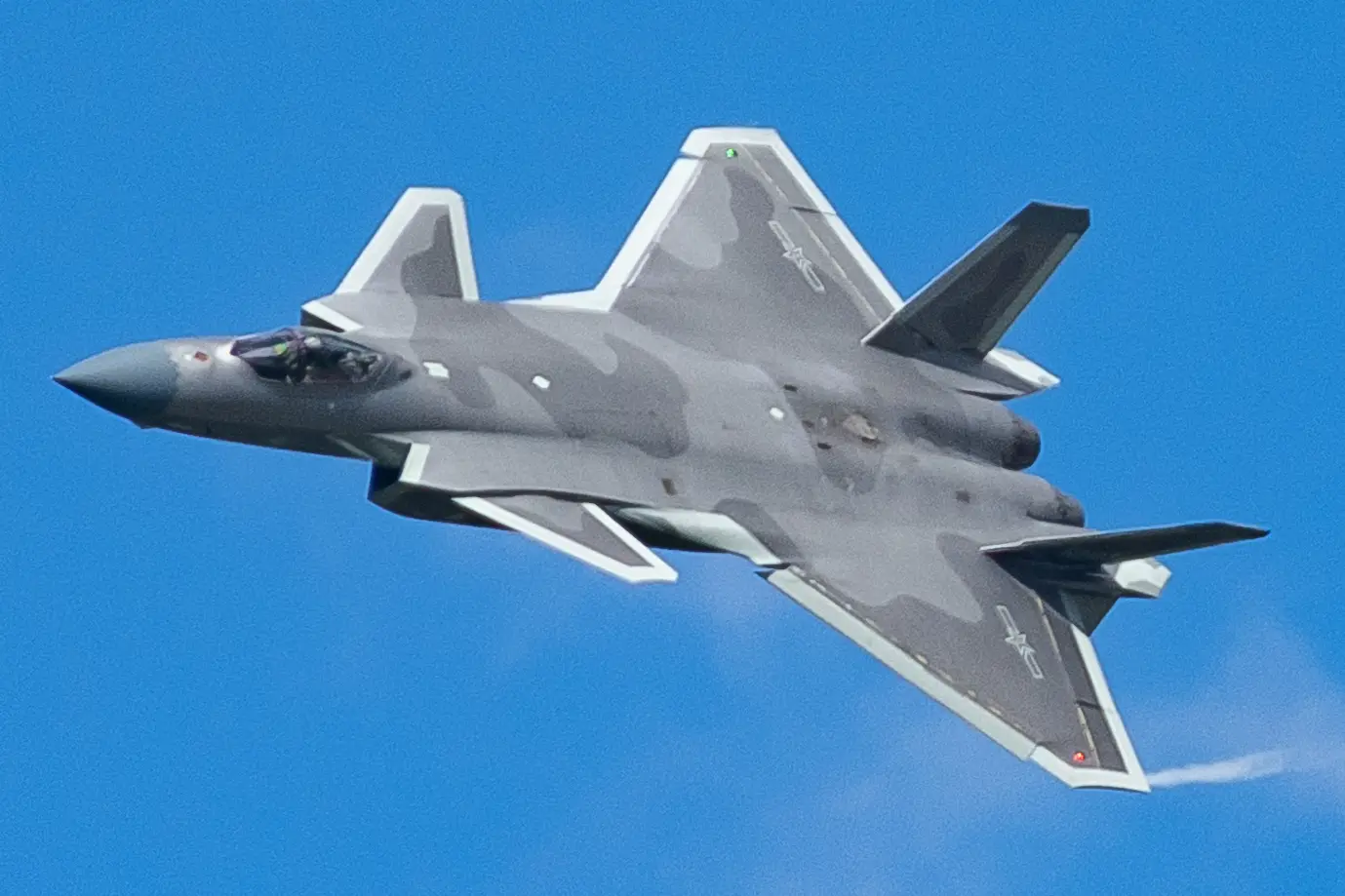
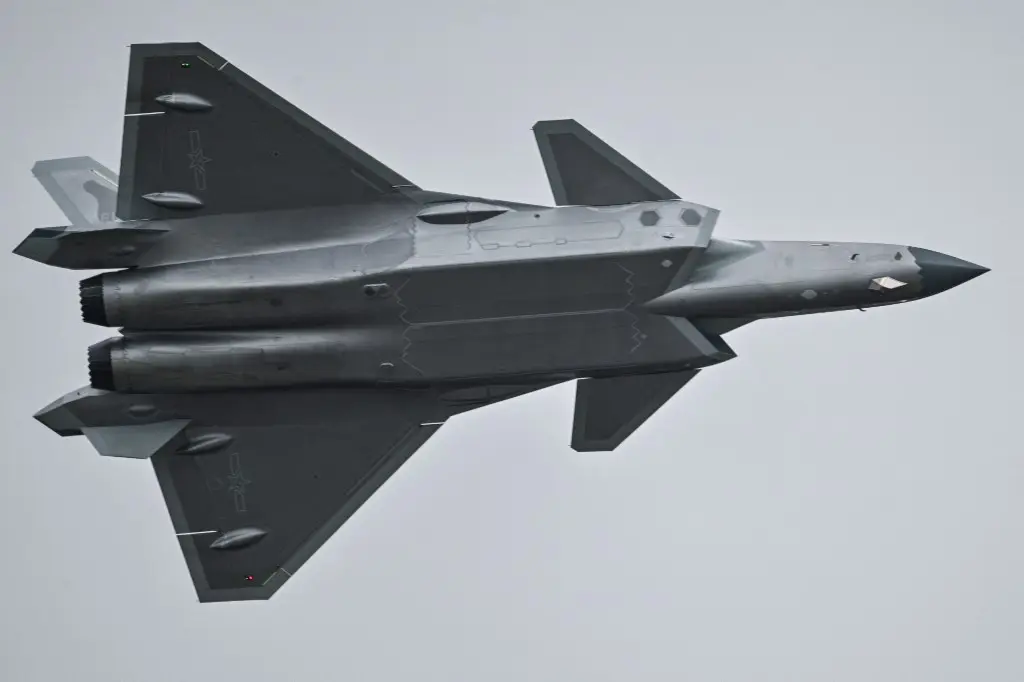
The J-20 is highly manoeuvrable, built with stealth shaping, canards, and thrust vectoring to achieve speeds over Mach 2. The B-1B reaches Mach 1.25 but lacks the agility to compete head-to-head with fighters. In a dogfight, the J-20 would outperform the Lancer by quickly positioning, evading attacks, and striking with precision.
Payload and Range - B-1B’s Massive Strike Power
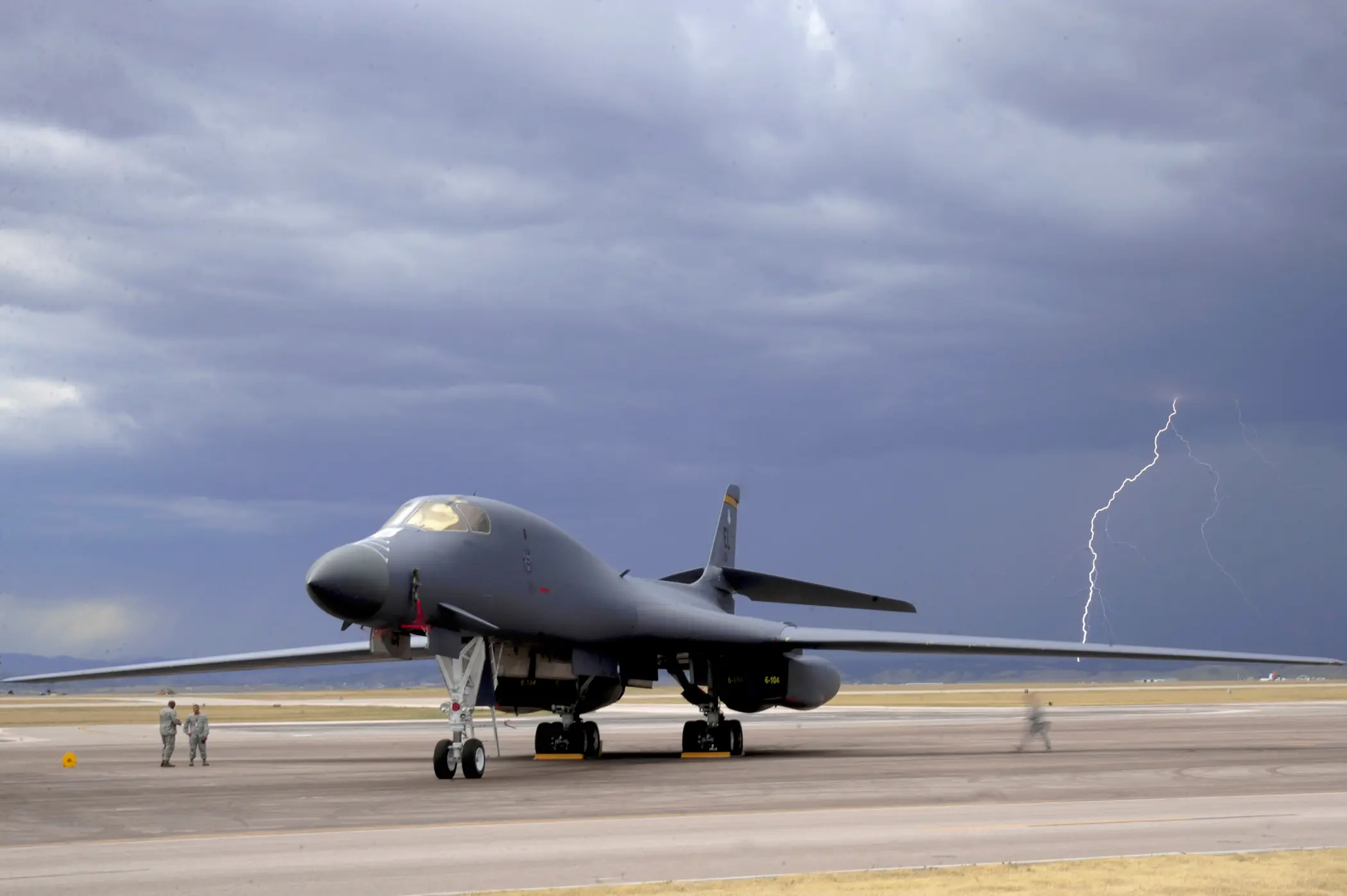
The B-1B can carry up to 75,000 pounds of bombs and missiles, including long-range cruise missiles. Its operational range exceeds 9,400 km, allowing it to strike distant targets without refuelling. The J-20, designed for agility and short-to-medium range combat, carries fewer and lighter weapons designed for air-to-air kills.
Stealth and Detection - J-20’s Sensor Suite Advantage
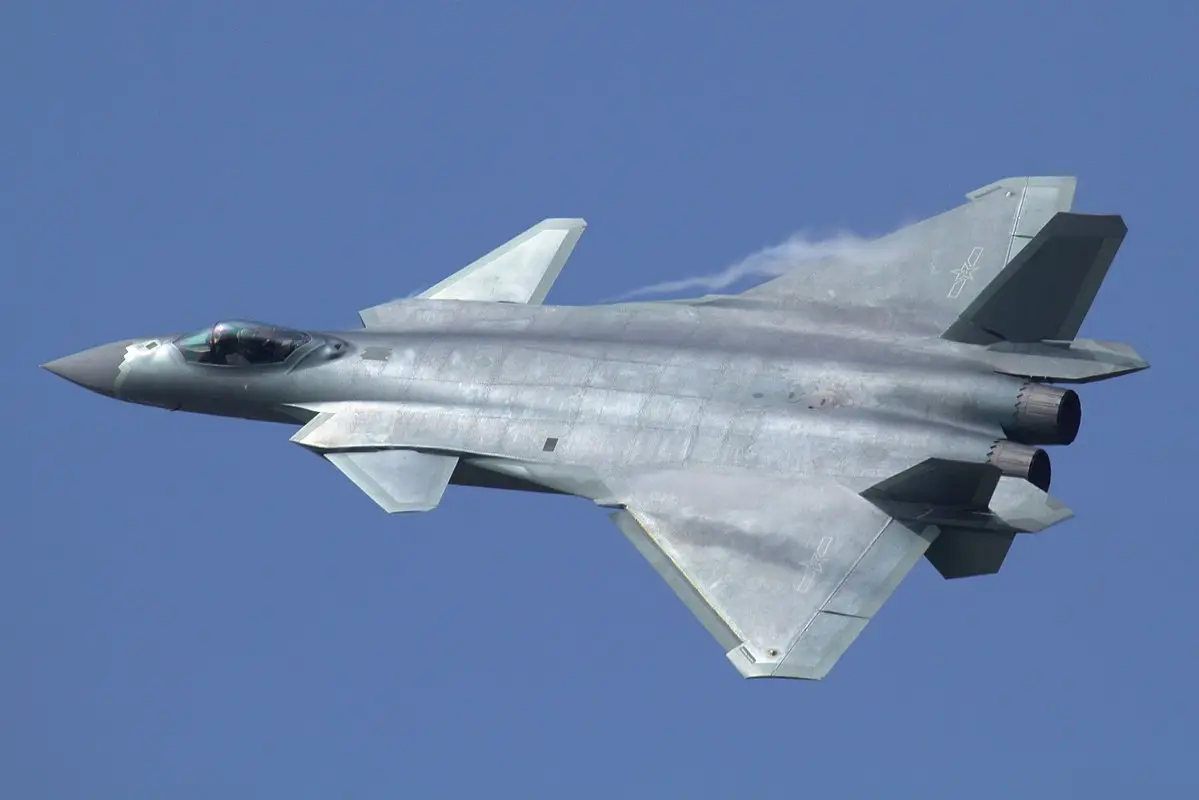
The B-1B includes some radar reduction features but is not truly stealthy compared to the J-20. China’s fighter uses radar-absorbent coatings, serpentine air intakes, and internal weapons bays to minimise its radar signature. Equipped with a long-range Type 1475 AESA radar, the J-20 can detect and engage threats well beyond visual range.
Air Combat Roles
The B-1B is primarily a strike aircraft focusing on ground targets, optimised for low-level, high-speed penetration. It does not engage in air combat. The J-20’s main role is air superiority and intercepting enemy bombers and fighters. In a defensive scenario, J-20s would likely intercept and seek to neutralise B-1Bs before they reach their targets.
Electronic Warfare and Sensor Networks
Both aircraft integrate electronic warfare systems to jam or confuse enemy radars. The B-1B’s large size offers space for powerful jamming pods and decoys, enhancing survivability. The J-20’s sensor fusion network allows it to work with other aircraft to track multiple targets and coordinate attacks, giving it a battlefield communication edge.
Outcome
In direct confrontation, the J-20 fighter holds the advantage in speed, stealth, and air-to-air combat. The B-1B’s strength is in long-range strike and payload, ideally protected by friendly fighters or stealth aircraft. The effectiveness of the Lancer depends on mission composition, threat environment, and electronic support, making them complementary rather than direct adversaries.
)

)
)
)