What if the B-1B Lancer goes head-to-head in a battle with the F-22 Raptor?

The B-1B Lancer and the F-22 Raptor serve very different combat roles. Imagine if they were to face each other: the F-22 Raptor’s agility and stealth make it dominant in air-to-air combat, while the B-1B Lancer’s range and payload provide unmatched strike power.
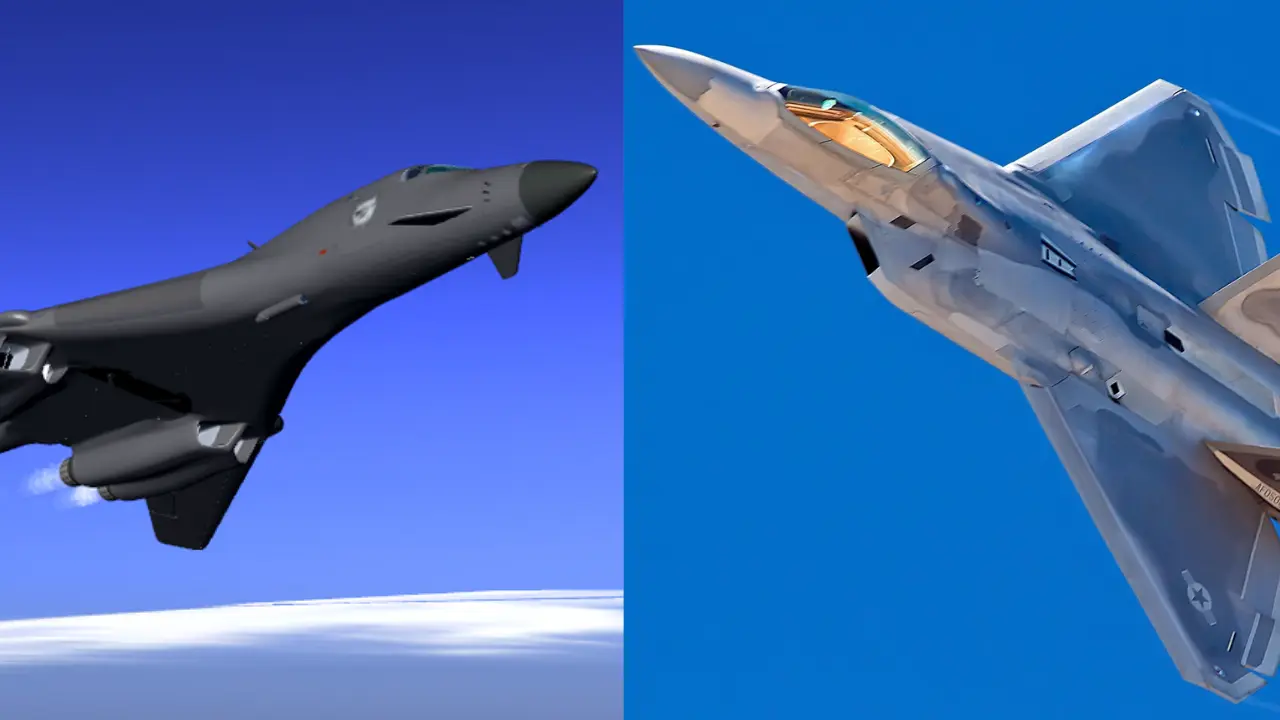
Both have Different Roles
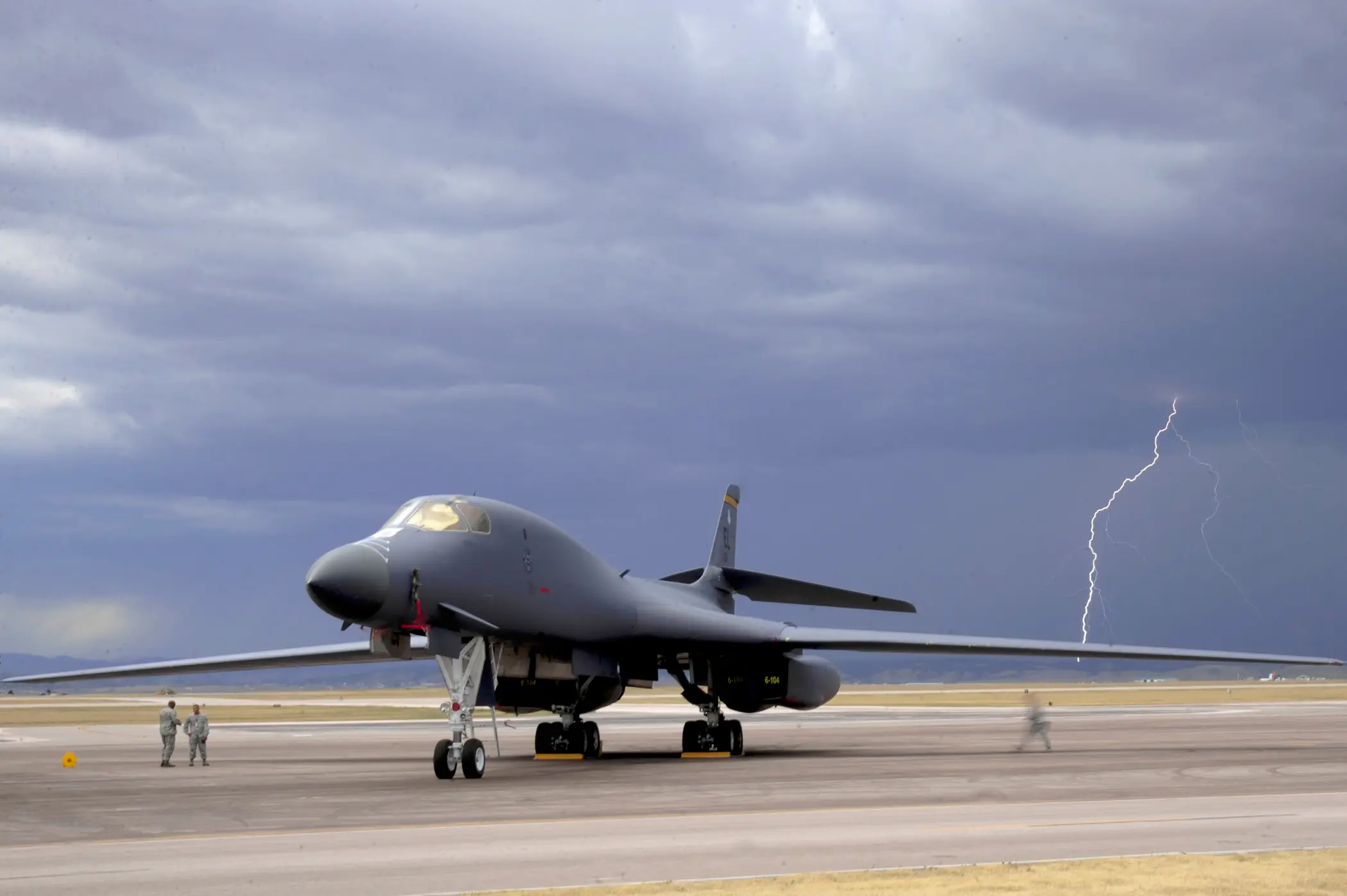
The B-1B Lancer is a long-range, supersonic heavy bomber designed for deep strike missions and massive payloads. The F-22 Raptor, on the other hand, is a stealth air-superiority fighter built for dominance in aerial combat. While one relies on endurance and payload capacity, the other depends on speed, stealth, and precision.
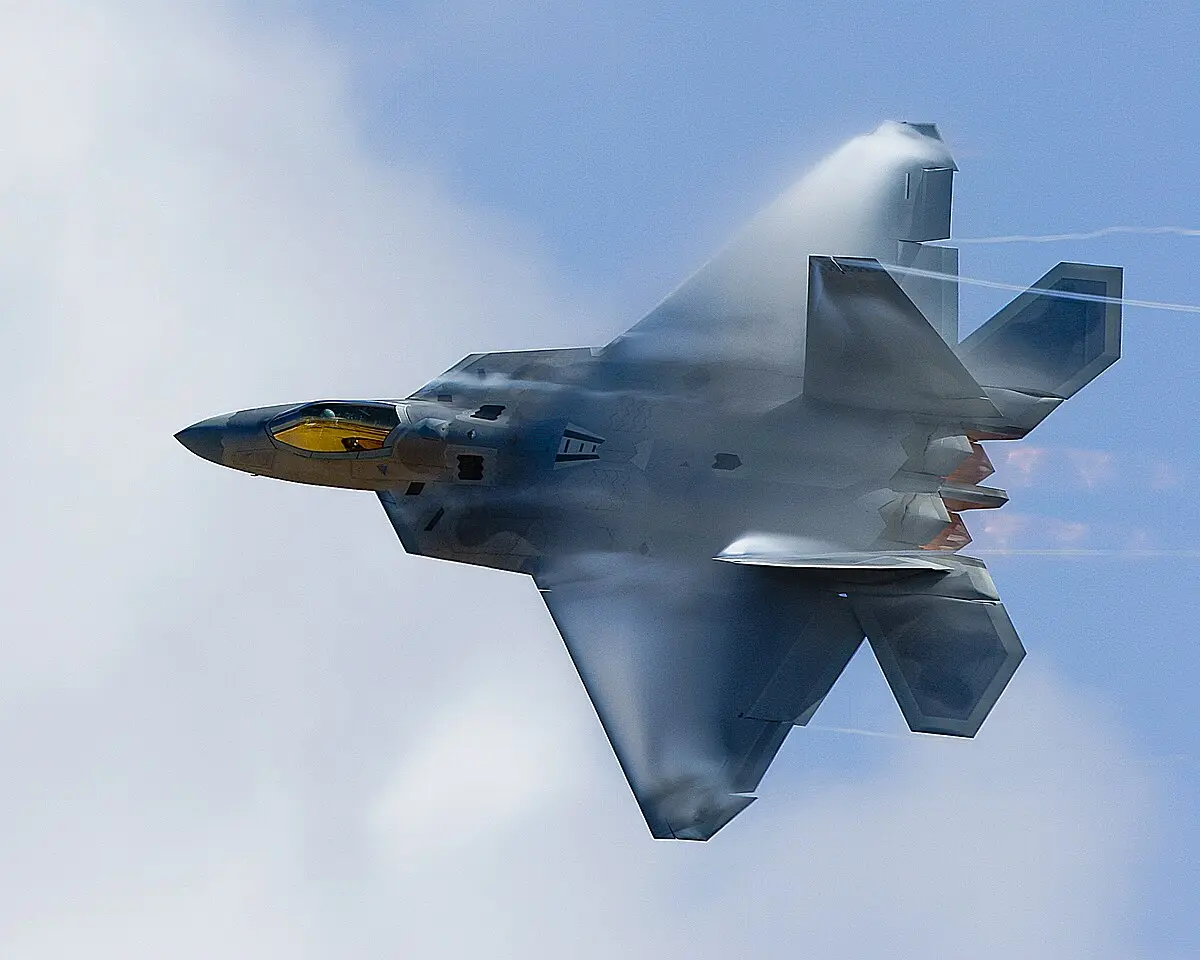
Speed and Agility - Fighter Wins the Skies
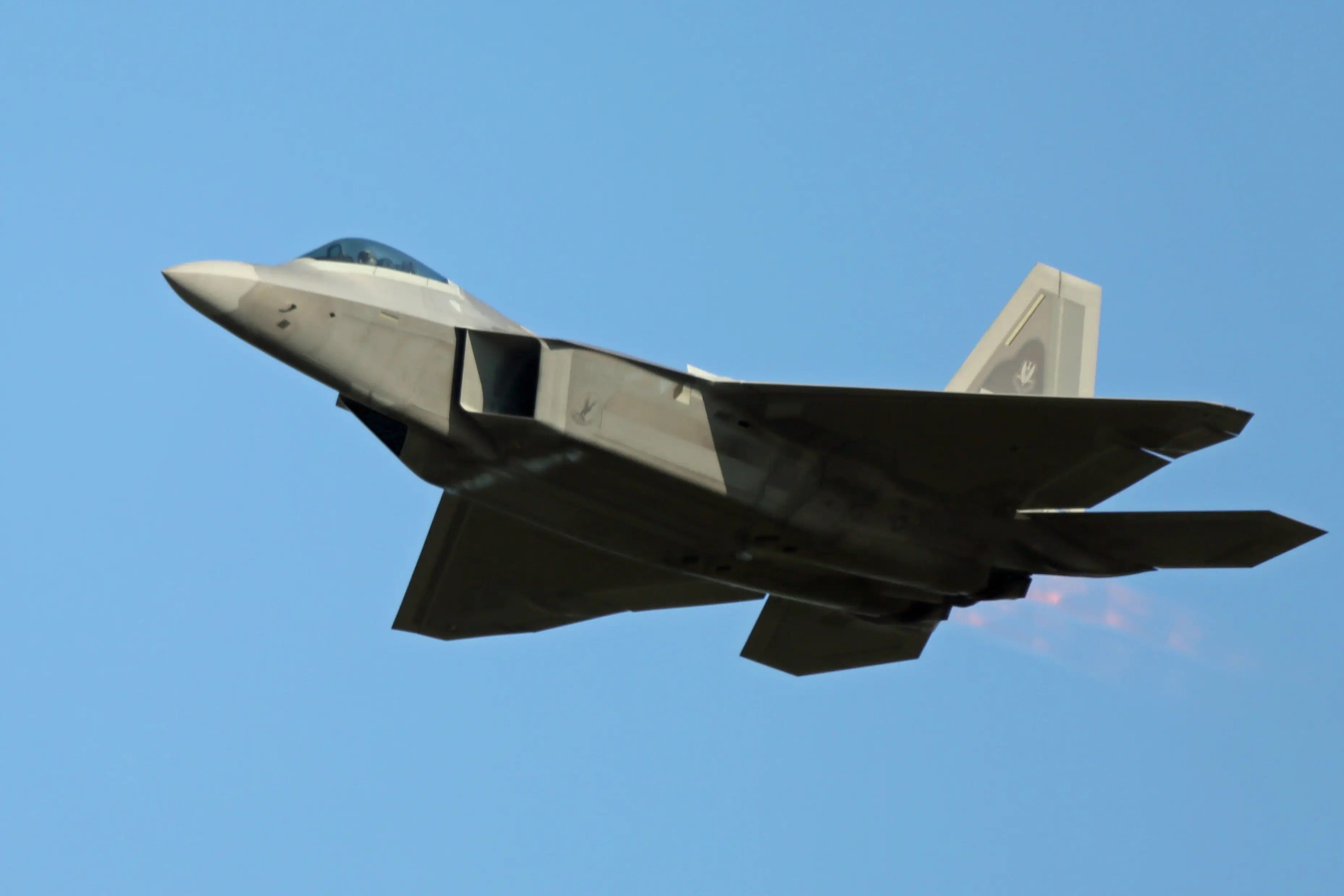
According to the US Air Force Fact Sheet, the F-22 Raptor can reach Mach 2 (2,470 km/h) and has supercruise capability sustained supersonic flight without afterburners. The B-1B, limited to Mach 1.25 (1,335 km/h), trades top speed for range and payload. In a close encounter, agility gives the F-22 the upper hand, capable of outmanoeuvring and engaging within seconds.
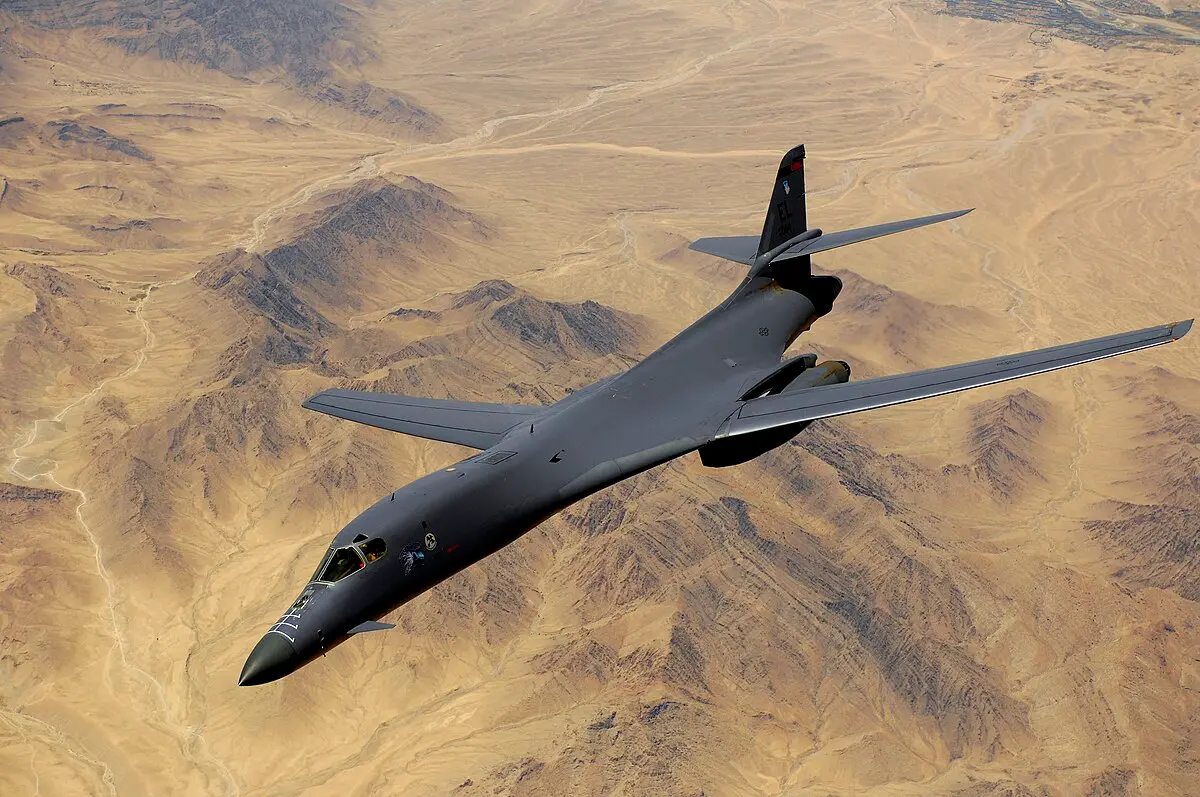
Payload and Range - Lancer Dominates the Distance
The Lancer carries an astonishing 75,000 lbs (34,000 kg) of ordnance, including JDAMs, cruise missiles, and bunker-buster bombs. Its range exceeds 9,400 km, making it ideal for intercontinental attacks. While the F-22’s range is under 3,000 km, its compact design limits payload to 2,200 kg. At long range or high altitude, the B-1B’s firepower becomes a decisive advantage.
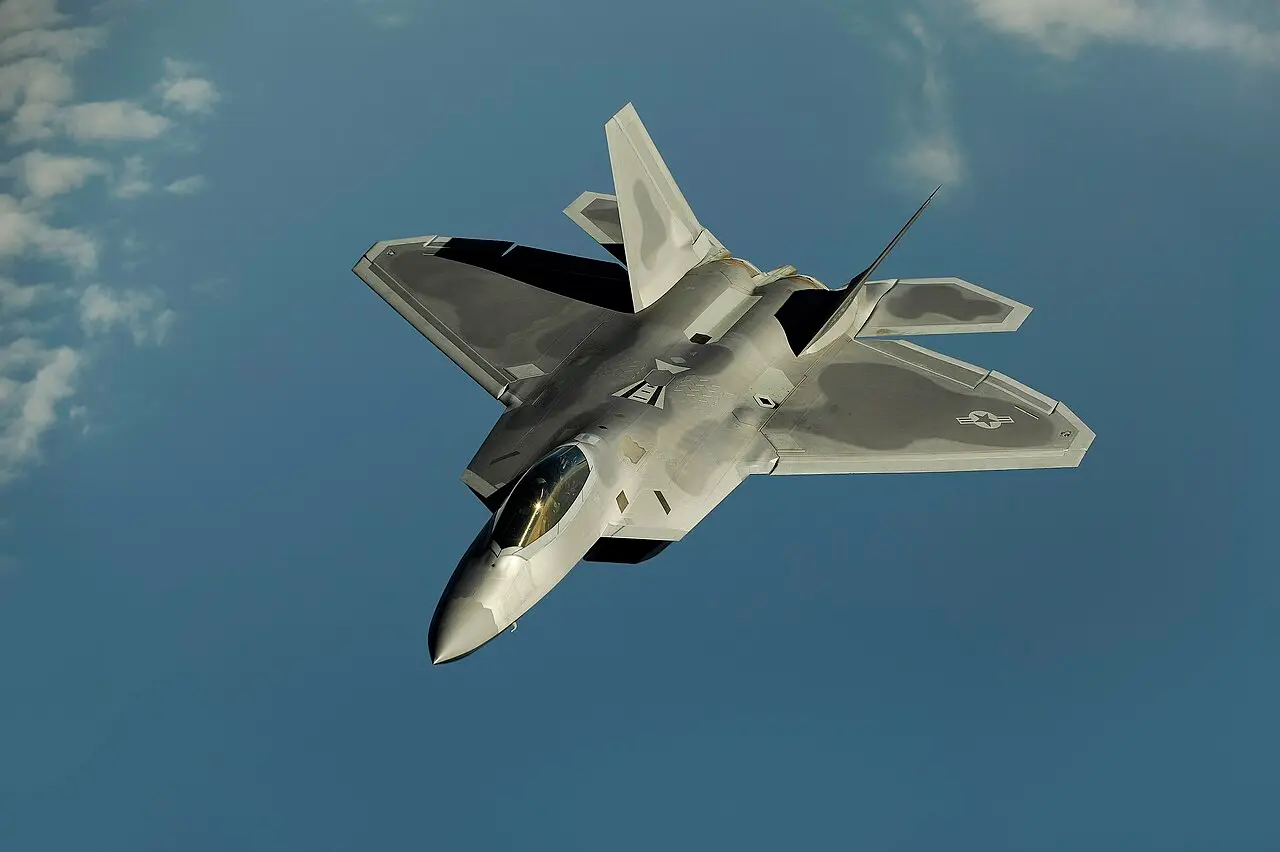
Stealth and Radar - Raptor’s Key Advantage
The B-1B Lancer has limited stealth features, but it isn’t invisible to radar like the modern F - 22 stealth fighter. Engineers reduced its radar signature using several design improvements, such as curved engine inlets, radar-absorbent coatings, and blended wing surfaces. These changes gave it a radar cross-section (RCS) of around 10 square metres, much smaller than older bombers like the B-52, whose RCS exceeds 100 square metres.
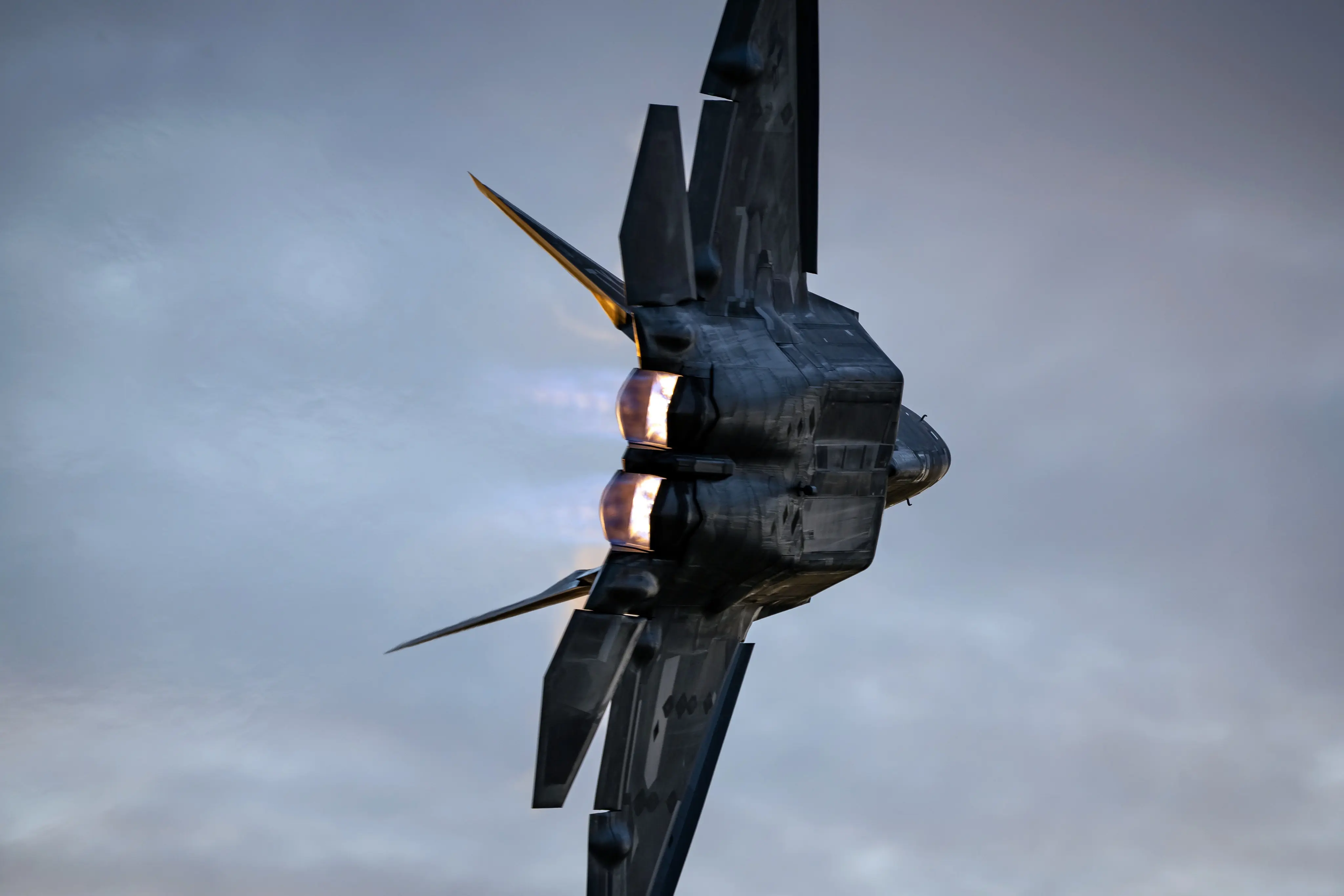
However, the F-22 Raptor operates in an entirely different class of stealth. Its RCS is estimated to be as small as 0.0001 square metres - roughly the size of a bumblebee on radar. That means while the B-1B may appear like a small aircraft to enemy radar, the F-22 is virtually undetectable until it is extremely close.
The Raptor’s radar-evading shape, internal weapons bays, and radar-absorbent surface coatings keep it hidden from almost all radar systems. It can approach targets, lock on, and strike before even being detected.
Combat Scenario - Dogfight or Strike?
In an imaginary direct confrontation, the F-22 would never let the B-1B approach. Flying at 65,000 ft, the Raptor’s sensors and speed give it an early shot advantage. But in a ground-attack scenario, where the B-1B can launch standoff cruise missiles and the long-range artillery could help threaten it for bombing, but would be limited to ground attack, it could only attack to the jet airbase, it will give tactical advantage rather than direct.
Power and Endurance
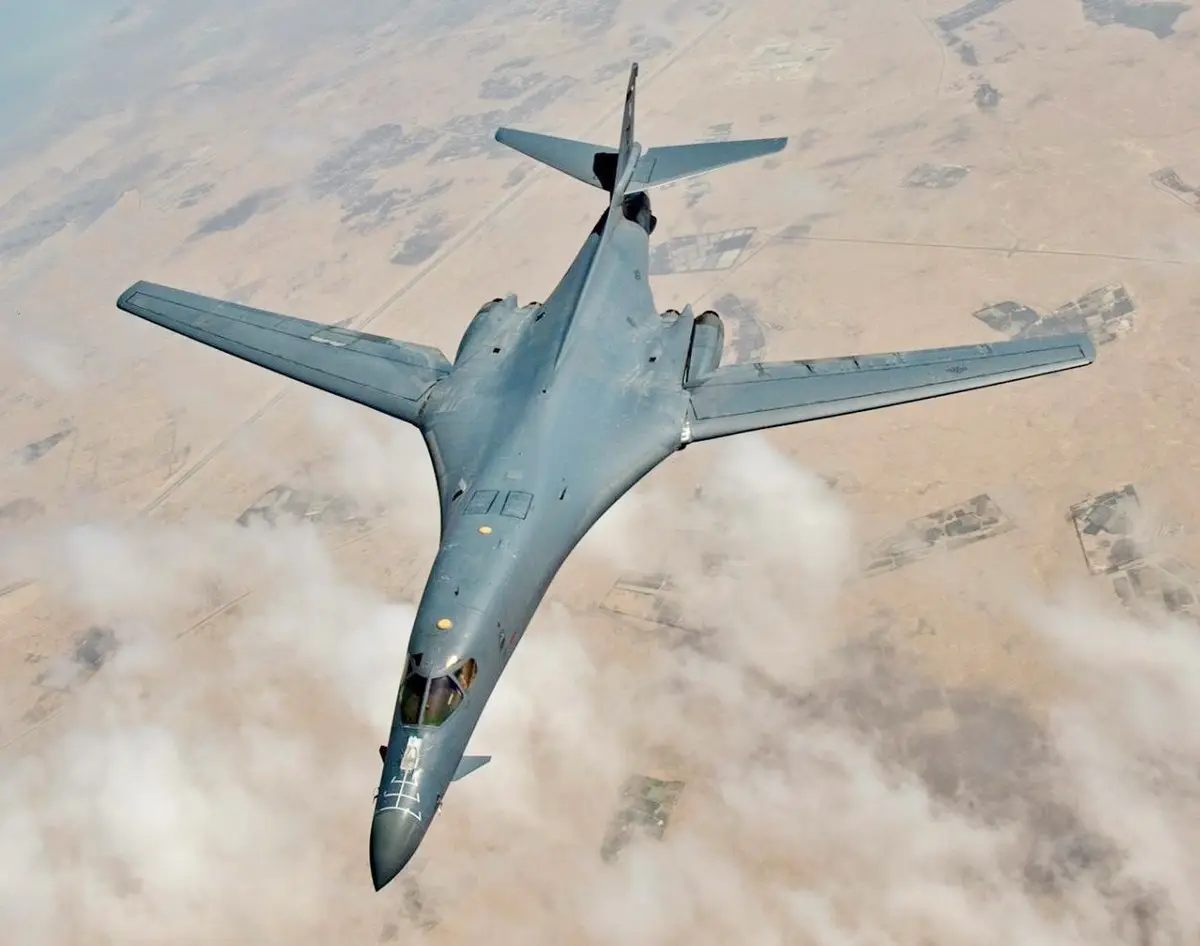
The Lancer’s four General Electric F101-GE-102 engines generate a combined 123,000 lbs of thrust, which allows long-duration flights deep into enemy zones. Equipped with modernised avionics and weapons like the AGM-158 JASSM, the B-1B could strike targets.
Manoeuvrability and Combat Versatility - F-22 Takes the Sky
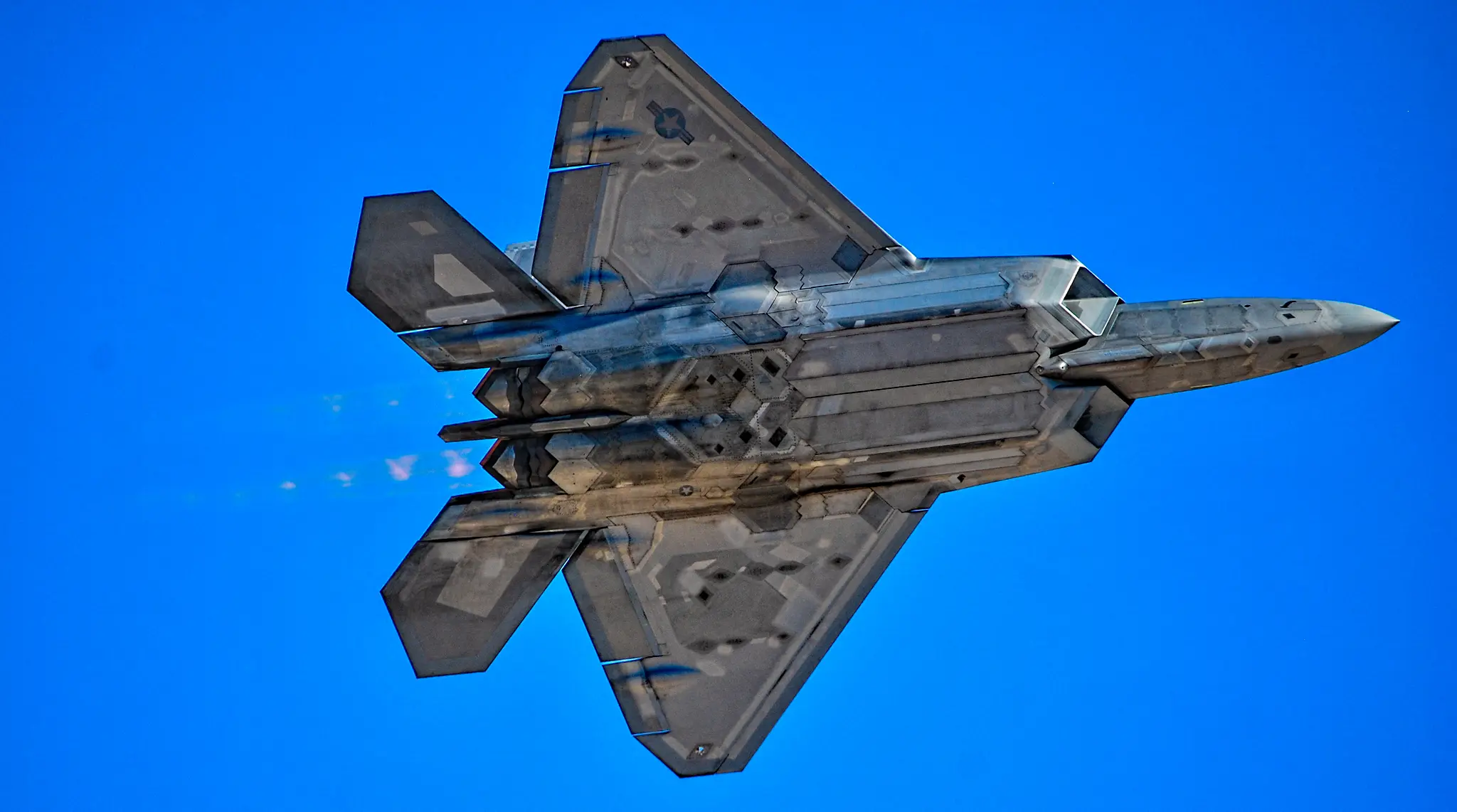
The F-22’s twin F119-PW-100 engines produce over 70,000 lbs of thrust, combined with thrust vectoring nozzles that let it twist and turn mid-air in ways no bomber can match. Its combination of speed, stealth, and manoeuvrability makes it unbeatable in aerial combat.
Survivability and Defence Systems
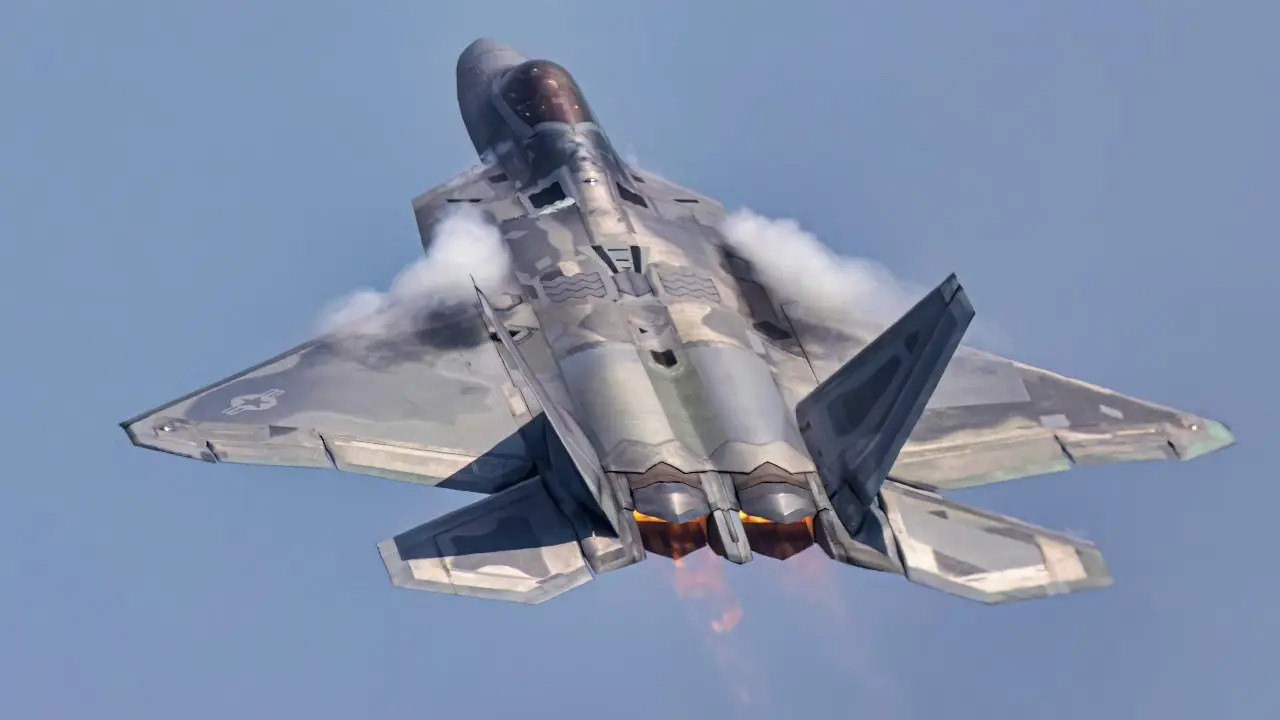
The B-1B’s defensive systems include radar jamming and countermeasure releases, giving it survival capability against missile attacks. But the F-22’s avionics and situational awareness systems (like the AN/APG-77 radar) ensure it detects and tracks opponents well before engagement, giving it unmatched precision in multi-threat environments. and a clear advantage to the F-22 Raptor.
Could the B-1B Win?
What if Hypothetically? In a one-on-one aerial engagement, the F-22 Raptor holds a clear advantage. Its stealth, manoeuvrability, and real-time threat detection would allow it to neutralise the Lancer before being spotted. However, in long-range or fleet operations, a B-1B escorted by fighters could play a unique role, targeting strategic assets far beyond the Raptor’s range.
Strategy Over Strength
While both aircraft symbolise American air dominance, they represent different eras and combat doctrines. The F-22 dominates air battles, controlling the sky with precision and speed. The B-1B ensures strategic depth, striking targets continents away. The real strength lies not in a direct clash but in their combined use of air superiority and power projection, working together to shape modern warfare.
)
)
)
)
)