What if NASA's James Webb Telescope discover signs of alien megastructures?

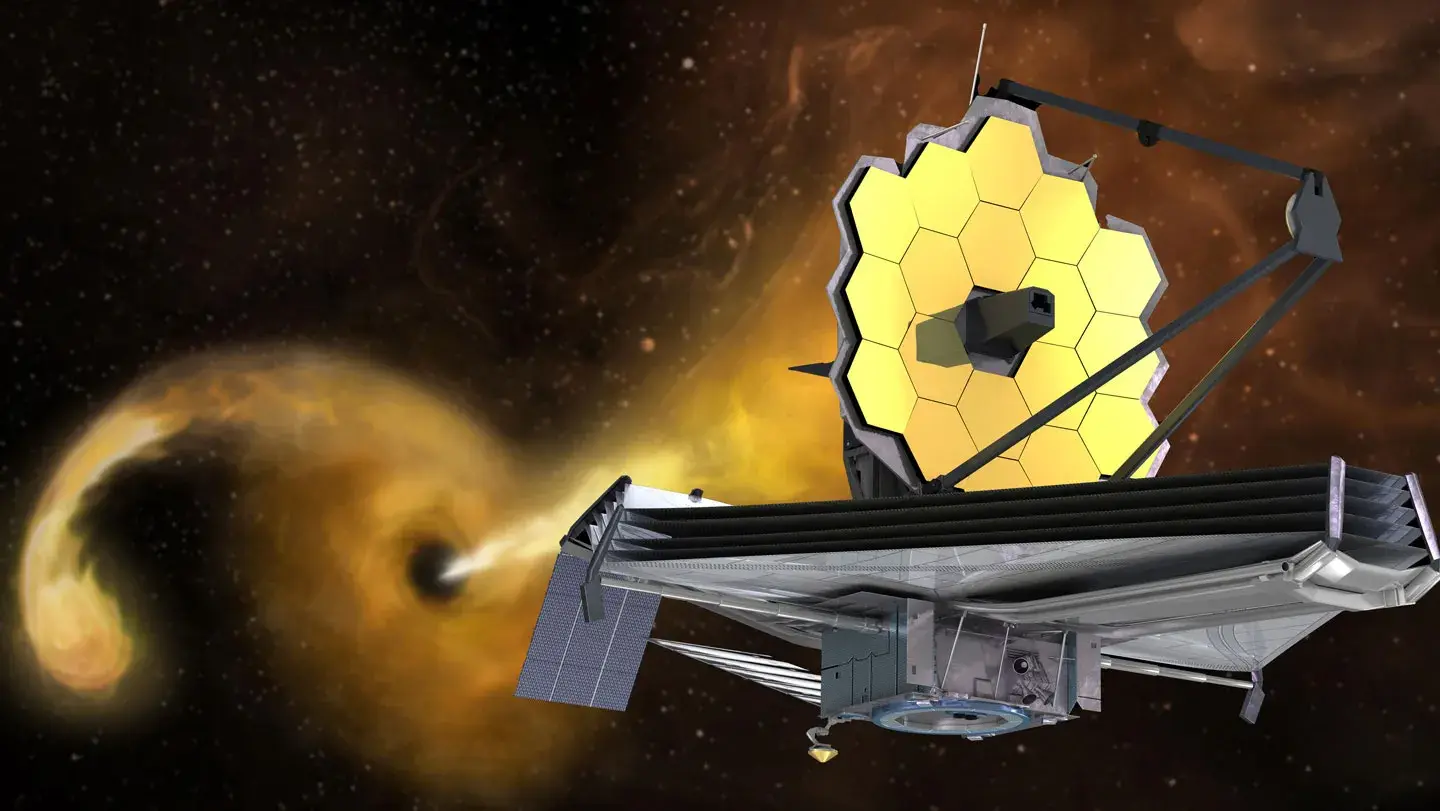
The James Webb Space Telescope (JWST) has already given humanity the deepest look into the cosmos. But imagine if it discovered something even more extraordinary alien megastructures.
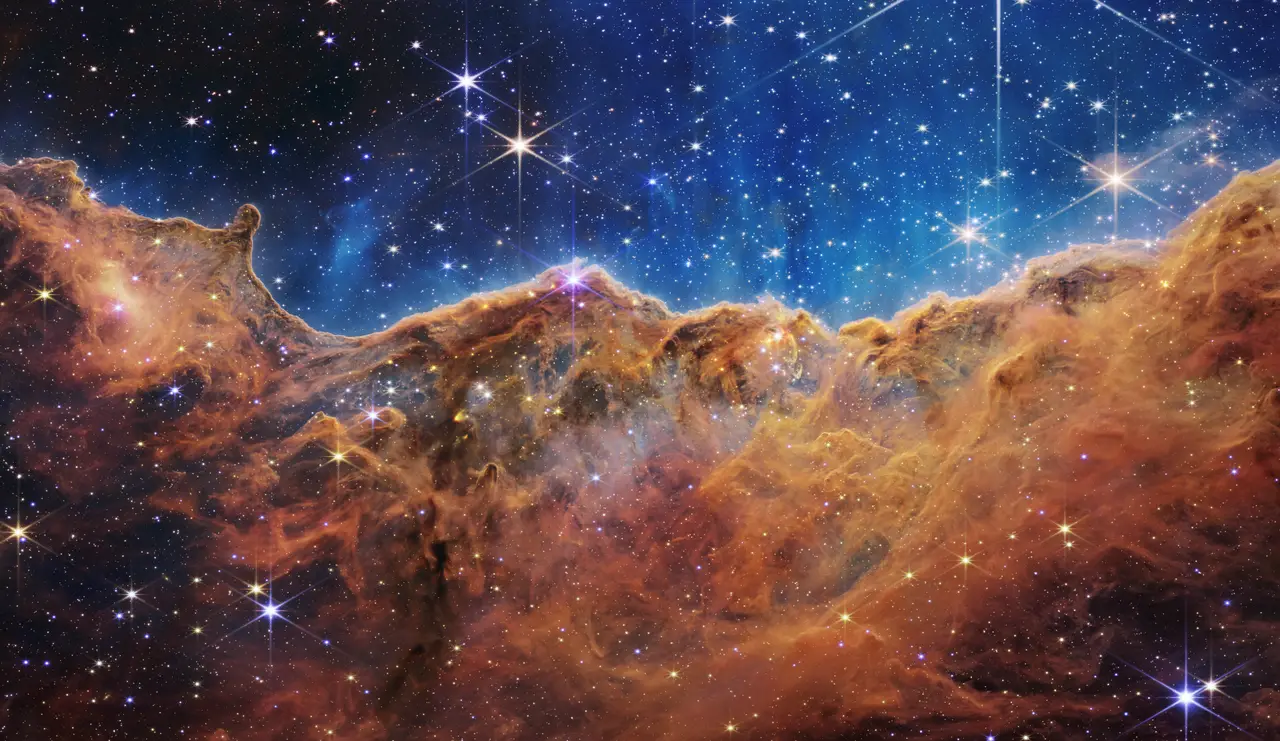
What Are Alien Megastructures?
The term often refers to hypothetical constructs like Dyson spheres, gigantic shells or swarms of satellites built around stars to capture their energy. If James Webb spots unusual light patterns or shadows around stars, it could hint at something artificial.
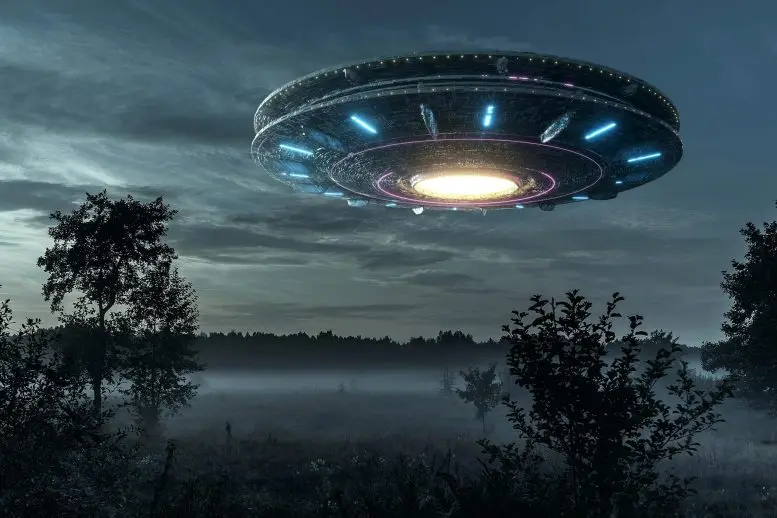
How JWST Could Detect Them
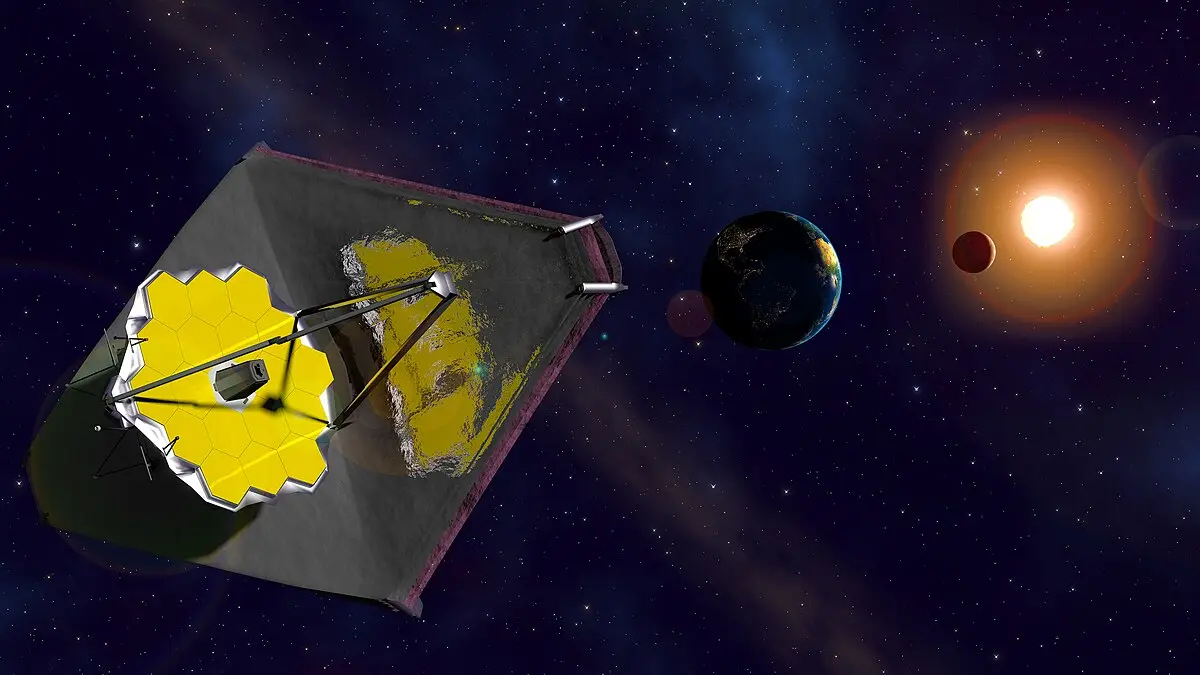
James Webb is designed to analyse starlight with incredible precision. If a star’s brightness dips in a way that doesn’t match planets or dust clouds, astronomers might suspect megastructures. Its infrared sensors could also pick up excess heat radiating from massive artificial objects.
Why It Would Change Everything
If confirmed, it would mean we’re not alone — and that civilisations exist far more advanced than ours. This would transform science, religion, and philosophy, forcing us to rethink humanity’s place in the universe.
The First Targets
Astronomers have already observed “mystery stars,” like Tabby’s Star, which showed strange dimming patterns. JWST could re-examine such stars in unprecedented detail, searching for signs of megastructures.
Skepticism vs. Hope
Scientists caution that natural phenomena like dust clouds, rings, or stellar activity, often explain unusual signals. Still, JWST’s sharp eye means we can test these theories better than ever before.

The Ripple Effect
If alien megastructures were detected, governments worldwide would likely rush into space research and exploration. It could spark a new space race, technological boom, and even debates on how to contact advanced civilisations.

A Future Within Reach?
While the idea sounds like science fiction, JWST was built for discoveries we can’t yet imagine. Whether it’s alien megastructures or new cosmic mysteries, its journey has just begun.
)
)
)
)
)