What If NASA’s James Webb Telescope could look back 13.6 billion years in time?

NASA’s Webb telescope lets us see as far back as 13.6 billion years, capturing images of the very first galaxies and offering clues to the universe’s beginnings. What Webb reveals may help answer the greatest cosmic questions know more below.
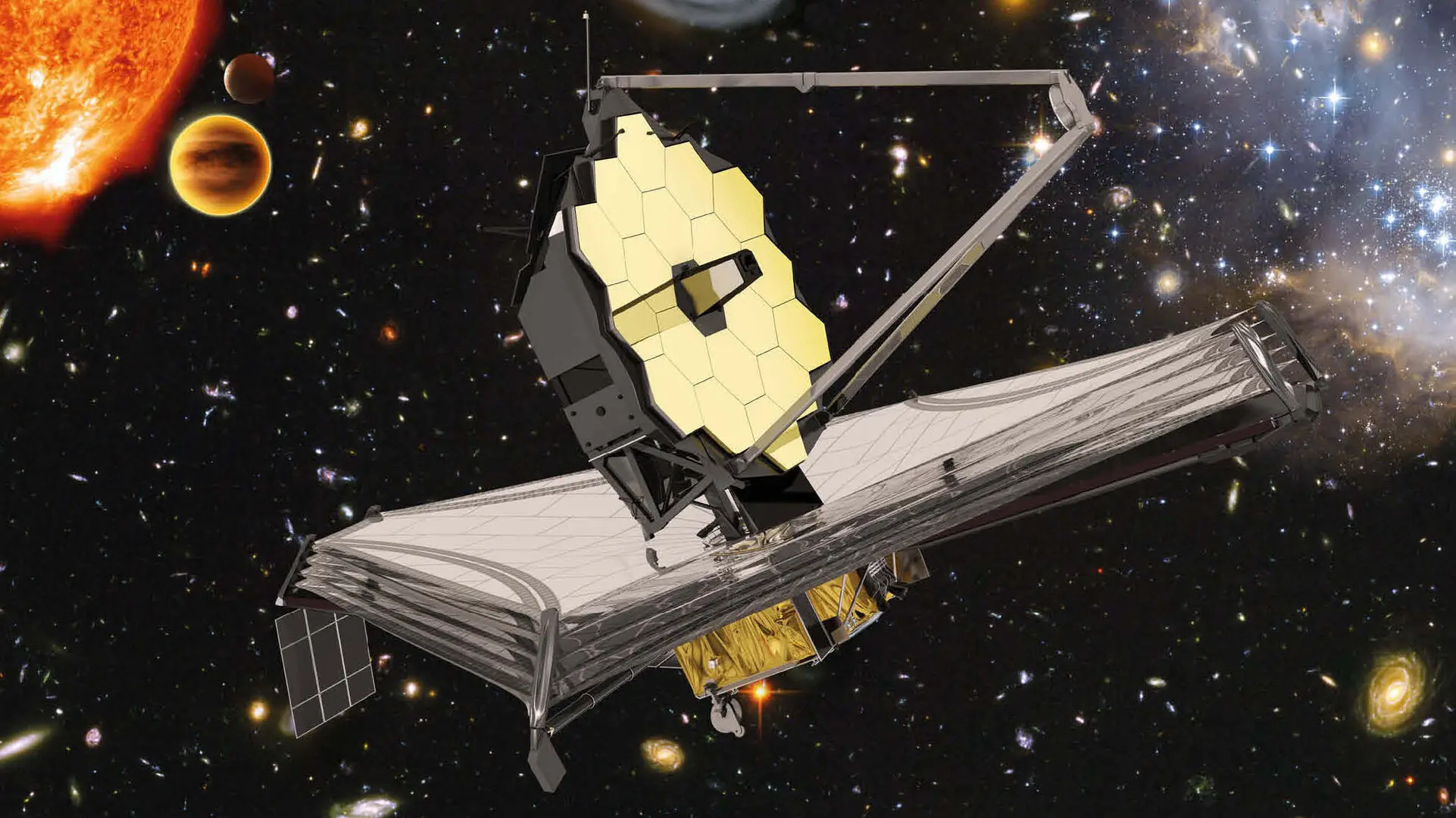
Webb as humanity’s cosmic time machine
NASA’s James Webb Space Telescope lets astronomers see back billions of years, capturing light from the earliest stars and galaxies. The farther Webb looks, the deeper it peers into our universe’s past, revealing what happened just after the Big Bang.
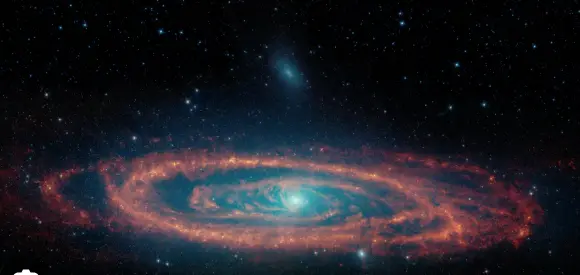
How Webb sees the ancient universe
Webb’s powerful infrared sensors pick up faint light that has travelled for up to 13.6 billion years. Because the universe is expanding, light from distant objects is shifted into the infrared, exactly the part of the spectrum Webb is designed to study.
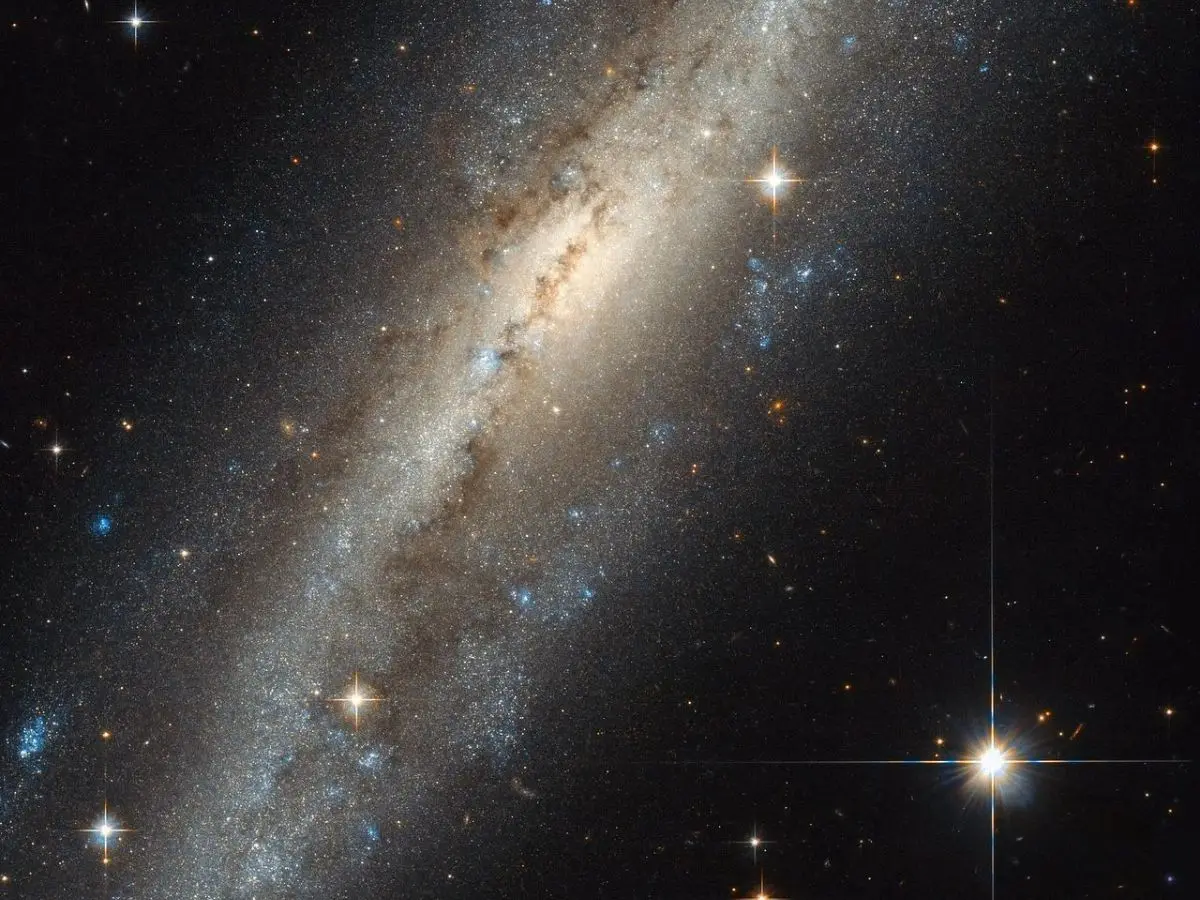
Webb’s deepest images ever
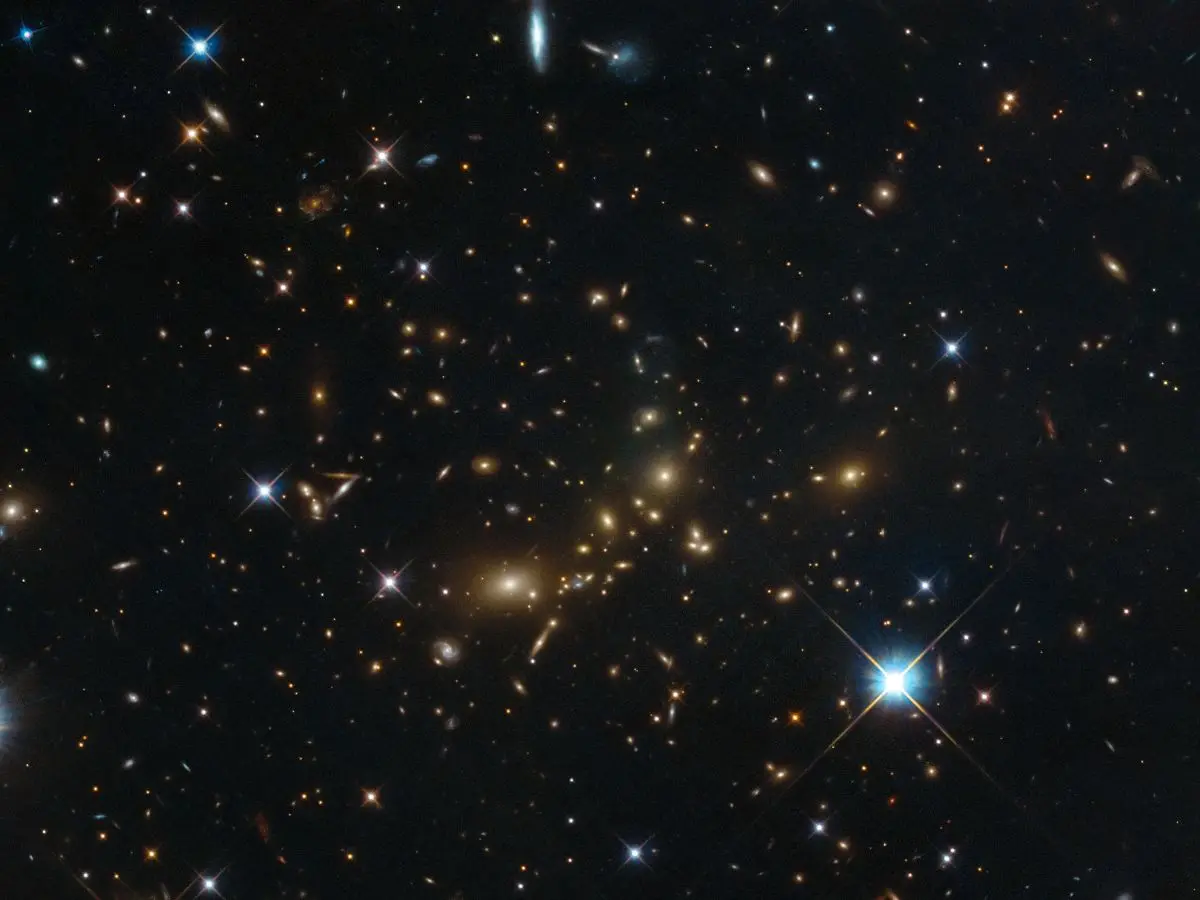
Webb’s First Deep Field image, released in July 2022, showed thousands of galaxies in a patch of sky only as big as a grain of sand held at arm’s length. In this view, the telescope captured the faintest and most ancient objects ever seen.
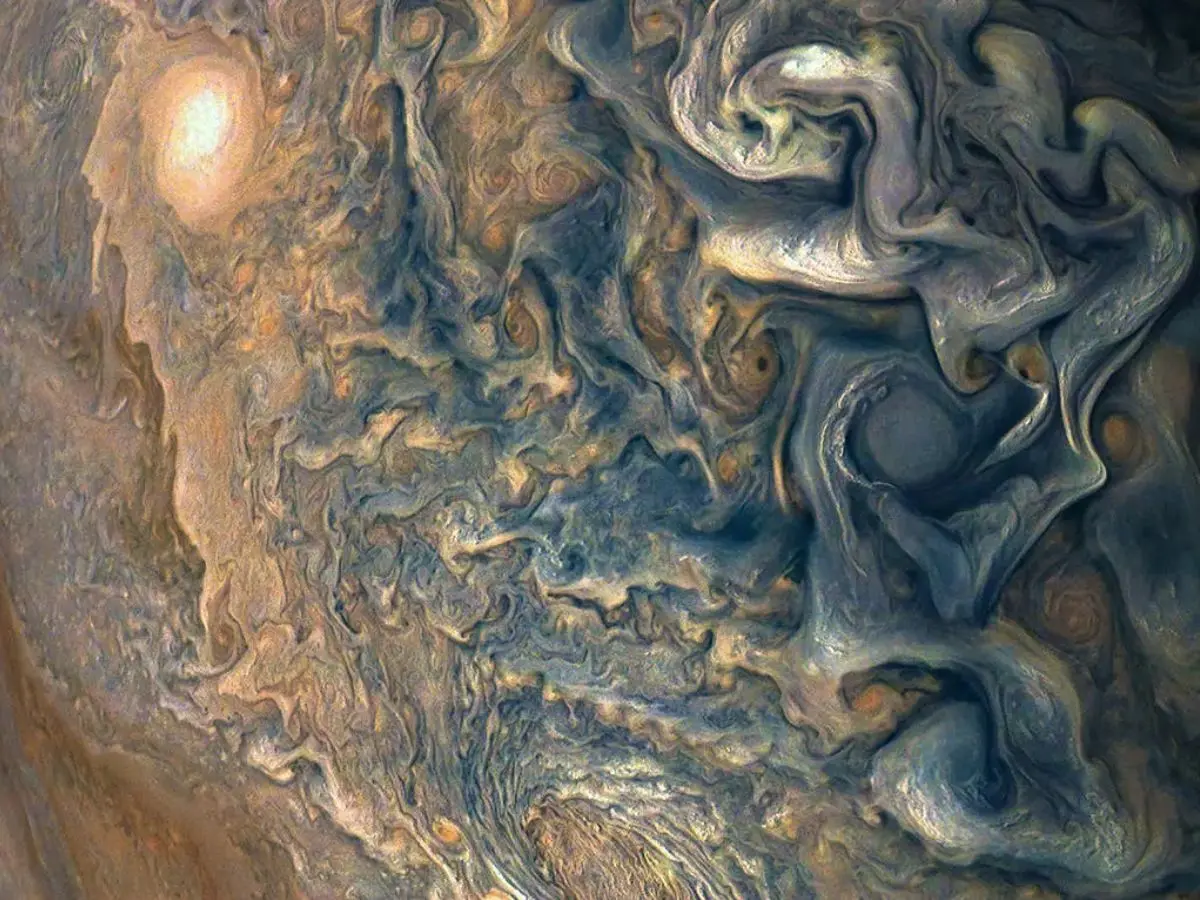
Record-breaking discoveries
Webb has already spotted galaxies like JADES-GS-z14-0 and MoM z14, seen just 280–290 million years after the Big Bang, setting records for the oldest and most distant galaxies found by any telescope so far. Some of these galaxies appear large and bright, even in such early times.
The science of looking back
Looking at these distant galaxies shows us each stage of the universe’s growth, from the first stars to the birth of galaxies and early cosmic chemistry. Webb’s data lets astronomers study how stars, oxygen, and other elements began to form.
Why this era matters for discovery
By understanding the earliest galaxies, scientists hope to answer how the first light broke through the cosmic “dark ages” and sparked the chain of events that shaped everything, including our own solar system.
A new window on cosmic creation
If Webb can see back to 13.6 billion years, it gives us a front-row seat to the beginning of space and time. Every new Webb image adds a piece to the universe’s puzzle bringing us closer to understanding our origins.
)
)
)
)
)