What if NASA's James Webb Telescope could detect alien civilisations through pollution in atmospheres?

The James Webb Space Telescope (JWST) is designed to look deep into the universe, spotting the faintest galaxies and studying exoplanets. But here’s a wild thought: what if it could detect alien civilisations, not through signals or spaceships, but through pollution in their atmospheres?

The Science Behind the Idea
On Earth, human activity leaves chemical fingerprints, like nitrogen dioxide (NO₂), chlorofluorocarbons (CFCs), and carbon dioxide (CO₂) in our atmosphere. These pollutants are so distinct that they could, in theory, be spotted on distant exoplanets.
Why JWST Is Different
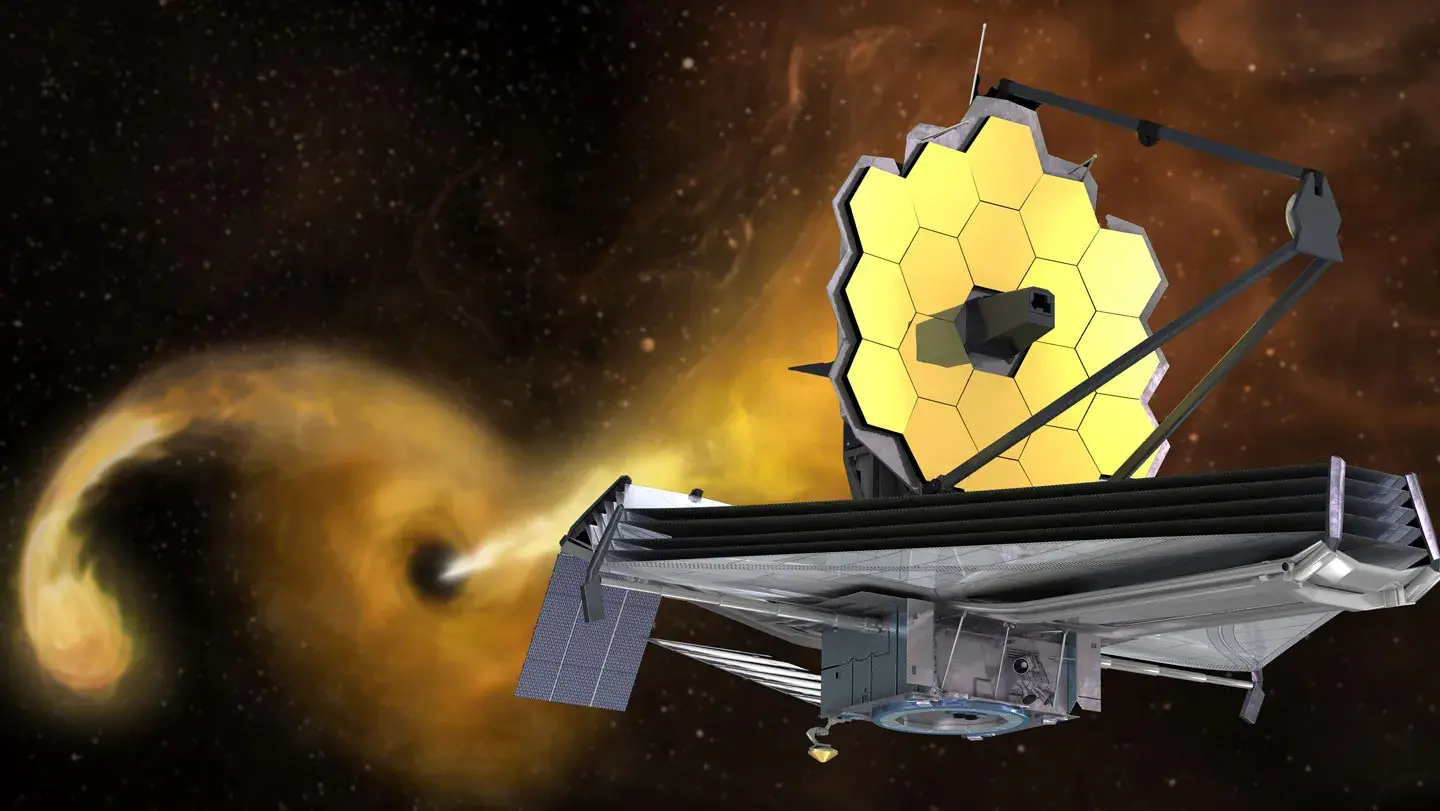
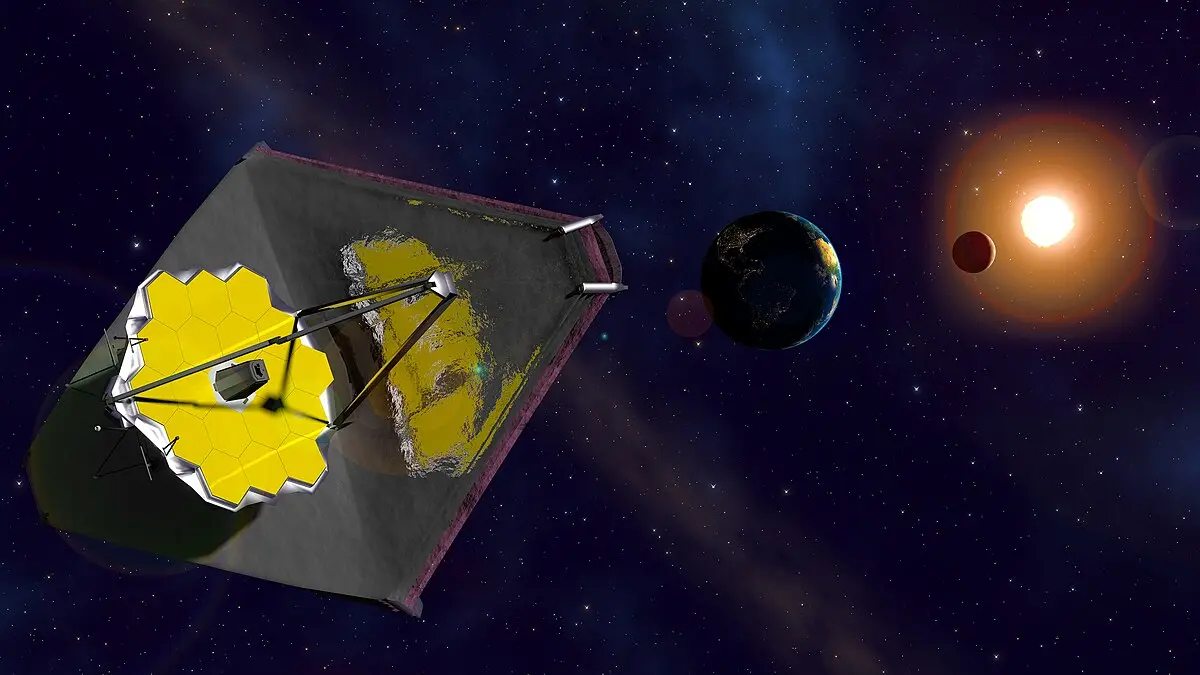
JWST’s infrared instruments are sensitive enough to study the chemical composition of alien atmospheres by analysing the light from stars as it passes through them. If pollution is strong enough, JWST could pick it up.
Pollution as a Technosignature
Astrobiologists call this a “technosignature” evidence of technology-driven activity. Just like radio signals were once imagined as signs of aliens, pollutants could now serve as a new clue.

What Would Count as Proof?
Natural processes can also produce gases like methane or CO₂. But if JWST found industrial pollutants such as CFCs, which don’t occur naturally, it would be strong evidence of advanced life.
The Limits
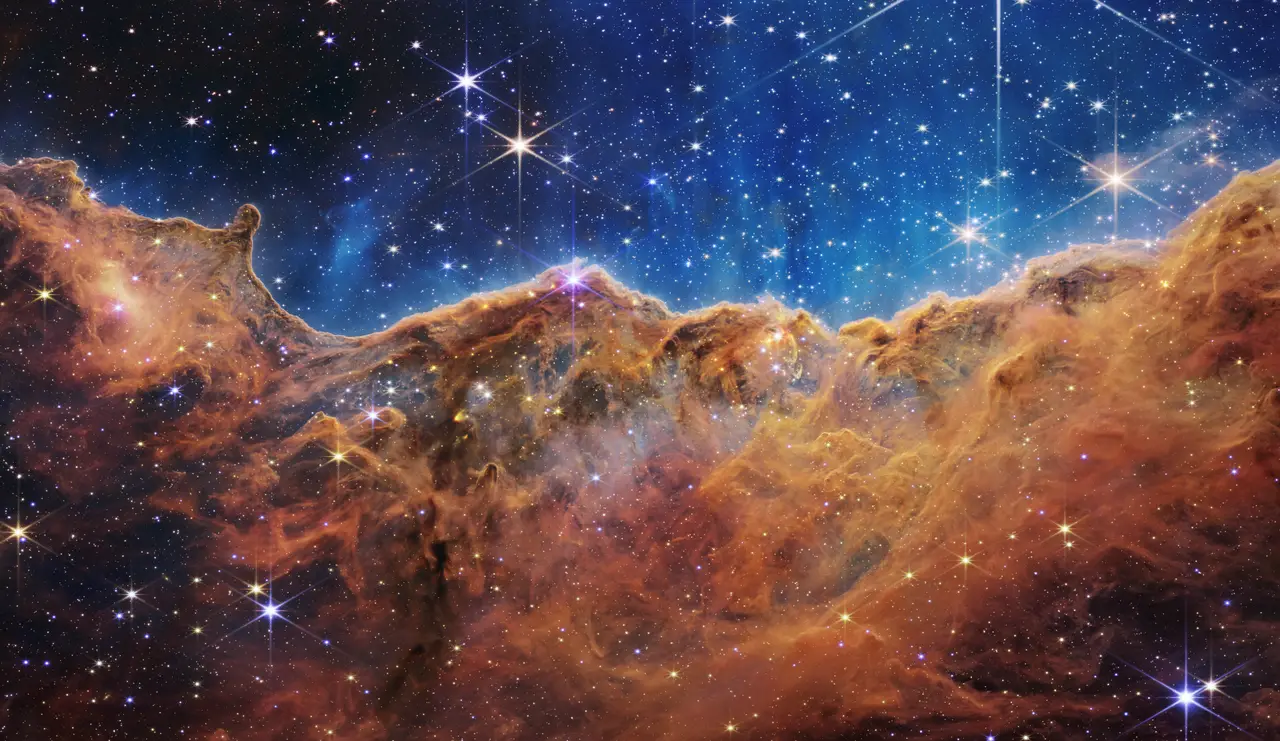
JWST wasn’t built specifically to hunt for technosignatures. Detecting faint pollution on planets light-years away would require ideal conditions, a nearby planet, the right alignment, and a very strong atmospheric signal.
Why It Still Matters
Even if JWST doesn’t spot alien pollution, this idea opens the door for future telescopes. Missions in the 2030s and 2040s could be specifically designed to scan for atmospheric technosignatures.
)
)
)
)
)