'Months to build one chip': Why semiconductor manufacturing takes so long

Producing a microchip involves up to four months of manufacturing and thousands of precise steps. Inside ultra-pure cleanrooms, silicon wafers undergo repeated cycles of deposition, EUV lithography, and etching to build 100 microscopic layers.

A Four-Month Journey
Producing a modern microchip is one of the most complex manufacturing processes in human history. Transforming a blank silicon wafer into an advanced semiconductor typically requires up to four months and involves thousands of highly precise steps.
10,000 Times Cleaner
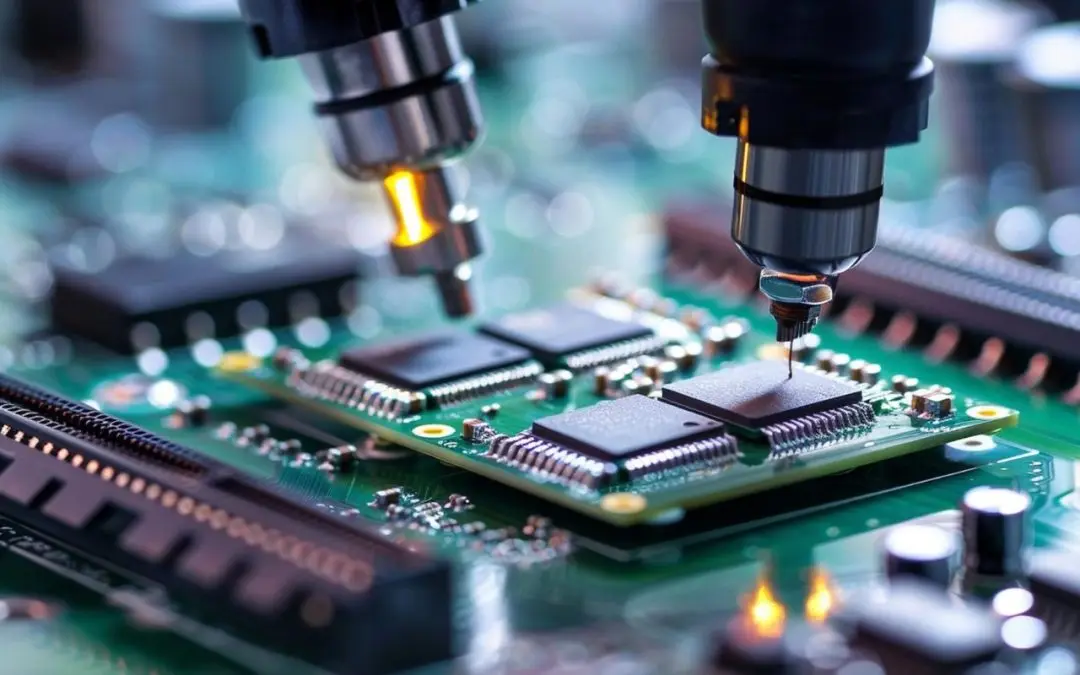
Because nanoscale transistors are incredibly fragile, fabrication occurs inside strictly controlled environments called cleanrooms. These ‘ISO class 1’ facilities are roughly 10,000 times cleaner than outside air, ensuring zero dust particles ruin the microscopic circuitry.
Building in 100 Layers
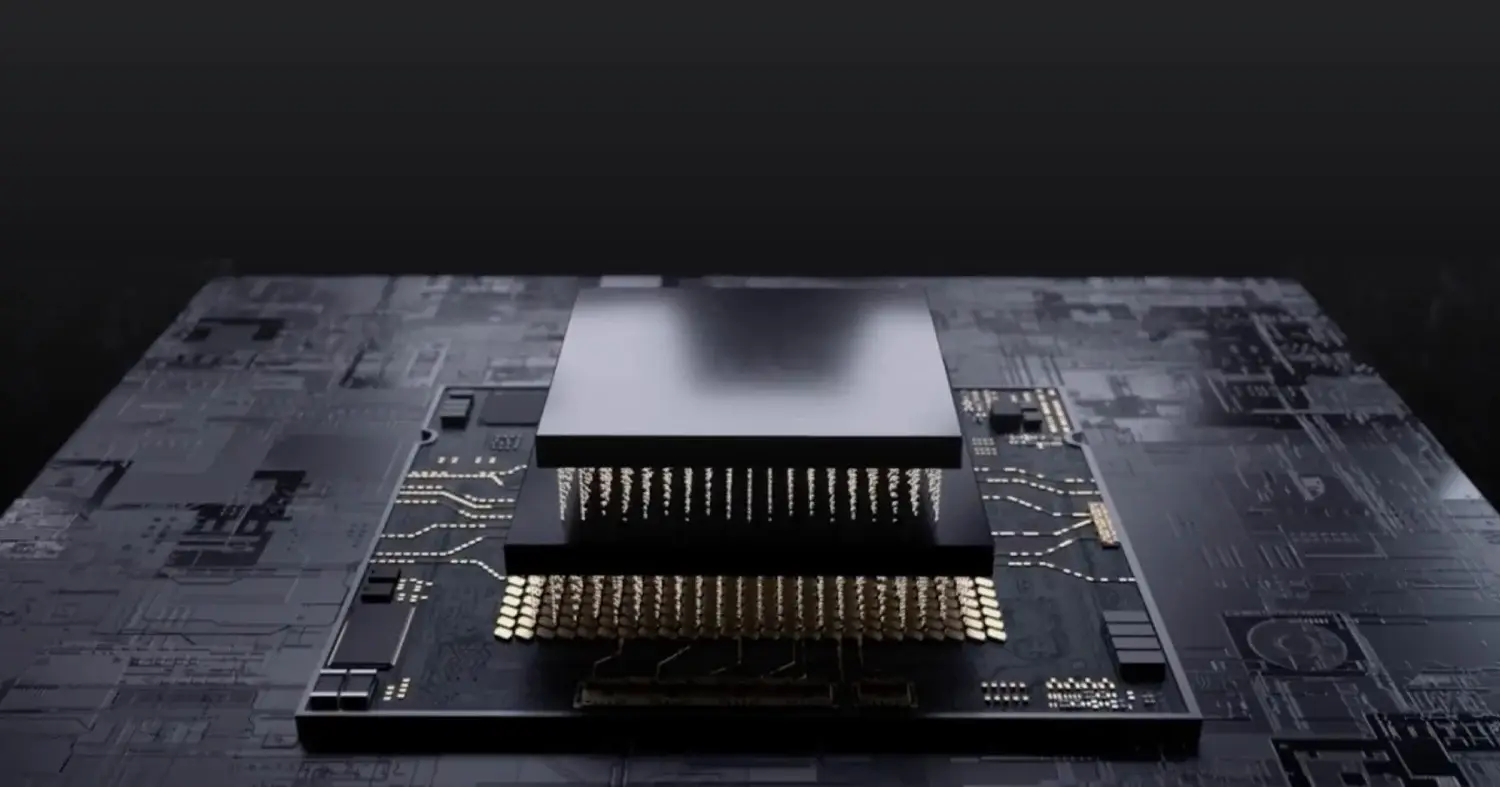
A modern computer chip is not made all at once, but rather painstakingly built from the bottom up. The manufacturing cycle can repeat up to 100 times, stacking intricate layers of circuits that must align with nanometre precision.

Deposition and Photoresist
The cycle starts by depositing ultra-thin films of conducting and isolating materials onto a perfectly polished silicon wafer. The wafer is then coated in a light-sensitive chemical called a ‘photoresist’, which prepares the surface for the critical printing phase.
Extreme Ultraviolet Lithography
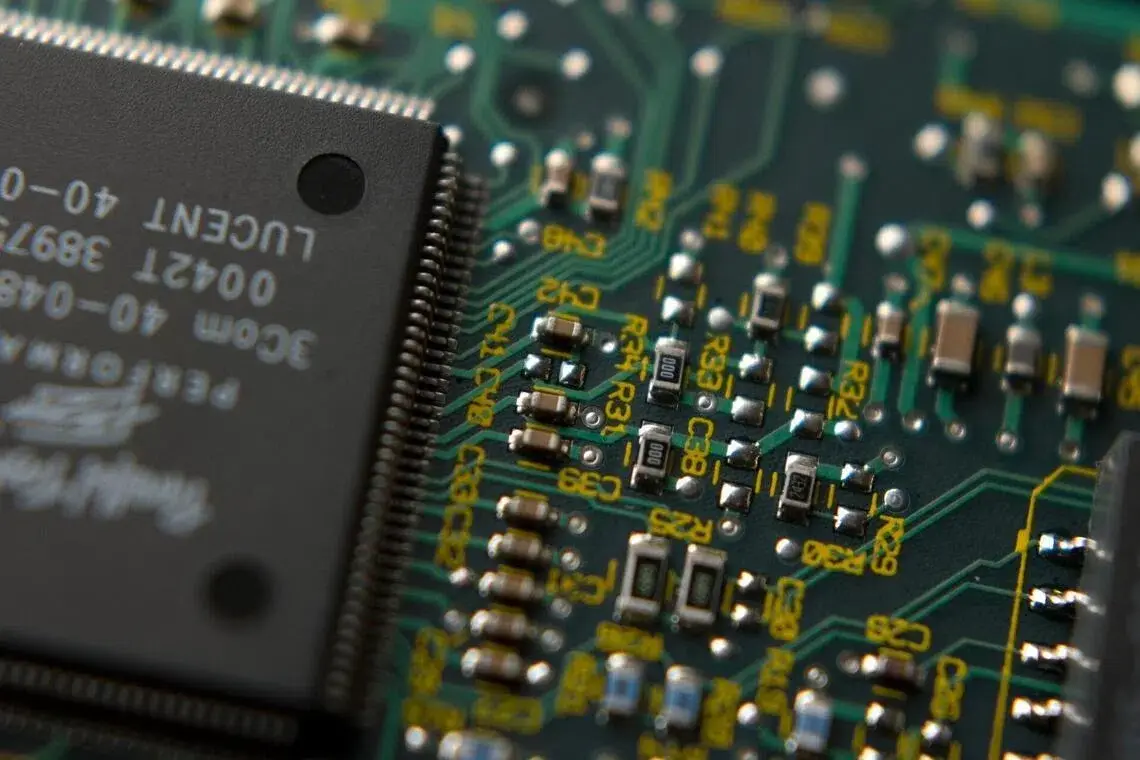
During lithography, advanced machines from companies like ASML project intricate circuit blueprints onto the wafer. Using extreme ultraviolet (EUV) light with microscopic wavelengths, they print billions of tiny transistors directly into the photoresist coating.
Etching and Ionisation
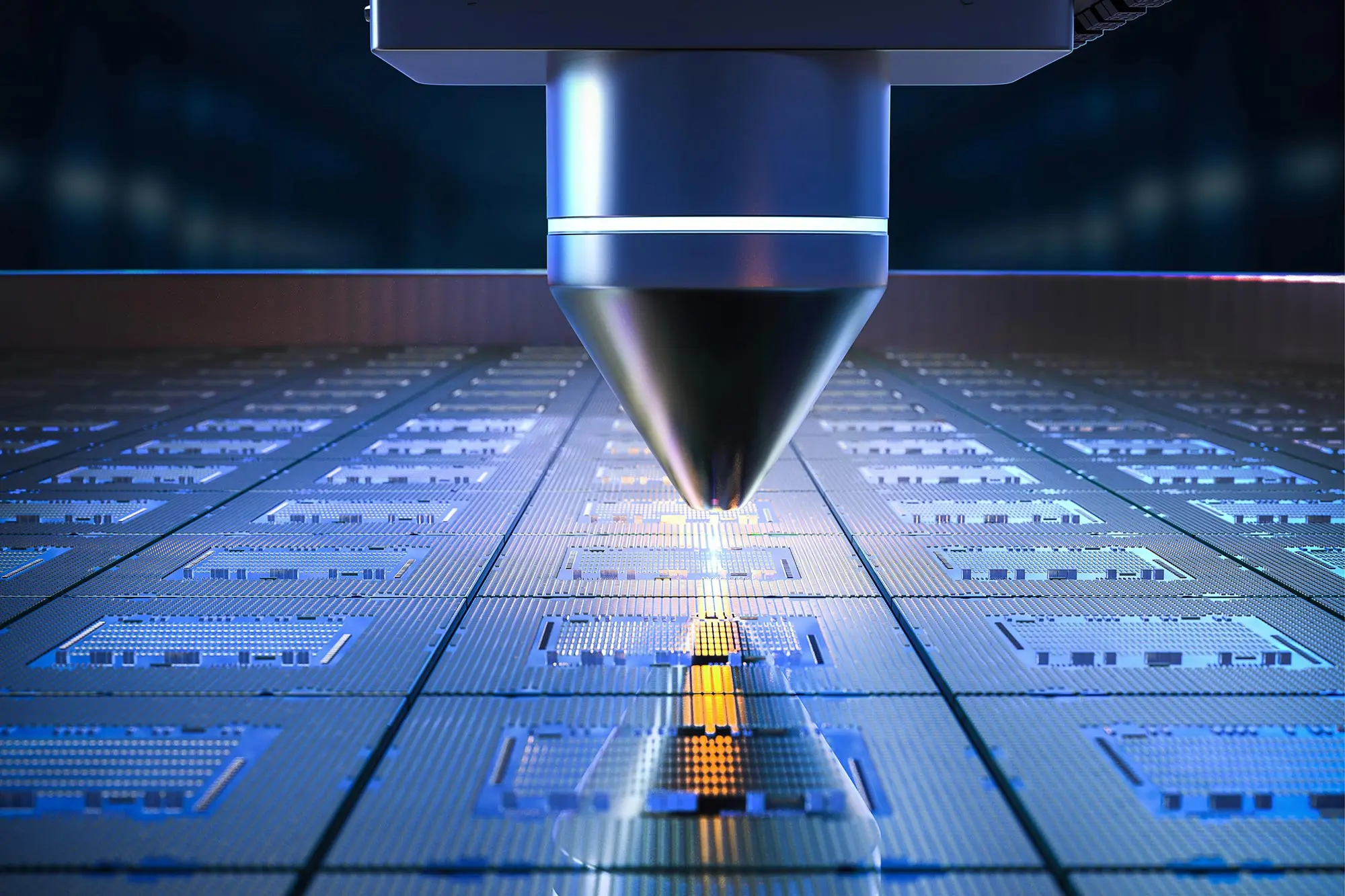
After the light chemically alters the resist, developers wash away exposed areas to reveal the underlying silicon. The wafer then undergoes plasma etching to carve 3D patterns and ion implantation to precisely tune the electrical properties of the semiconductor.
The Final Diamond Cut
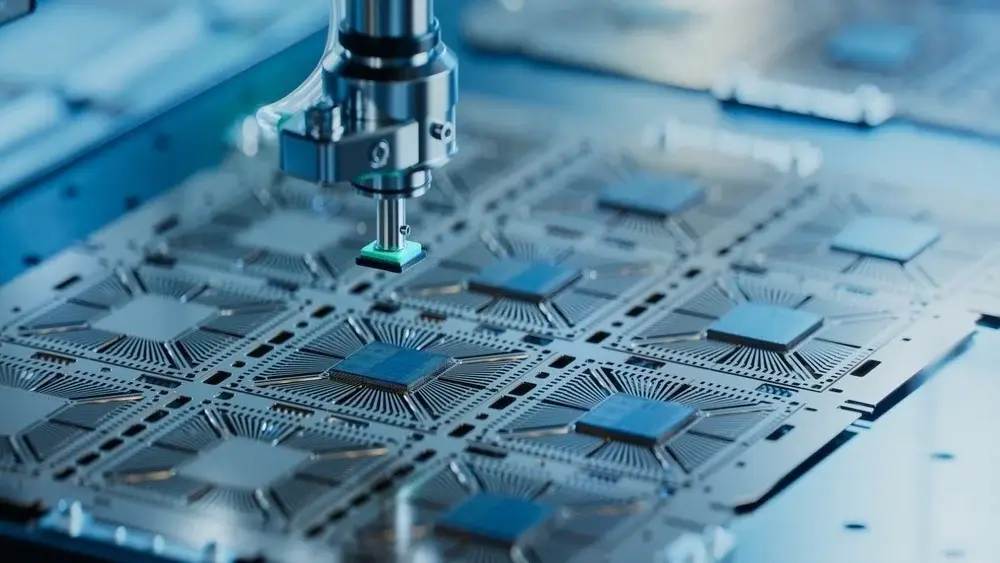
This exhaustive cycle of deposition, lithography, and etching is repeated for every single layer over three to four months. Finally, the finished silicon wafer is sliced with a diamond saw into individual chips, which are packaged and shipped to tech companies worldwide.
)
)
)
)
)