What If NASA’s James Webb telescope found a planet closer to Earth that could host humans?

What if the James Webb found a planet near us that could host people? New finds point to promising worlds just a few light-years away, raising hope for a second home. Know more below on the search for a new Earth.
What is the dream?
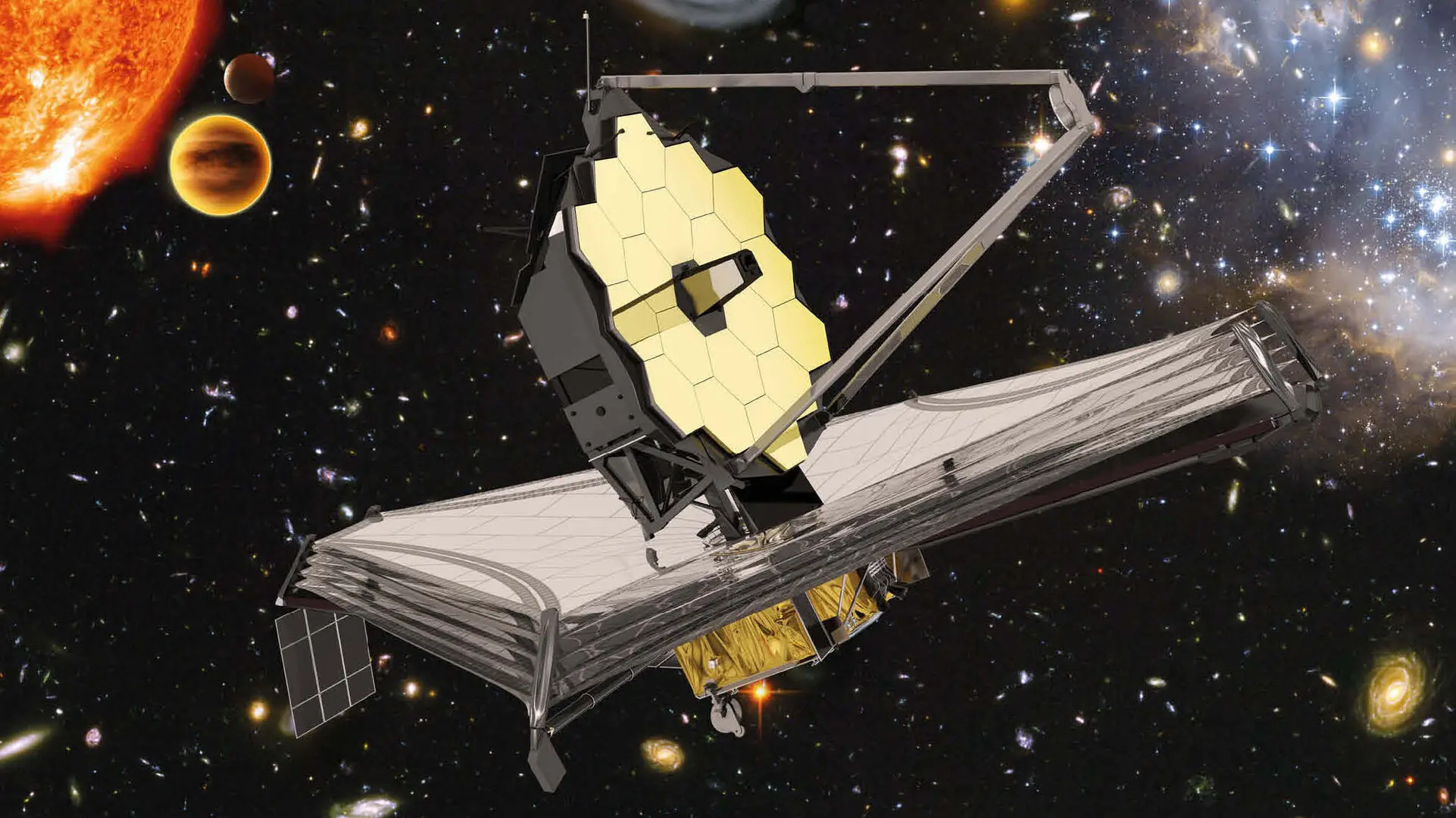
People have long asked if there is another planet near Earth that could host humans. Telescopes like the James Webb Space Telescope (JWST) are now searching for Earth-like worlds nearby, focusing on planets with rock, water and gentle conditions suitable for life.
How close are the real discoveries?
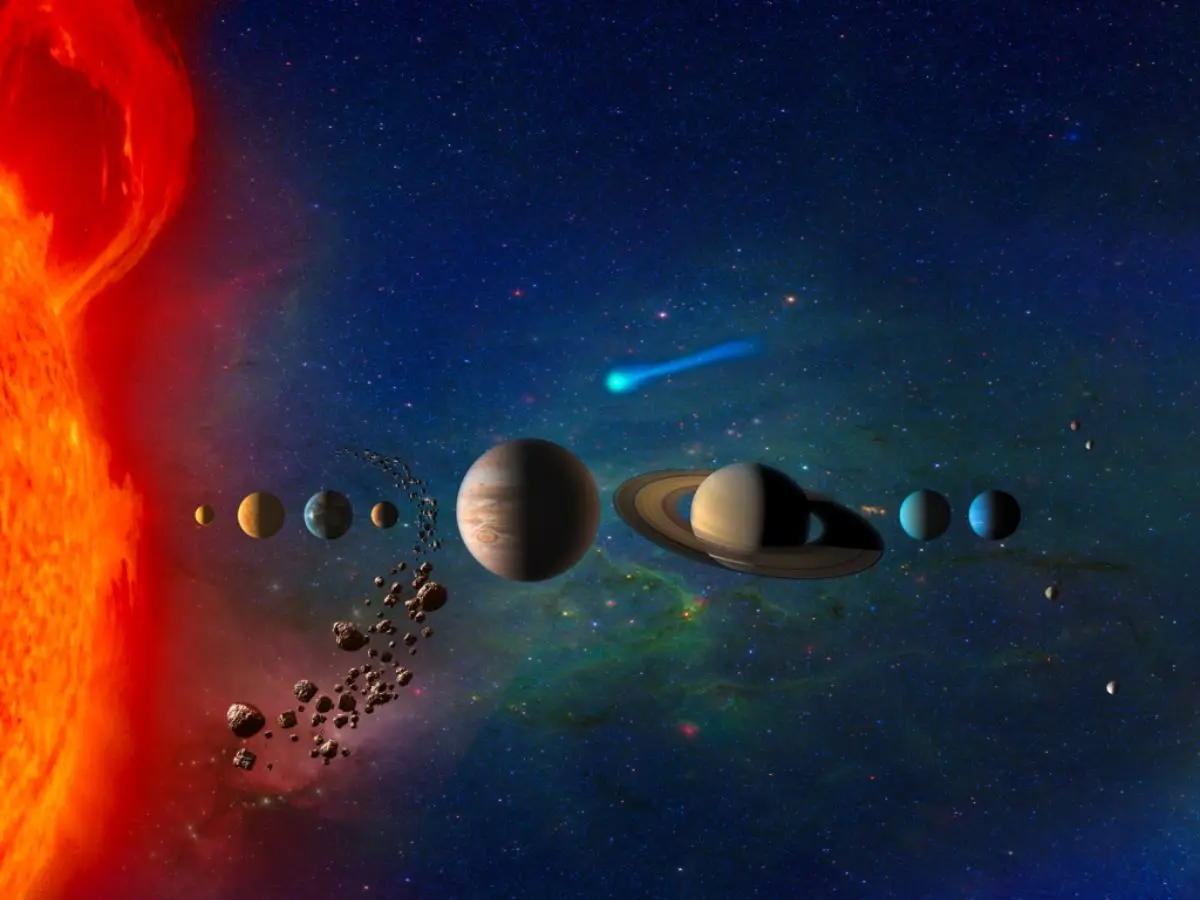
Webb has found strong hints of new planets around stars like Alpha Centauri A, just 4 light-years away. While recent finds there are gas giants, not rocky Earths, the fact these worlds sit in “habitable zones” show it’s possible to imagine a nearby planet that could one day support people.
What makes a planet ‘habitable’?
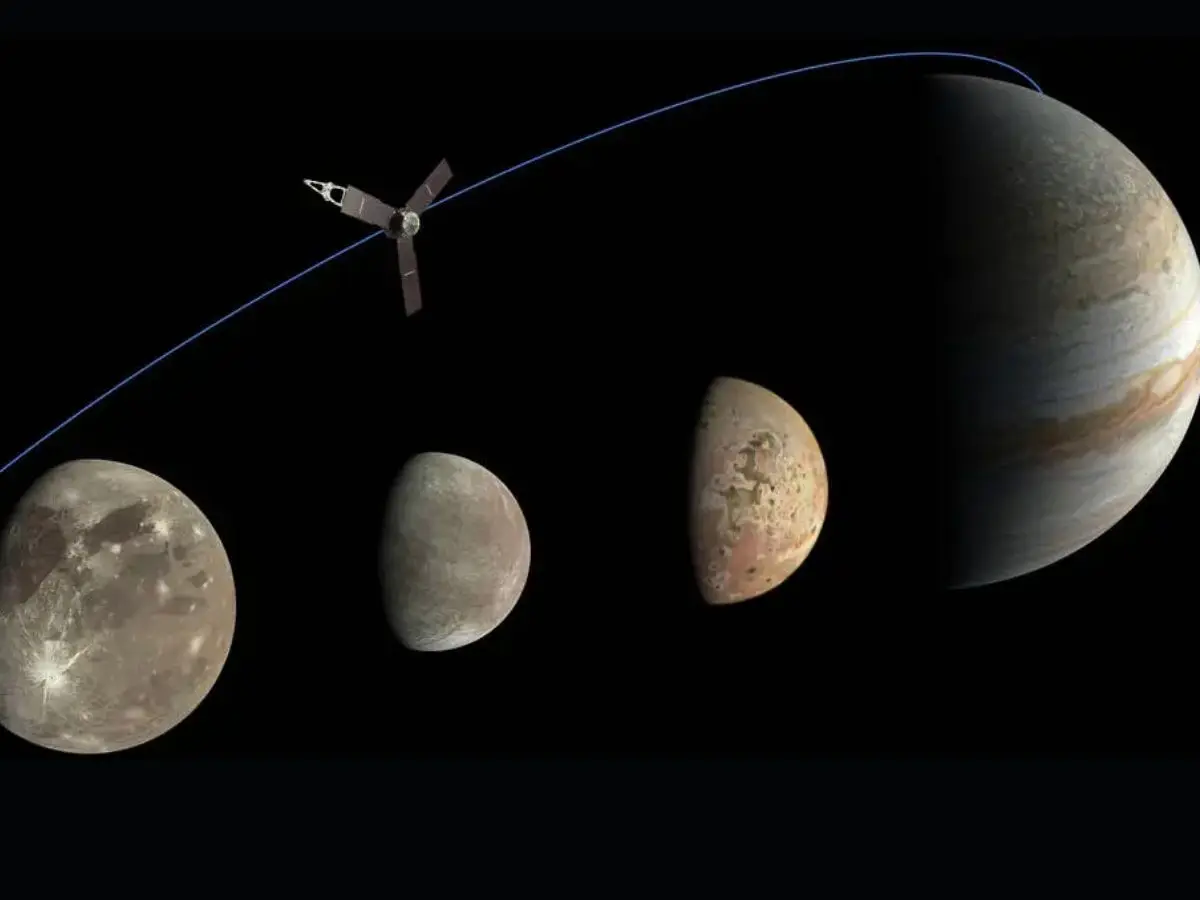
For a planet to be right for humans, it needs the right size, not too hot or cold, and an atmosphere with oxygen and water. Webb and other telescopes check for these signs by breaking down light from the planets and seeing if signatures of water, carbon dioxide or methane are present.
Which candidates come close?
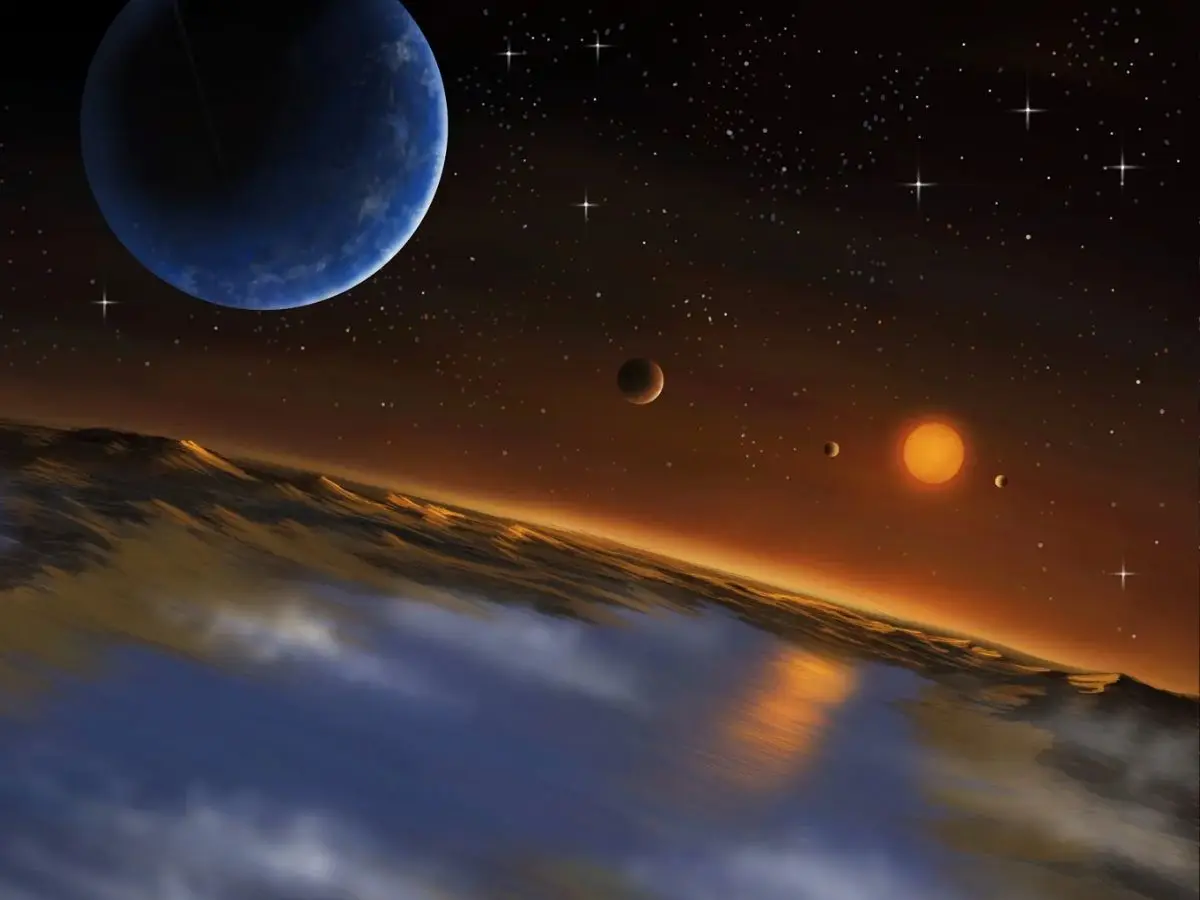
Recent years brought hopeful news. Gliese 12 b, around 40 light-years away, is about Earth-sized and possibly cool enough for water. L 98-59, only 35 light-years from us, now has five temperate planets in the ‘Goldilocks zone’ where life is possible, according to a 2025 study.
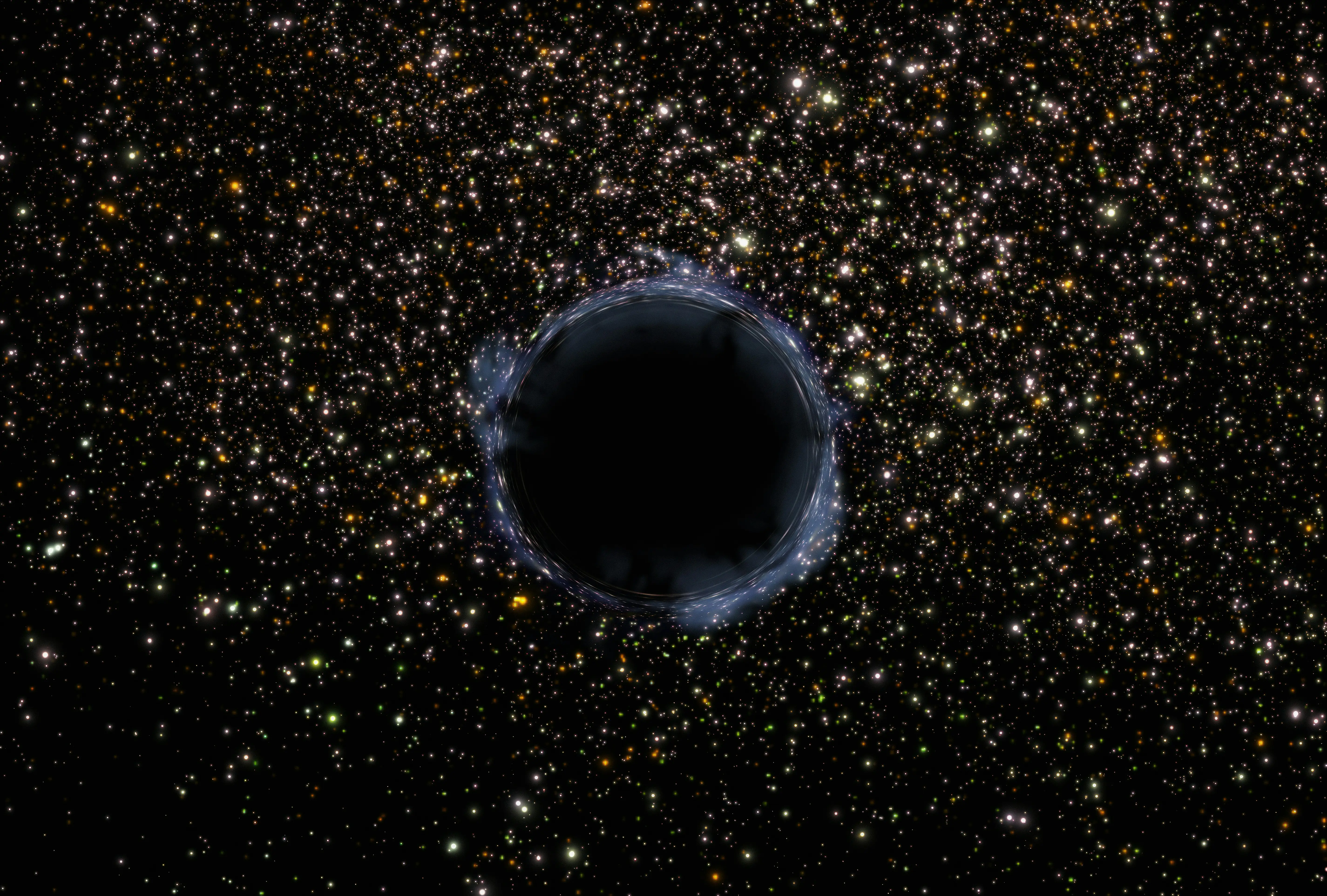
Are any “super-Earths” just next door?
Most of the closest new planets found are bigger than Earth or made of gas, but Webb is still searching. Alpha Centauri’s gas giant discovery proves big planets exist nearby, and if such a world had rocky moons, some theories suggest they could be places for life or even future missions.
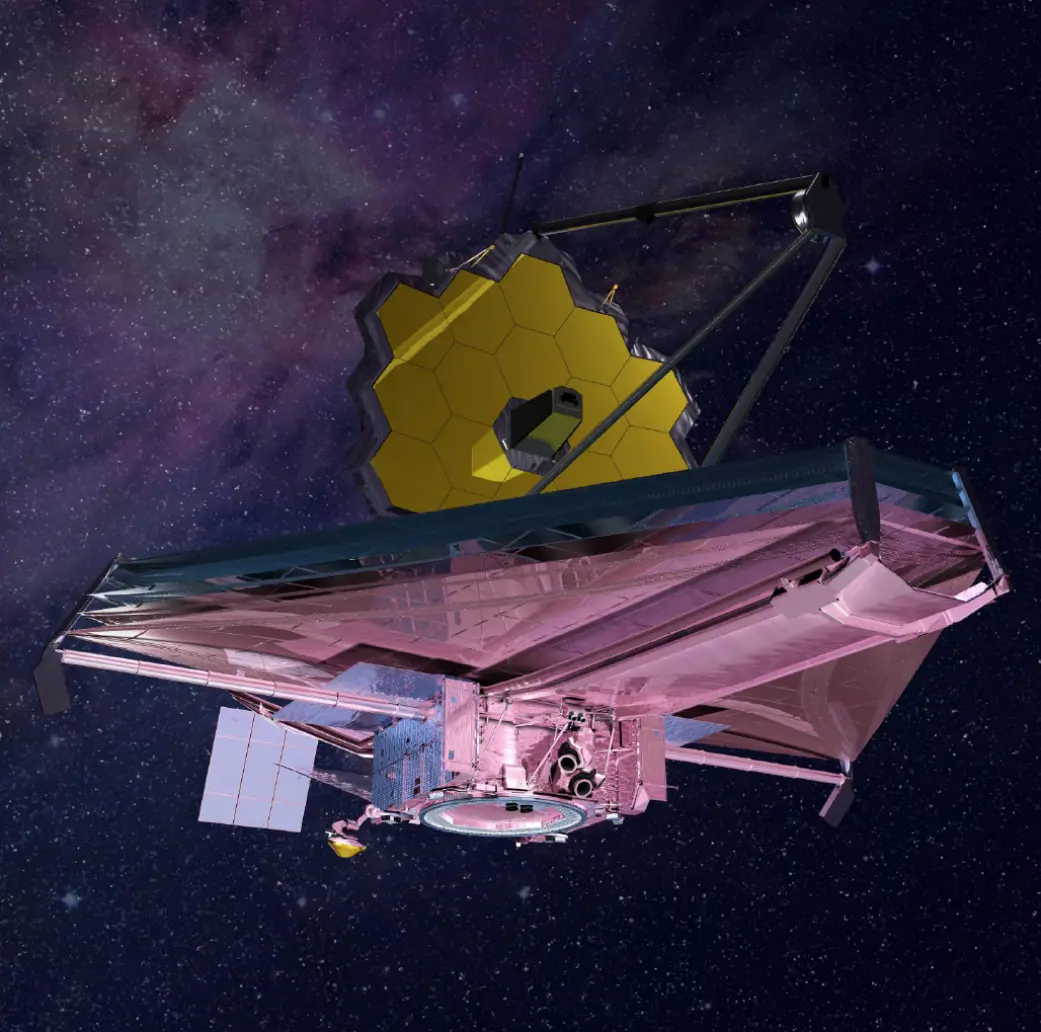
What would it take for humans to go?
Even if Webb found a rocky planet close to Earth, it would need the right atmosphere, mild temperatures, and liquid water. If all those matched, future explorers could dream of building a new outpost though right now, travel technology is far behind the discoveries.
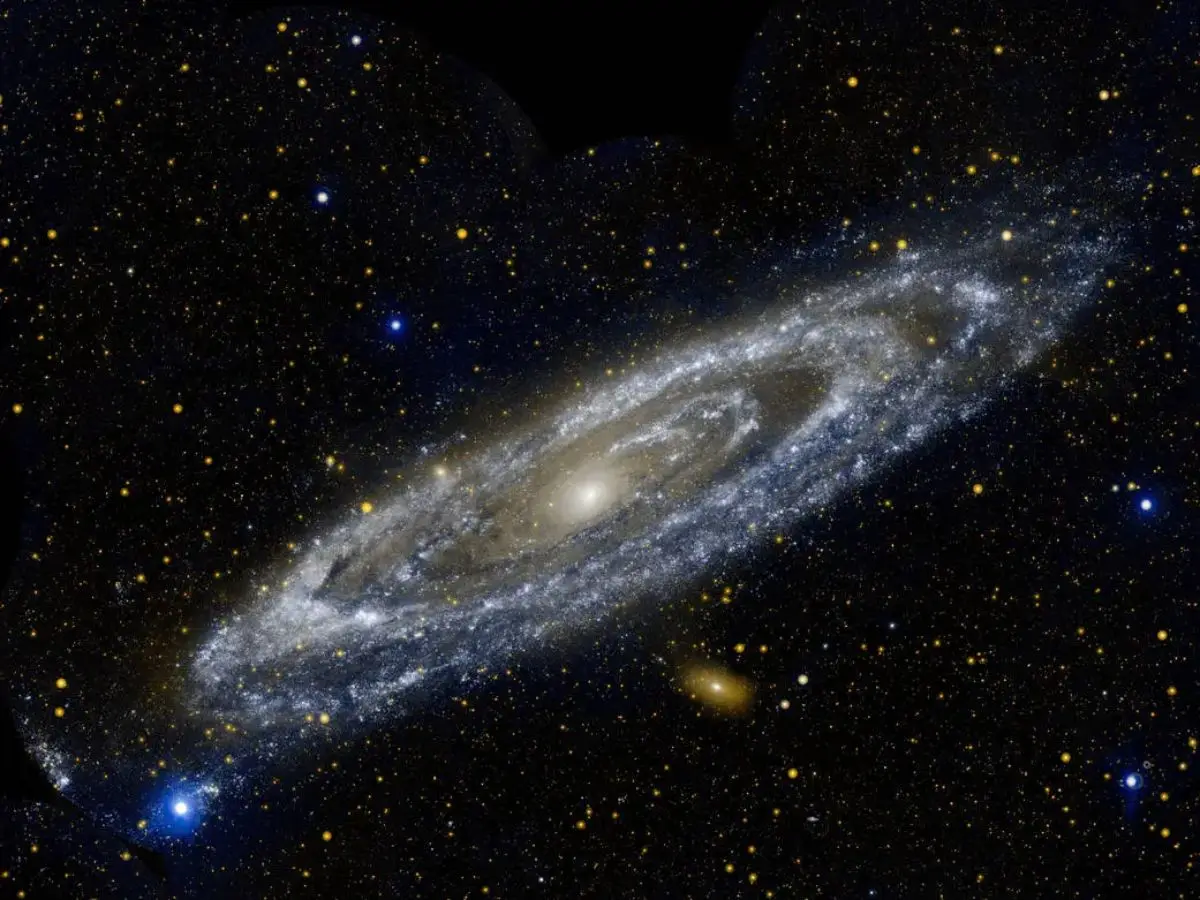
The Universe
Webb’s findings keep hope alive. A planet with the right size and air, closer than ever before, would change everything about our place in the universe. While the first true “second Earth” may still be out of reach, the search brings us closer each year.
)
)
)
)
)