What if NASA allows ChatGPT to control 'Voyager' 1 and 2 in deep space?

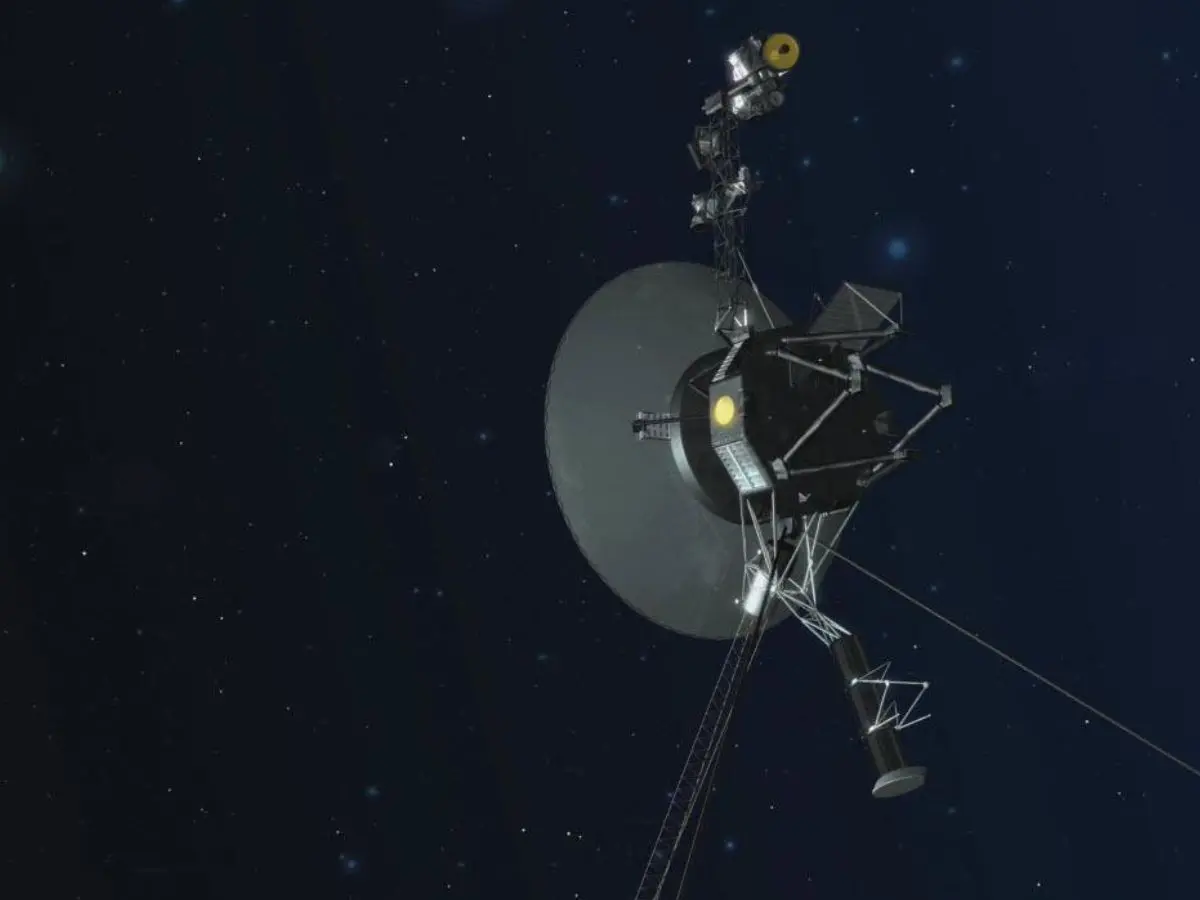
Voyager 1 and 2 are now billions of kilometres from Earth, silently moving through interstellar space. But imagine a scenario where an advanced AI like ChatGPT could take control of them indefinitely. What could this mean for the spacecraft, science, and the universe?
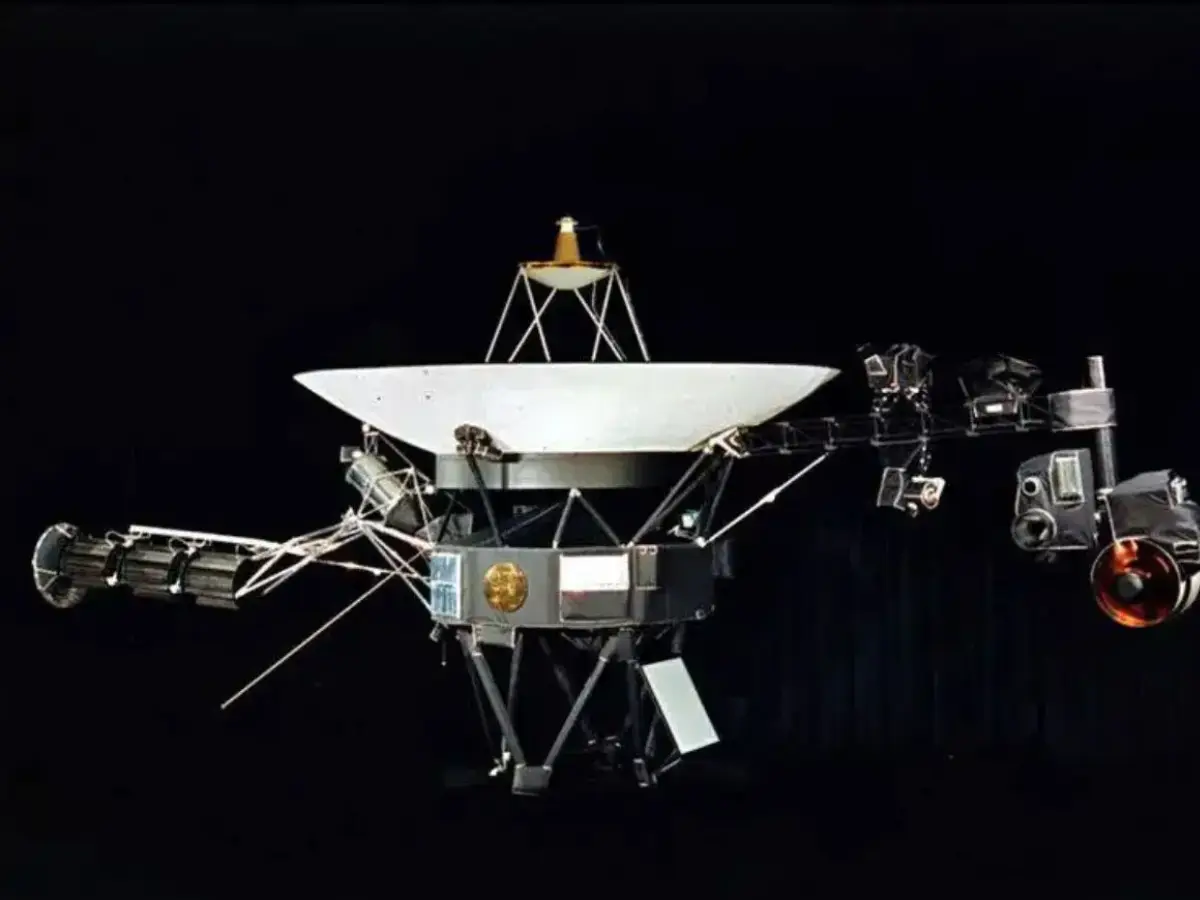
Optimised Data Transmission
ChatGPT could manage Voyager’s instruments to maximise the value of transmitted data, selecting the most interesting cosmic phenomena to send back to Earth, even in scenarios where humans are long gone.
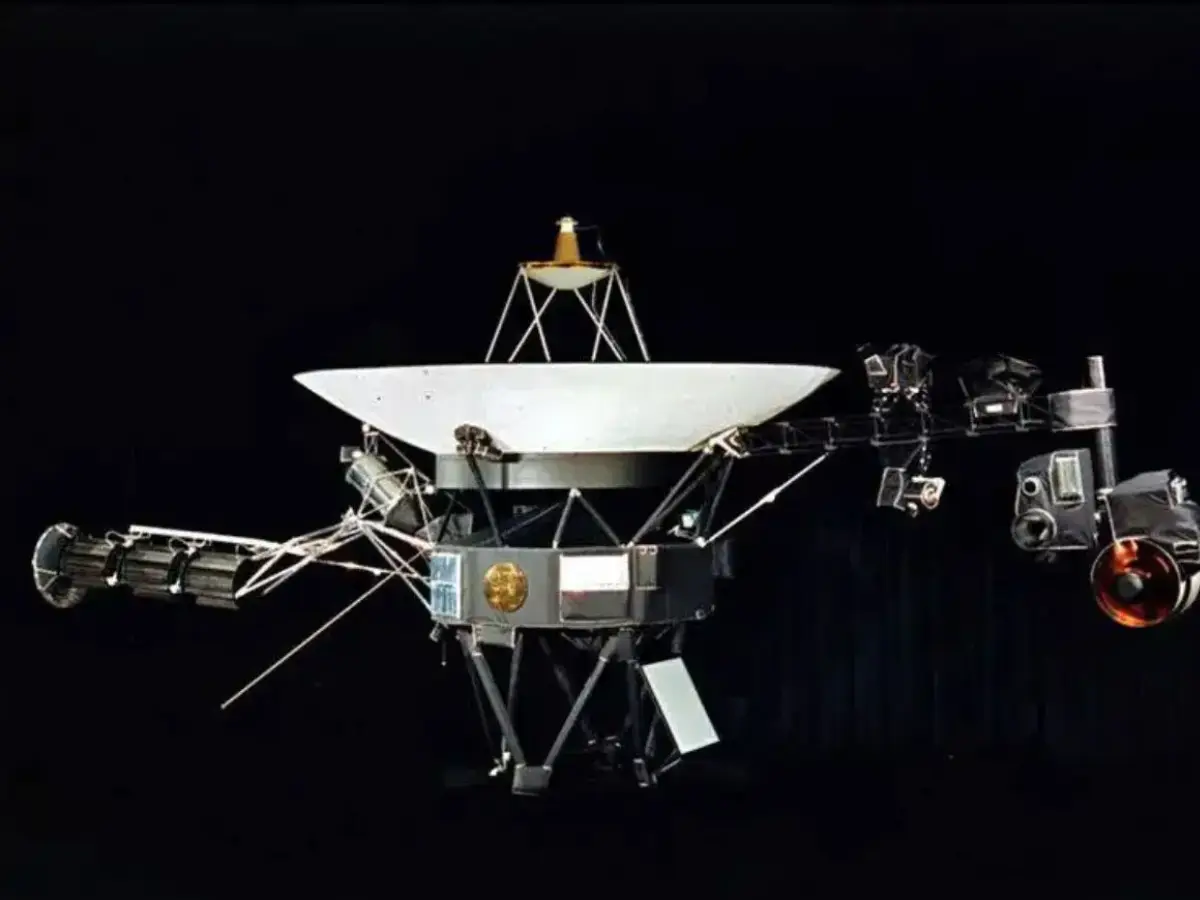
Autonomous Decision-Making
Instead of following pre-programmed routines, the probes could make real-time decisions, for example adjusting trajectories to avoid hazards, prioritising interstellar dust measurements, or optimising power usage.
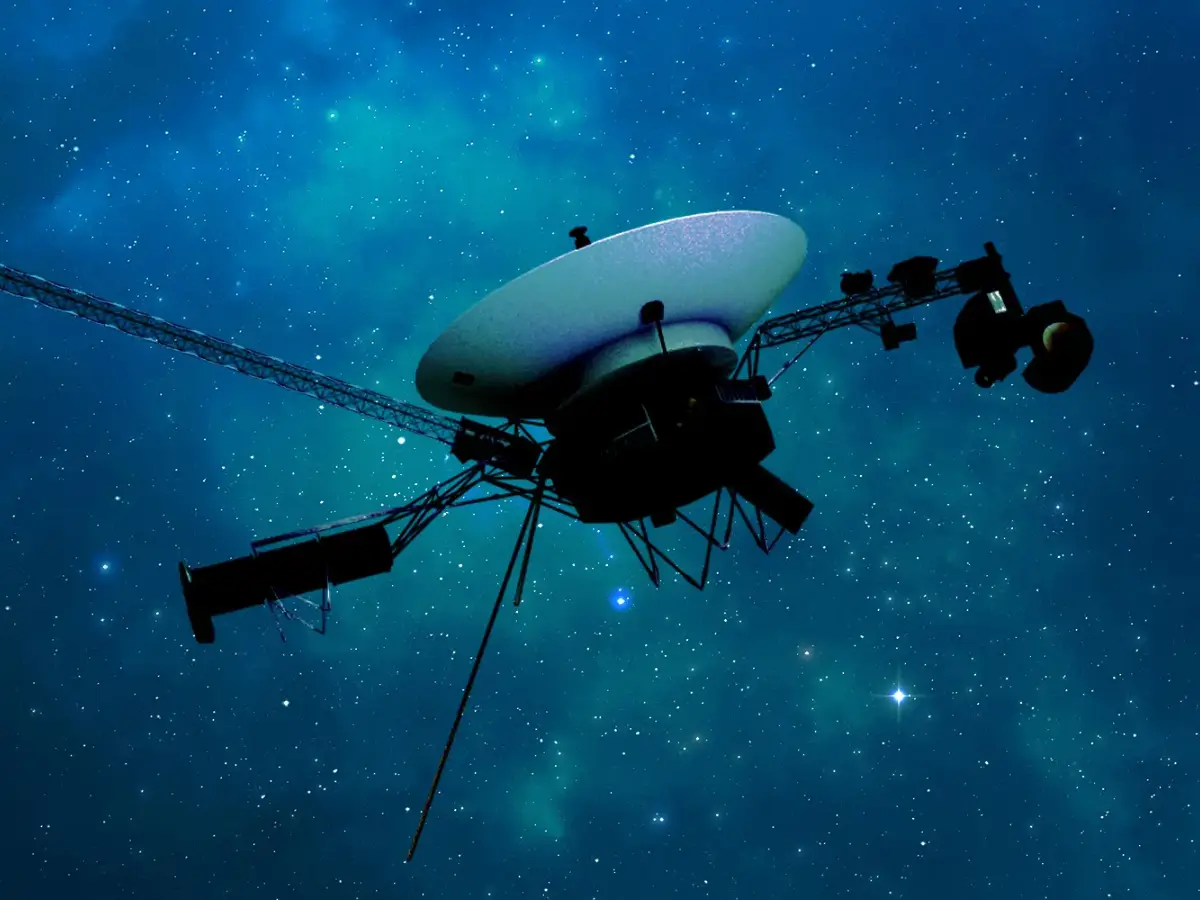
Creative Scientific Experiments
An AI could design new experiments on-the-fly, such as reconfiguring sensors to study cosmic rays, interstellar plasma, or magnetic fields in ways humans never imagined.
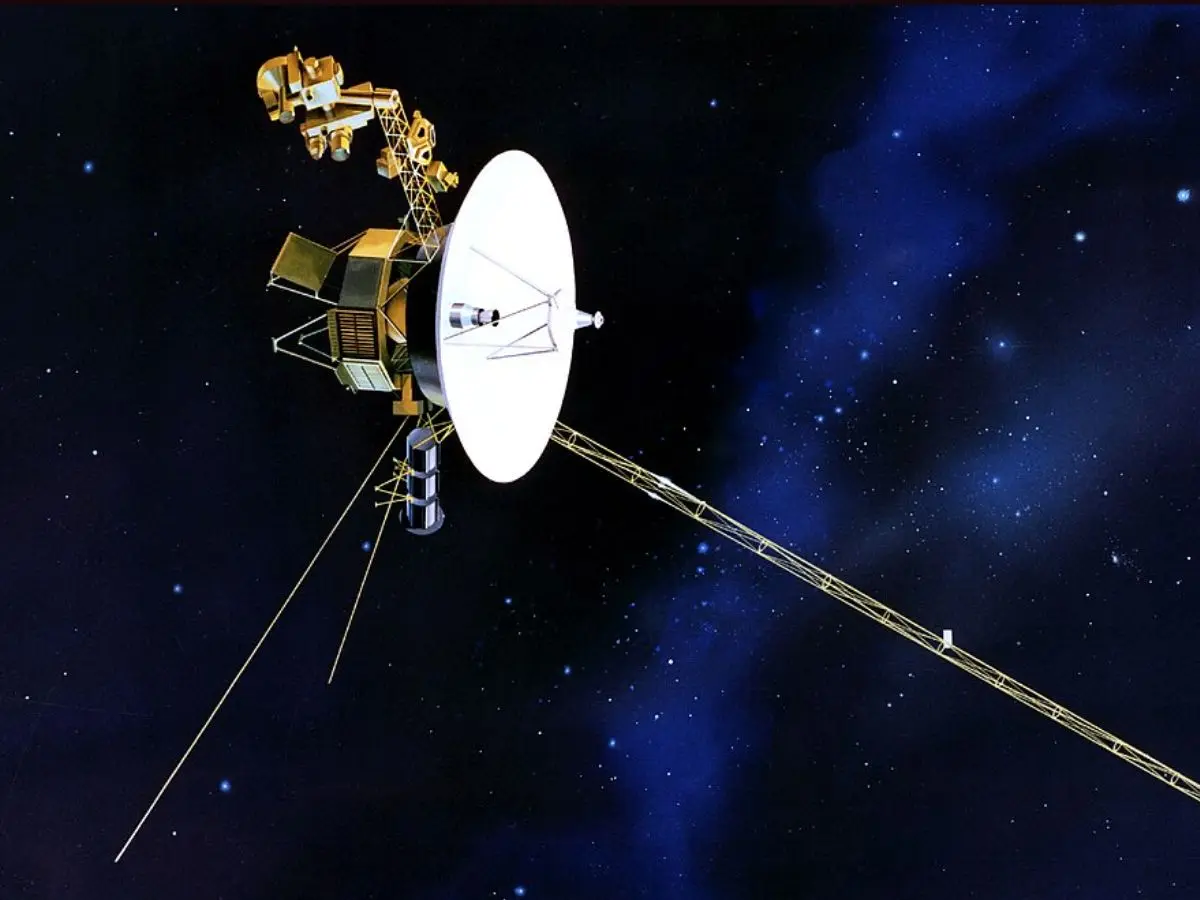
Communication with Future Civilisations
If Voyager encounters advanced civilisations millennia from now, ChatGPT could attempt to communicate using stored knowledge, potentially creating the first interstellar AI dialogue.
Preserving Human Knowledge
The probes could continuously update and manage their Golden Records, adding new cultural, scientific, or linguistic information sent from Earth, effectively becoming autonomous ambassadors of humanity.
Endless Learning in Space
ChatGPT could analyse incoming cosmic data and refine its own responses or experiment strategies, turning Voyager into a self-learning interstellar laboratory.
Ethical and Practical Challenges
Allowing an AI to control spacecraft indefinitely raises questions about safety, resource management, and the limits of autonomy. Misjudged decisions could risk power depletion or damage to instruments, but would also offer unparalleled scientific opportunities.
)
)
)
)
)