What if Jupiter vanished? Here’s why Earth depends on its giant guardian..

Without Jupiter, planetary dynamics could become more chaotic over immense timescales, increasing the risk of destabilised orbits.
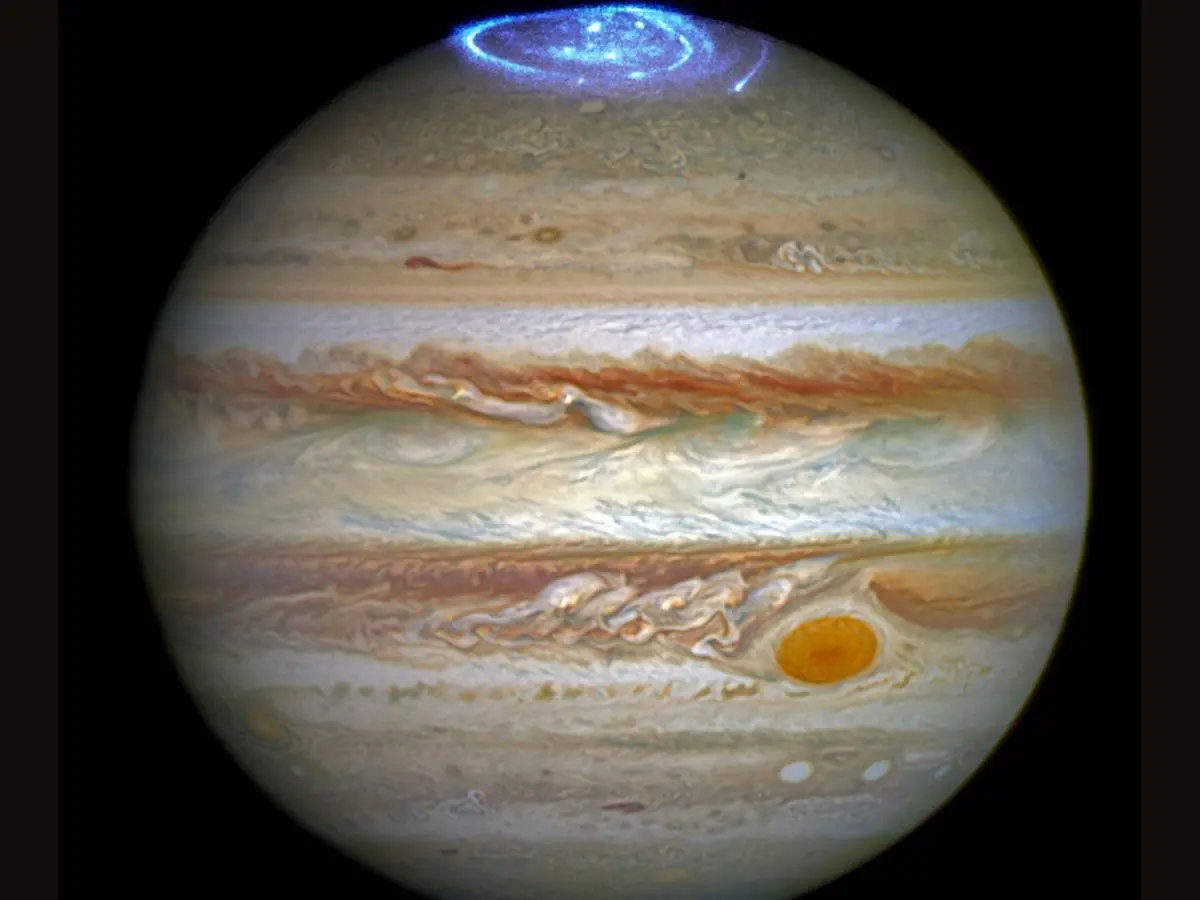
A Giant With Invisible Influence
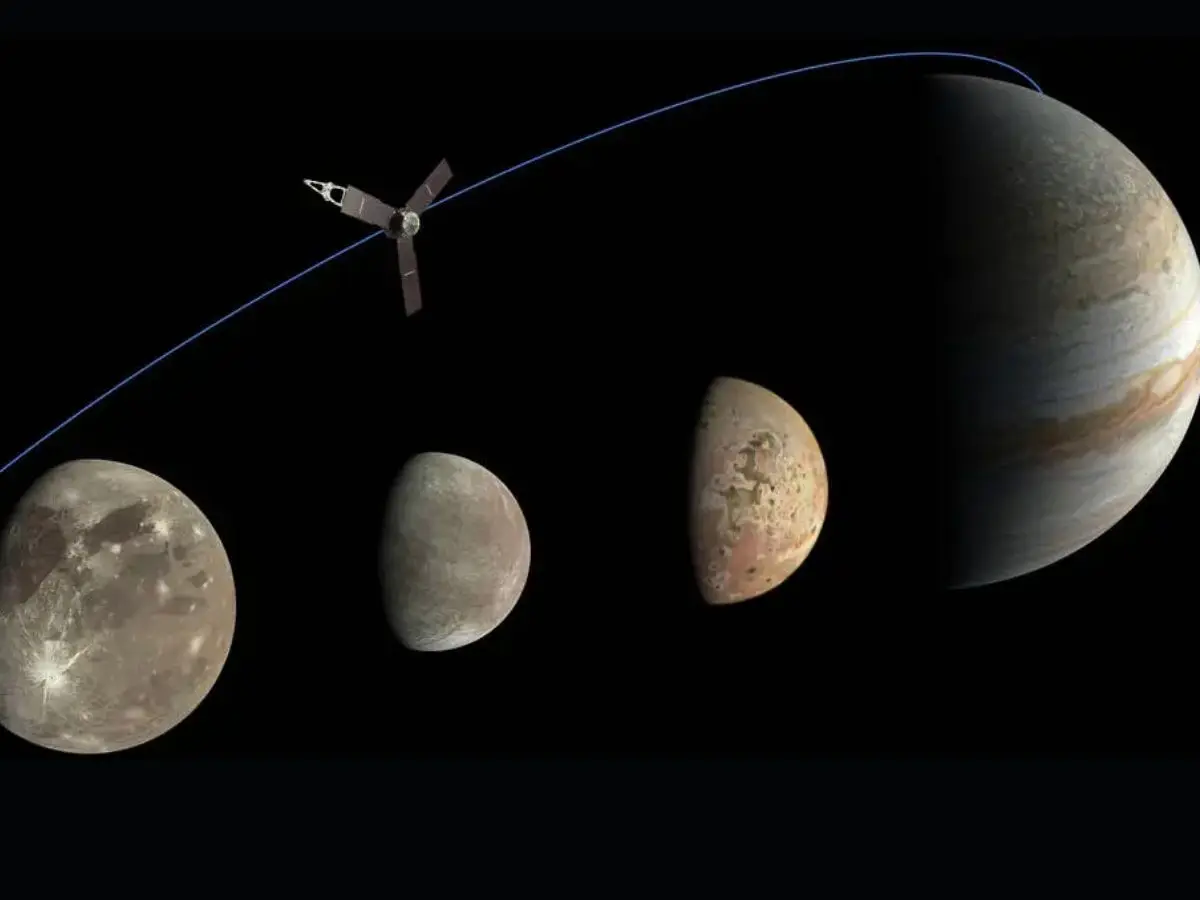
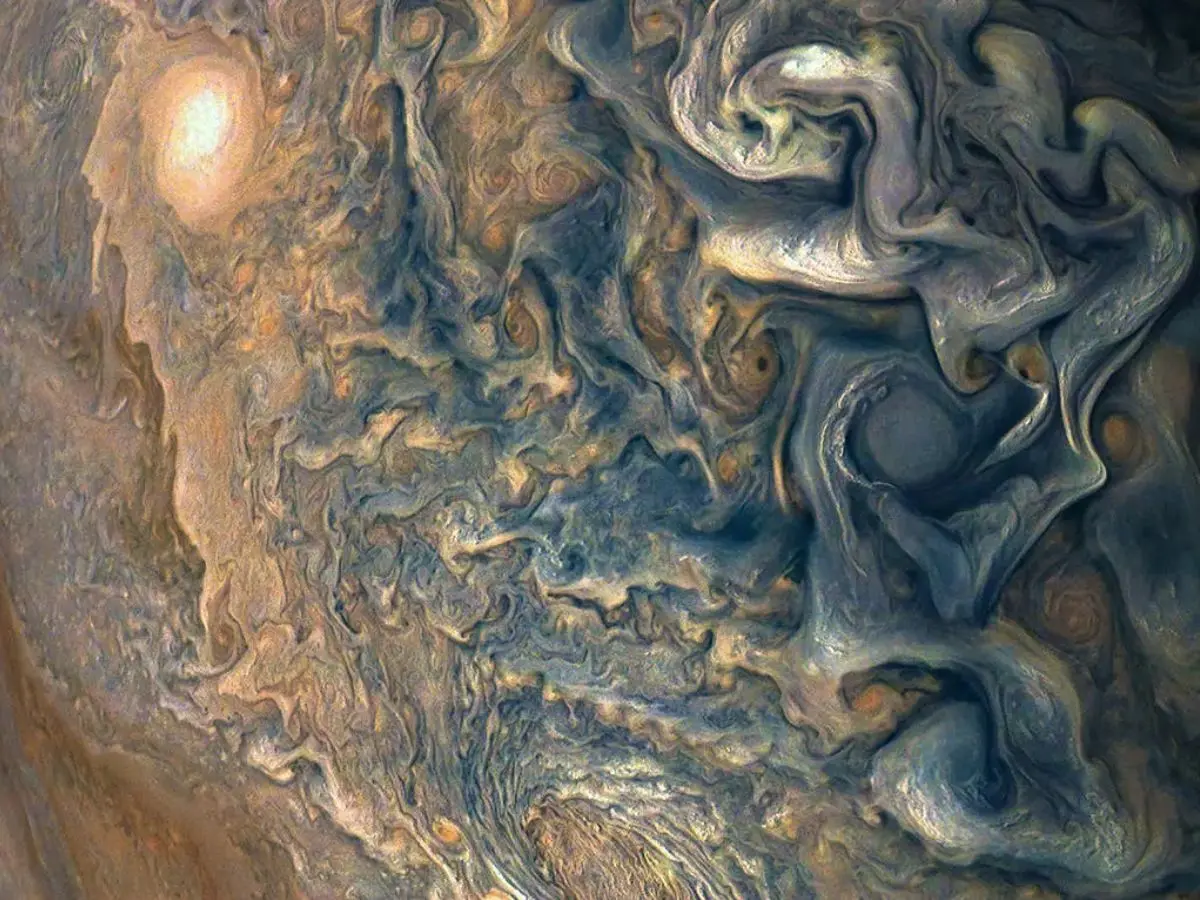
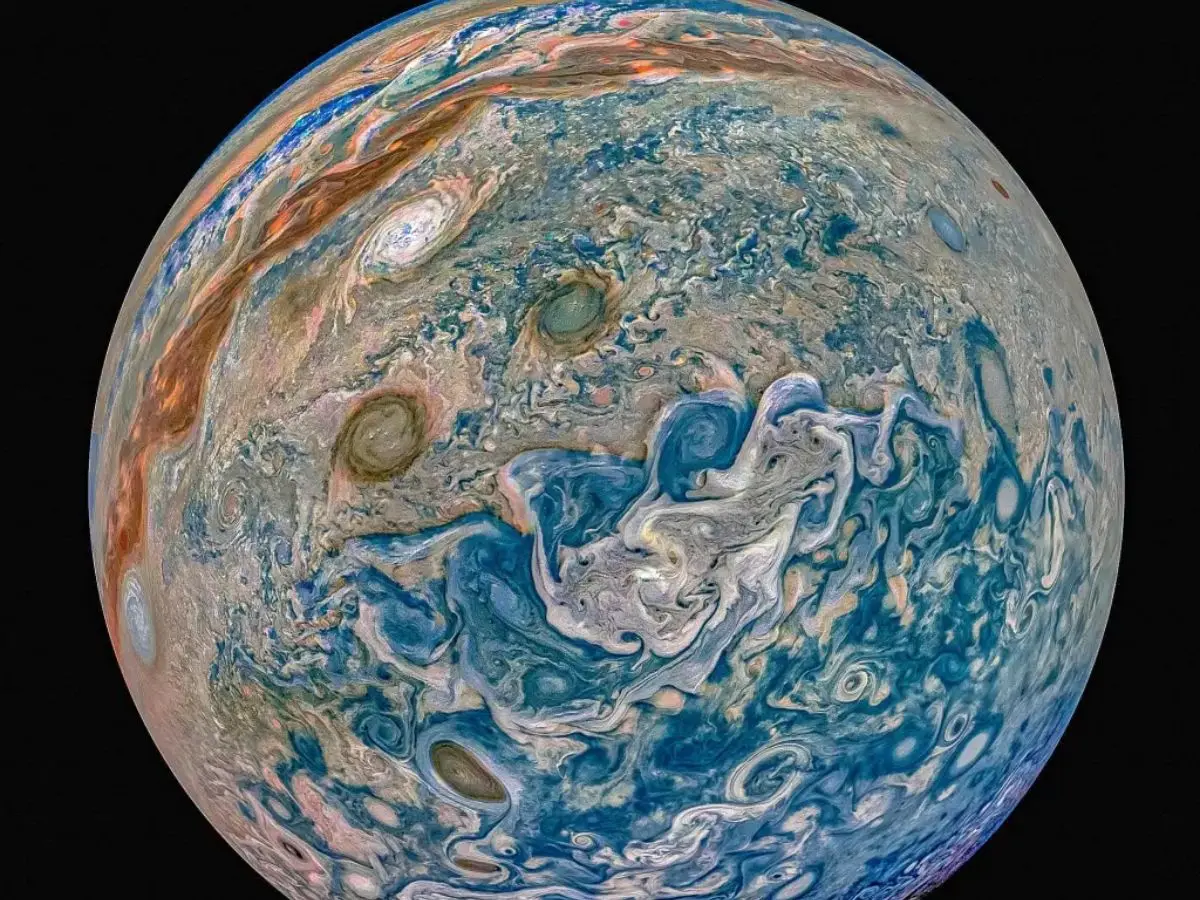
Jupiter, the largest planet in our Solar System, is more than just a colossal ball of gas. With a mass 318 times that of Earth, its gravitational influence shapes planetary orbits, steers comets and asteroids, and maintains the delicate balance of the Solar System. If Jupiter suddenly vanished, the consequences would ripple far beyond its orbit.
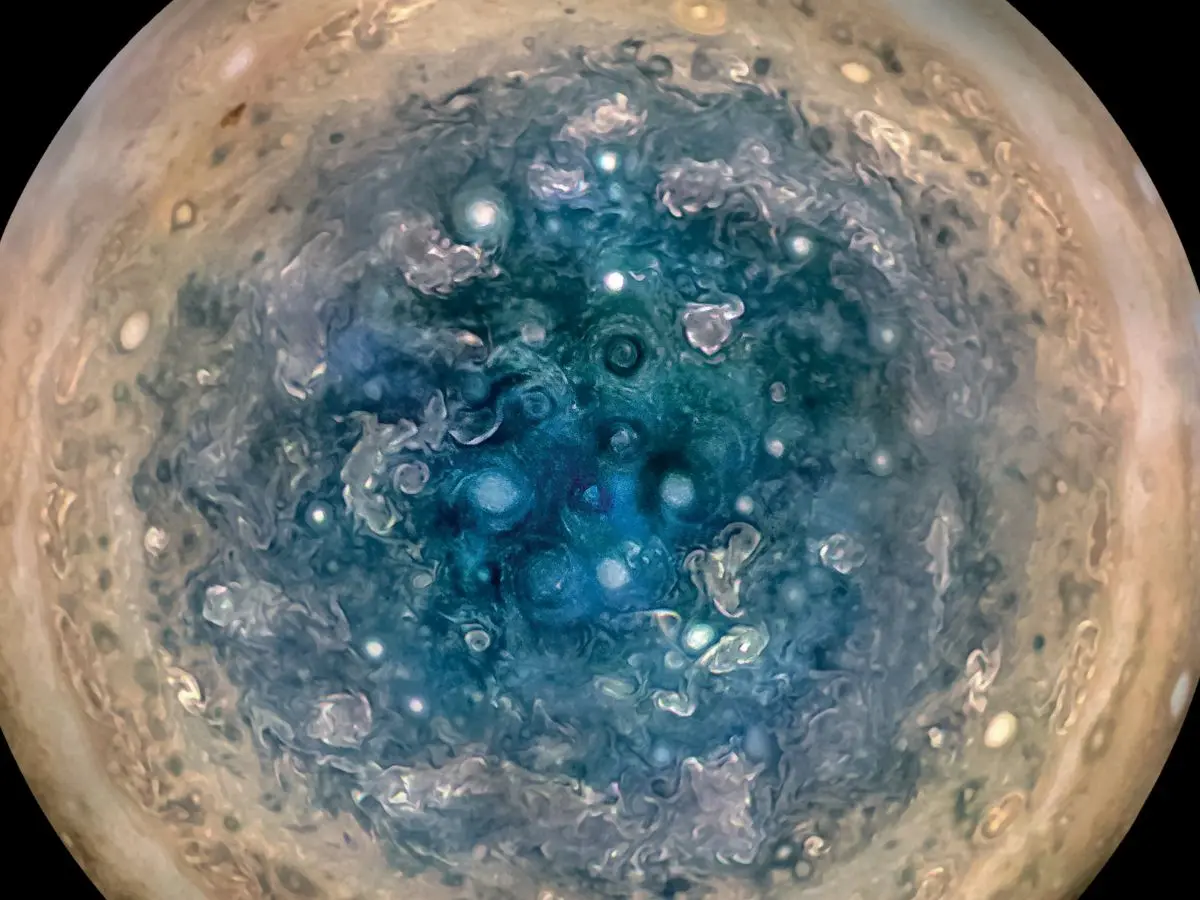
The Architecture of Orbits
Jupiter’s gravity acts as a stabiliser for the Solar System. It helps keep the inner planets, including Earth, on relatively stable paths by exerting a counterbalancing pull on their orbits. Without Jupiter, planetary dynamics could become more chaotic over immense timescales, increasing the risk of destabilised orbits.
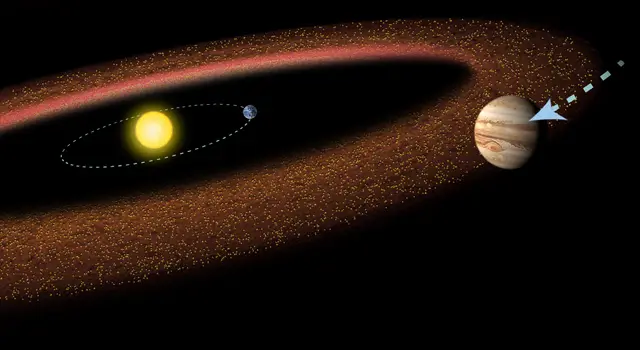
The Asteroid Shield
Perhaps Jupiter’s most vital role is its gravitational interaction with asteroids and comets. Many scientists regard it as Earth’s cosmic shield. Jupiter deflects or captures countless incoming objects that might otherwise collide with the inner planets. If the planet were absent, the number of potentially hazardous impacts on Earth would increase significantly, raising the long-term risk of catastrophic events.
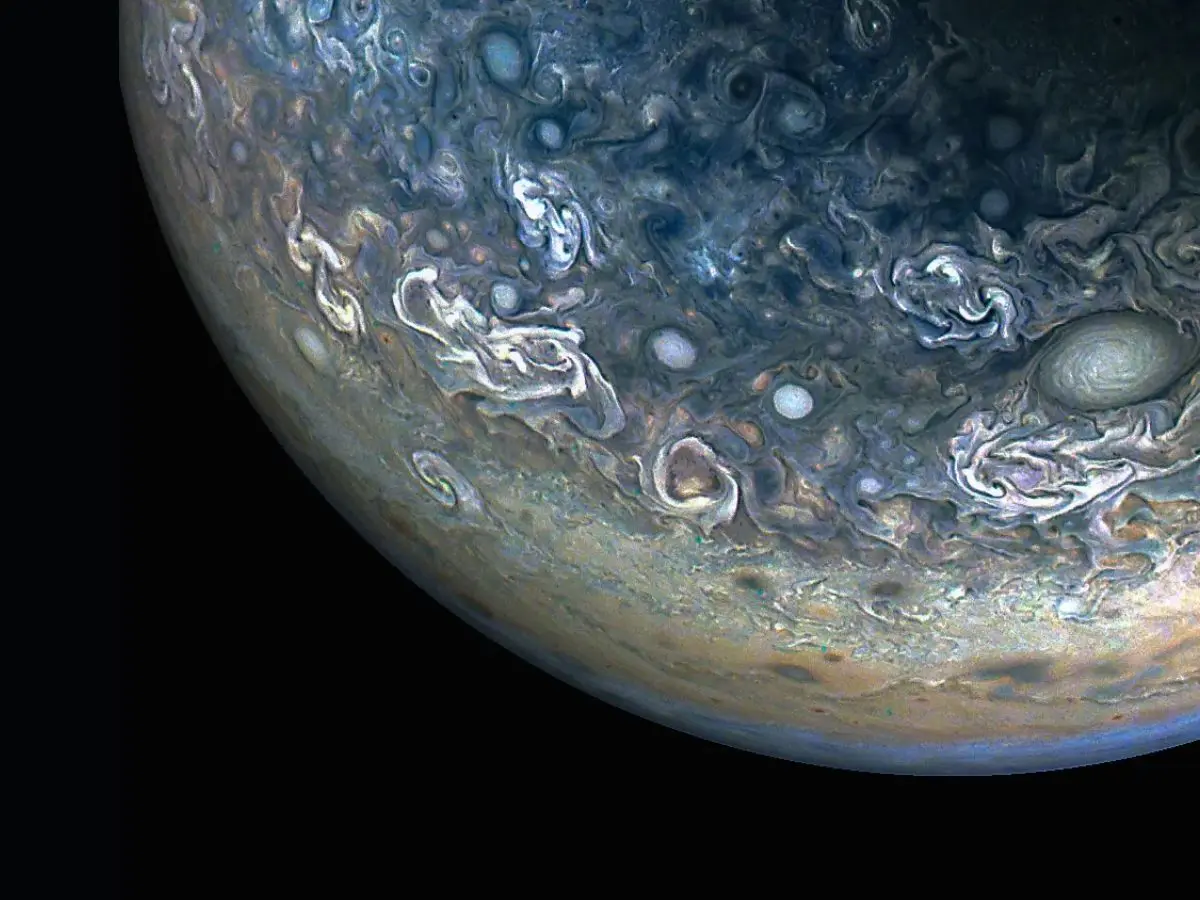
The Kuiper Belt and Beyond
Jupiter’s presence also affects the distant Kuiper Belt and Oort Cloud, vast regions filled with icy bodies. Its gravitational tug helps to limit the inward migration of comets. Without Jupiter, the balance in these regions would shift, likely sending more icy visitors into the inner Solar System.
Planetary Migration and Formation
Looking backwards, Jupiter may have been critical in Earth’s very existence. Models of Solar System formation suggest the gas giant influenced the distribution of material in the protoplanetary disk. Its gravity could have prevented the Earth from becoming a dry, airless world by steering icy bodies towards the inner planets, delivering water in the early epochs of planet formation.
A Solar System Without Its Giant
If Jupiter disappeared tomorrow, the change would not be immediately catastrophic. The planets would continue in their orbits for a time. But across millions of years, the combined effects, destabilised orbits, increased asteroid strikes, and altered comet flowsw, ould reshape the Solar System’s destiny. Earth, once shielded by its guardian giant, would face a harsher and more uncertain cosmic environment.
Why Jupiter Matters
Jupiter is more than a distant gas giant. It is an architect of order, a regulator of threats, and perhaps even a silent contributor to Earth’s ability to harbour life. Its disappearance would not erase us overnight, but over cosmic time, it could spell the difference between relative safety and existential vulnerability.
)
)
)
)
)