What if Iran blocks the Strait of Hormuz? Understanding its impact on global markets

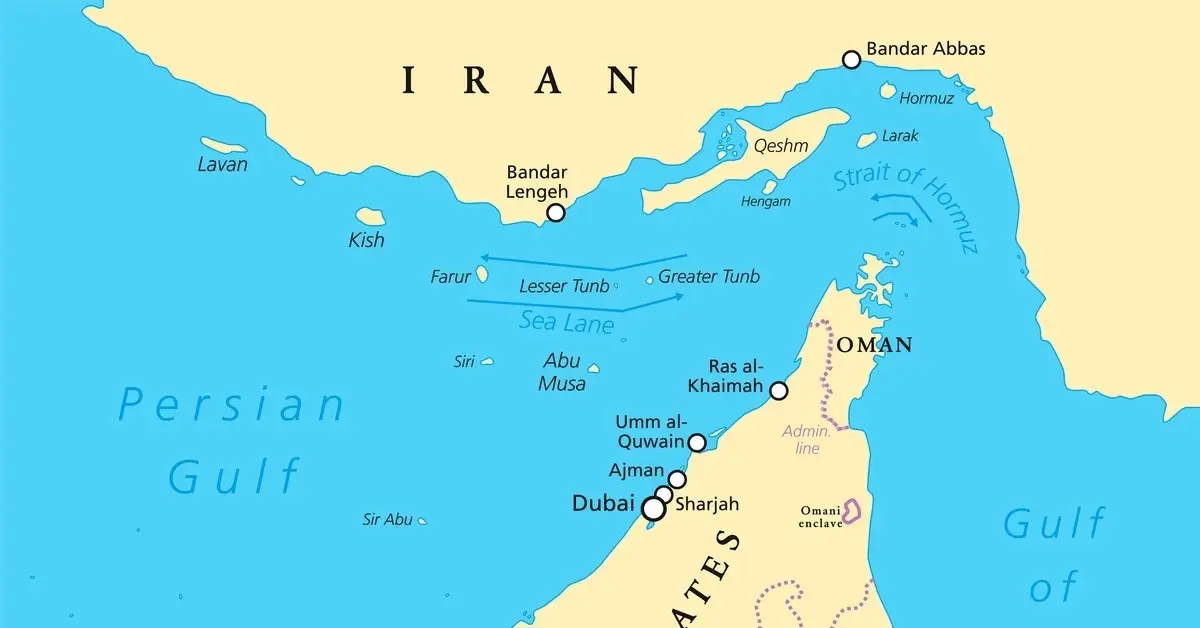
The Strait of Hormuz is the world’s most critical oil chokepoint, connecting the Persian Gulf to the open ocean. If Iran were to block this narrow 21-mile waterway, it would trap nearly 20 per cent of the world's daily oil supply.
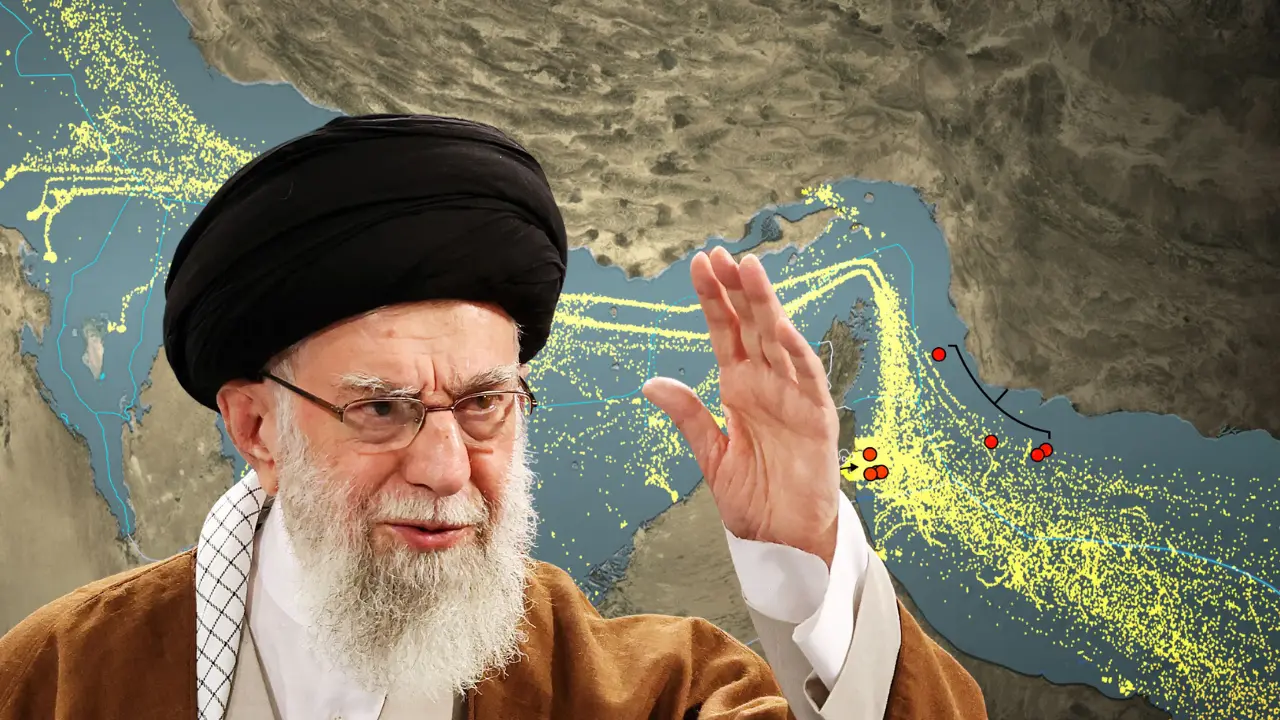
A chokehold on global supply: 21 million barrels trapped daily
Blocking the strait would stop approximately 21 million barrels of oil per day from leaving the Persian Gulf. According to the US Energy Information Administration (EIA), this accounts for about 20 per cent of total global liquid petroleum consumption, a loss the market cannot replace.
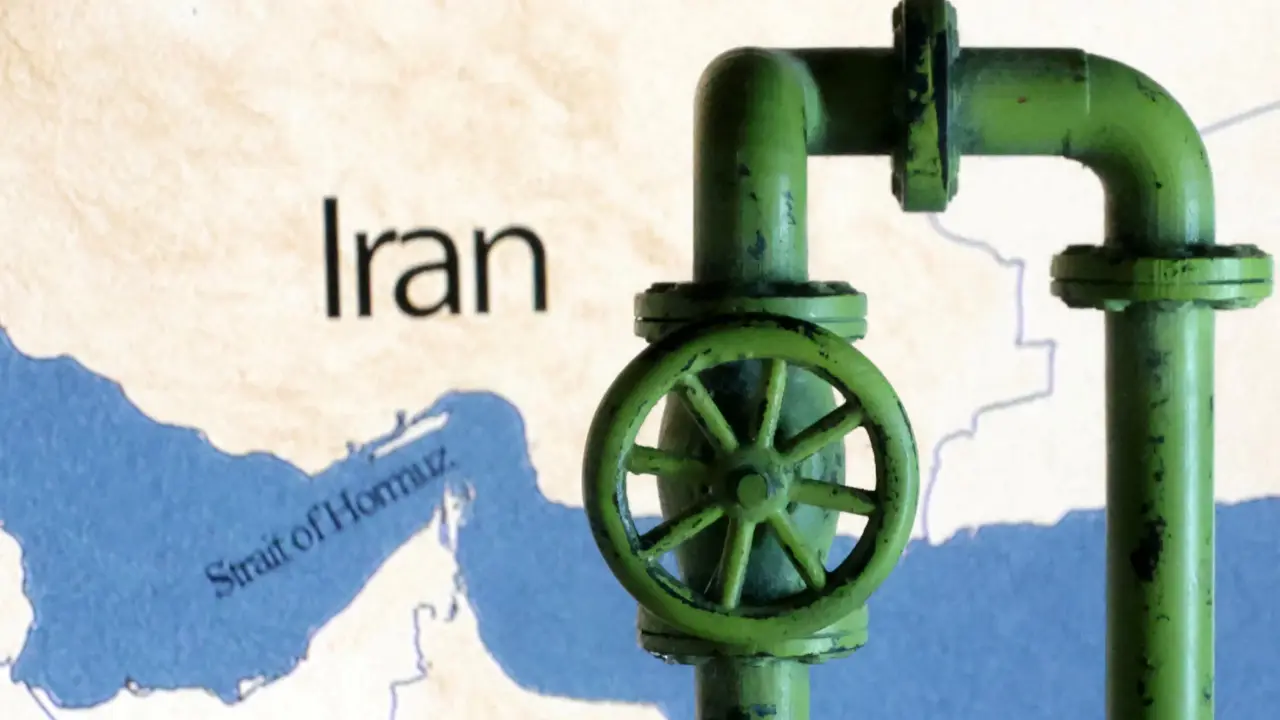
Oil prices could skyrocket Surging past $150 per barrel
Energy analysts warn that a full blockade could cause oil prices to double instantly. Goldman Sachs and other financial institutions estimate that prices could easily breach $150 or even $200 per barrel, driving up inflation and fuel costs worldwide within days.
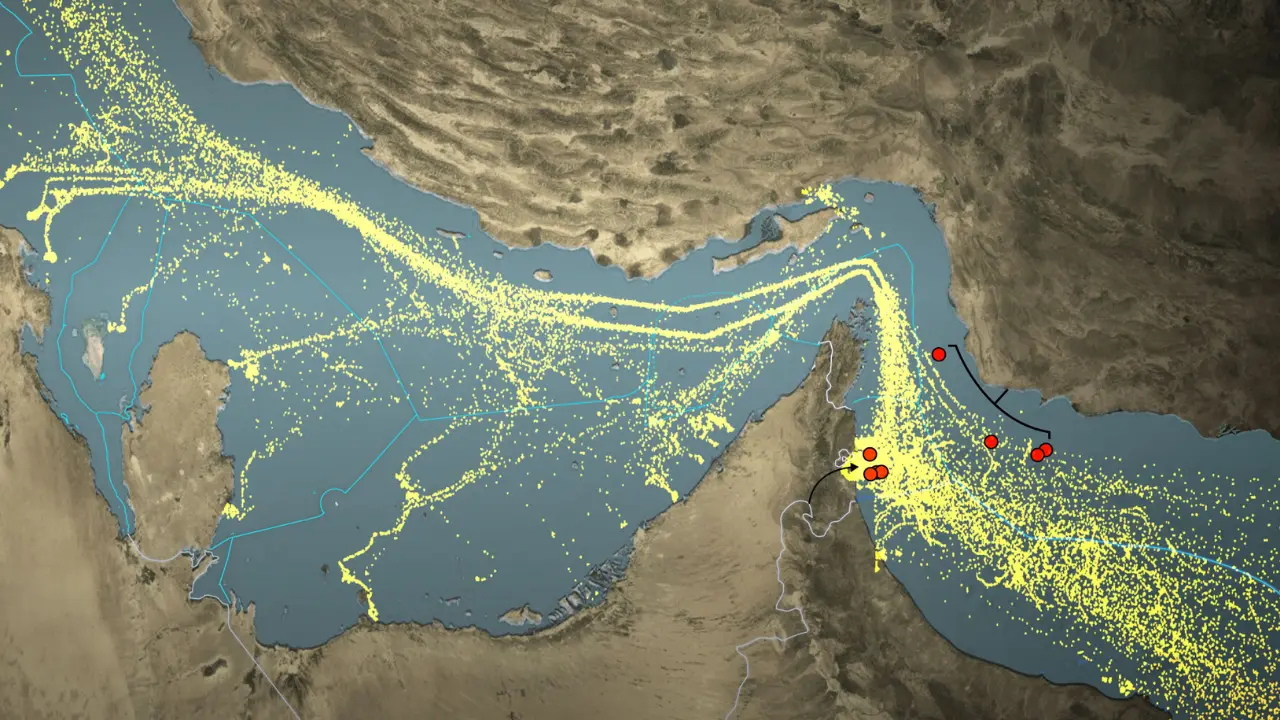
Asia most vulnerable
Asian economies would suffer the most, as they buy roughly 80 per cent of the oil moving through the strait. China, India, Japan, and South Korea rely heavily on these imports, meaning a blockade would threaten their energy security and industrial output almost immediately.
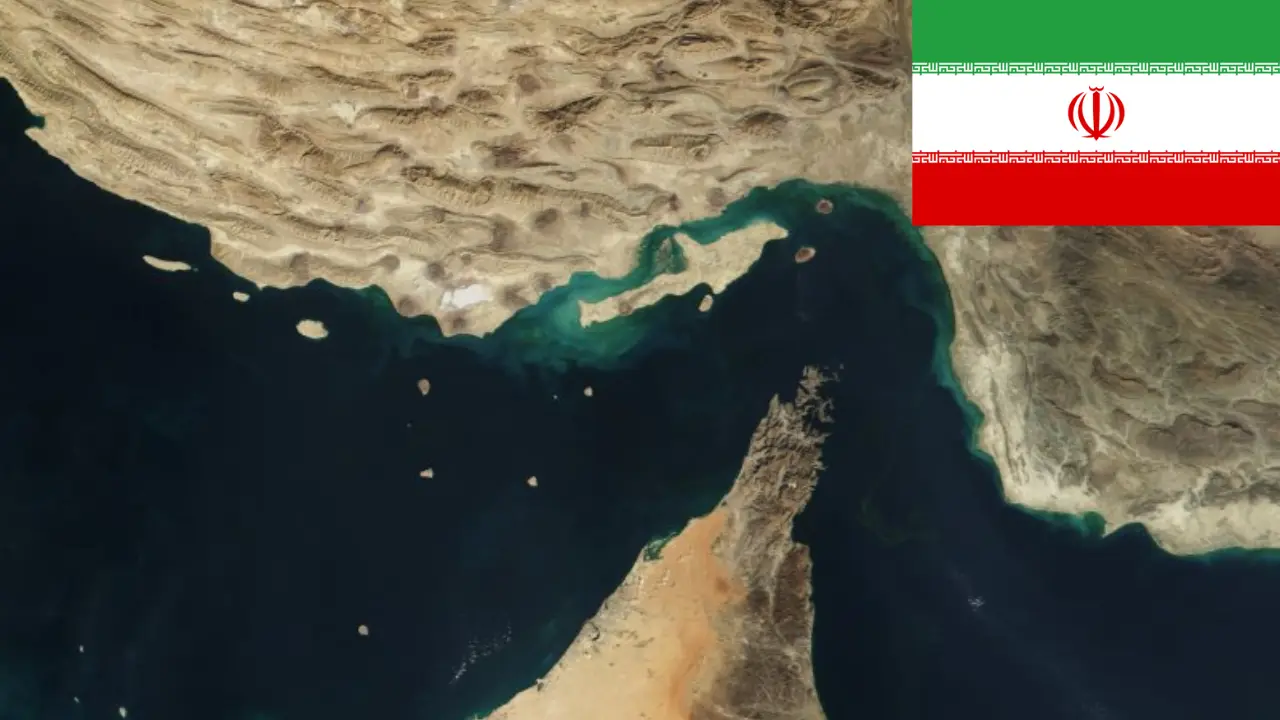
The LNG crisis: Qatar’s gas exports cut off
It is not just oil; the Strait is also the only route for Qatar’s massive Liquefied Natural Gas (LNG) exports. Blocking it would cut off about 20 per cent of the global LNG trade, creating severe heating and power shortages in Europe and Asia.
Bypass routes have limited capacity
While Saudi Arabia and the UAE have pipelines to bypass the strait, they can only carry a fraction of the total volume. Reuters reports that these pipelines have a spare capacity of roughly 3 to 4 million barrels per day, far short of the 21 million needed to avert a crisis.
Military intervention
Any attempt to close the strait would likely trigger an immediate military response. The US Navy’s 5th Fleet, based in Bahrain, is tasked with keeping shipping lanes open, meaning a blockade would almost certainly lead to direct naval conflict between Iran and international forces.

Global economic recession
A prolonged closure would do more than just raise gas prices; it could trigger a global recession. Higher energy costs would make shipping and manufacturing too expensive, stalling international trade and potentially wiping trillions of dollars off the global economy.
Raise in prices
A prolonged closure would do more than just raise gas prices; it could trigger a global recession. Higher energy costs would make shipping and manufacturing too expensive, stalling international trade and potentially wiping trillions of dollars off the global economy.
)
)
)
)
)