What if India’s Tejas had F-35’s engine?

More thrust means higher speed, longer range, and bigger payloads. In theory, Tejas could even attempt supercruise (supersonic flight without afterburner).
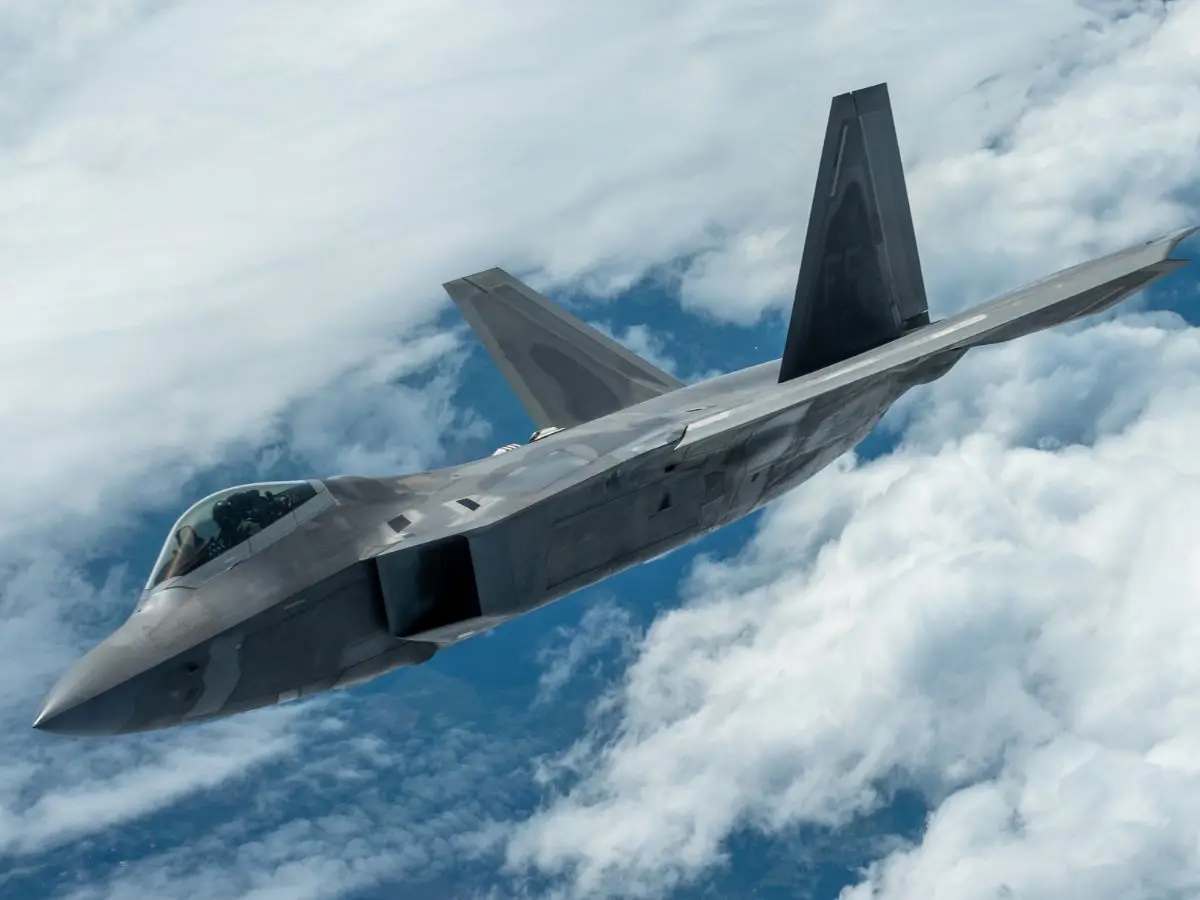
The Hypothetical
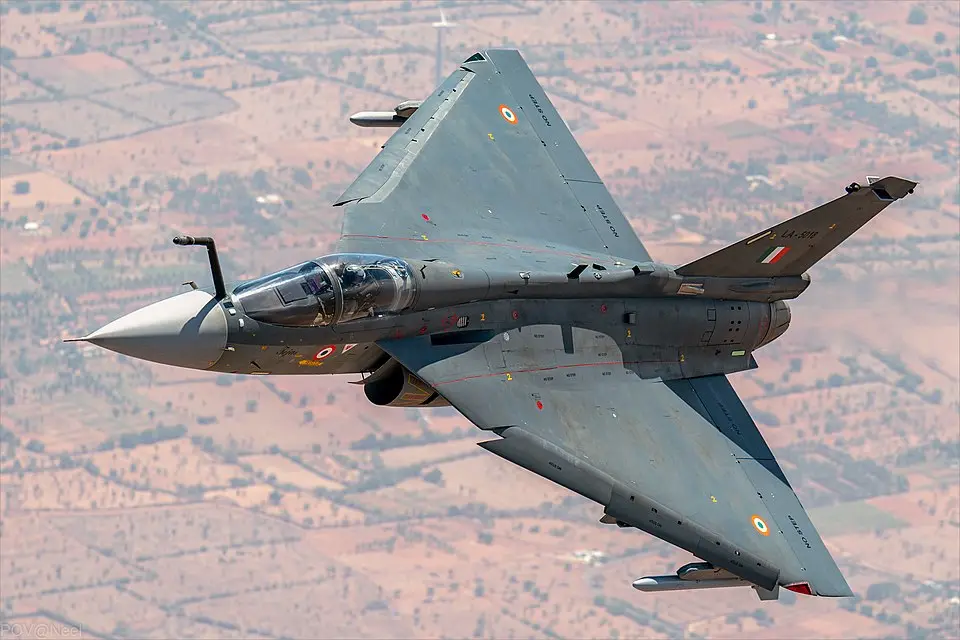
India’s Tejas light fighter is powered by the GE F404. But what if it had the same engine as America’s F-35 stealth fighter?
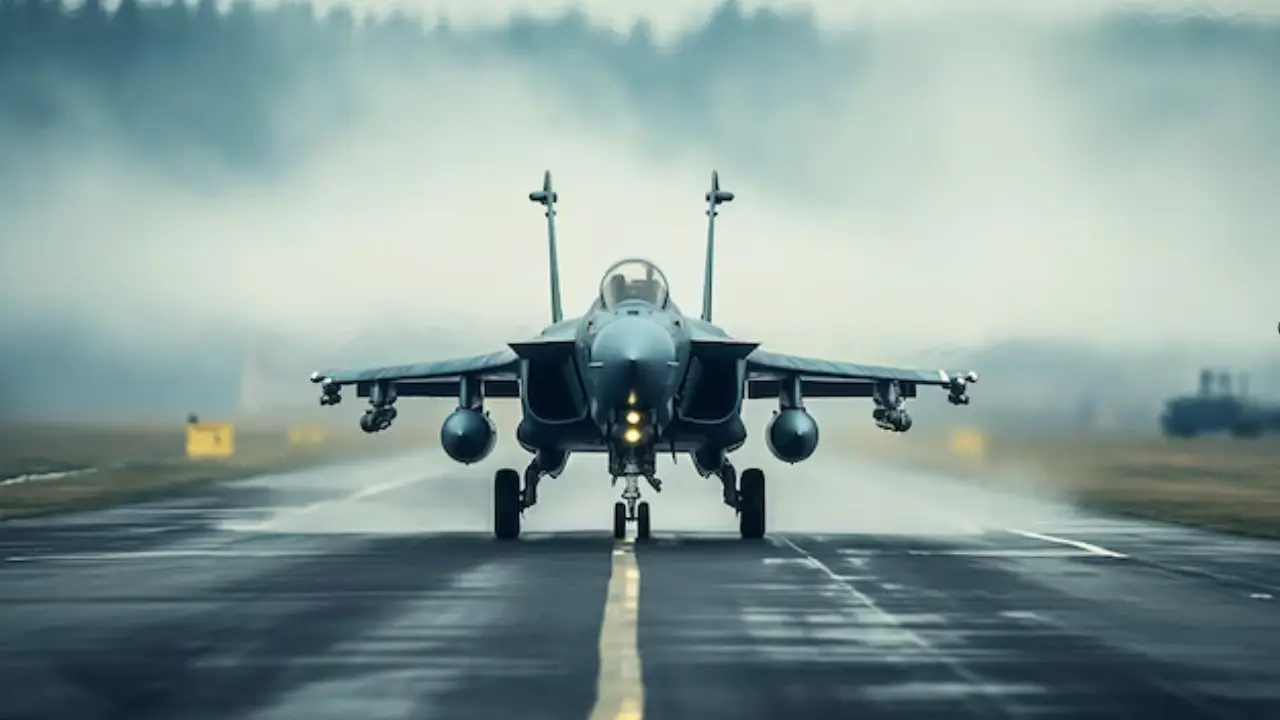
Tejas Today
The Tejas Mk1 runs on the GE F404-IN20, producing about 85 kN thrust. It keeps the jet agile but within the light fighter category.
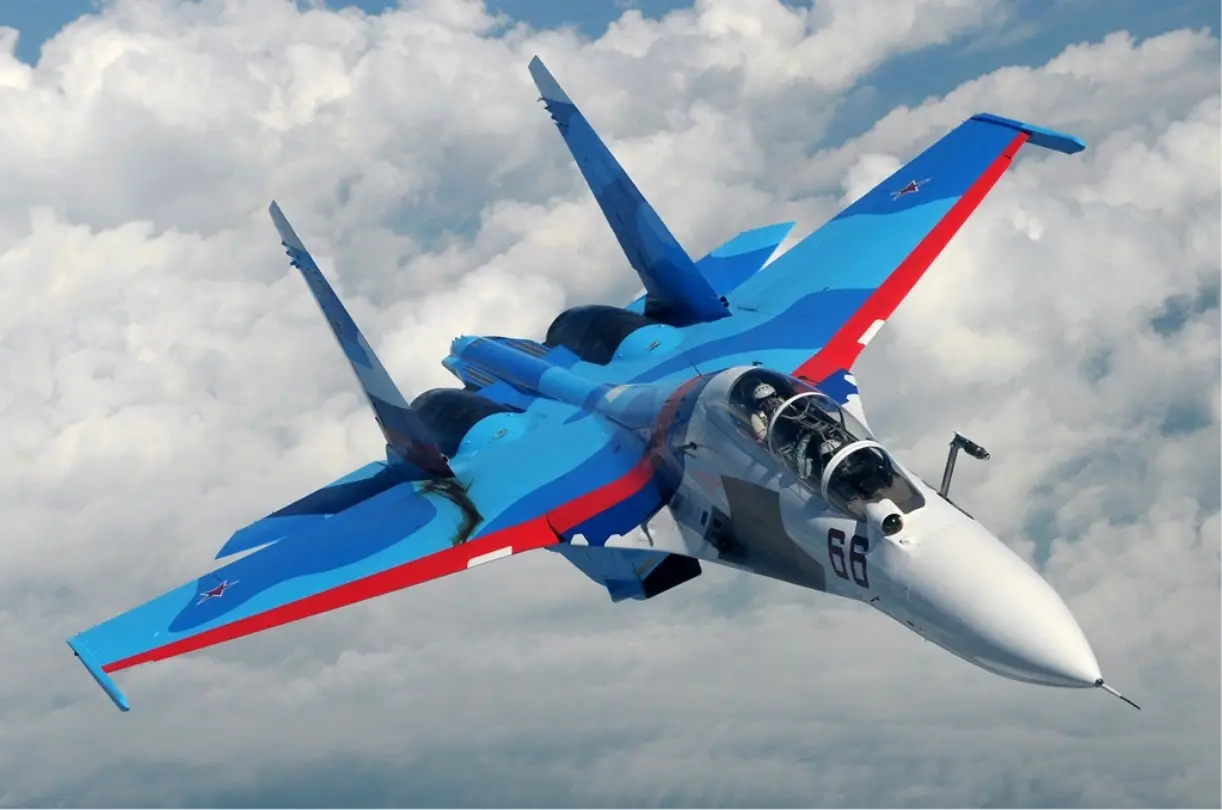
The F-35’s Heart
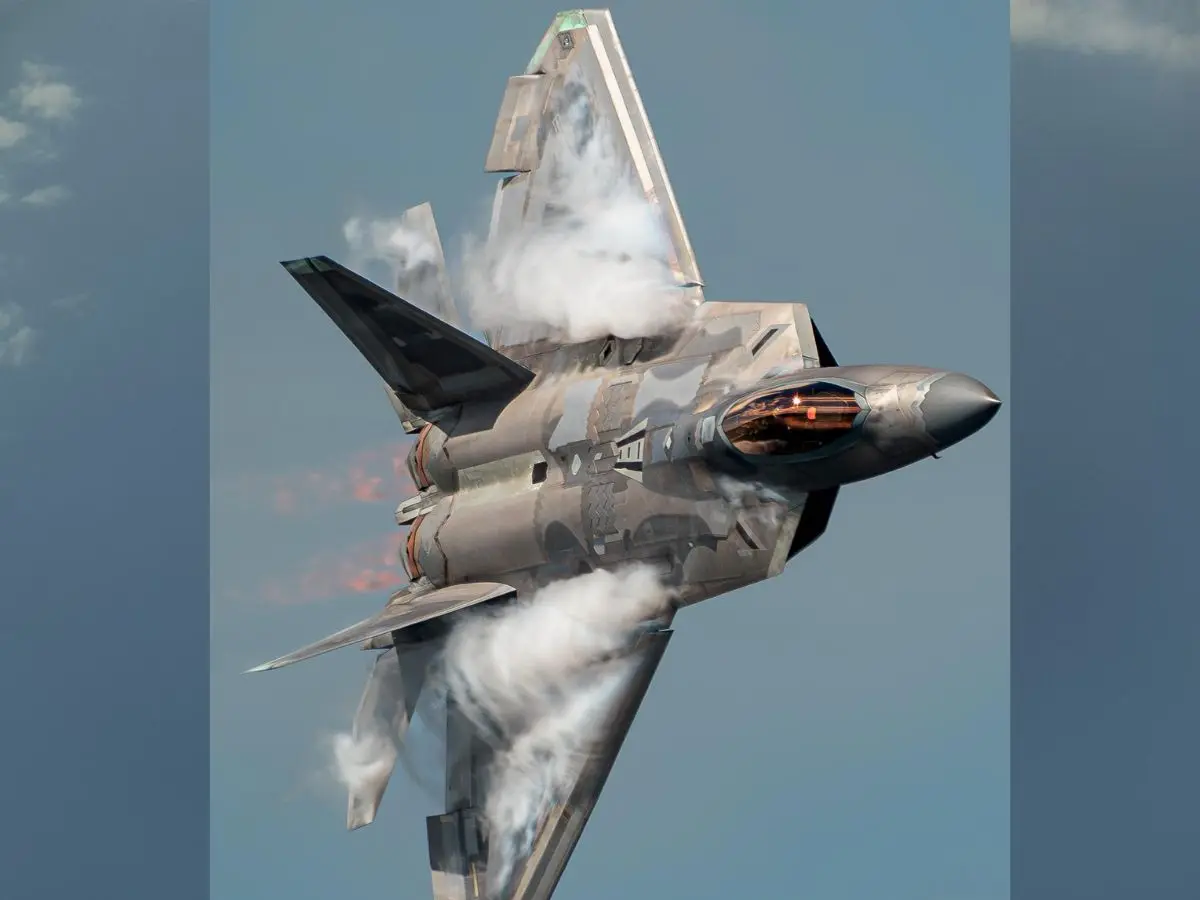
The F-35 uses the Pratt & Whitney F135, the most powerful modern fighter engine, generating up to 191 kN thrust with afterburner.
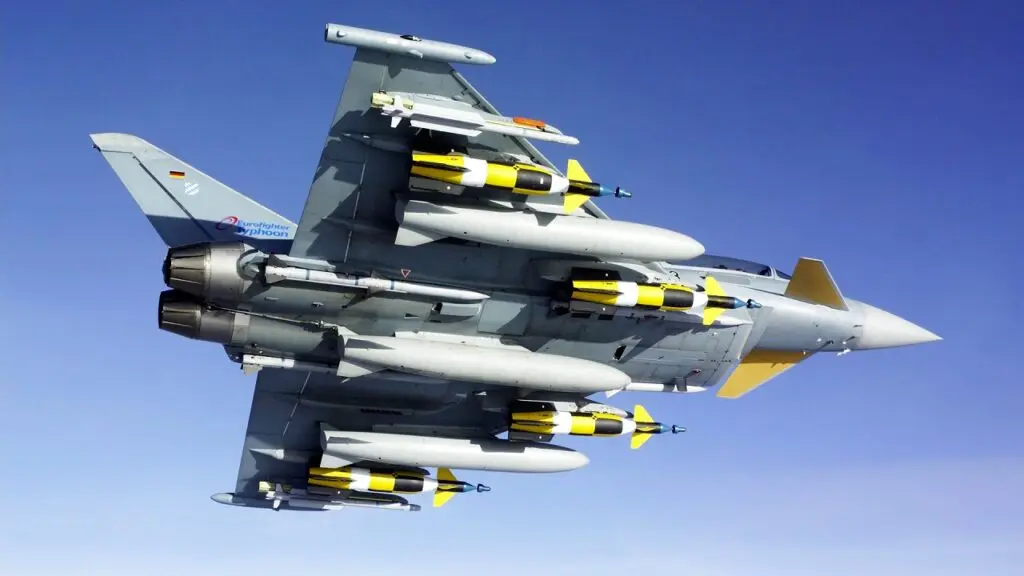
Power Difference
That’s over twice the thrust of Tejas’s current engine. On paper, Tejas with an F-35 engine would leap into the heavyweight class instantly.
Possible Gains
More thrust means higher speed, longer range, and bigger payloads. In theory, Tejas could even attempt supercruise (supersonic flight without afterburner).
The Big Problem
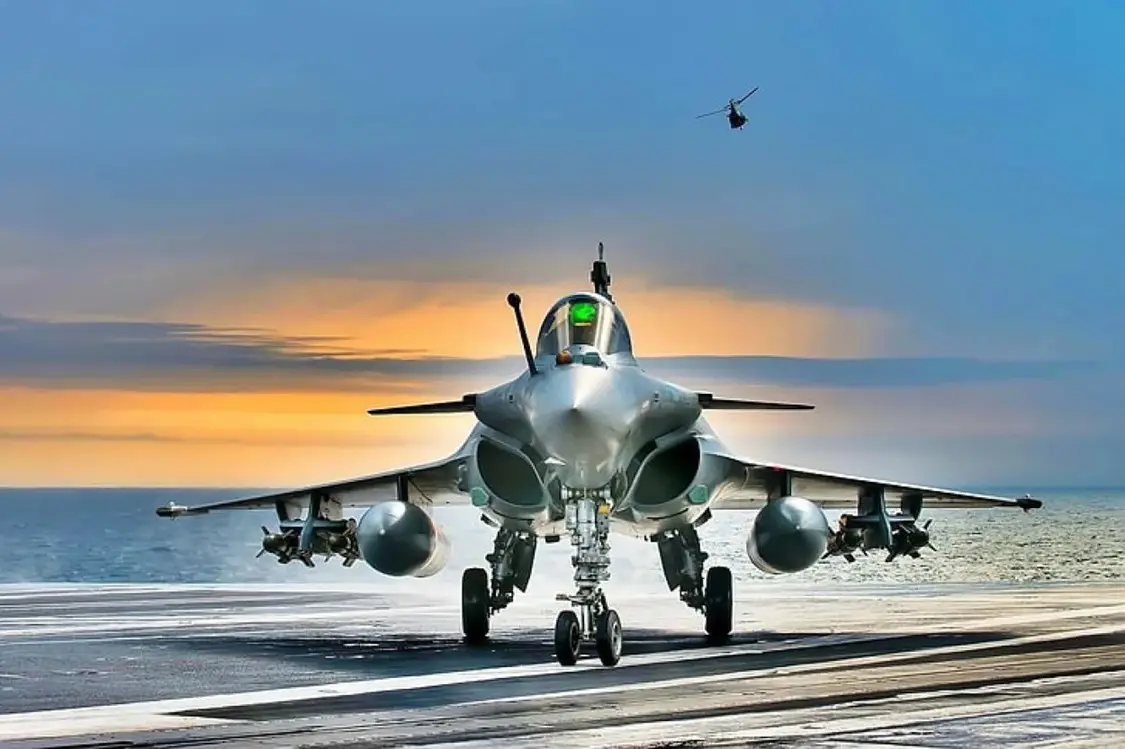
But Tejas isn’t built for it. The F-35’s engine is bigger, hotter, and heavier. Tejas’s airframe, intakes, and cooling systems would not cope without a complete redesign.
Structural Stress
Installing the F-35 engine in Tejas would be like dropping a rocket engine into a small hatchback—the frame would likely crack under stress.
The Realistic Path
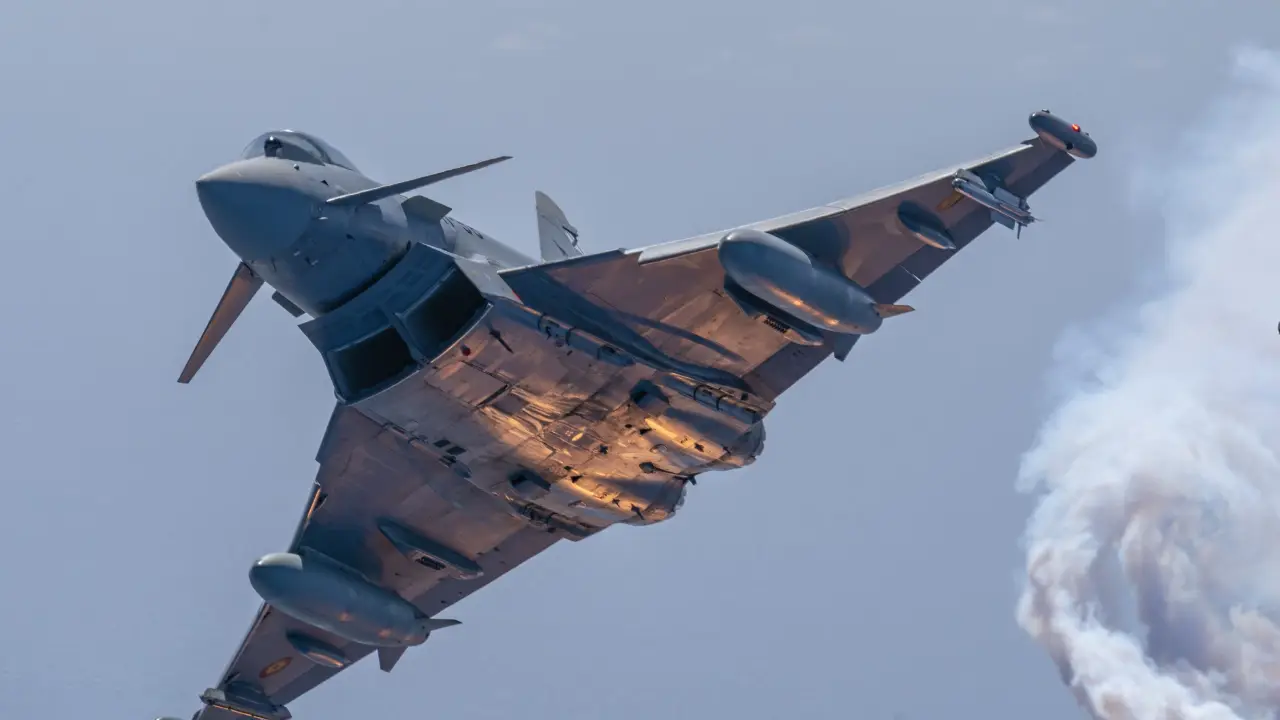
Instead, India plans to move Tejas Mk2 to the GE F414 engine (98 kN thrust). It’s more powerful but still within Tejas’s design tolerance.
The Verdict
If Tejas had the F-35’s engine, it could rival heavy fighters in thrust but in reality, the jet would break before it flew. Fighter engines and airframes must always be designed together.
)
)
)
)
)