What if fighter jets tried to fly through a tornado?

Tornadoes are nature’s most violent storms, with winds so strong they can destroy buildings and flip cars. But can it affect the fighter jets? The risks are extreme; find out the truth and why pilots always avoid them.
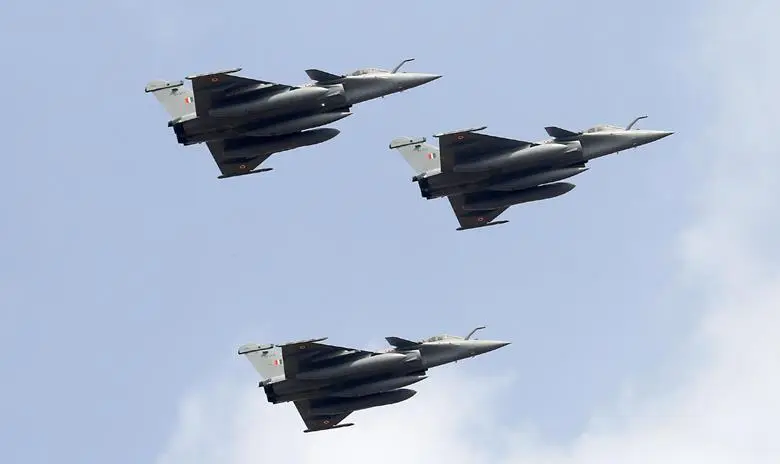
What Is a Tornado?
Tornadoes are powerful spinning columns of air with wind speeds that can reach over 480 kilometres per hour. They often form inside very violent thunderstorms and can stretch up to 50,000 feet high.
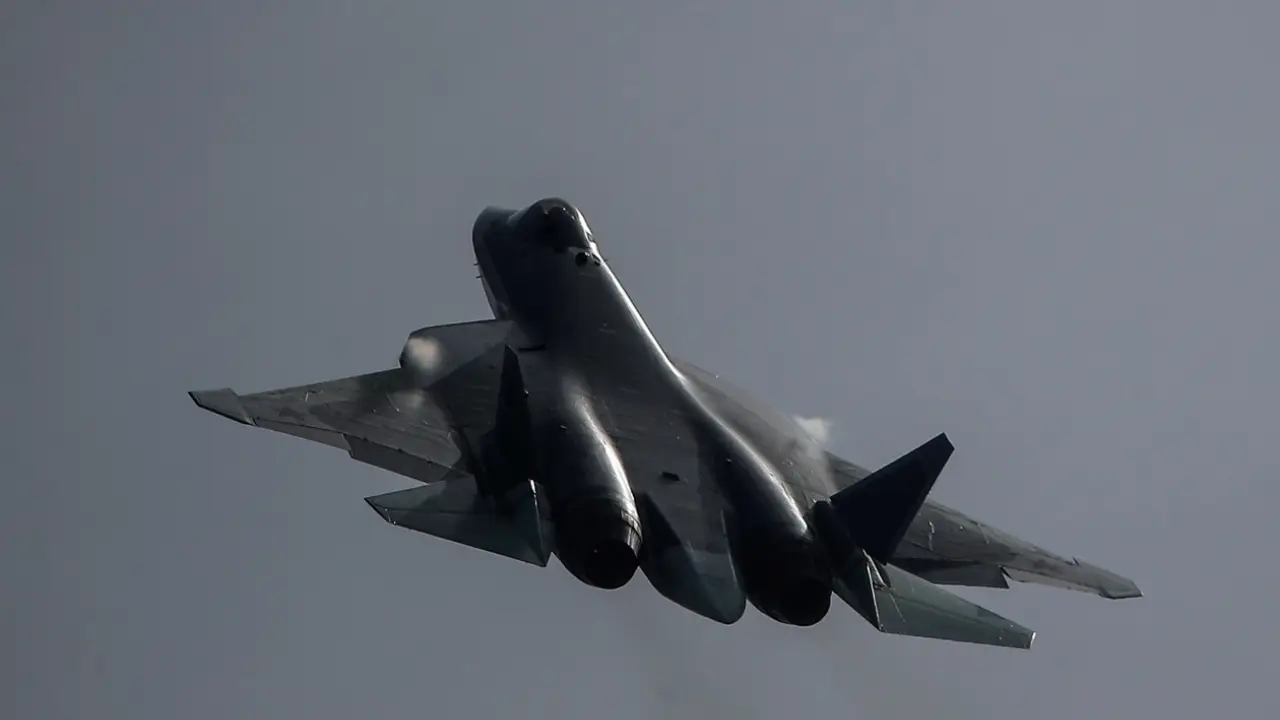
How Strong Are Tornado Winds?
The strongest tornadoes can reach wind speeds of more than 400 kilometres per hour (about 250 miles per hour). Such winds are strong enough to flip cars, damage sturdy buildings, and toss heavy objects. Even the most advanced aircraft cannot compete with this raw power.
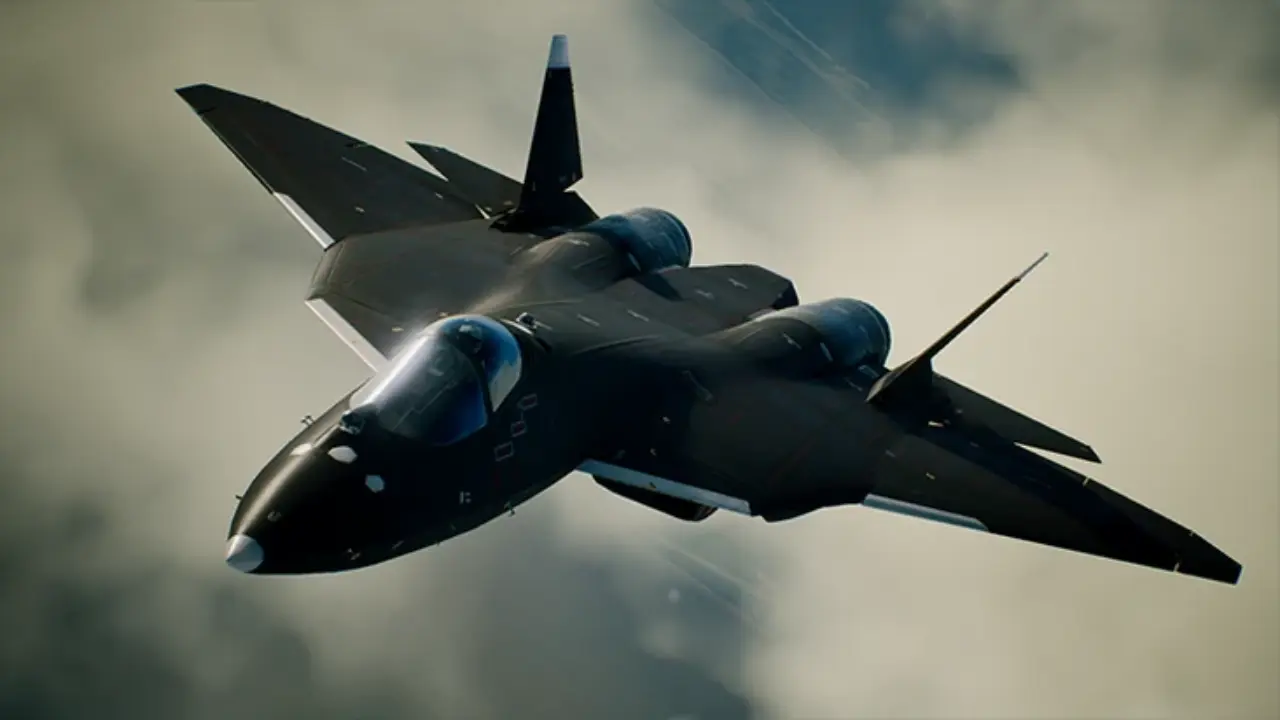
Can a Fighter Jet Fly Through?
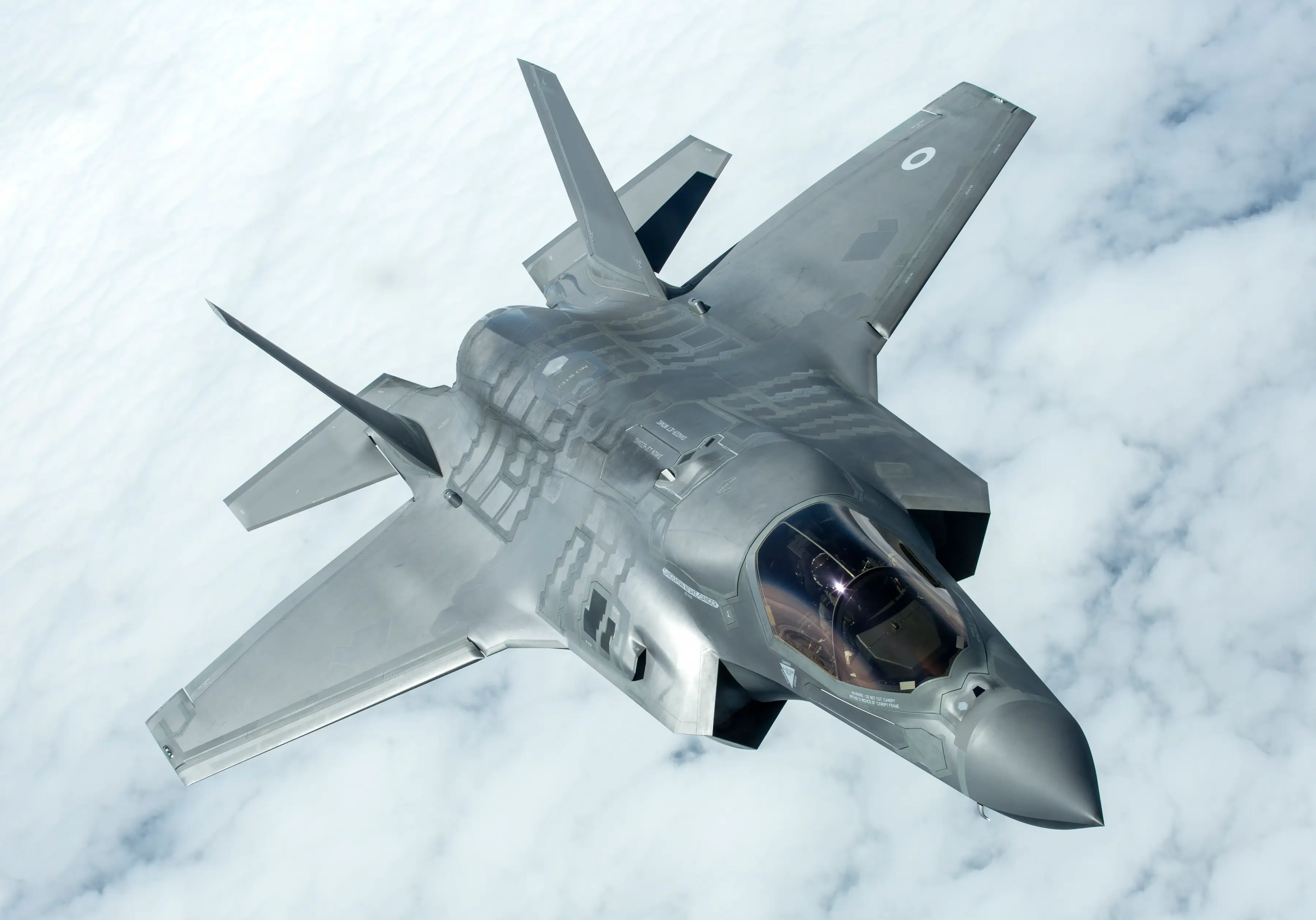
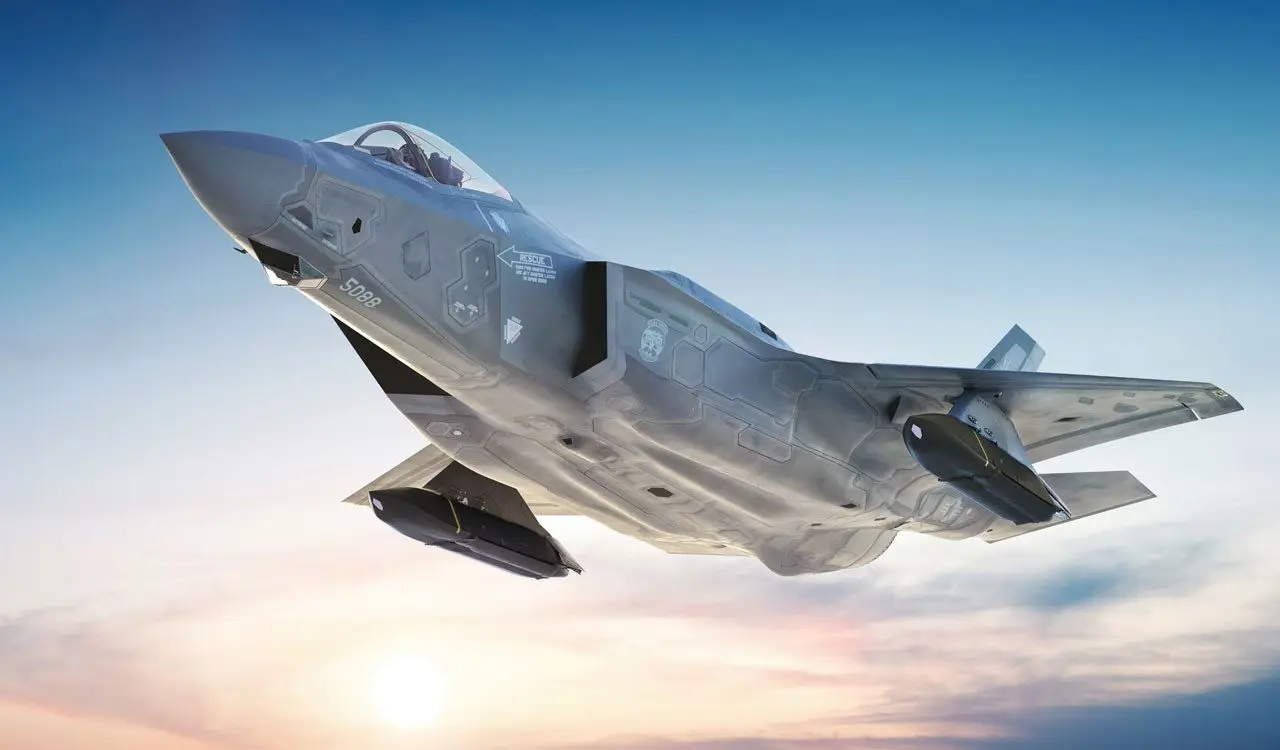
Fighter jets, are built to handle turbulence and storms. But tornadoes create rapid, violent updrafts and downdrafts, huge pressure changes, and flying debris that could break wings or damage engines.
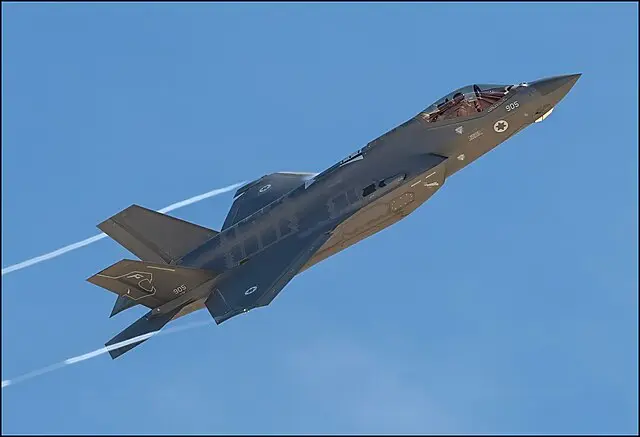
Real-Life Aviation Safety Rules
Pilots are trained to avoid thunderstorms and tornadoes completely. Air traffic controllers use radar and weather data to keep all aircraft far away from severe storms. There is no record of any jet safely flying through the centre of a tornado; avoidance is the only safe choice.
Incidents and Lessons
In 1981, a passenger plane broke up while flying into a tornado’s severe turbulence, resulting in the loss of all lives on board. Analysis found vertical forces of over 6g, stripping wings from the aircraft. The lesson: even strong planes cannot survive a tornado’s power.
Why Not Go Above or Around?
Tornadoes are usually lower than cruising jets, but the storms that produce them can reach high altitudes with dangerous turbulence and hail. Pilots navigate away early, using radar and weather alerts to plan safer routes well before reaching tornado-prone areas.
The risks
No fighter jet or airliner would try to fly through a tornado. The risks of violent winds, debris, and rapid pressure changes are too high. Modern aviation is built on safety, and avoiding tornadoes is a strict rule. Know more, read more below.
)
)
)
)
)