What if fighter jet pilots black out during a dogfight?

What happens if a fighter jet pilot blacks out mid-air? High G-forces, loss of control, and survival challenges make dogfights even riskier. Modern training and tech help, but the danger is real.
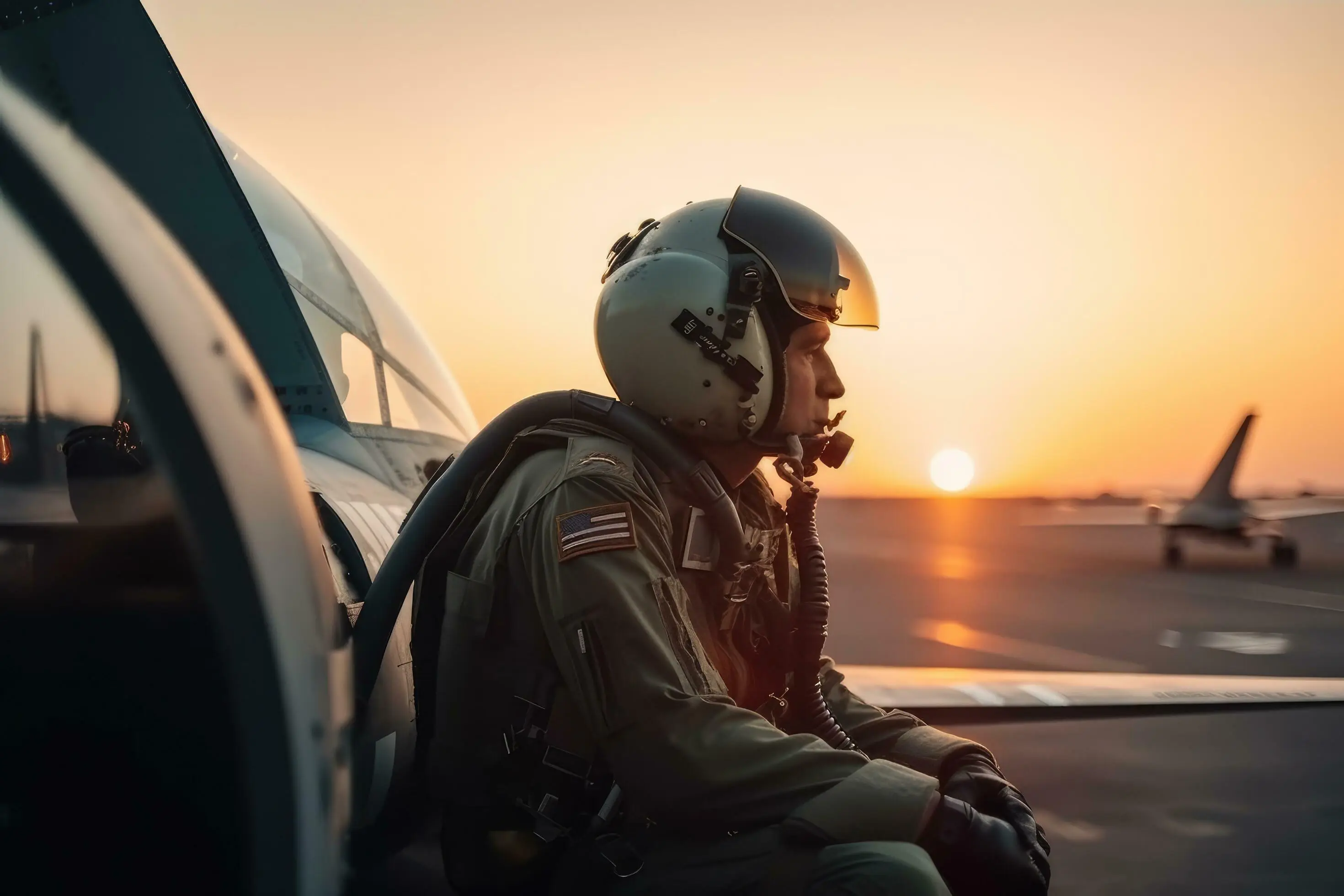
If a fighter jet pilot blacks out mid-air
If a fighter jet pilot blacks out during a dogfight, the consequences could be catastrophic. The aircraft would continue flying on its last heading, potentially crashing or flying into enemy territory.
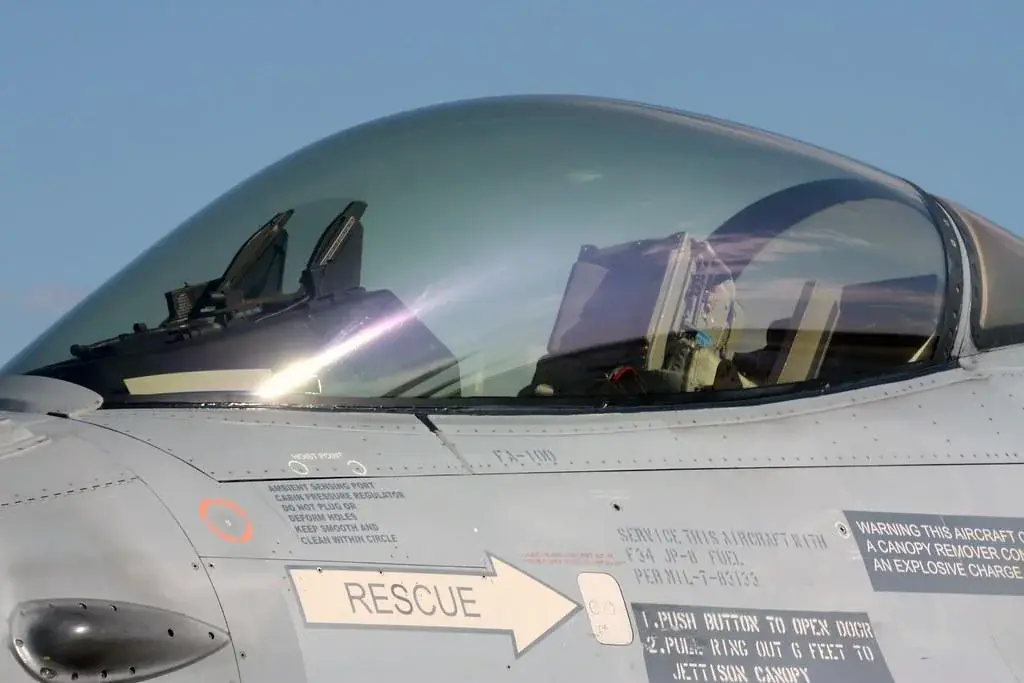
Excessive G-forces
Blackouts are caused by excessive G-forces that deprive the brain of blood. During high-G manoeuvres, blood is forced away from the head, causing loss of consciousness. This is a serious risk in combat situations.
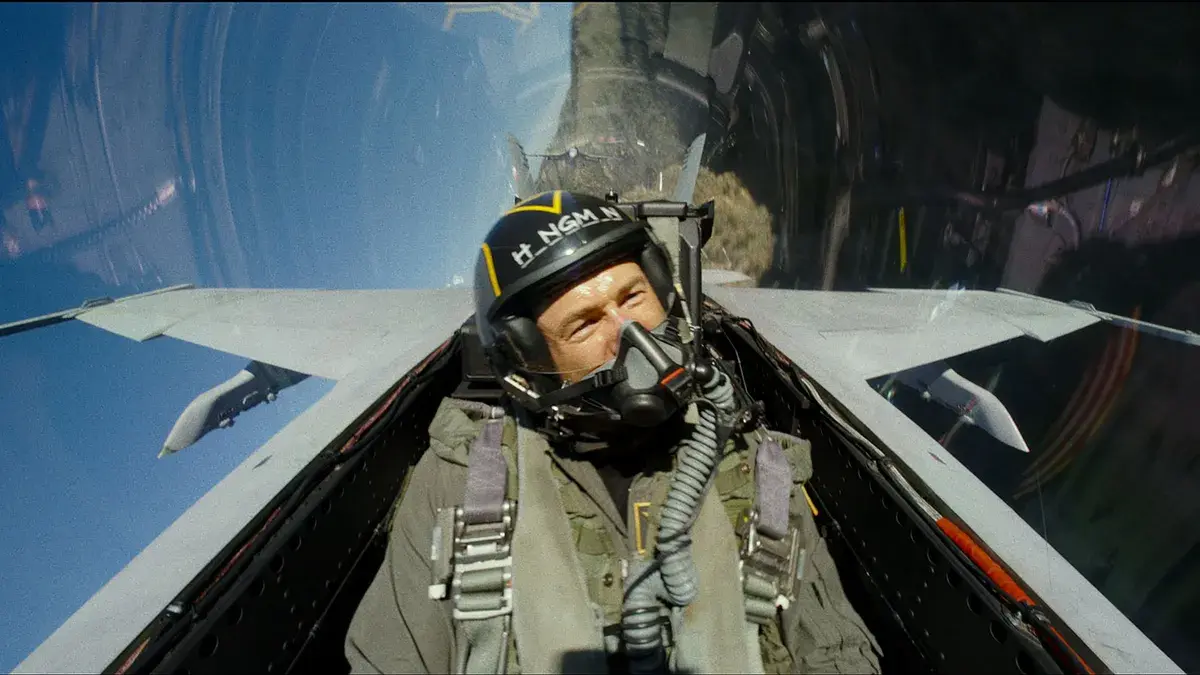
Modern fighter jets have G-suits
Modern fighter jets have G-suits that help pilots withstand higher forces. These suits inflate to keep blood in the upper body. However, even with G-suits, pilots can still black out if they exceed their limits.
Duration of blackouts
The duration of blackouts varies. Some pilots lose consciousness for just seconds, while others may be out for minutes. During this time, the aircraft is completely uncontrolled and vulnerable to enemy fire.
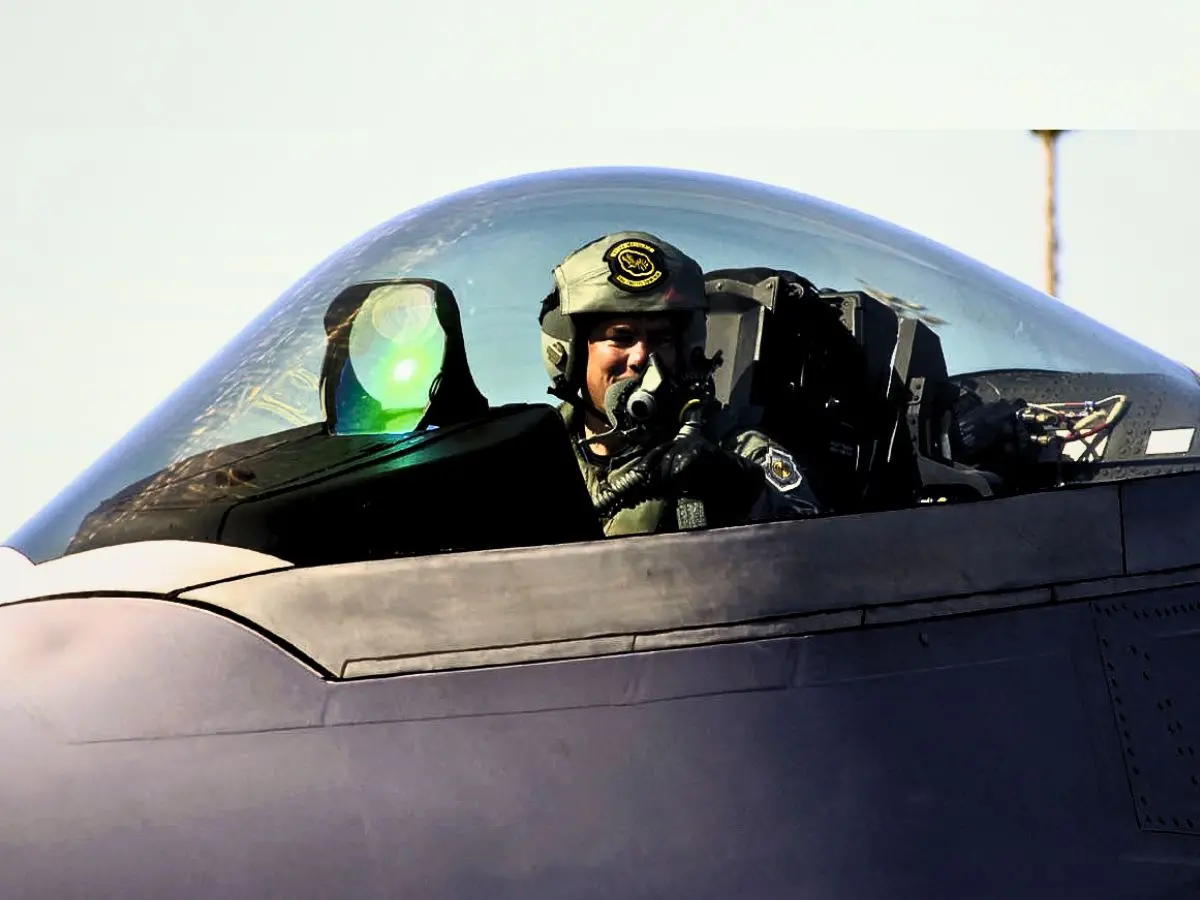
Automatic recovery systems
Some aircraft have automatic recovery systems that can stabilise the aircraft if the pilot becomes incapacitated. However, these systems are limited and cannot conduct combat manoeuvres or avoid threats.
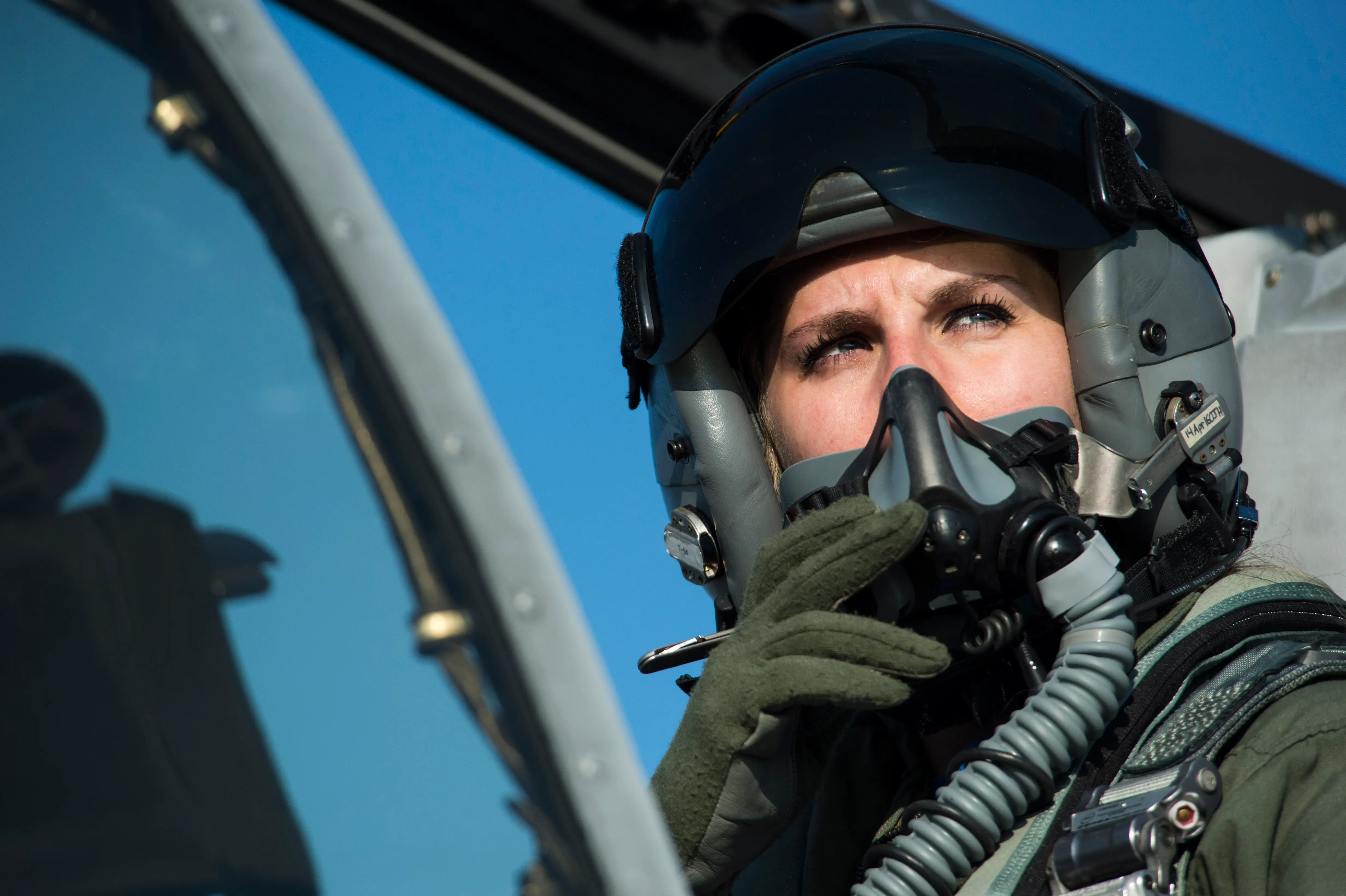
Pilot Training
Training helps pilots recognise the warning signs of blackouts. They learn to use proper breathing techniques and muscle tensing to maintain consciousness. However, in the heat of combat, these techniques may be forgotten.
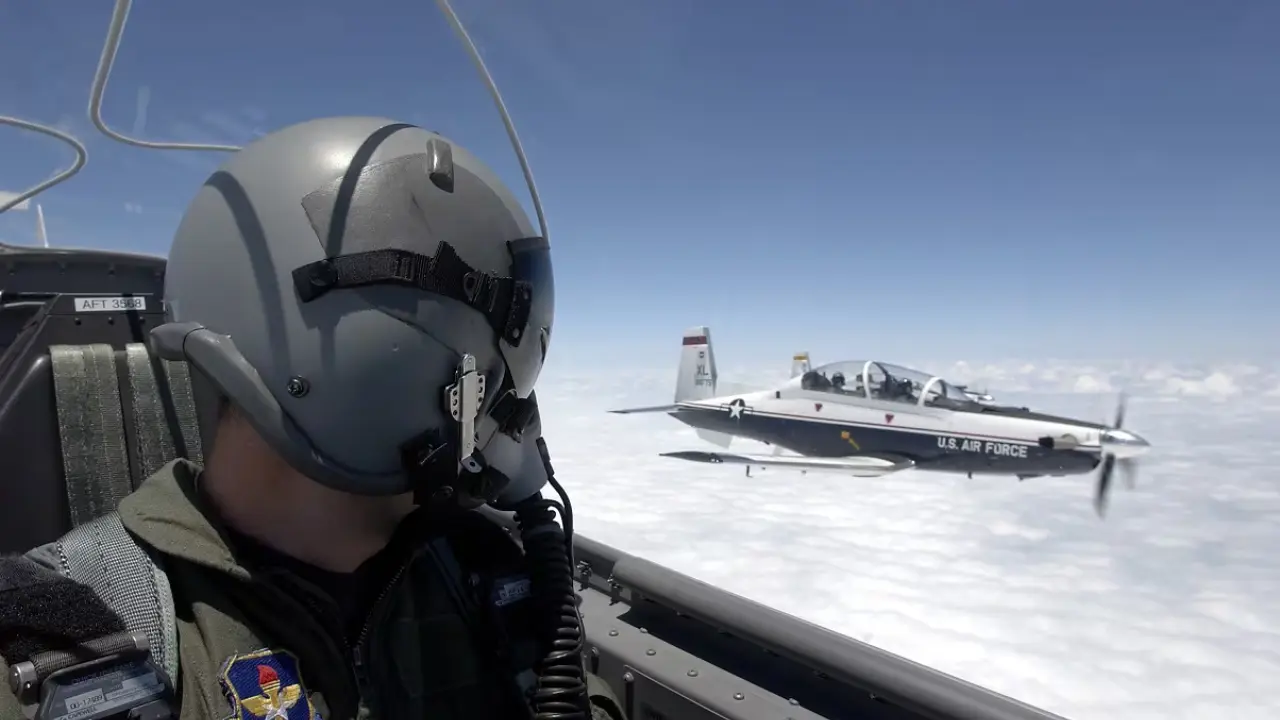
Serious risk in dogfights
So while blackouts are a serious risk in dogfights, modern training and equipment help minimise the danger. Pilots must balance aggressive manoeuvring with maintaining consciousness to be effective in combat.
)
)
)
)
)