What if a fighter jet tries to land on a moving train?

Can fighter jets really land on a moving train? Lets find out why it’s nearly impossible in real life. From speed challenges to safety risks, Here’s what aviation science says.
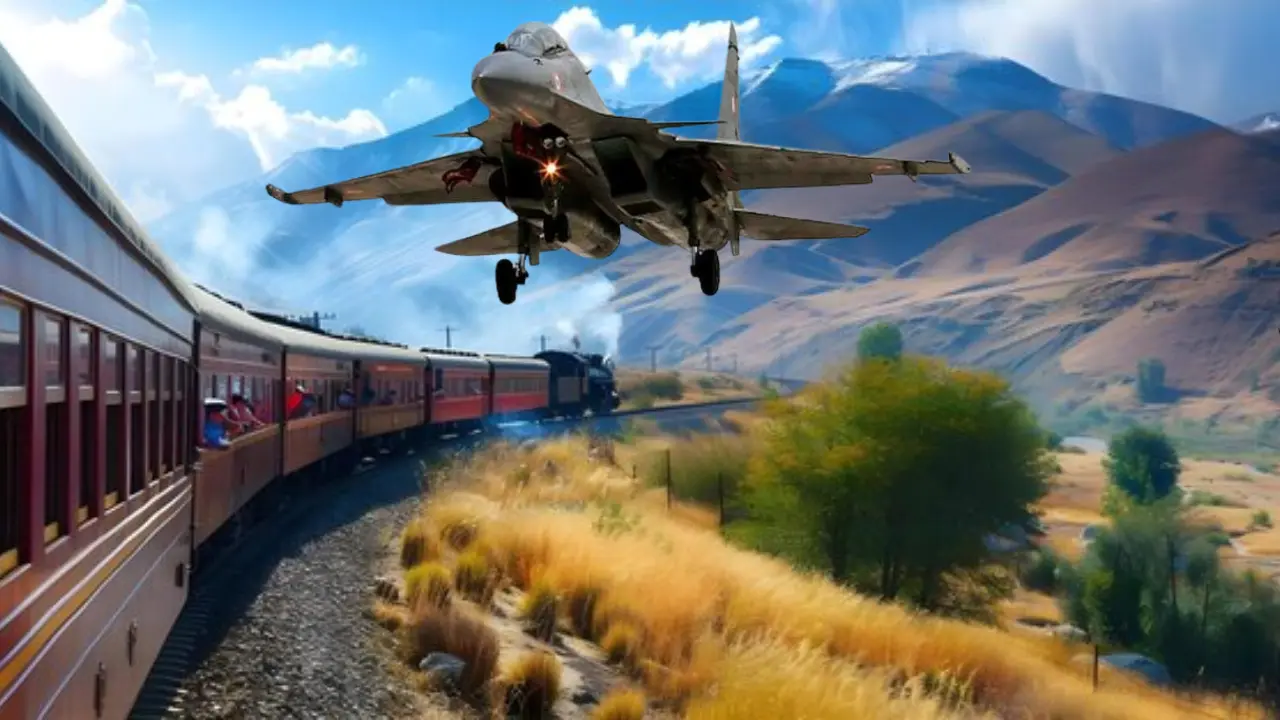
Is It Possible for Jets to Land on a Train?
Fighter jets need long, stable, and flat runways to land safely. Trains move fast and have narrow, curved surfaces. Which makes it hard or nearly impossible for any fighter jet to land on moving train.
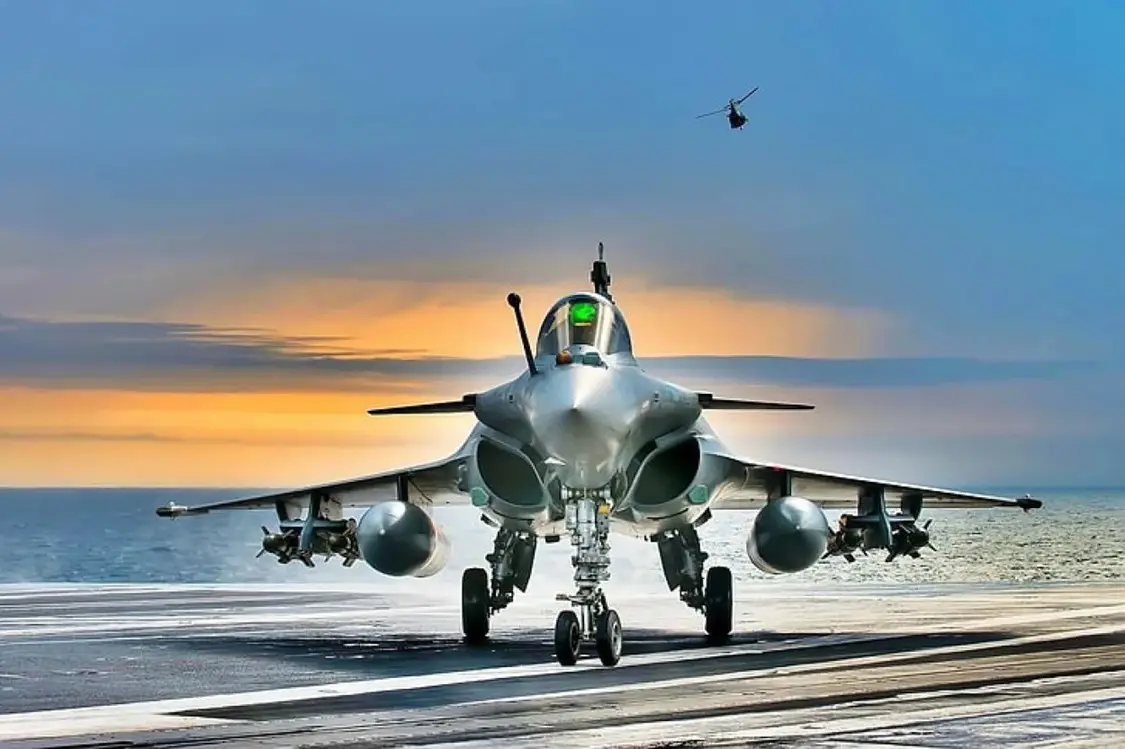
How Do Jets Land?
Few jets pilots practise landing on aircraft carriers, which are moving ships. Ships have large decks and special wires to slow jets. But if we compare it with trains, would be much narrower and bumpier, making them impossible to use as a landing surface for a fighter jets.
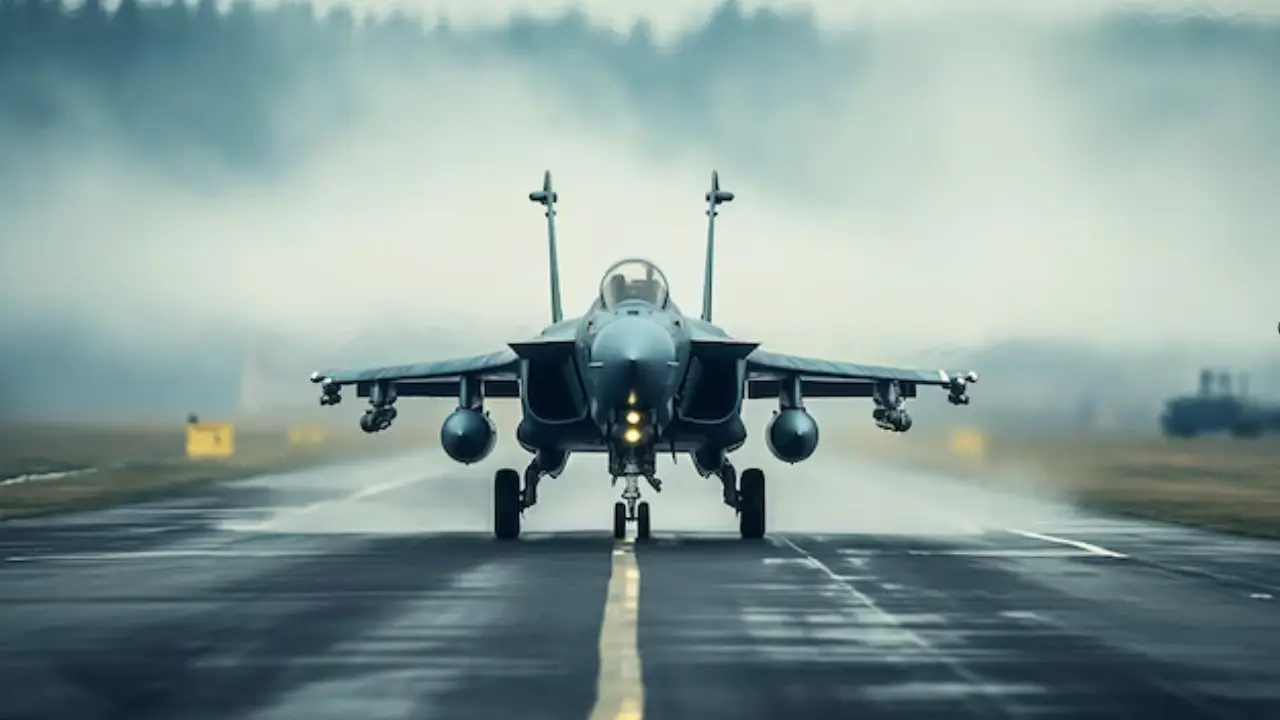
Speed and Balance
A train's top speed is 300 kilometres per hour for high-speed trains, while jets land at speeds over 250 kilometres per hour. For a jet at that speed linning up with a fast, moving train roof even after train roof is modified for landing would be very tough for even expert pilots.
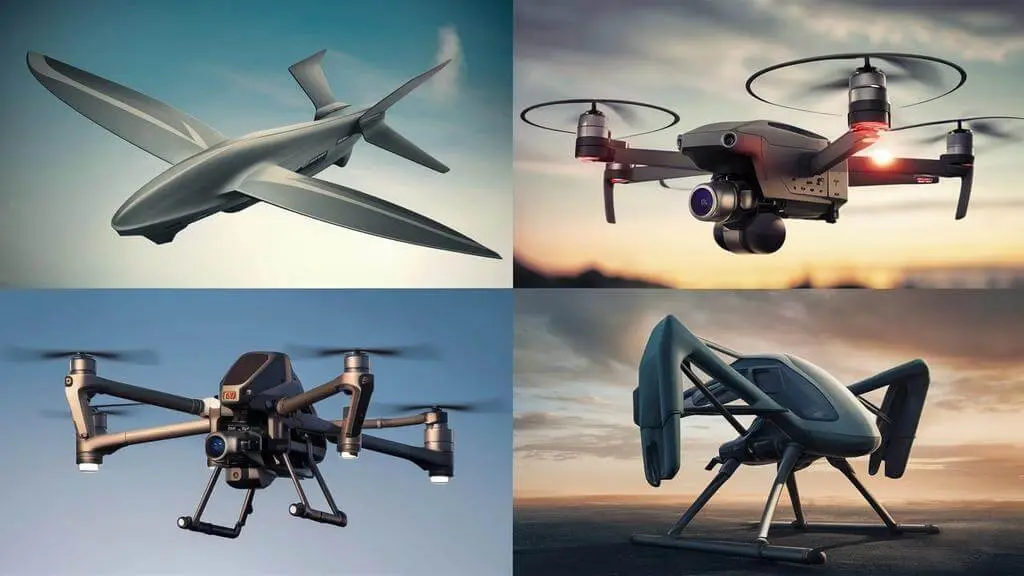
Experiments with Drones
Few research shows that small unmanned aircraft, or drones, can land on moving platforms with advanced AI enabled controls. In practical tests, drones have landed on cars and trucks, but fighter jets are much faster and heavier, making such landings far more dangerous.
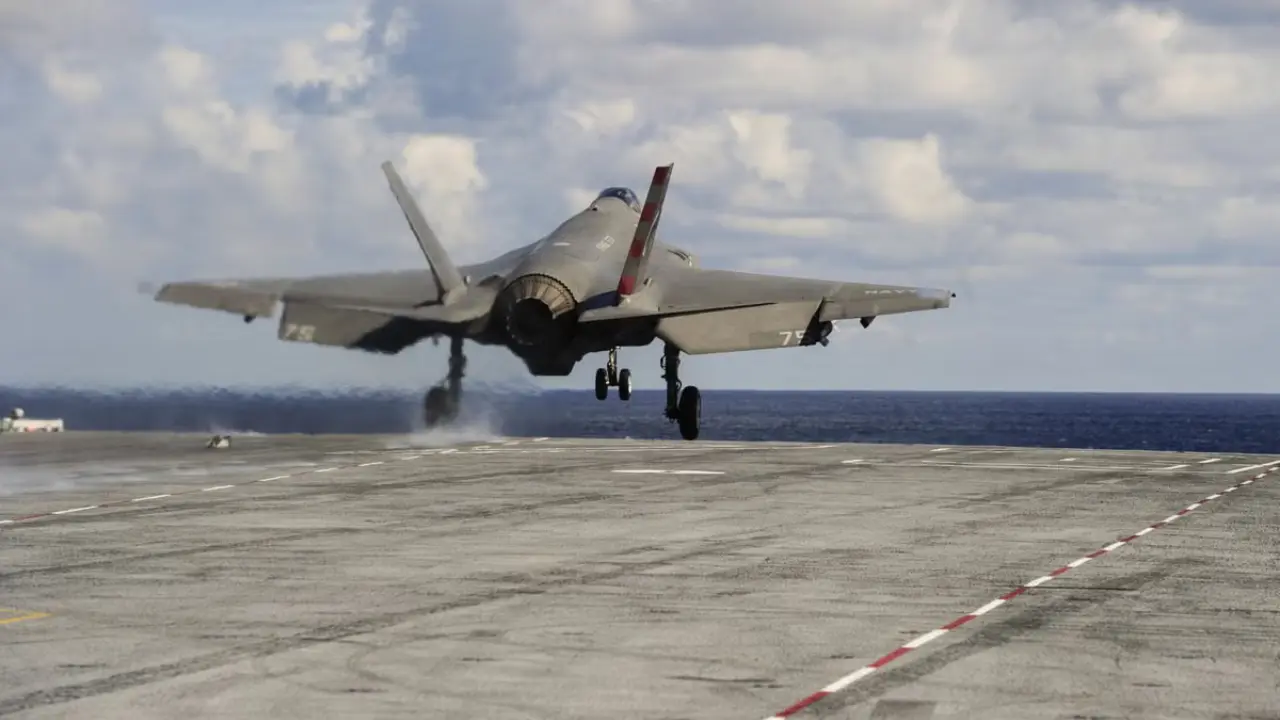
Real-World Training
Fighter jets usually train to land on highways in emergencies. These roads are wide and flat, unlike the roof of a moving train.
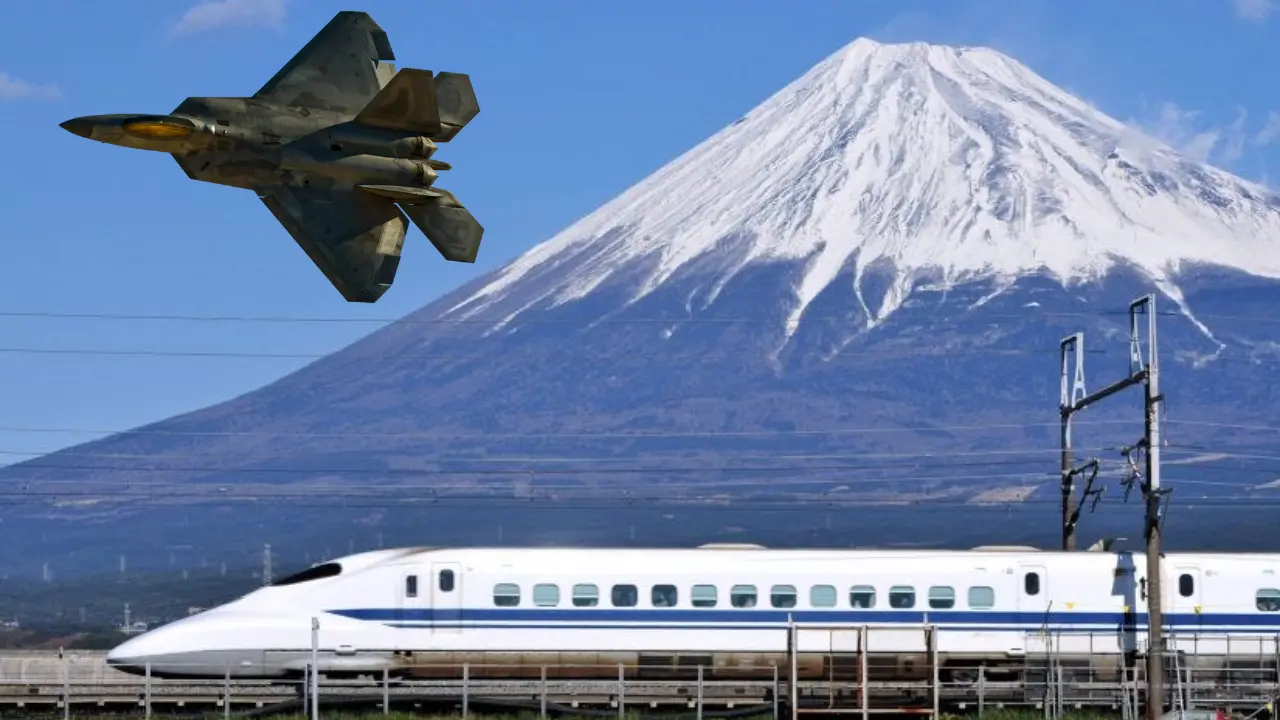
What Happens if You Try?
Even after all these if a pilot tried to land a jet on a moving train, the result would likely be a crash. Because balancing, matching speeds, avoiding overhead electric lines, and dealing with wind make the plan too risky.
)
)
)
)
)