What if a fighter jet is given a cryogenic engine?

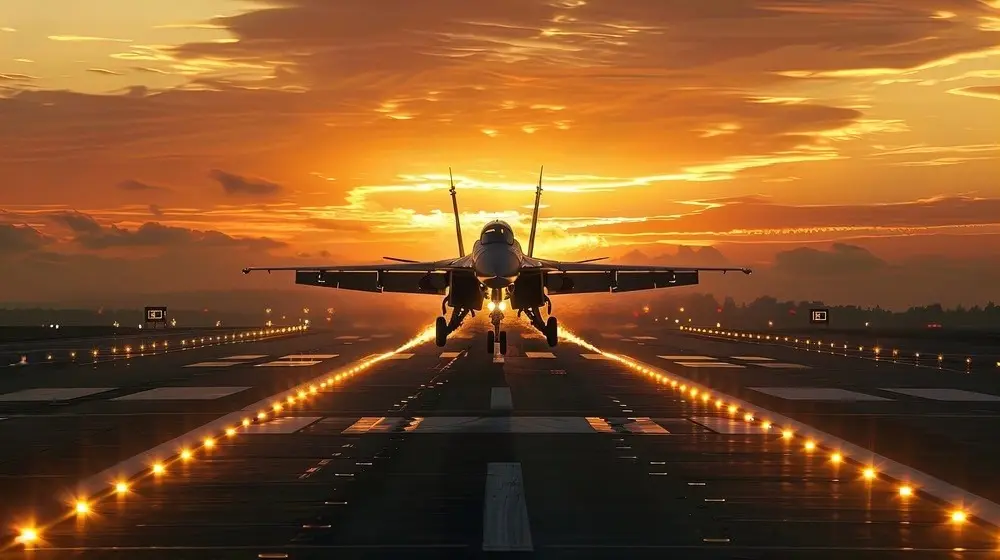
Theoretically, cryogenic fuels offer incredible energy density. If harnessed in a fighter jet, the aircraft could achieve extraordinary speeds and altitudes, possibly even entering near-space environments. Hypersonic flight (Mach 5+) could become more feasible with this level of thrust.
What is a Cryogenic Engine?
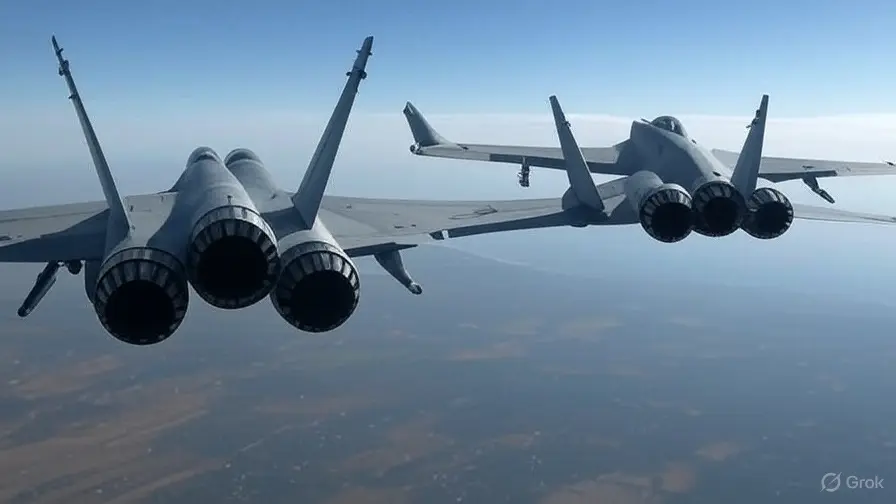
Cryogenic engines burn super-cooled liquid gases like liquid oxygen (LOX) and liquid hydrogen. These fuels are stored at temperatures below -150°C. They provide massive thrust and are used in space missions, such as those by ISRO and NASA. Their power-to-weight ratio makes them ideal for launching rockets out of Earth’s atmosphere, not for tactical aviation manoeuvres.
Why It Sounds Exciting for a Jet
Theoretically, cryogenic fuels offer incredible energy density. If harnessed in a fighter jet, the aircraft could achieve extraordinary speeds and altitudes, possibly even entering near-space environments. Hypersonic flight (Mach 5+) could become more feasible with this level of thrust.
But There’s a Major Catch: Cooling
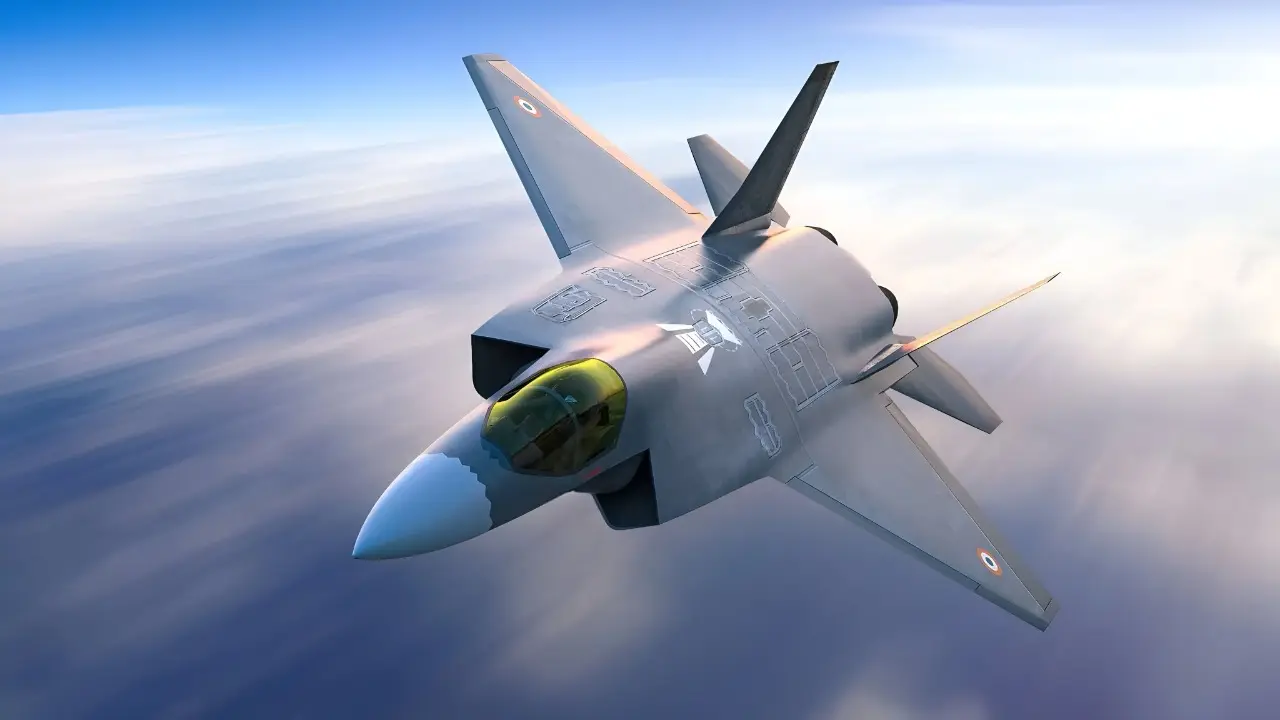
Cryogenic fuels require complex insulation and constant cooling systems. Fighter jets, which experience rapid changes in altitude, temperature, and vibration, are not ideal for maintaining the extreme cold needed. The cryo-tanks would have to be massive and heavily shielded, adding weight and limiting agility.
Refuelling Would Be a Nightmare
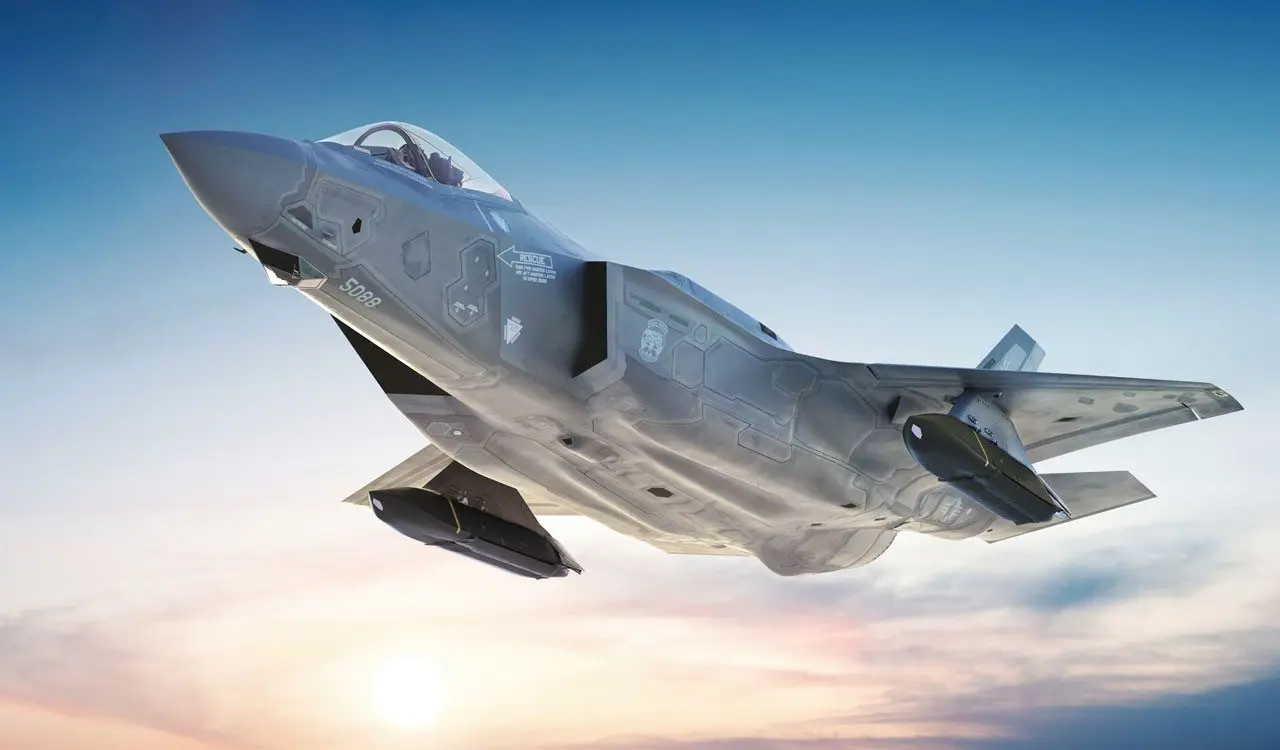
Unlike jet fuel, which is stored and handled relatively easily, cryogenic fuel requires dedicated ground support infrastructure. Fighter jets often operate from airstrips, carriers, or remote bases, none of which are equipped for cryogenic operations.
Pilot Safety Would Be Compromised
In case of a crash or emergency landing, cryogenic fuel could turn into a massive safety hazard. Leakage or tank rupture could instantly freeze and damage key systems, or cause explosions due to oxygen-enriched environments.
Better Suited for Drones or Hypersonic Missiles
Instead of fighter jets, cryogenic engines are more realistically suited for autonomous hypersonic drones or high-speed intercontinental missiles, where the focus is on speed and not manoeuvrability or human safety.
Too Cold for Combat
While fascinating on paper, cryogenic engines are currently impractical for manned fighter aircraft. Their cooling demands, size, and fuelling challenges outweigh the benefits in combat scenarios. However, for experimental military drones and high-speed strike systems, they might just be the future.
)
)
)
)
)