What if a fighter jet flies into a hurricane?

Fighter jets are fast and powerful, but what if one flew into a hurricane? From extreme winds to deadly turbulence, the risks are far greater than speed. Could jets survive storms? Know more below.
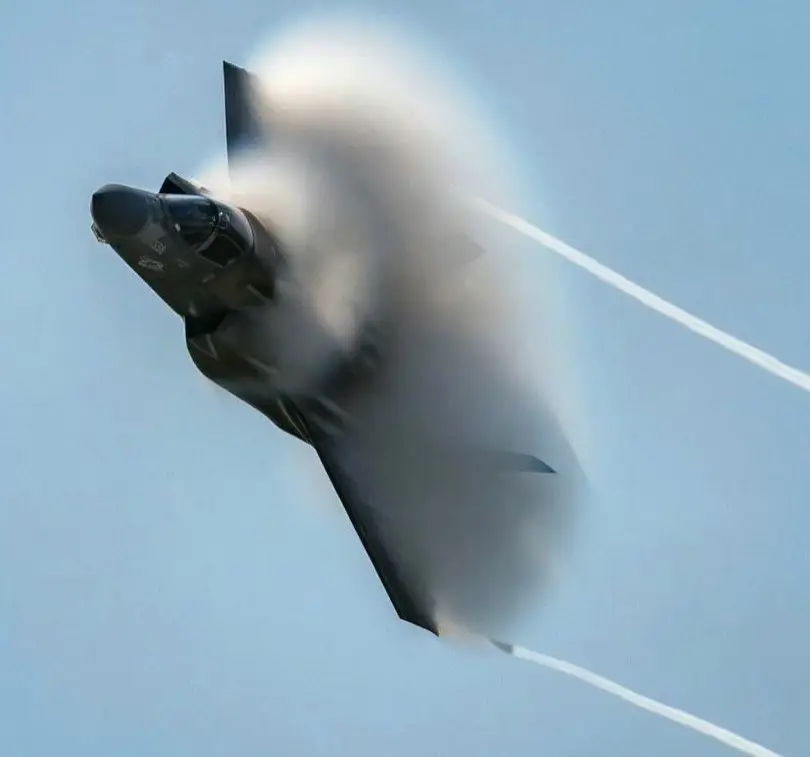
Can Jets Fly Through Hurricanes?
Fighter jets can reach high speeds and tough altitudes, but flying into a hurricane is extremely risky. Most hurricanes have winds over 120 kilometres per hour, with some reaching above 250 kilometres per hour.
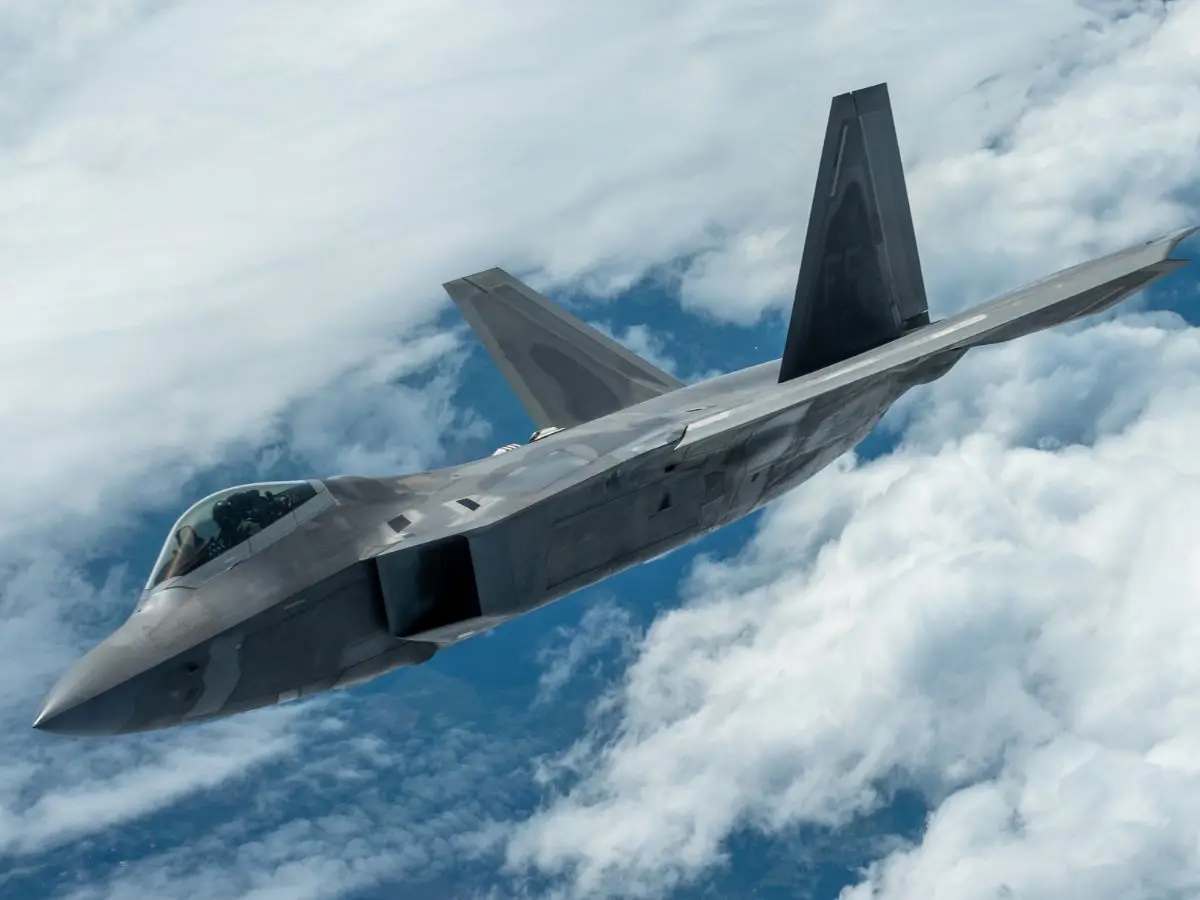
What Do Hurricanes Do to Aircraft?
Hurricanes cause violent turbulence, rapid wind changes, and heavy rain. Flying through these forces can damage even modern and strong jets.
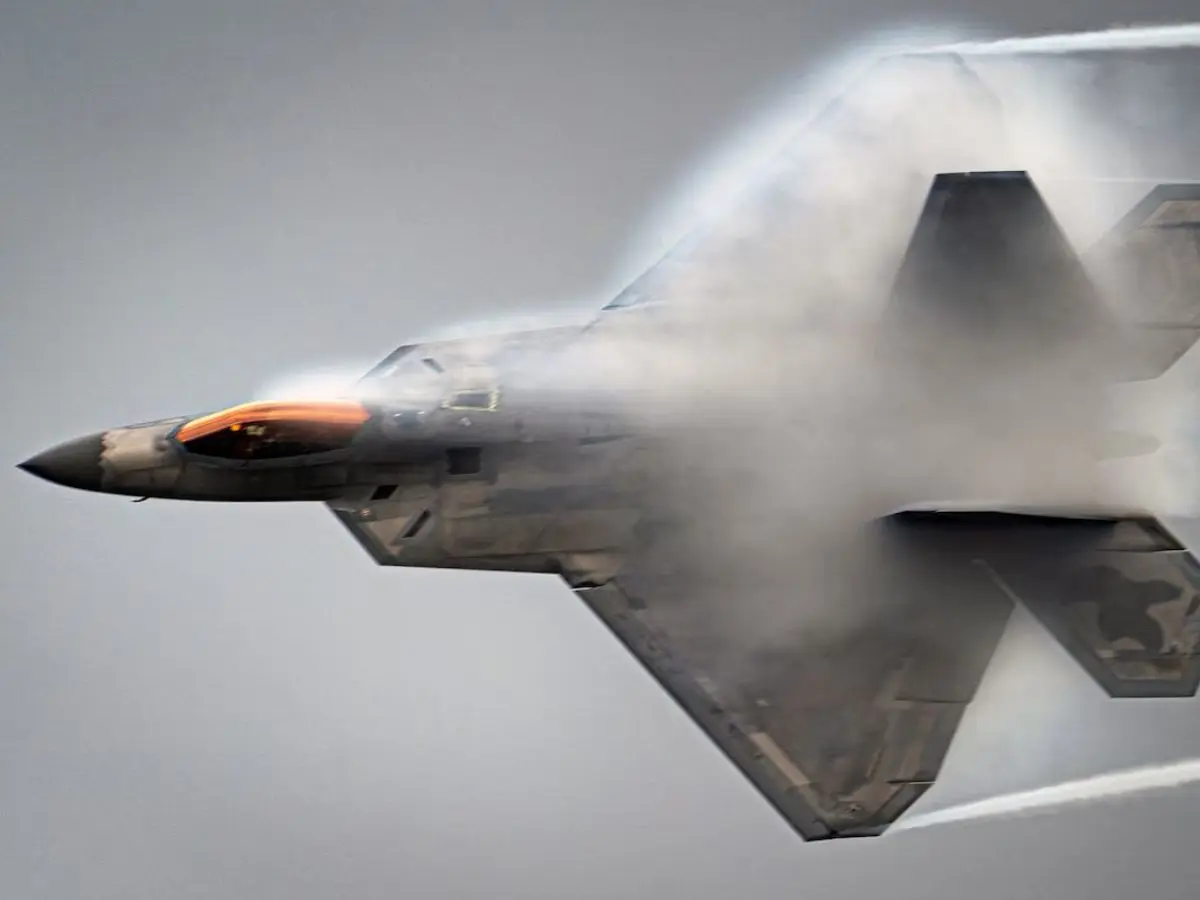
The Hurricane Hunter Missions
The US Air Force and NOAA use large planes like WC-130J “Weatherbirds” and P-3 Orions to fly into storms. These missions last about 11 hours and cross up to 3,500 miles. About five such planes have been lost in the last 60 years none were fighter jets.
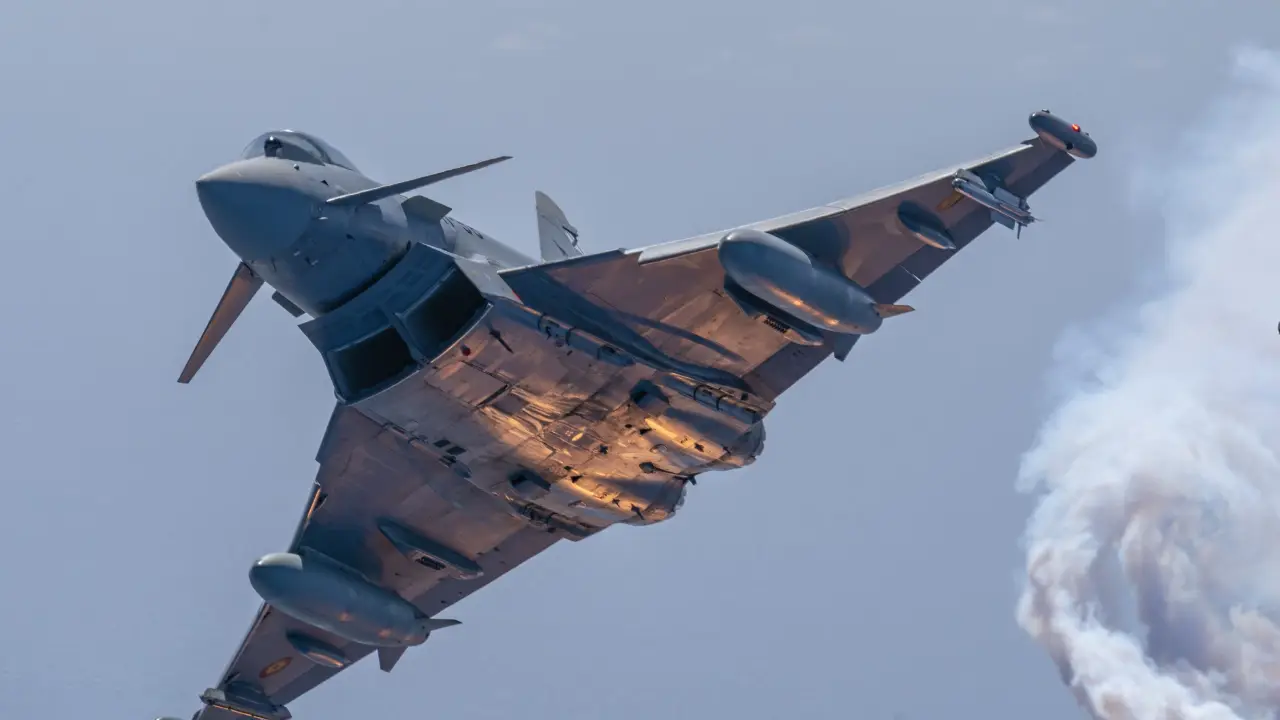
Why Not Use Fighter Jets?
Fighter jets are fast and agile, but their wings and controls are built for combat, not for steady flight in wild weather. Extreme winds, hail, and rapid altitude shifts in hurricanes could lead to serious loss of control or even a crash, experts warn.
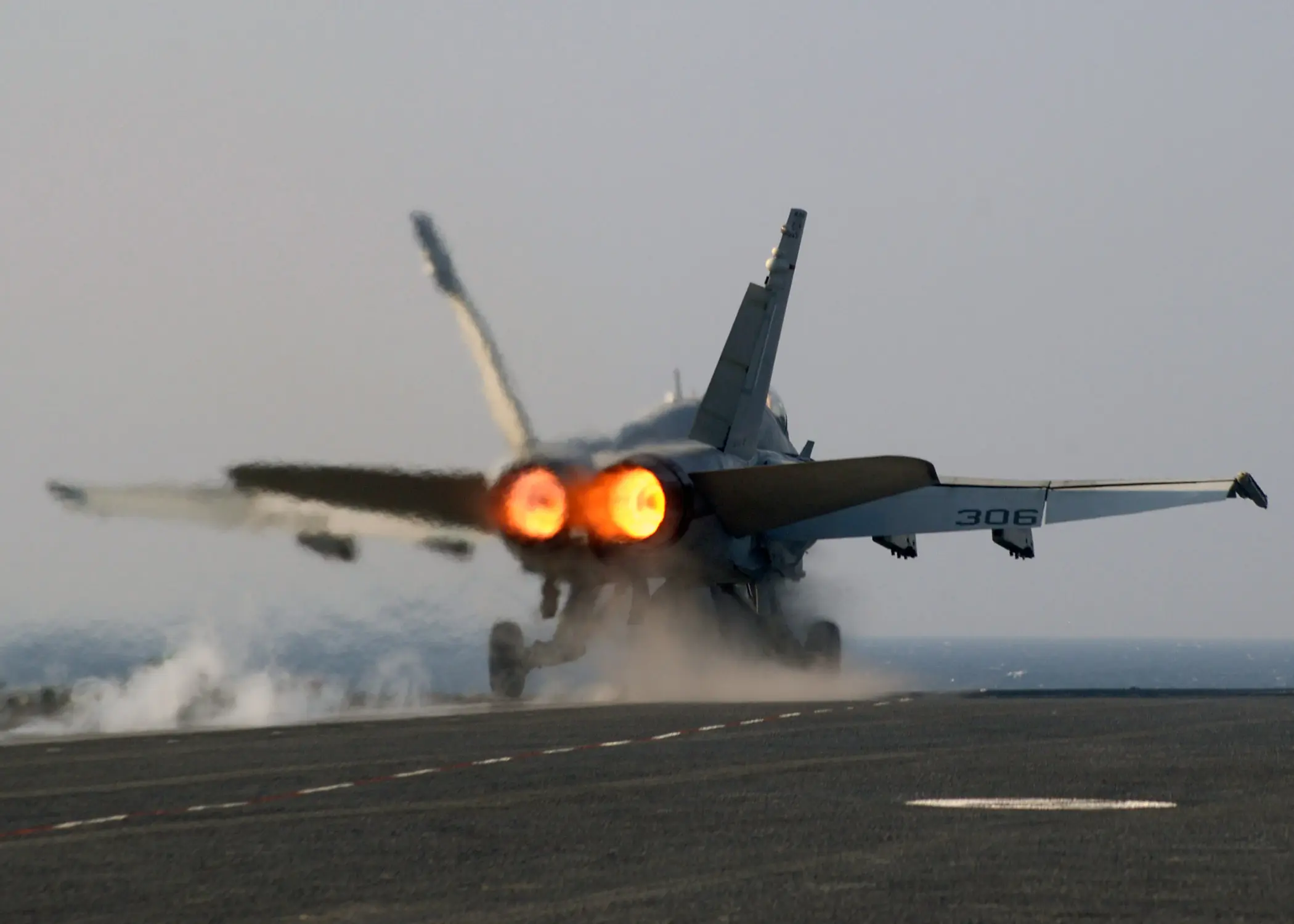
Could a Fighter Jet Alter a Hurricane?
Some patents and theories suggested using sonic booms from jet fighters to disrupt hurricanes. To survive a jet in a hurricane, the required power and control are far beyond what jets provide, making the idea only theoretical.
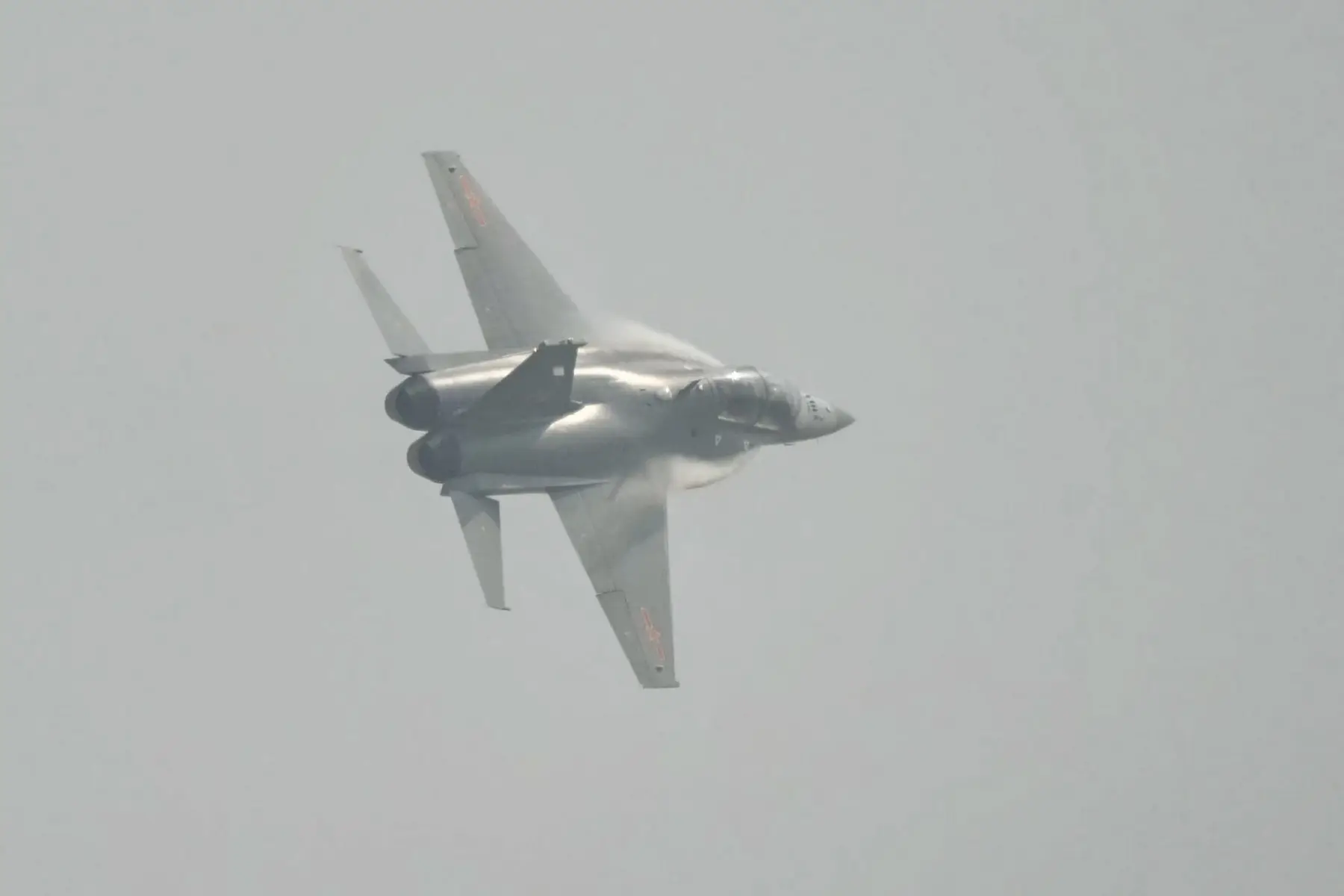
The Biggest Dangers For Pilots
If a jet entered a hurricane, the possible dangers include being thrown hundreds of metres by updrafts, losing stability, and engine flameout from heavy rain and hail.
)
)
)
)
)