What if a fighter jet fires a missile straight up?

Firing a missile straight up from a fighter jet may look dramatic, but it’s highly dangerous and impractical. From gravity to guidance issues, such a move risks the aircraft itself. Curious why it’s impossible? Read more below.
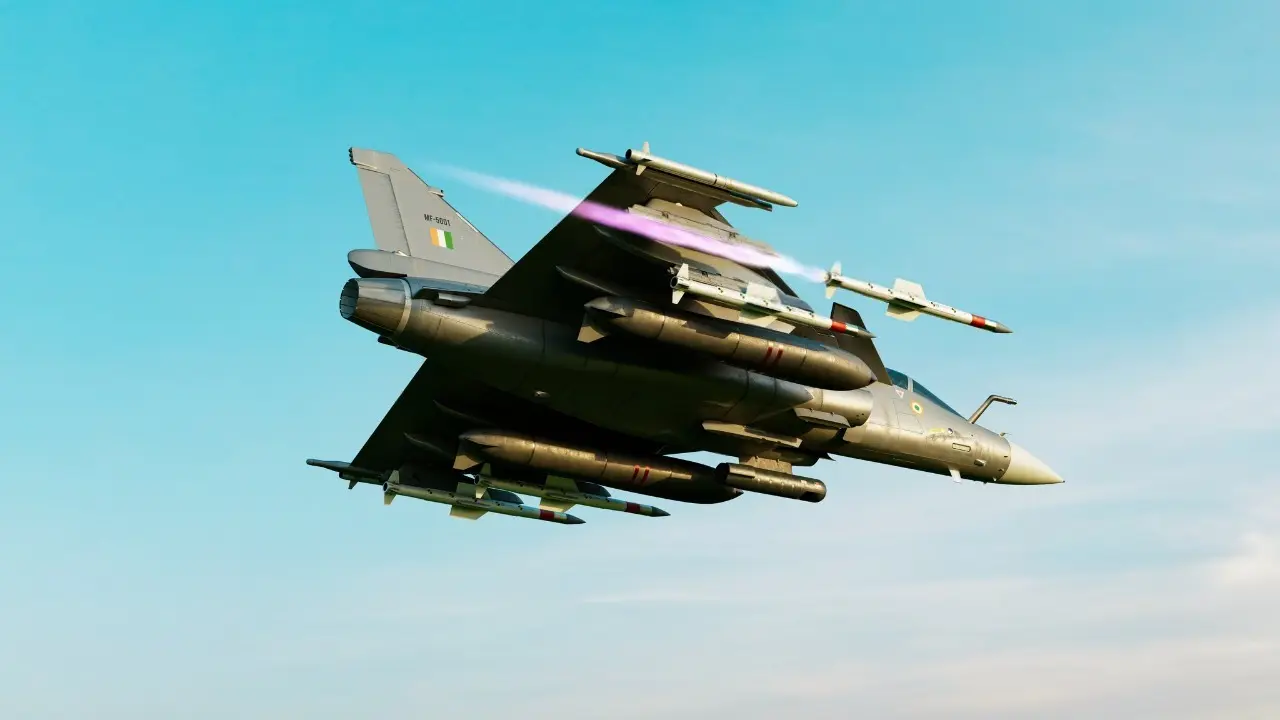
Firing a missile straight up from a fighter jet
Firing a missile straight up from a fighter jet would be extremely dangerous and ineffective. The missile would eventually run out of fuel and fall back to Earth, potentially hitting the aircraft that fired it.
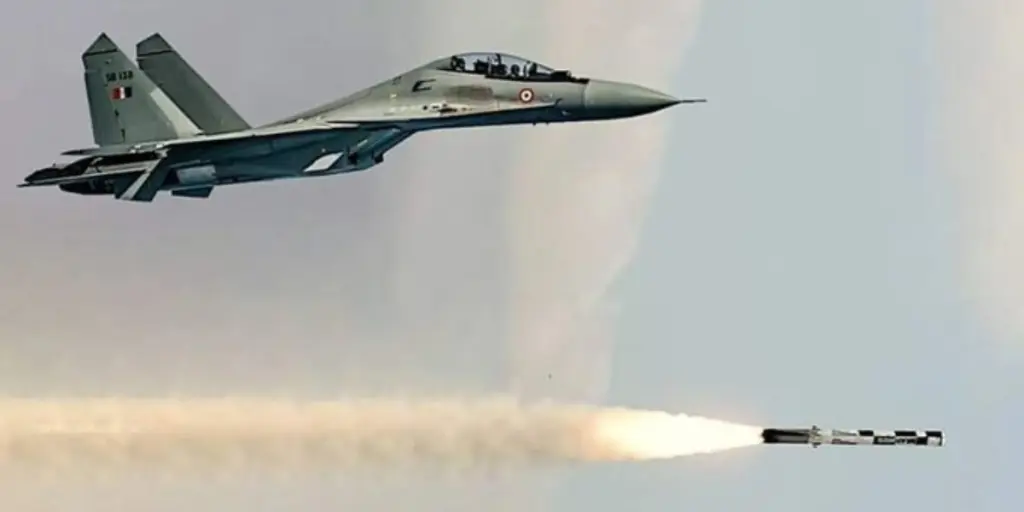
Air-to-air missiles
Most air-to-air missiles are designed for horizontal or slightly upward trajectories. They rely on forward momentum to maintain stability and guidance. Firing straight up disrupts this design and makes the missile unstable.
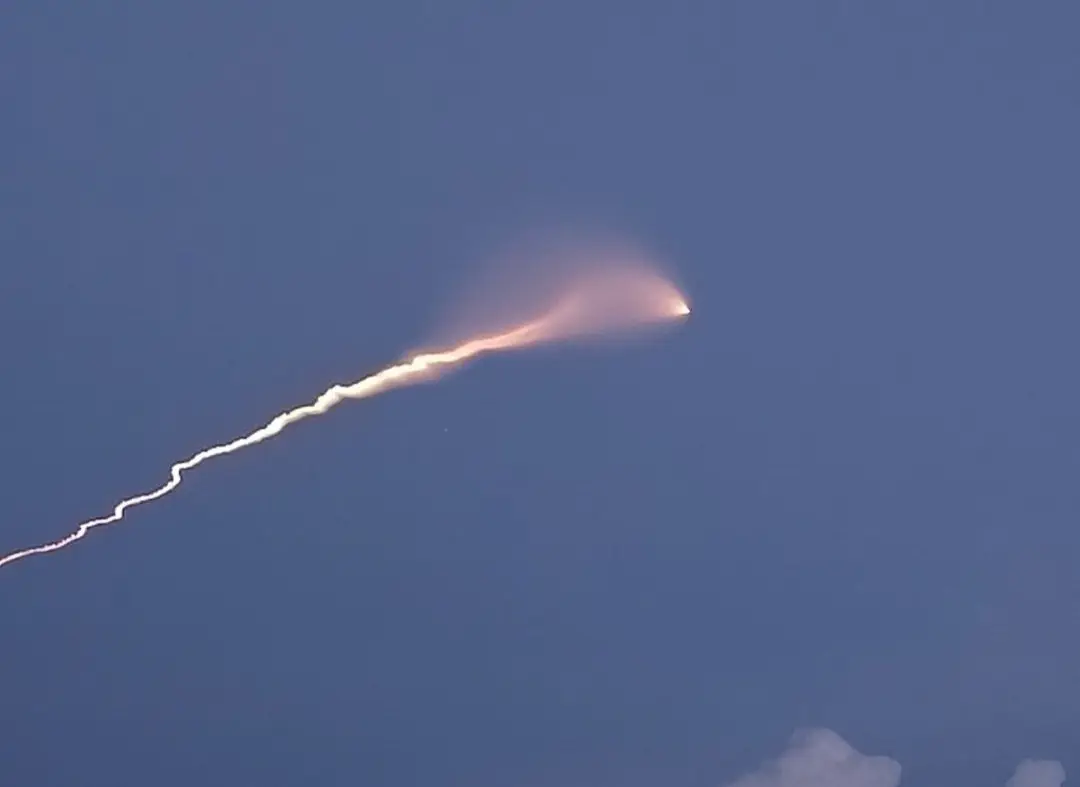
Missile target tracking capability
The missile would also lose its target tracking capability. Air-to-air missiles use radar or infrared guidance systems that work best when the target is in front of the aircraft. A vertical launch would make targeting impossible.
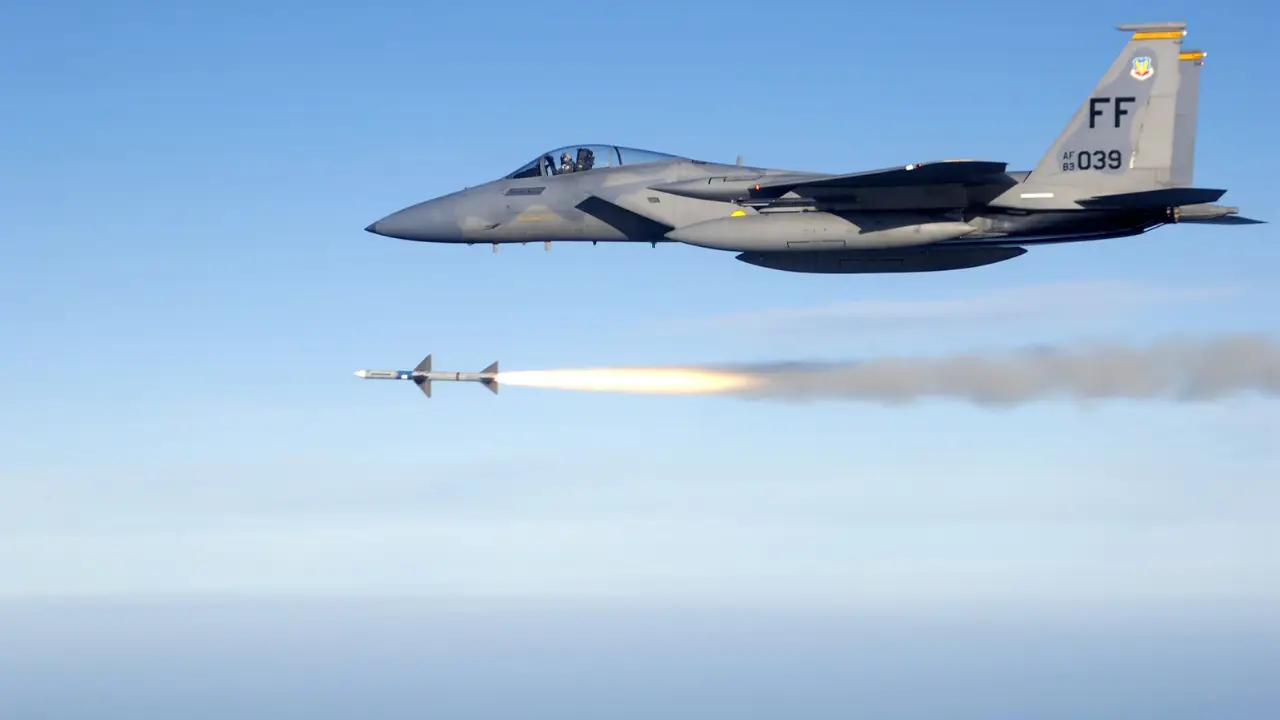
Gravity on missile
Gravity would quickly slow the missile's upward motion. Even powerful missiles can't escape Earth's gravity completely. They would reach a maximum height and then fall back down, creating a serious safety hazard.
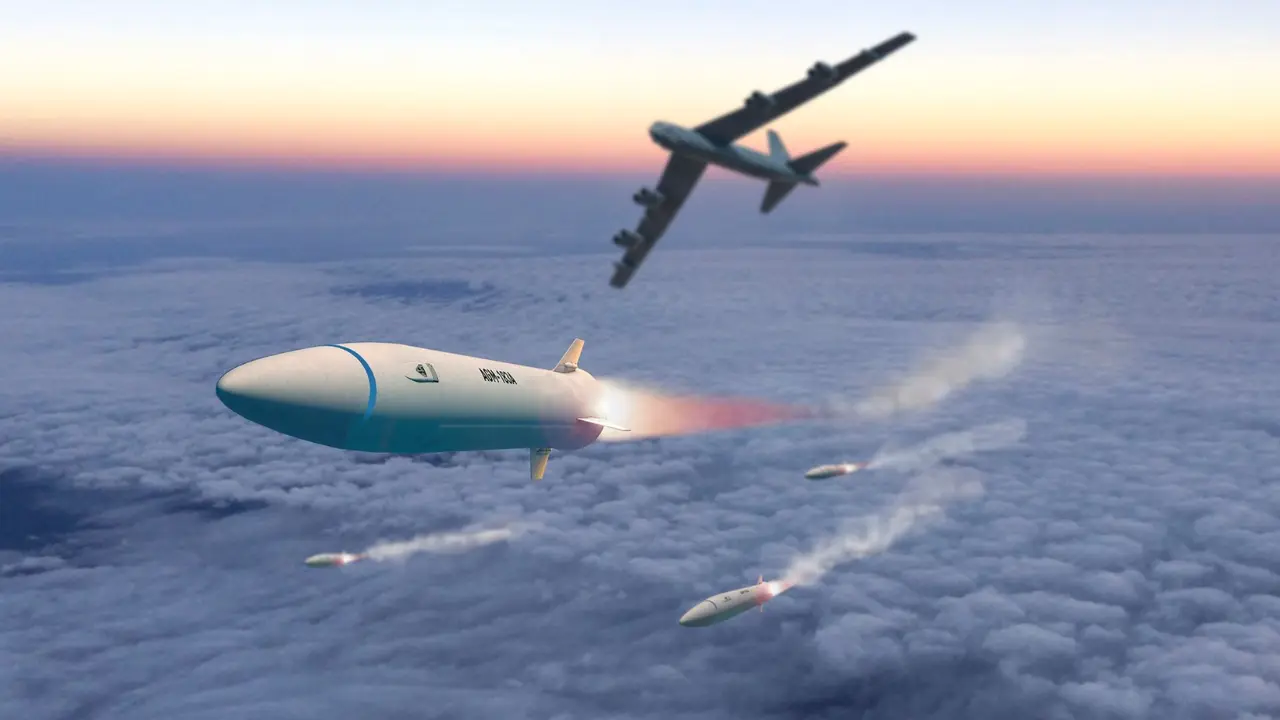
Missile guidance systems
Some military missiles are designed for vertical launch, but these are surface-to-air or surface-to-surface systems. They're launched from stationary platforms, not moving aircraft, and have different guidance systems.
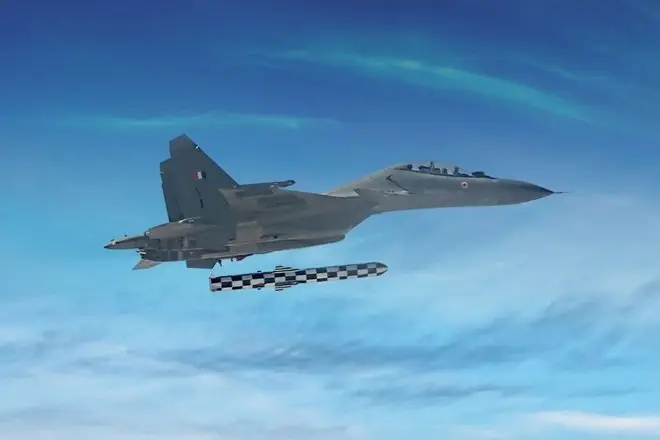
Launching aircraft is enormous
The risk to the launching aircraft is enormous. A falling missile could hit the jet, other aircraft, or ground targets. This makes vertical missile launches from fighter jets a safety nightmare.
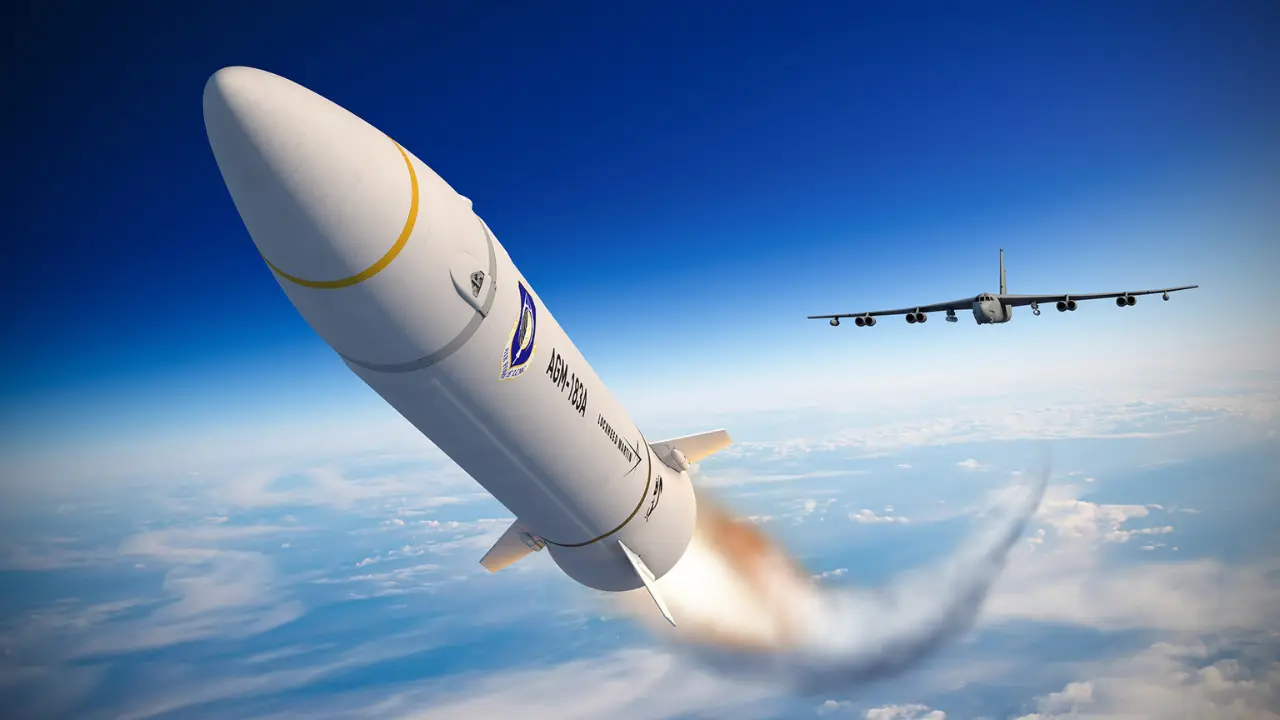
Dramatic in films
So while it might look dramatic in films, firing missiles straight up from fighter jets is not a viable tactic. Missiles are designed for specific trajectories and purposes, and vertical launches violate these design principles.
)
)
)
)
)