What happens when a fighter jet breaks the hypersonic barrier? 6 key effects

Fighter jets approaching Mach 5 or more confront unprecedented challenges, from extreme heat and air pressure to forces that push human pilots to their limits.
Introduction
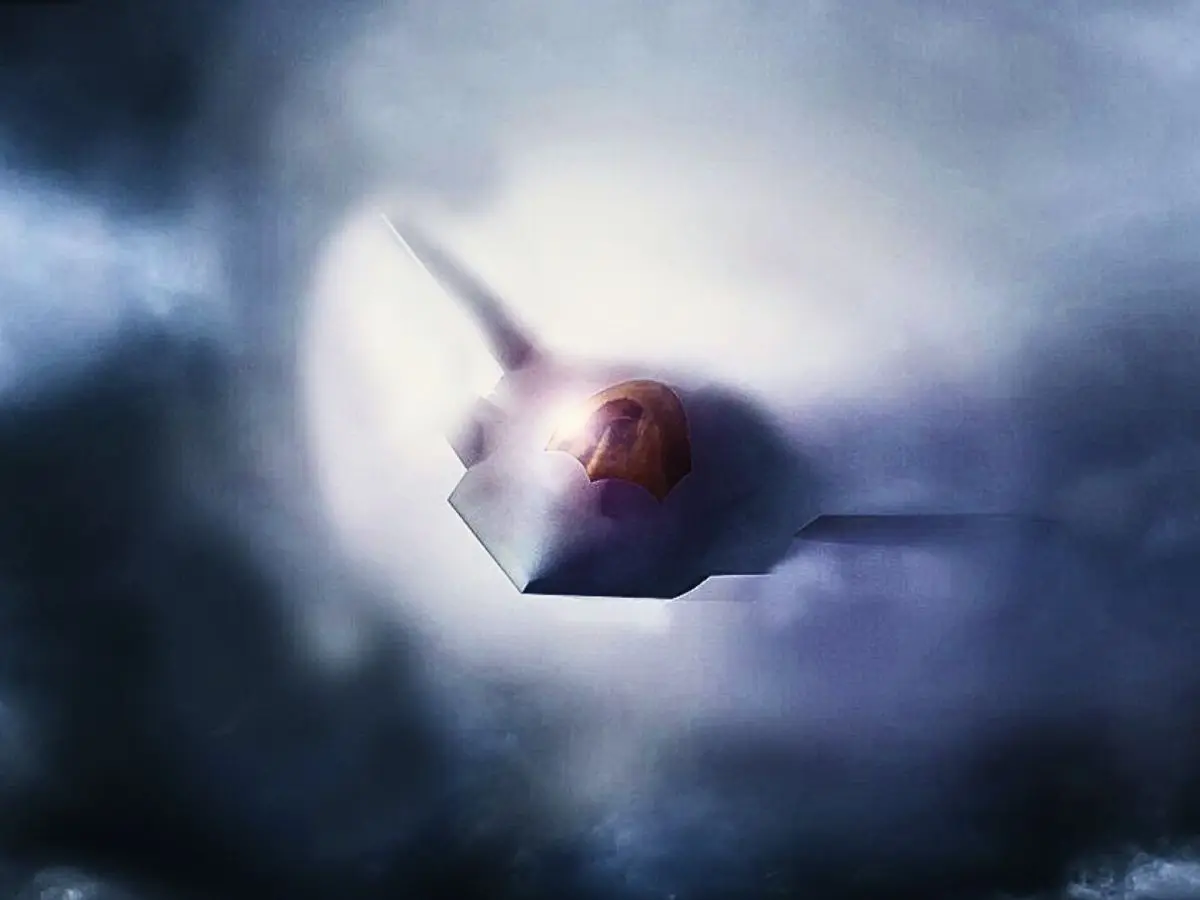
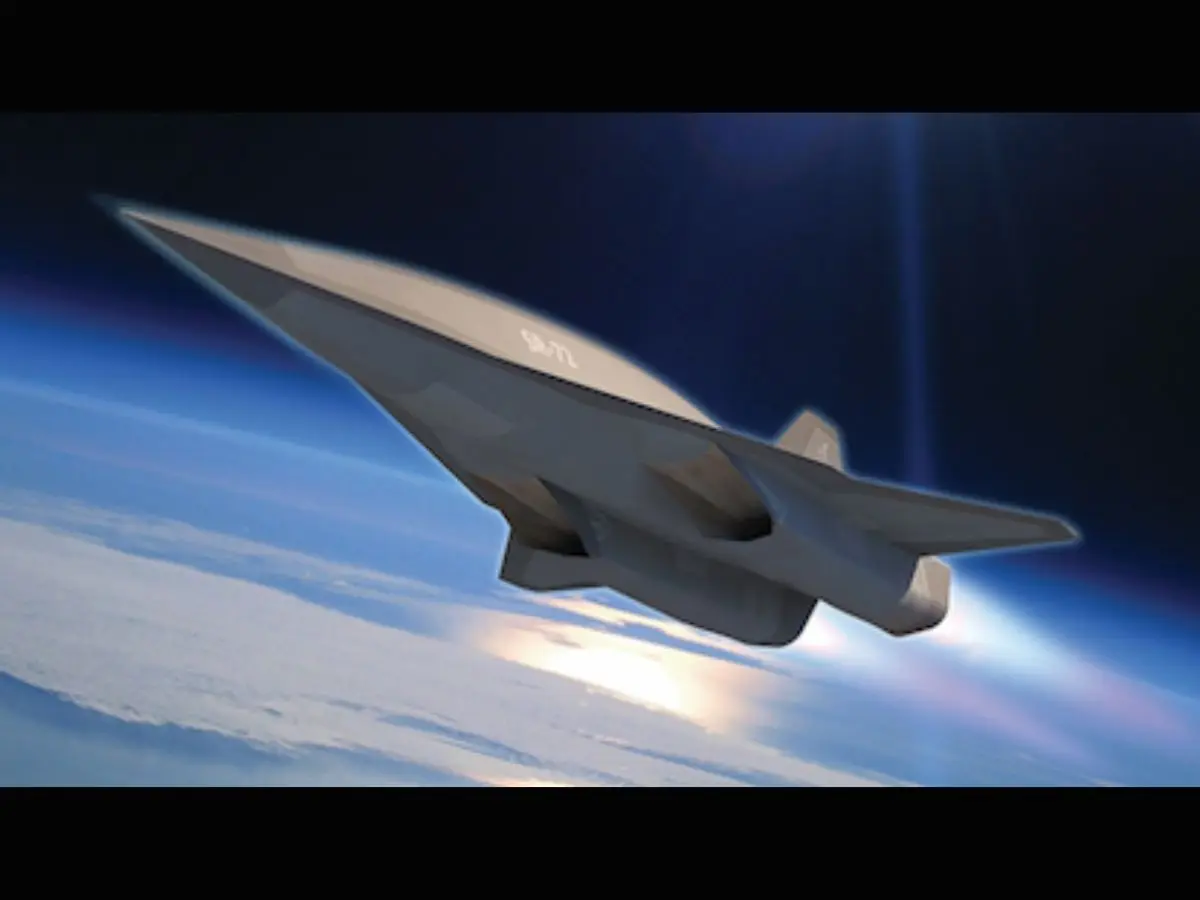
Hypersonic flight, defined as speeds exceeding Mach 5, or approximately 6,174 km/h, ushers in a new era of aviation, where the boundaries of speed, altitude, and technology converge. While no operational fighter jet has yet sustained hypersonic speeds, advancements in experimental aircraft and propulsion systems are bringing this frontier closer to reality. Understanding the implications of hypersonic flight is crucial for the future of military aviation.
1. Aerodynamic Challenges at Extreme Speeds
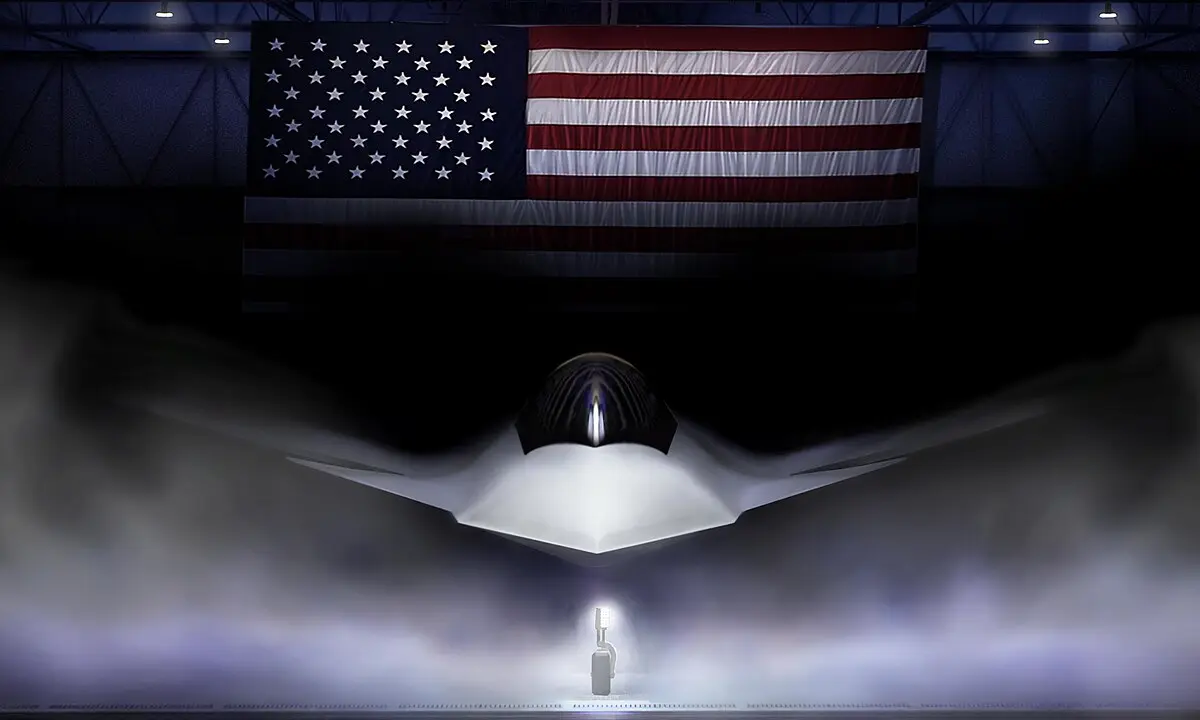
At hypersonic velocities, air behaves differently, leading to complex aerodynamic phenomena. The formation of shock waves and increased friction results in significant heating of the aircraft's surface. This necessitates advanced materials and design considerations to maintain structural integrity and performance.

2. Thermal Management: A Critical Concern
The intense heat generated at hypersonic speeds can cause materials to weaken or fail. Effective thermal management systems are essential to dissipate heat and protect sensitive components. Innovations in heat-resistant materials and active cooling technologies are being explored to address these challenges.
3. Propulsion Systems: Beyond Conventional Engines
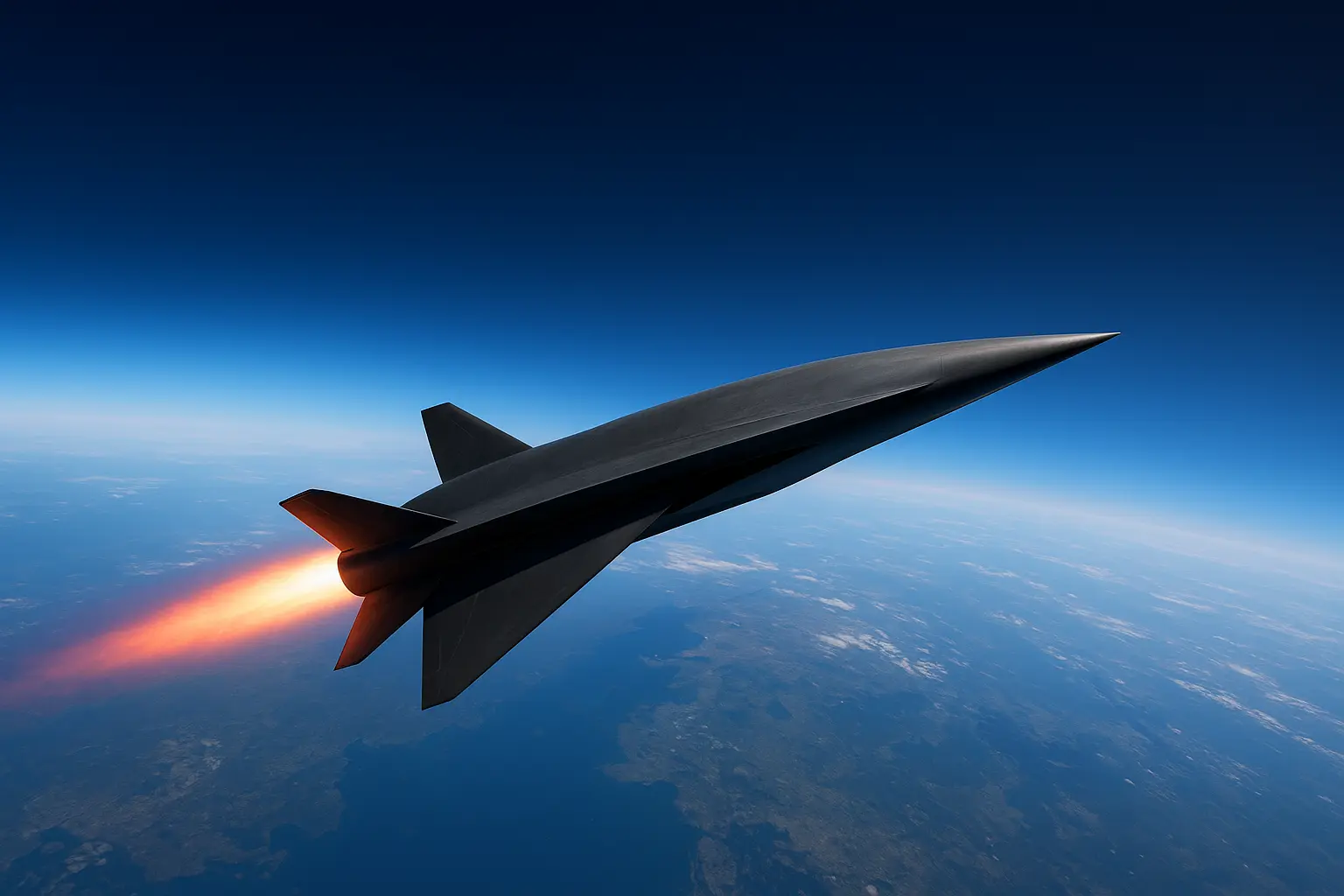
Traditional jet engines are inadequate for sustained hypersonic flight. Scramjet (supersonic combustion ramjet) engines, which operate by compressing incoming air without moving parts, are among the most promising technologies. These engines can operate efficiently at speeds greater than Mach 5, offering the potential for sustained hypersonic flight.
4. Control and Stability in Hypersonic Flight
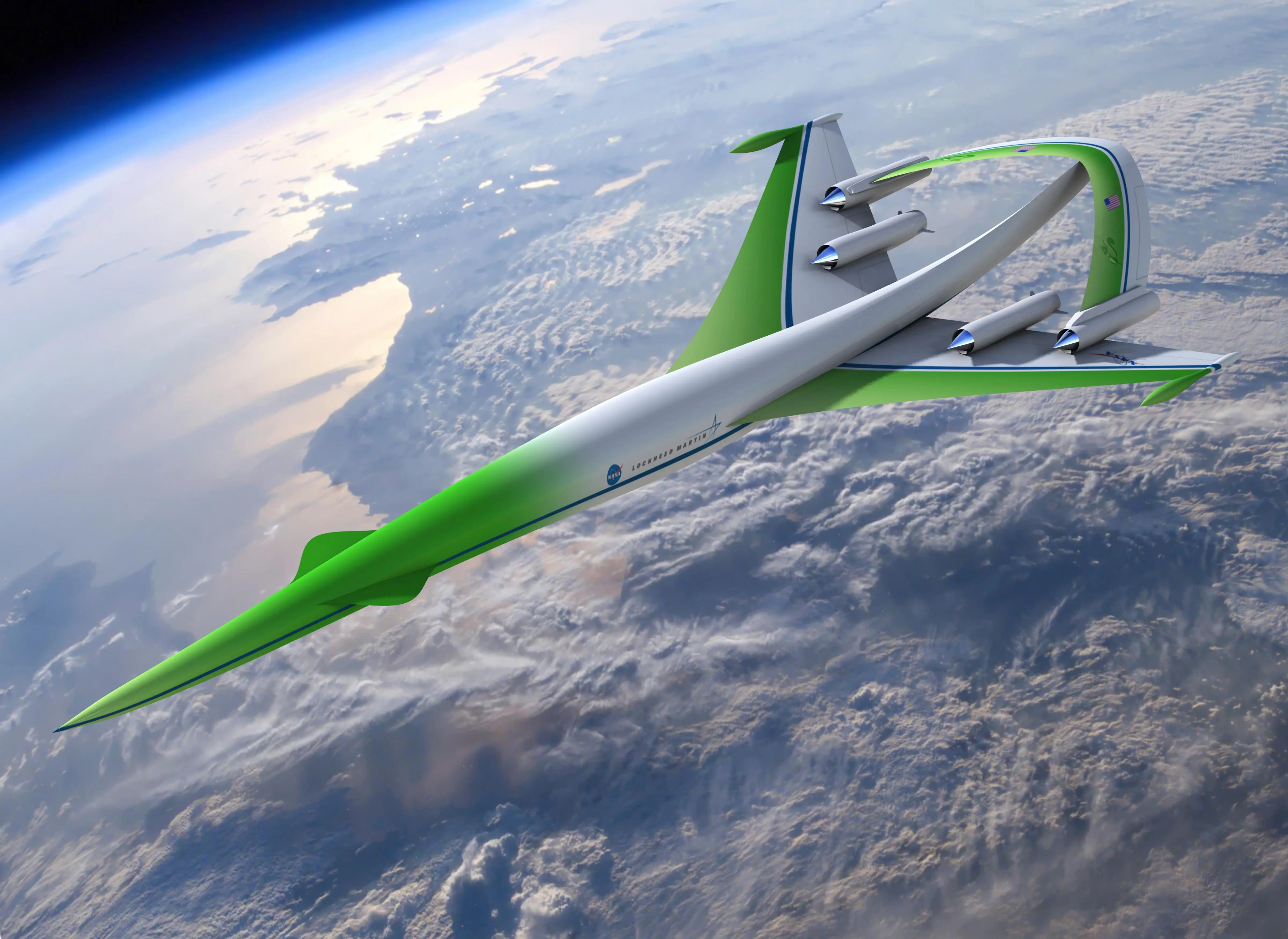
Maintaining control at hypersonic speeds is a significant challenge due to the dynamic aerodynamic forces at play. Advanced flight control systems and design modifications are required to ensure stability and manoeuvrability. Research into reaction control systems and thrust vectoring is ongoing to address these issues.
5. G‑Force Impact on Pilots at Hypersonic Speeds
Flying at hypersonic velocities exposes pilots to extreme G‑forces, particularly during acceleration, rapid turns, or evasive manoeuvres. At speeds approaching Mach 5, even slight manoeuvres can generate forces well beyond 9G, meaning the pilot experiences nine times their body weight. Such stress can cause loss of consciousness (G-LOC), blurred vision, or even long-term cardiovascular strain. Developing life-support systems and cockpit designs that accommodate these factors is vital for the feasibility of manned hypersonic flight.
6. Strategic Implications for Military Operations
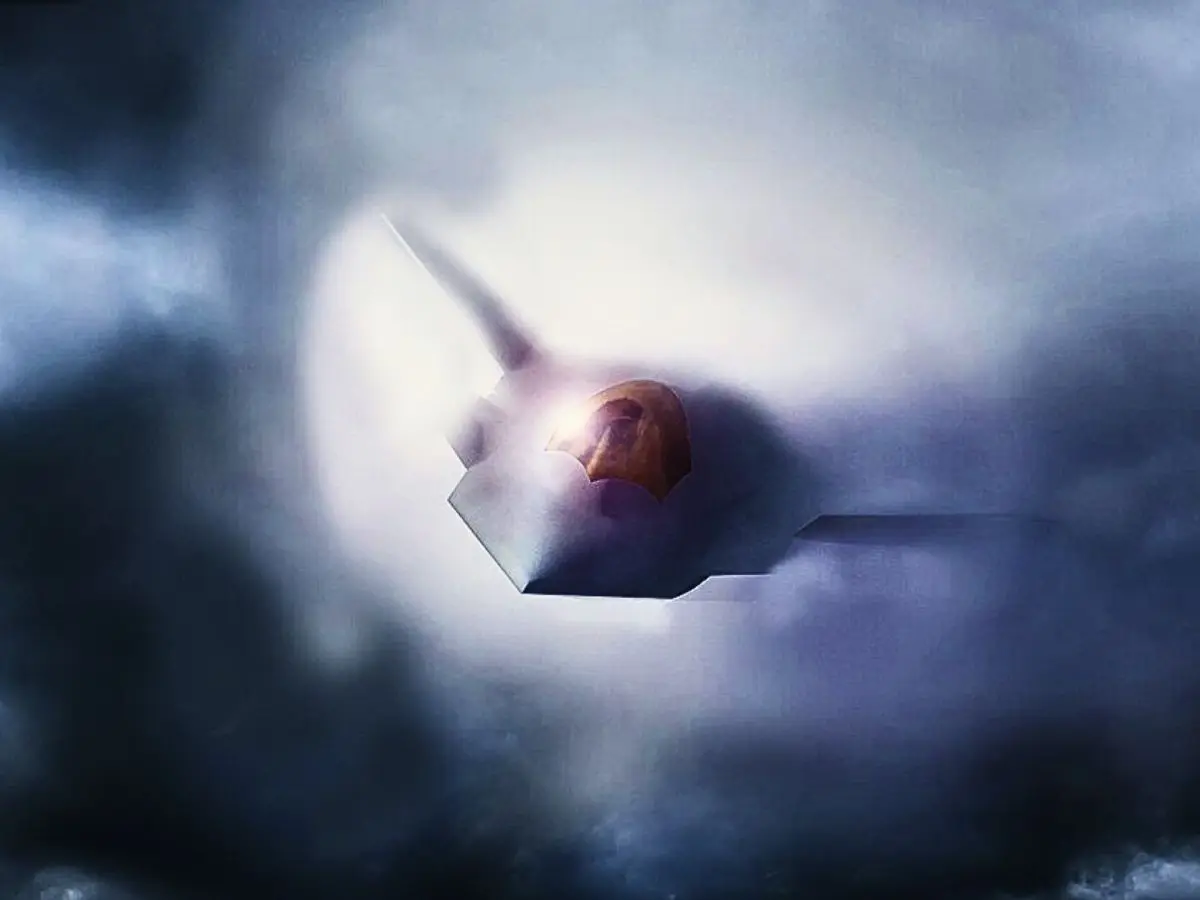
Hypersonic flight offers the potential for rapid global reach, enabling military forces to respond swiftly to threats. The development of hypersonic weapons and reconnaissance platforms could significantly alter the strategic landscape, necessitating advancements in defence systems to counter these capabilities.
The Road Ahead: Challenges and Opportunities
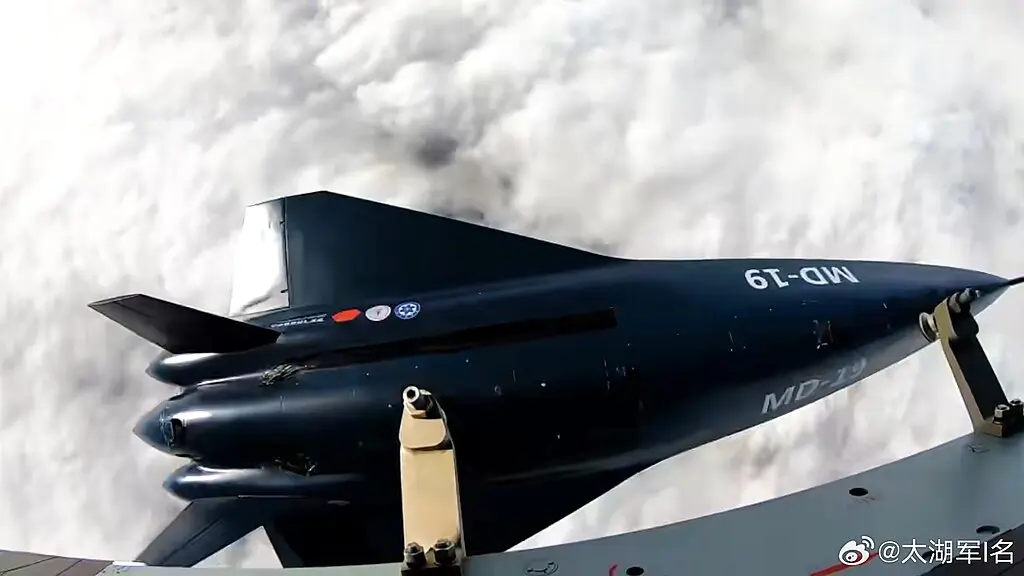
While the prospect of operational hypersonic fighter jets is on the horizon, numerous technical and logistical challenges remain. Continued research and development in materials science, propulsion technology, and systems integration are essential to overcome these hurdles. The journey toward hypersonic flight represents a convergence of innovation and ambition, promising to redefine the possibilities of air combat and global mobility.
)
)
)
)
)