What happens to astronauts if they take off their spacesuit in space? The truth is terrifying

In space, the absence of pressure and breathable air triggers immediate and severe physiological crises, making survival impossible without specialised equipment.
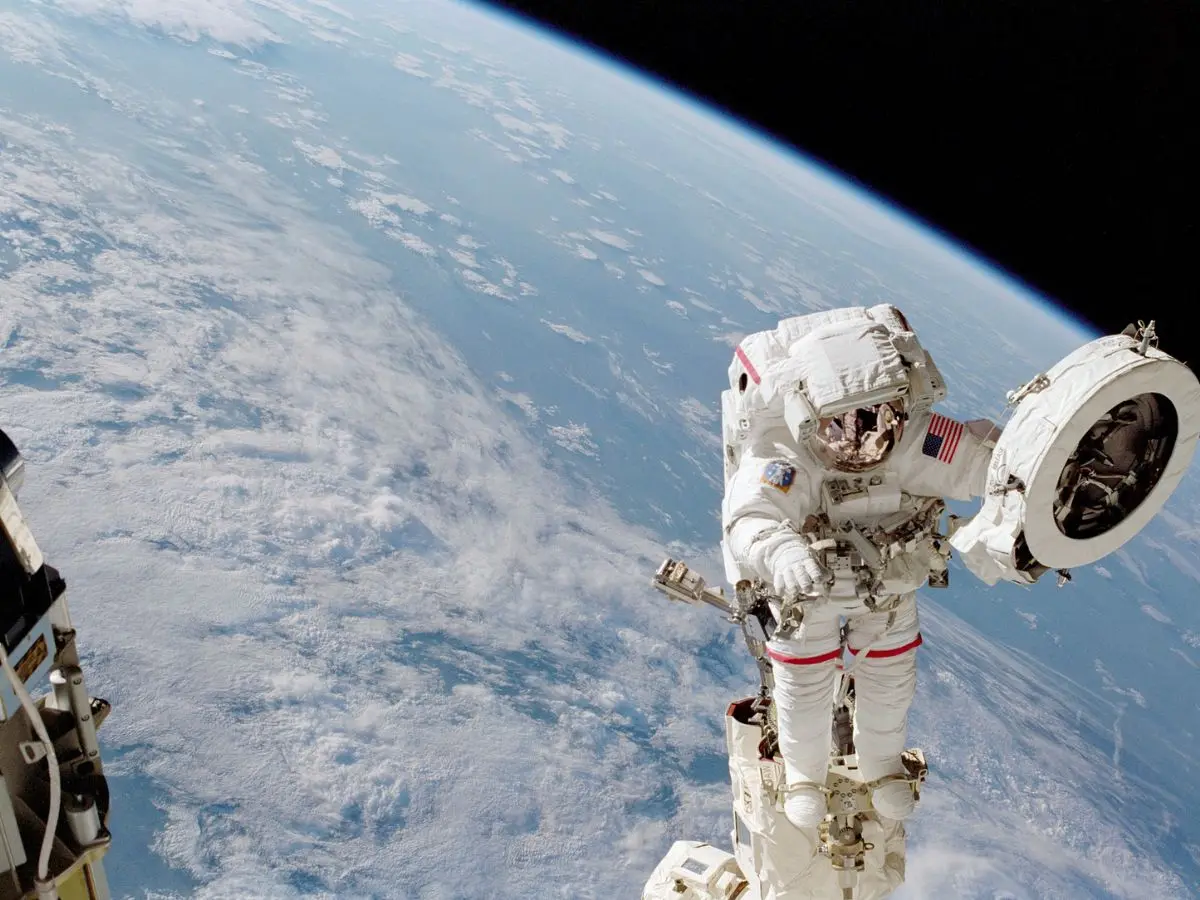
The Deadly Vacuum of Space
Stepping outside a spacecraft into the airless vacuum of space without a protective suit would be instantly life-threatening. The human body is designed to function under Earth’s atmospheric pressure and oxygen-rich environment. In space, the absence of pressure and breathable air triggers immediate and severe physiological crises, making survival impossible without specialised equipment.
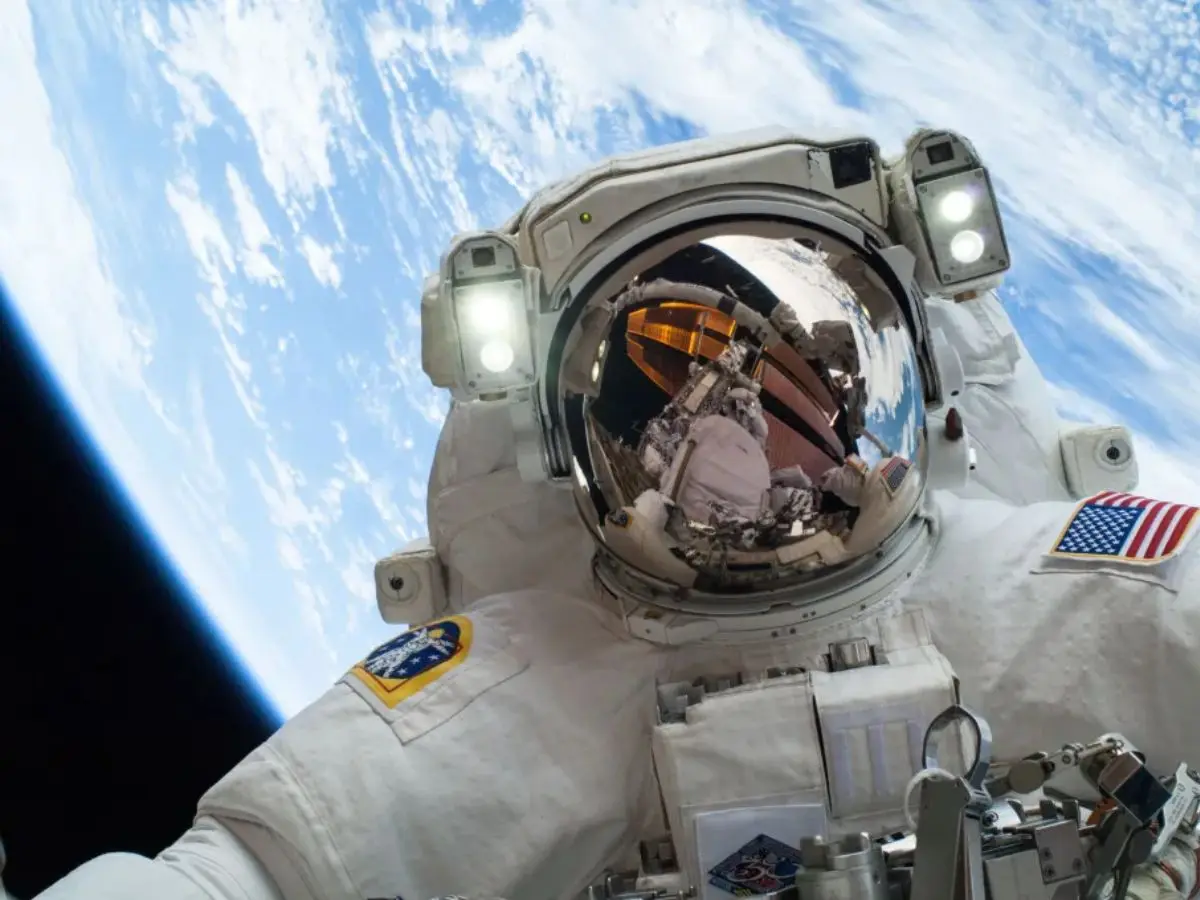
Ebullism: Boiling from Within
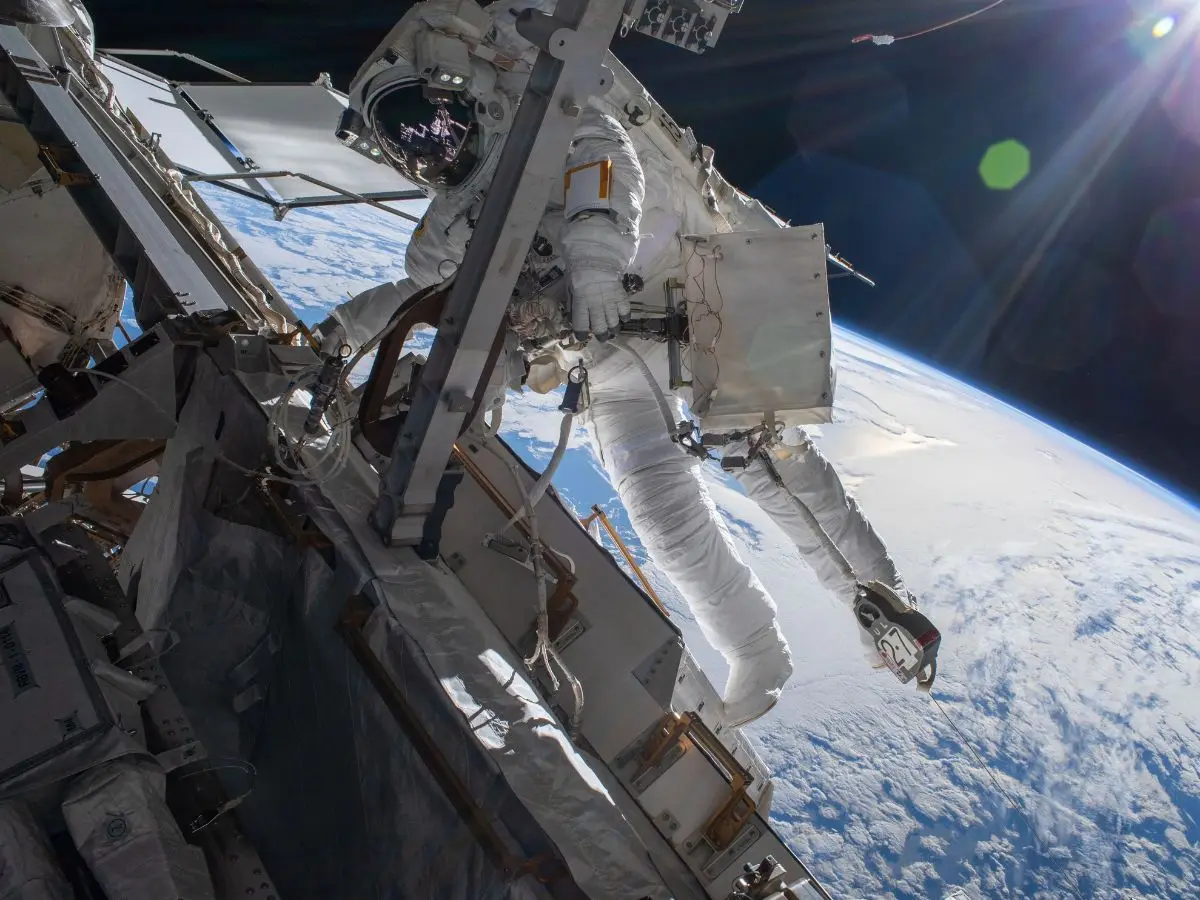
One of the most immediate threats is ebullism, where body fluids start to boil due to near-zero pressure. Blood, saliva, and other bodily fluids would form gas bubbles, leading to cardiac arrest and brain failure within seconds. Spacesuits counteract this by maintaining a minimum internal pressure of around 0.3 bar, keeping fluids stable and organs functional. Historical cases, like Soviet cosmonaut Alexei Leonov’s 1965 spacewalk, highlight the dangers. Leonov’s suit expanded in the vacuum, forcing him to partially depressurise to return safely to the spacecraft.
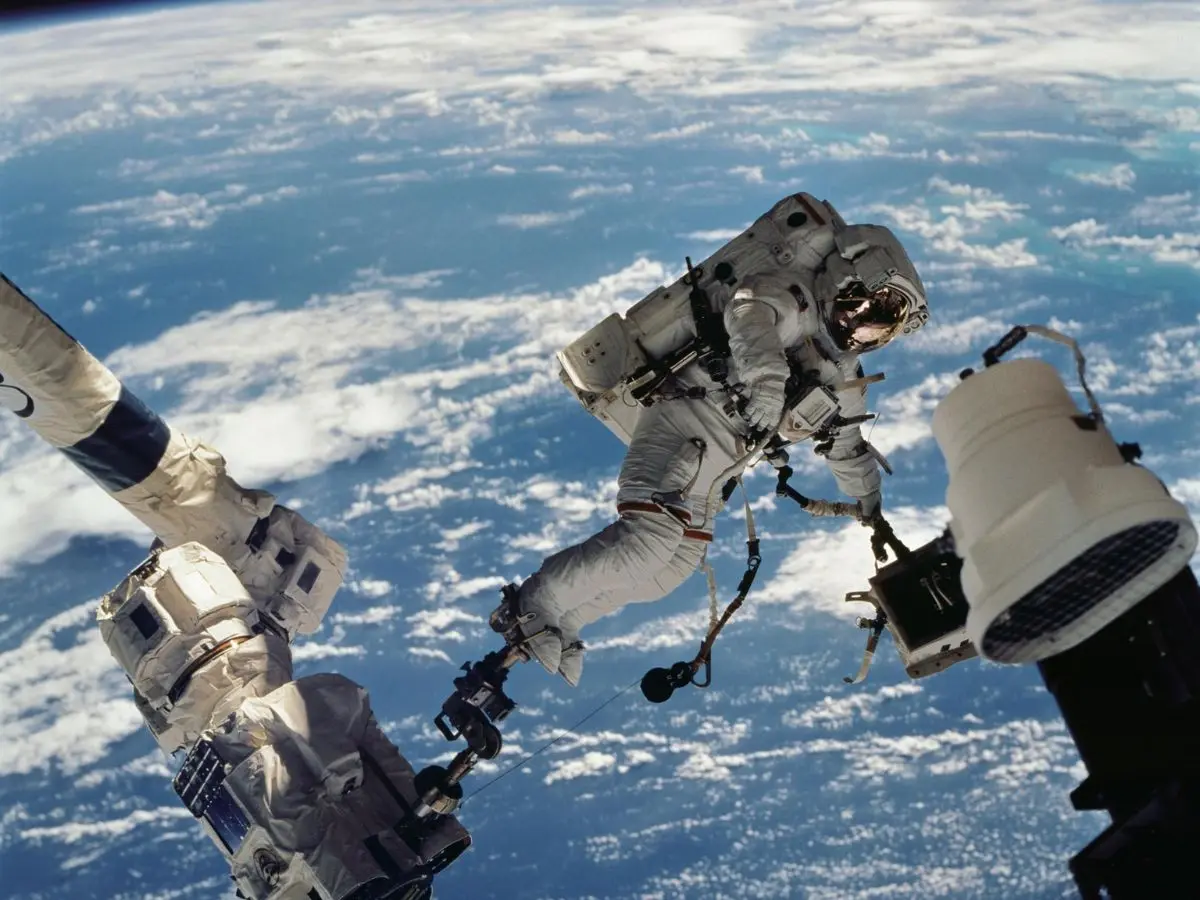
Extreme Temperatures
Space exposes the body to intense temperature extremes. Sun-facing surfaces can heat up to 150°C (302°F), while shaded areas drop to -150°C (-238°F). This 300°C swing can simultaneously cause burns and frostbite. Without an atmosphere to distribute heat, organ damage and thermal shock occur rapidly.
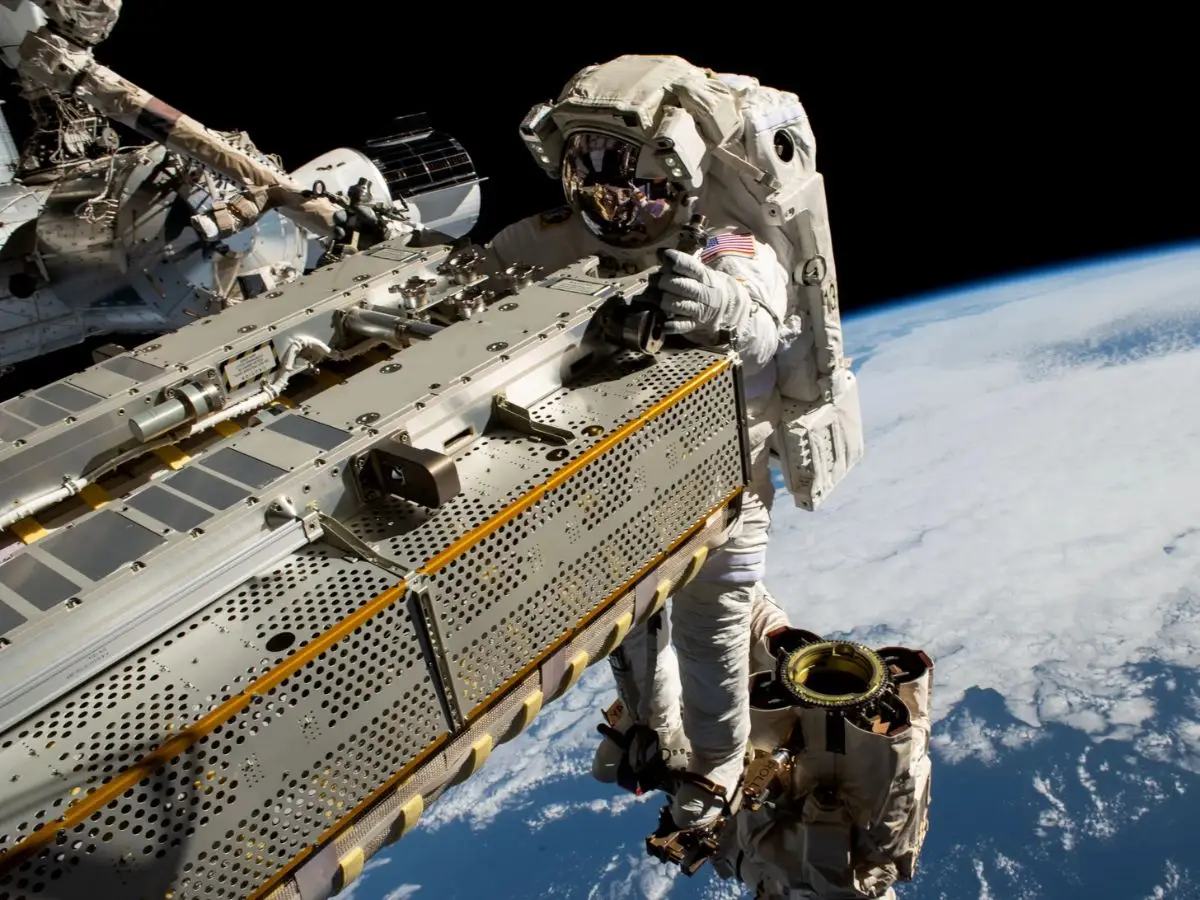
Radiation Exposure
Space is filled with high-energy particles, including cosmic rays, solar protons, and helium nuclei. These particles attack DNA and the nervous system, increasing cancer risk, neurological damage, and weakening cellular repair mechanisms. Proper shielding within spacesuits and spacecraft is essential to mitigate these invisible threats.
Oxygen Deprivation
Without air, asphyxiation happens within minutes. The brain begins to suffer irreversible damage, followed quickly by death. Spacesuits supply a controlled oxygen flow to prevent hypoxia, highlighting the critical role of life-support systems.
The Complexity of Spacesuits
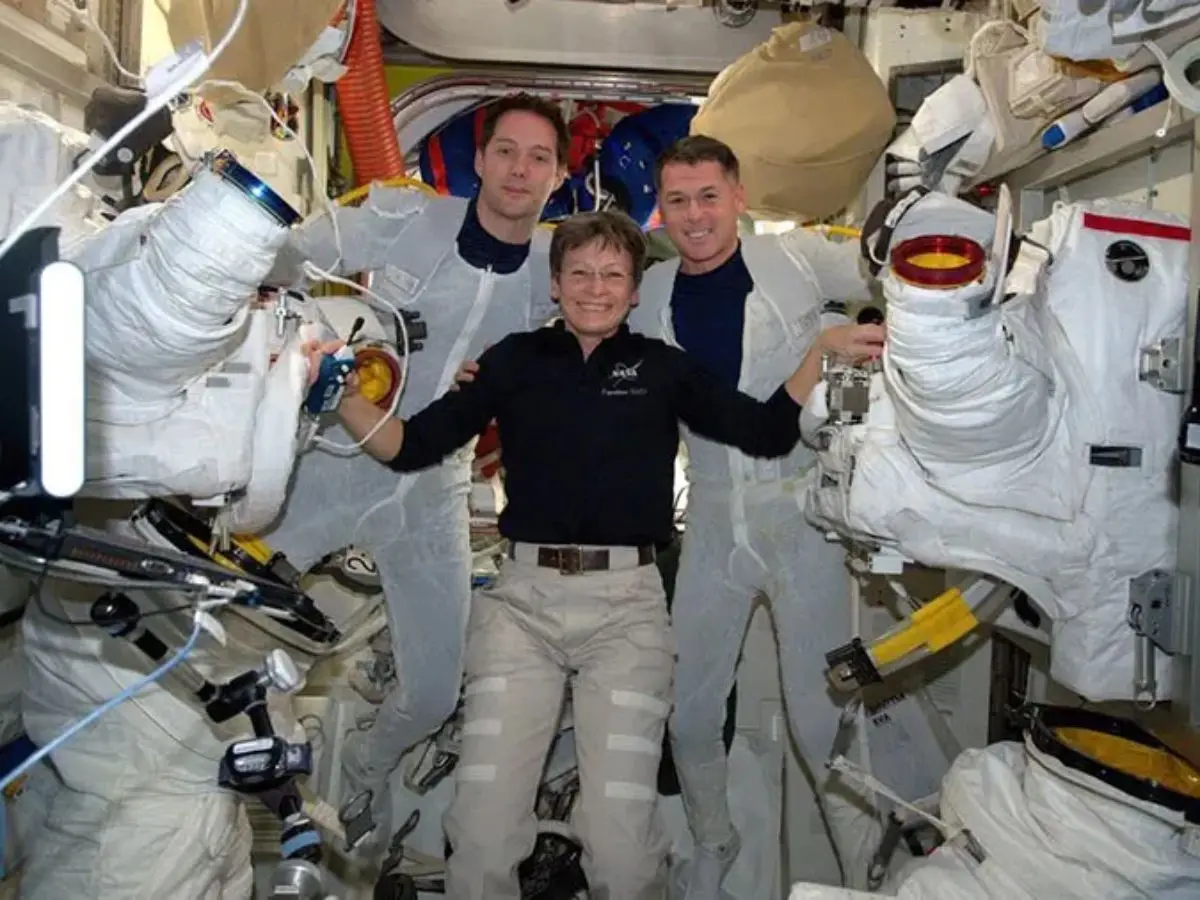
Even with a suit, astronauts face hazards. In 2013, Luca Parmitano nearly drowned when a suit cooling system leak filled his helmet with water. Suits must manage oxygen, pressure, temperature, and humidity simultaneously. A single malfunction can turn routine operations into life-threatening emergencies.
Training and Survival
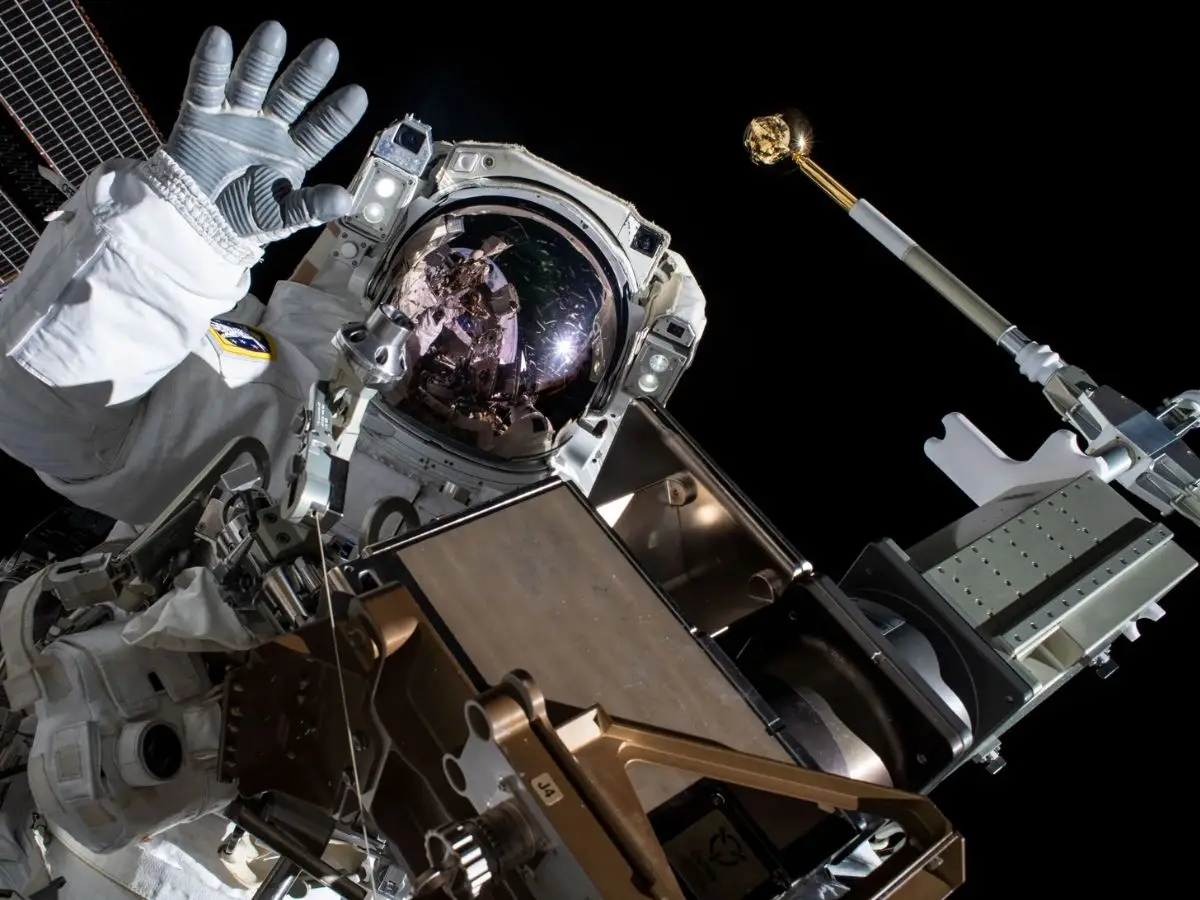
Astronauts rehearse emergency scenarios constantly, including rapid returns to pressurised airlocks. The extreme environment of space means survival depends entirely on engineering precision. One suit, functioning correctly, is the only barrier between life and the void. Space exploration remains a high-risk endeavour where human survival hinges on flawless technology.
)
)
)
)
)