Why scientists are closely monitoring 3I/ATLAS’s spin and trajectory

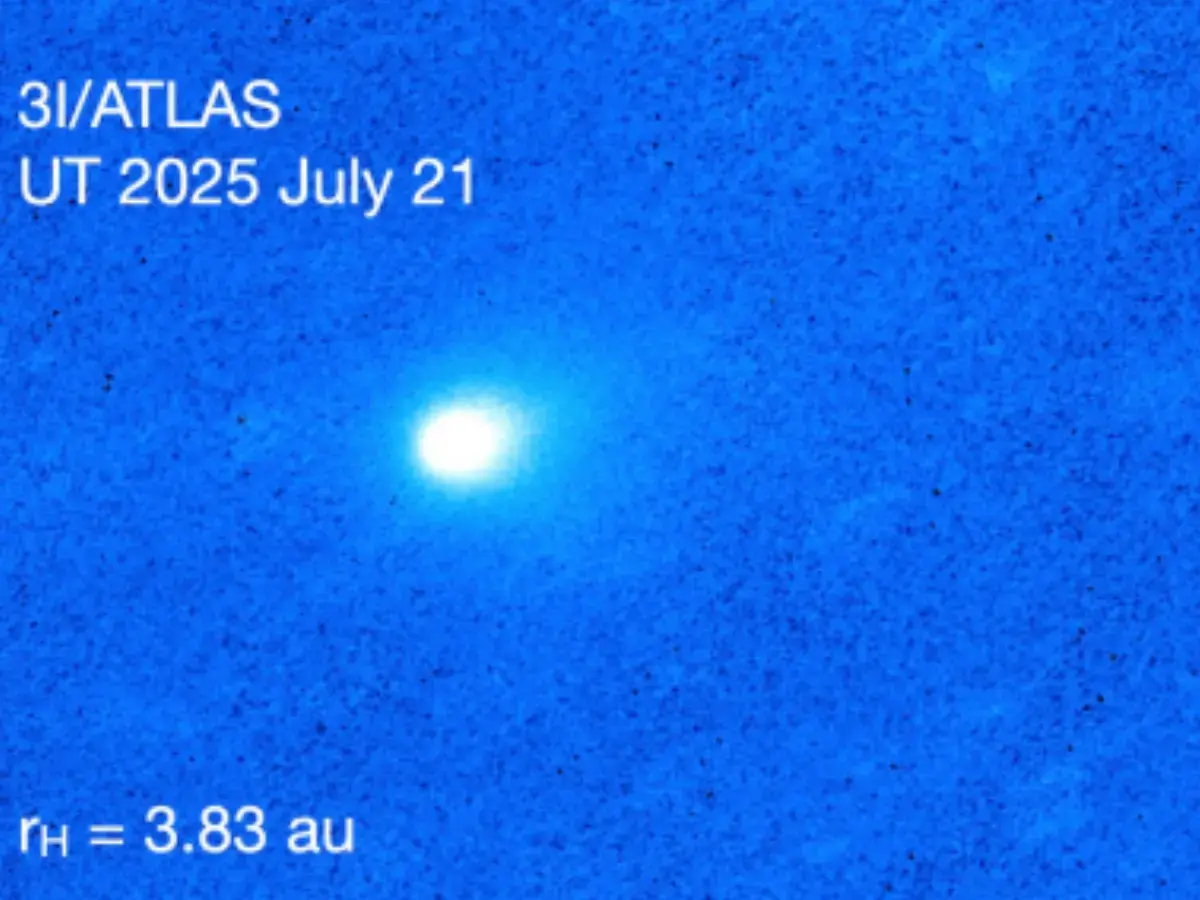
The interstellar comet 3I/ATLAS has been closely watched by scientists because of its unusual spin and trajectory. 3I/ATLAS’s unique spin and hyperbolic path help scientists understand how interstellar comets behave. Its motion reveals clues about comet activity and forces beyond gravity.
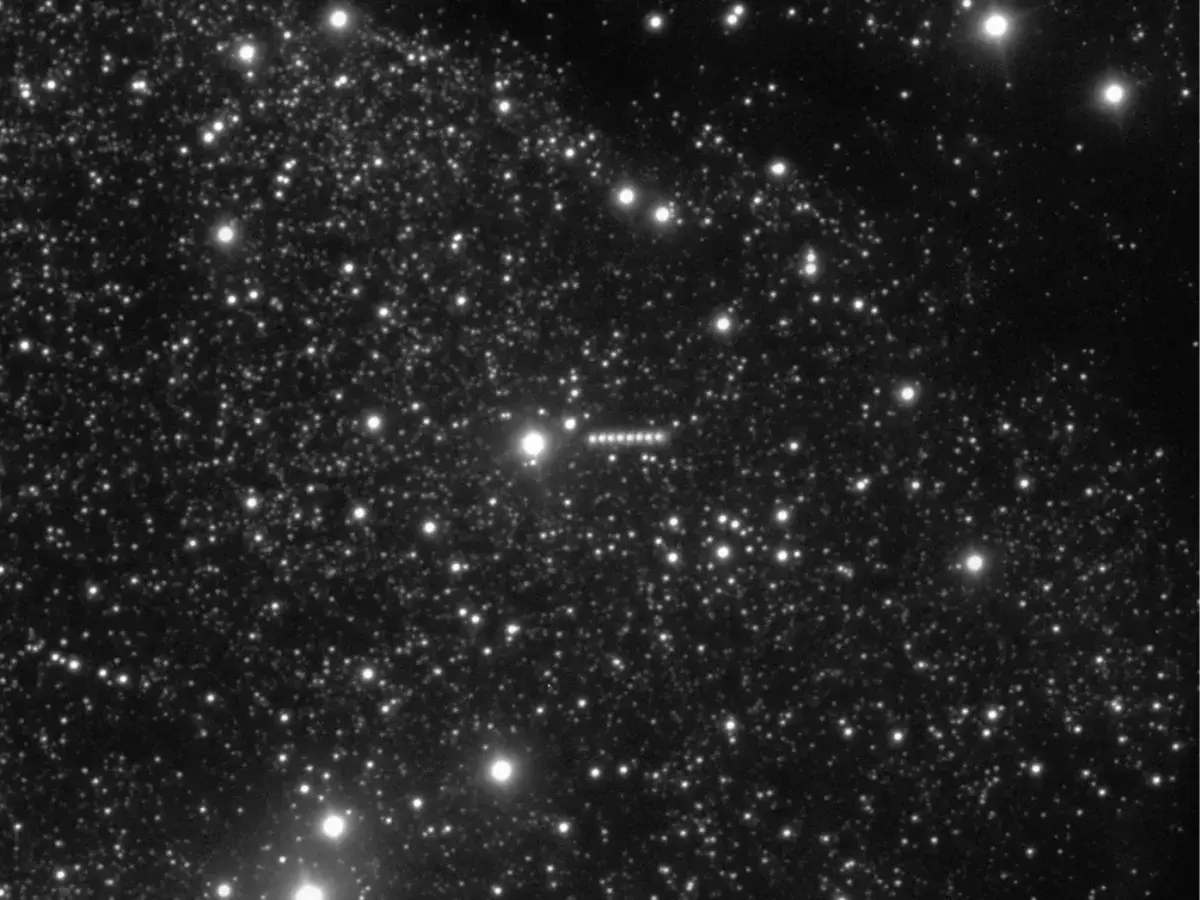
What Is 3I/ATLAS’s Spin?
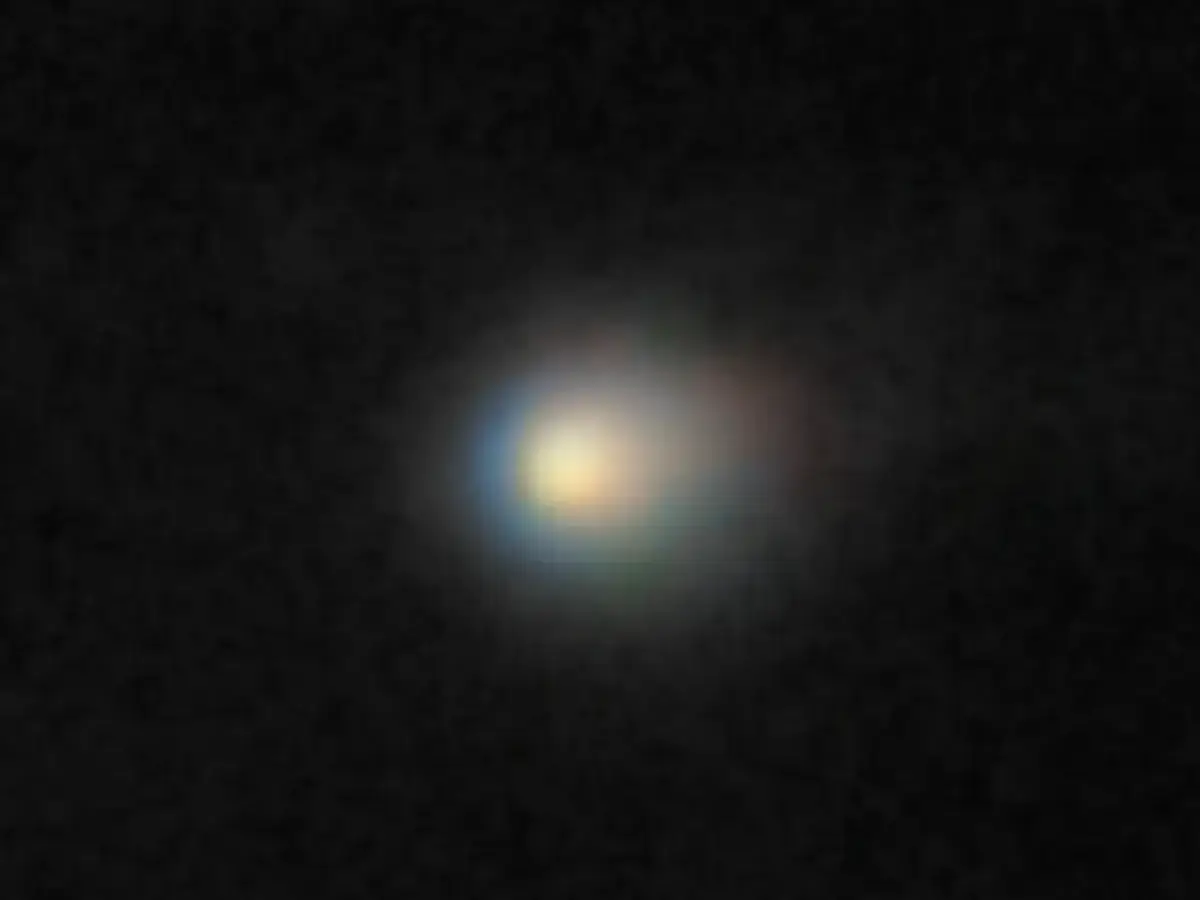
Scientists measured 3I/ATLAS’s spin as roughly 16.16 hours per rotation. Its nucleus is unevenly shaped, causing changes in brightness as it turns. However, its dusty coma partly hides the spin, making precise measurement difficult.
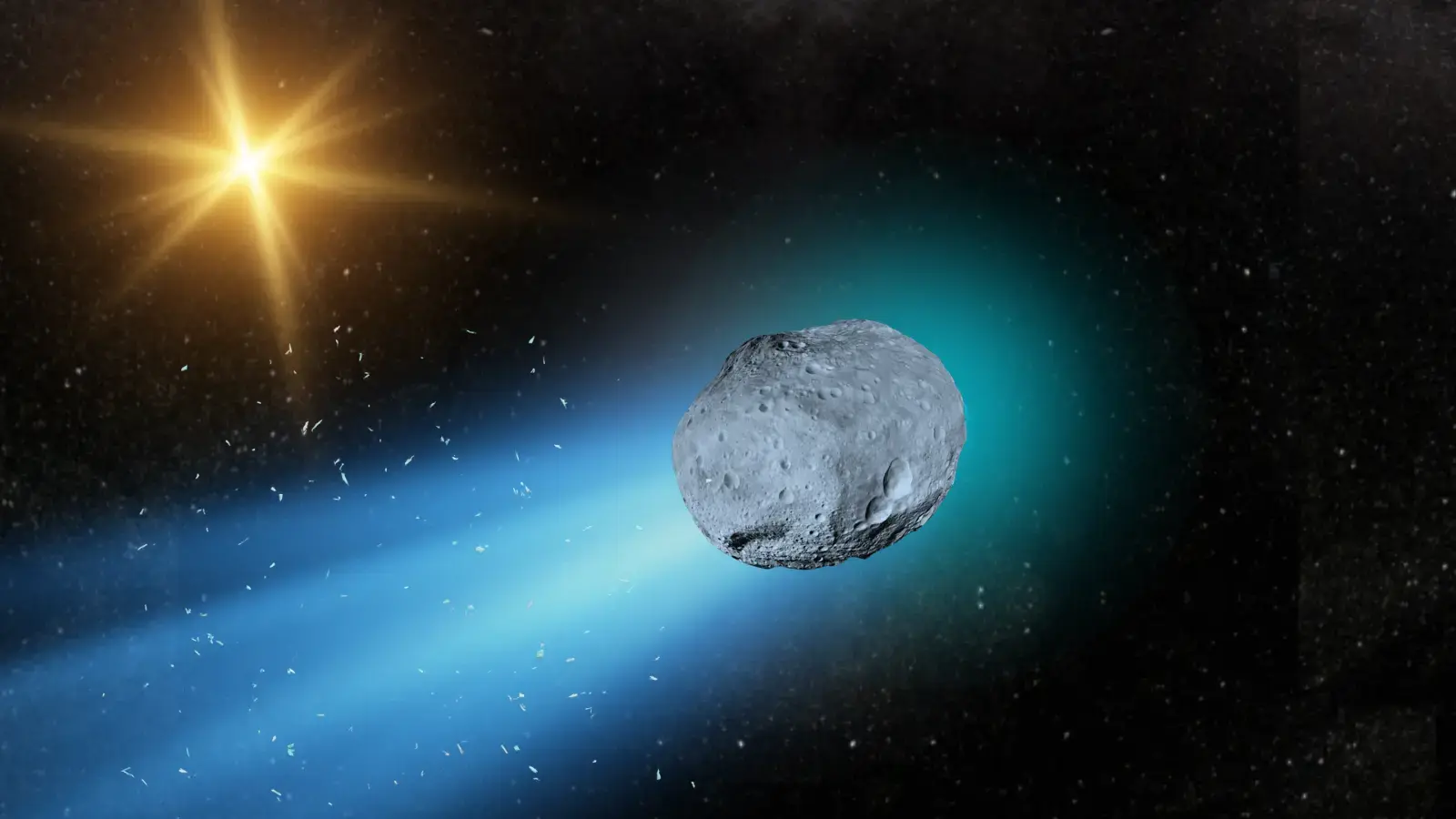
Why Is Its Spin Important?
The spin affects how sunlight heats the comet and causes jets of gas and dust. These jets push the comet and can change its speed and direction slightly a phenomenon called non-gravitational acceleration. Studying the spin helps explain these small but significant forces.
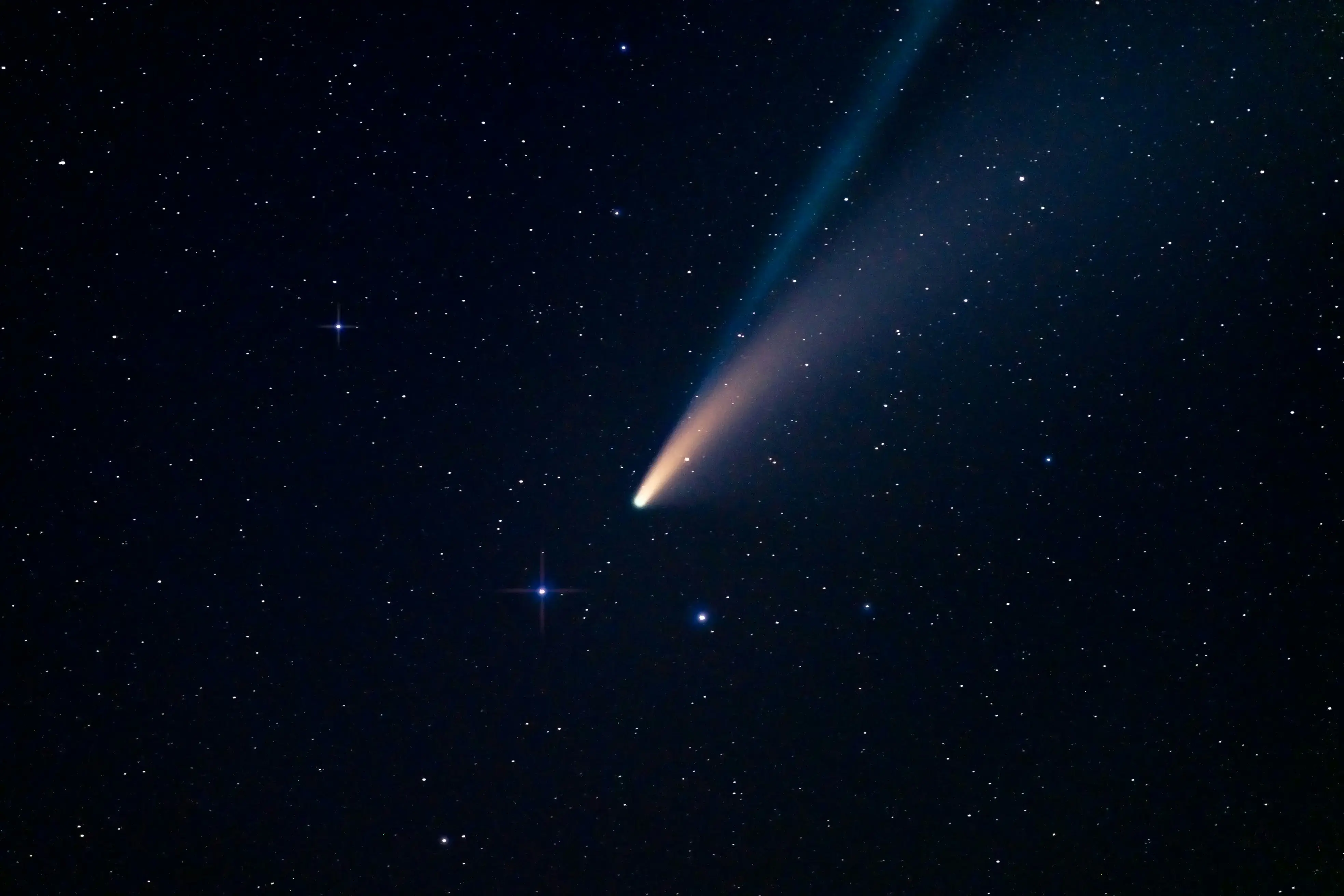
Trajectory and Path Unusualness
3I/ATLAS follows a hyperbolic orbit with a very high eccentricity around 6.1, meaning its path is almost a straight line, unlike most comets with elliptical orbits. This high eccentricity means it came from outside our solar system and will not return.
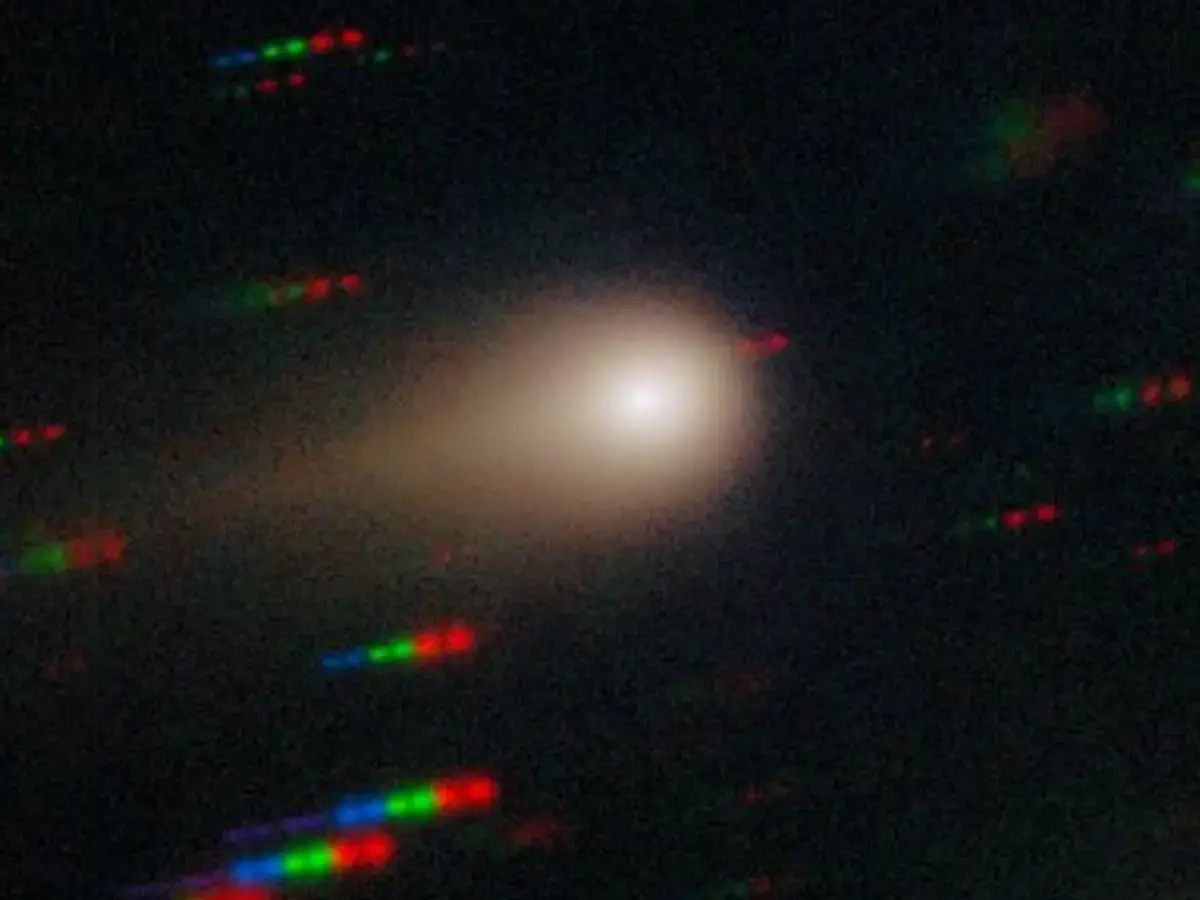
Spin-Trajectory Link
Jets caused by the comet’s spin can alter its trajectory over time, a rare observation for comets. 3I/ATLAS shows this effect, making its path more complex and intriguing to track.
Monitoring by Global Observatories
Observatories worldwide, including the Hubble Space Telescope and ESA’s Mars Express, work together to measure 3I/ATLAS’s spin and path. Their data improves predictions and helps scientists understand comet behaviour in extreme environments.
Why Study Its Spin and Path?
Understanding spin and trajectory reveals not only how comets behave near the Sun but also clues about their makeup and history. 3I/ATLAS’s unusual features challenge older ideas about interstellar objects and can help develop better space object tracking systems.
What Could We Learn Next?
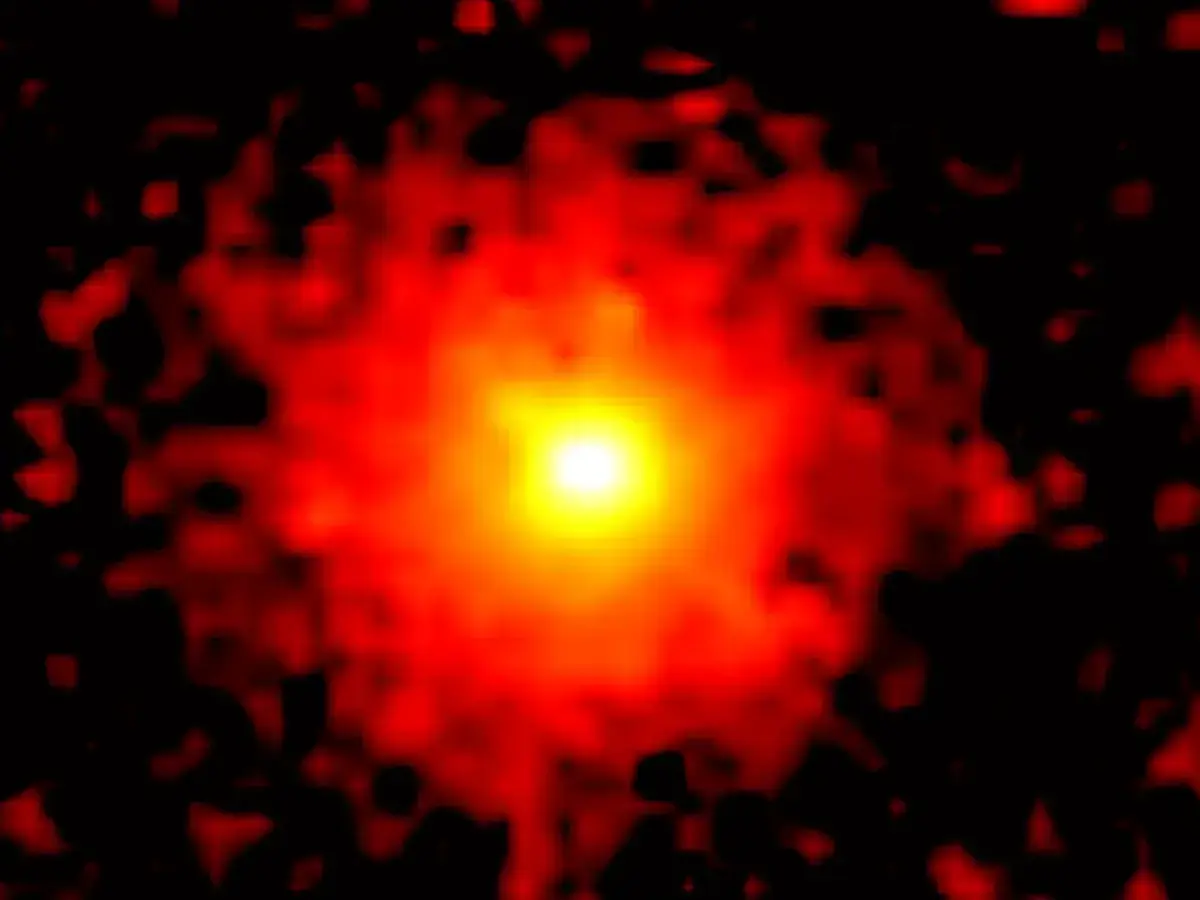
As 3I/ATLAS continues its journey, closer observation of spin changes and small trajectory shifts may reveal details of outgassing, chemical composition, or artificial activity theories. These studies help prepare for future interstellar visitors.
)
)
)
)
)