What happens if you eject at supersonic speeds from a fighter jet?

Even with a helmet and flight suit, the sheer force can cause severe injuries, including broken limbs, spinal damage or dislocation of the shoulders.
The Split-Second Choice
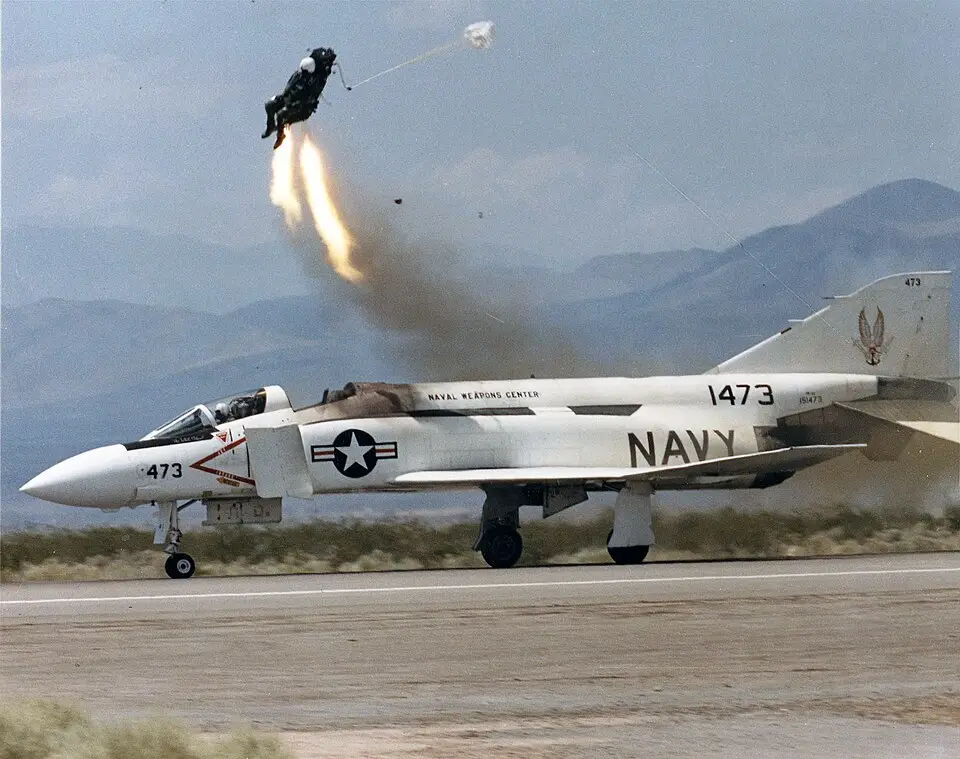
Ejecting from a fighter jet is always a last resort, triggered when staying in the cockpit would be fatal. Modern ejection seats are designed to save a pilot’s life in extreme scenarios, but if the aircraft is flying at supersonic speeds, faster than the speed of sound, roughly Mach 1 or about 1,235 km/h at sea level, the act becomes far more dangerous than many realise.
The Force of the Airflow
At speeds above Mach 1, the pilot is slammed by intense windblast immediately upon leaving the cockpit. Even with a helmet and flight suit, the sheer force can cause severe injuries, including broken limbs, spinal damage or dislocation of the shoulders. The canopy shatters or is blown away first, but the sudden deceleration outside the cockpit is so violent that it often tears equipment, or even limbs , from the pilot’s body.
The Temperature Shock
At high altitude and supersonic speed, pilots can face an instant temperature drop. While cockpit systems keep them warm, once outside, a pilot may experience temperatures as low as -50°C. Combined with windchill from supersonic airflow, the pilot’s body temperature can drop quickly, leading to hypothermia or frostbite if rescue is delayed.
Protective Equipment
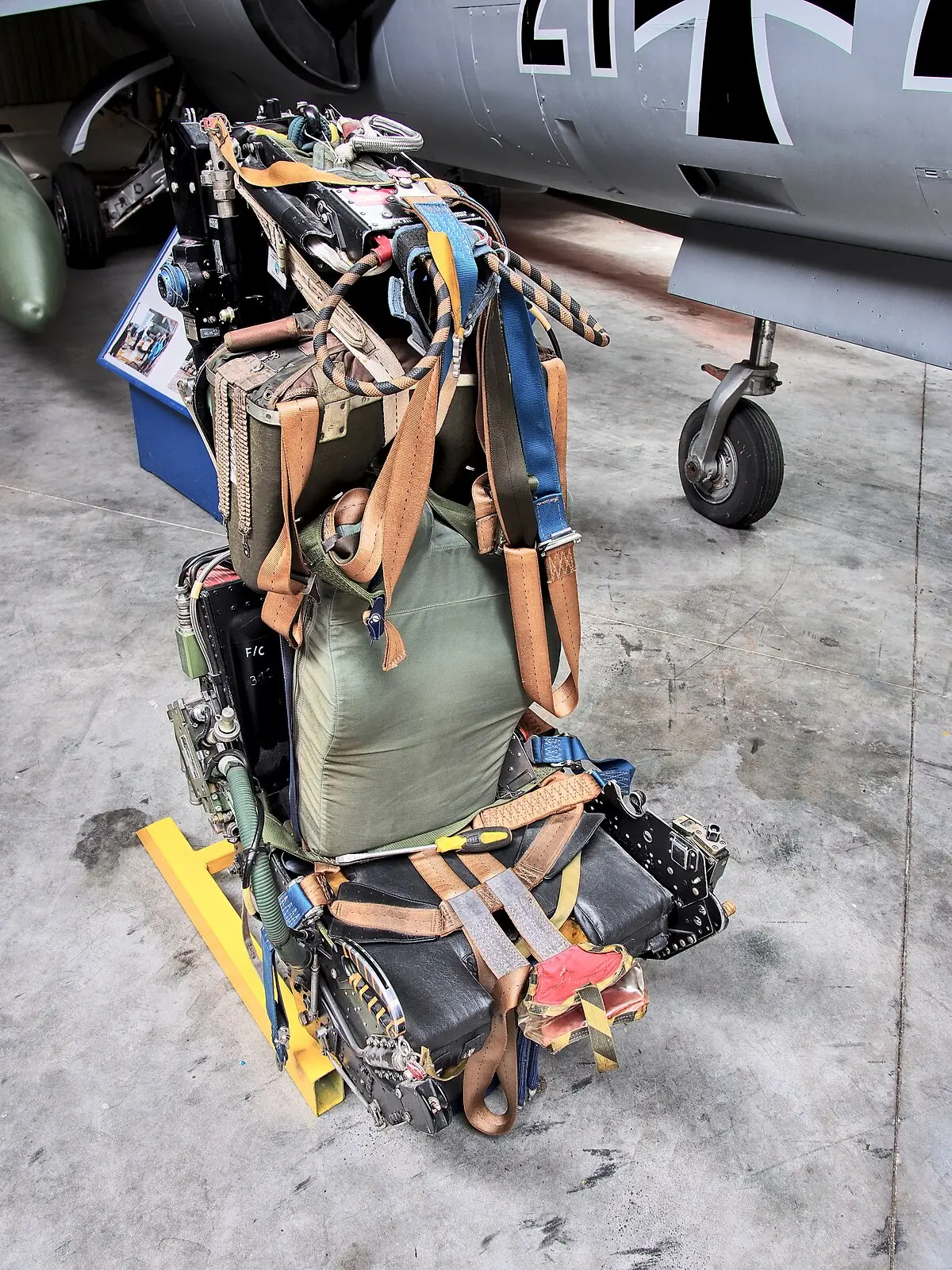
Modern ejection seats are fitted with leg restraints, automatic parachute deployment and survival kits. Helmets are reinforced, and visors protect the face from fragments and windblast. Flight suits help resist extreme temperatures, and anti-G suits help pilots cope with rapid changes in pressure and acceleration. Still, these are mitigation measures, not complete protection.
The Limits of Survival
Though some pilots have survived ejections at speeds over Mach 1, the recommended safe ejection envelope is typically well below supersonic speed. For instance, Martin-Baker seats are tested up to around 600 knots (about Mach 0.9). Beyond this, the chance of fatal injury or long-term disability increases sharply.
After the Ejection
If a pilot survives the windblast, rapid deceleration and temperature extremes, the parachute slows the descent. Modern systems deploy automatically at the correct altitude. On landing, pilots can still suffer injuries from rough terrain, water impact or entanglement. Medical evacuation is usually immediate to treat shock, fractures and hypoxia-related effects.
Lessons Learned
Ejection at supersonic speed remains among aviation’s most extreme survival situations. Continuous improvements in seat design, pilot training and aircraft safety systems aim to reduce the need for such high-risk ejections. Yet, the brutal physics involved mean it remains a choice pilots hope they never have to make.