What happens if Imran Khan is proven dead? A constitutional and political crisis explained

Under Pakistan’s legal framework, any death in custody triggers a statutory judicial inquiry. A magistrate or judge must investigate the cause, treatment records, custody conditions, and any negligence or wrongdoing.
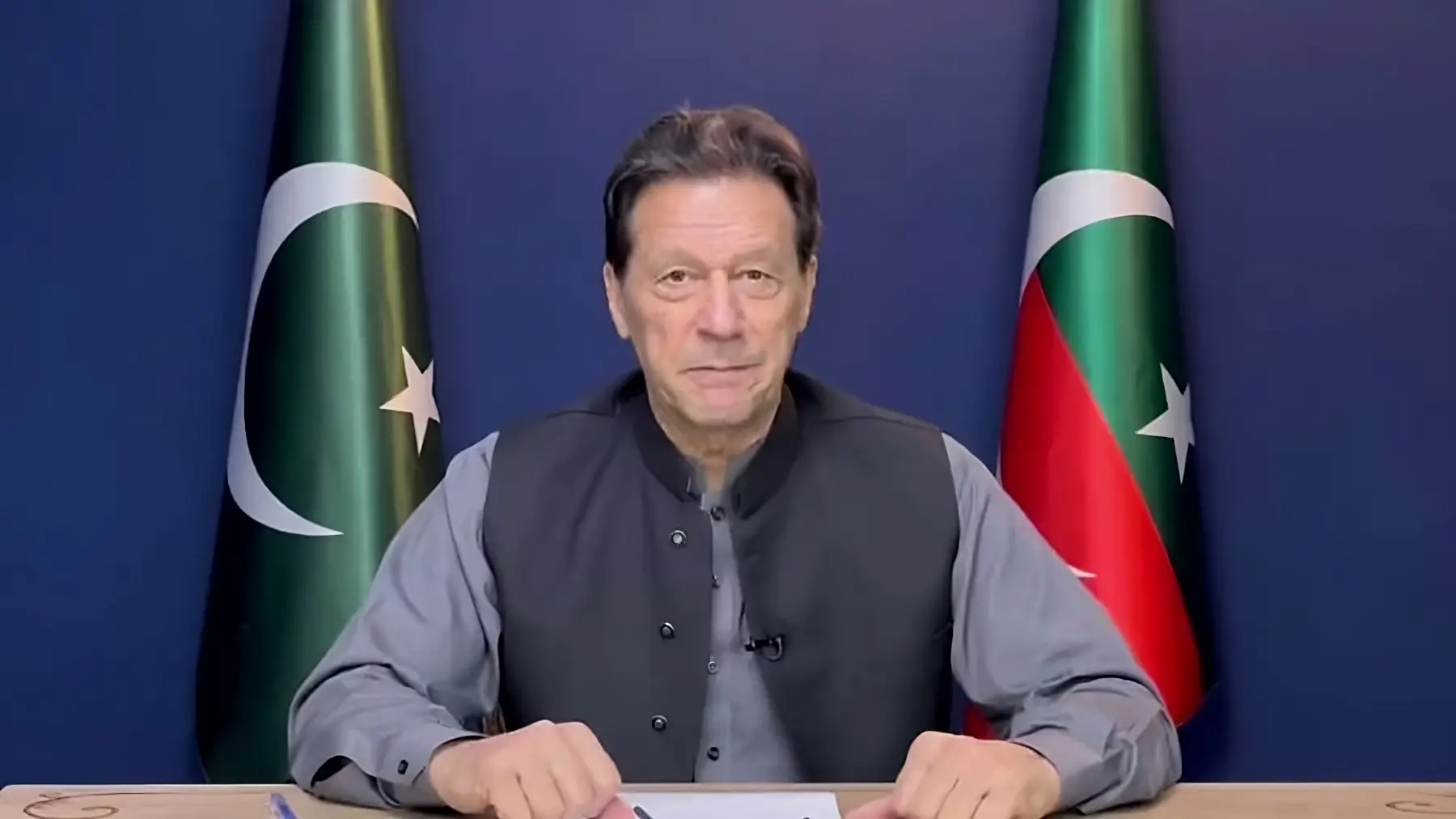
1. Pakistan Would Require an Immediate Official Medical Confirmation
If a death occurs in state custody, Pakistani law requires a formal medical report, a post-mortem, and documentation signed by government-approved medical boards. In a high-profile case like Imran Khan, this would also require public disclosure through the Interior Ministry, Punjab Home Department, and possibly court verification. No political or legal steps can begin without this official confirmation.
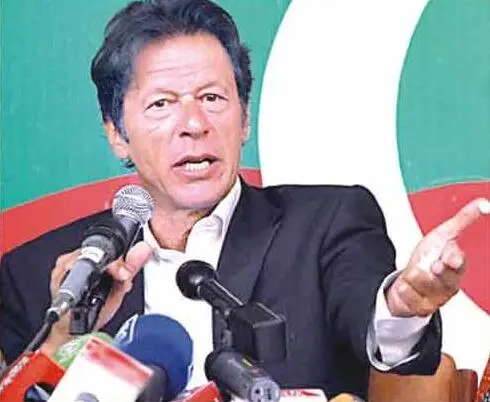
2. A Custodial Death Inquiry Would Become Mandatory Under Pakistani Law
Under Pakistan’s legal framework, any death in custody triggers a statutory judicial inquiry. A magistrate or judge must investigate the cause, treatment records, custody conditions, and any negligence or wrongdoing. Given Khan’s status as a former prime minister, this would escalate to a high-level commission or special judicial panel to ensure transparency.
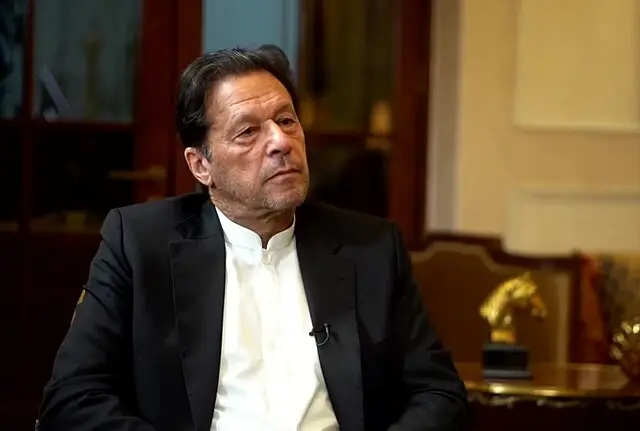
3. All Pending Criminal Cases Against Him Would Legally Abate
If a defendant dies, all criminal cases under Pakistan’s Code of Criminal Procedure are closed immediately because prosecution cannot continue against a deceased person. This includes appeals, convictions under review, and ongoing trials. Civil cases, if any, may survive, but all criminal liability ends with official confirmation of death.
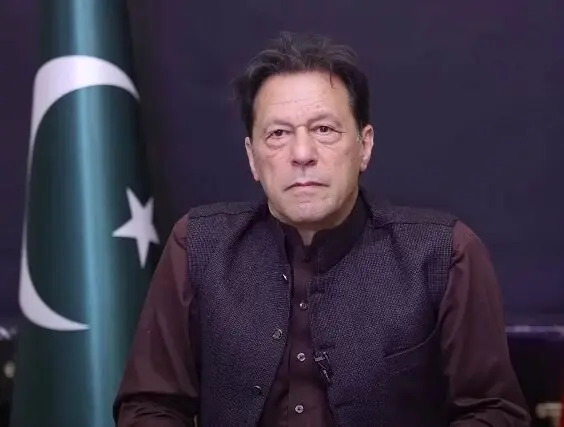
4. PTI Would Face a Leadership Vacuum and Internal Realignment
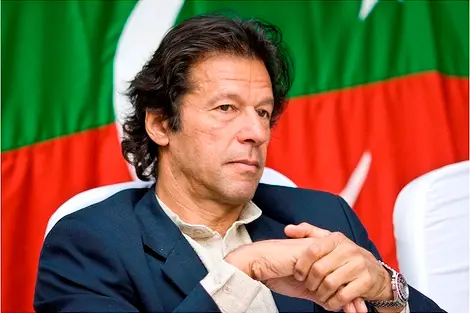
Imran Khan is the founder, chairman, and sole unifying figure of the Pakistan Tehreek-e-Insaf (PTI). His confirmed death would require the party to appoint a new chairman under the Election Commission of Pakistan (ECP) rules. PTI would experience internal reorganisation, new power blocs, and possible factional splits, changes that must be formally registered with the ECP to contest elections.
5. Pakistan’s Political Landscape Would Enter a Period of National Instability
As a former prime minister with massive public support, Khan’s death would trigger widespread political tension. The government would need to manage public order, security alerts, and possible demonstrations. Historically, high-profile political deaths in Pakistan (eg, Benazir Bhutto) have caused nationwide unrest, a risk authorities would prepare for through emergency security measures.
6. The Military and Government Would Face Intense Domestic and Global Scrutiny
Because Imran Khan was held in a high-security prison under state control, his death would raise immediate questions about responsibility, medical care, and custodial conditions. International media, human rights organisations, and foreign governments would demand transparency. Constitutionally, Parliament may also seek explanations from the Interior Ministry and Punjab prison authorities.
7. The Future of Elections and Governance Would Shift Dramatically
Imran Khan remains central to Pakistan’s politics even from jail. His confirmed death would reshape the entire electoral field. PTI symbolism, voter behavior, and coalition dynamics would change overnight. ECP may face pressure to revisit ongoing legal disputes involving PTI. The political vacuum would open space for rival parties, new alliances, and redefined military, civil relations.
)
)
)
)
)