What happens if a fighter jet hits a bird at supersonic speed?

A bird strike at supersonic speed can cause serious problems for fighter jets, from shattered windows to engine failure. Pilots are trained for such emergencies, and modern jets have strong protections, but bird strikes remain one of the top safety challenges in aviation.
The Sudden Threat of Bird Strikes
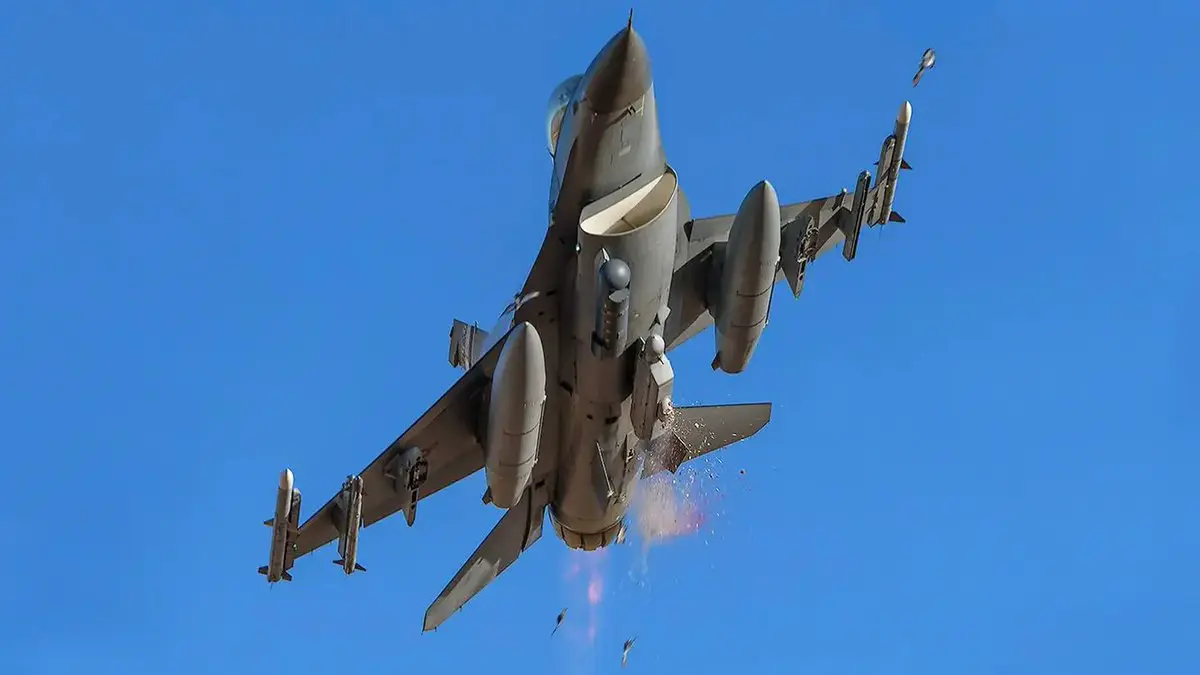
Bird strikes are a serious risk in aviation. When a bird hits a fighter jet which is travelling at supersonic speed over 1,225 km/h the impact is extreme. Even a small bird can turn into a dangerous projectile, threatening both aircraft and pilot.
Why Supersonic Speed Changes Everything
Supersonic jets fly faster than sound. At this speed, the energy released in a collision is huge. For instance, a 5 kg bird at 275 km/h hits with the force equal to dropping a 100 kg weight from 15 metres, so at supersonic speeds, the damage can be far greater.
What Actually Gets Damaged?
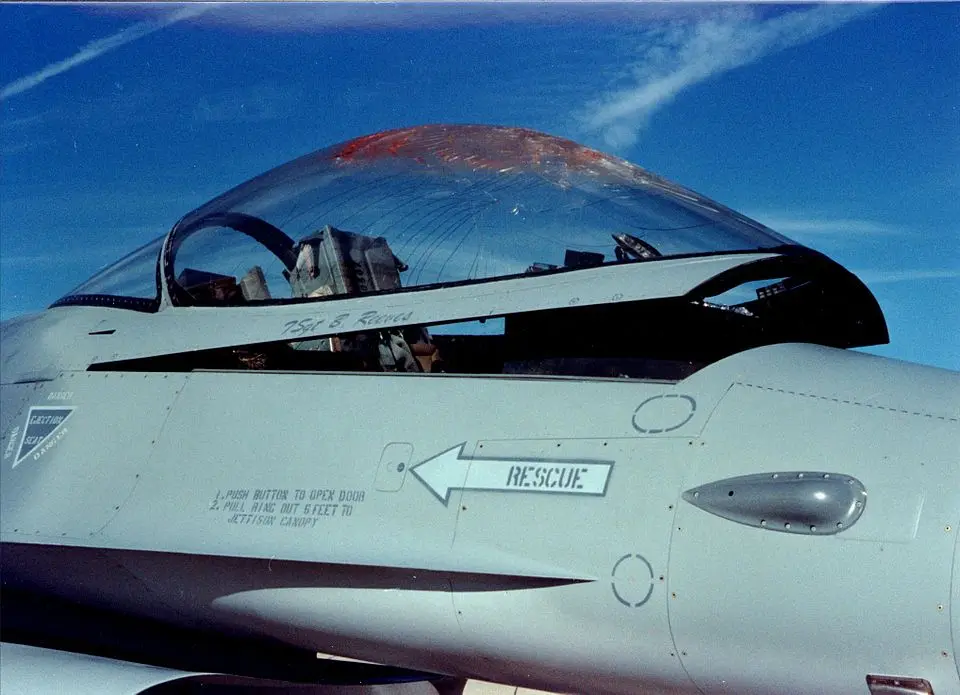
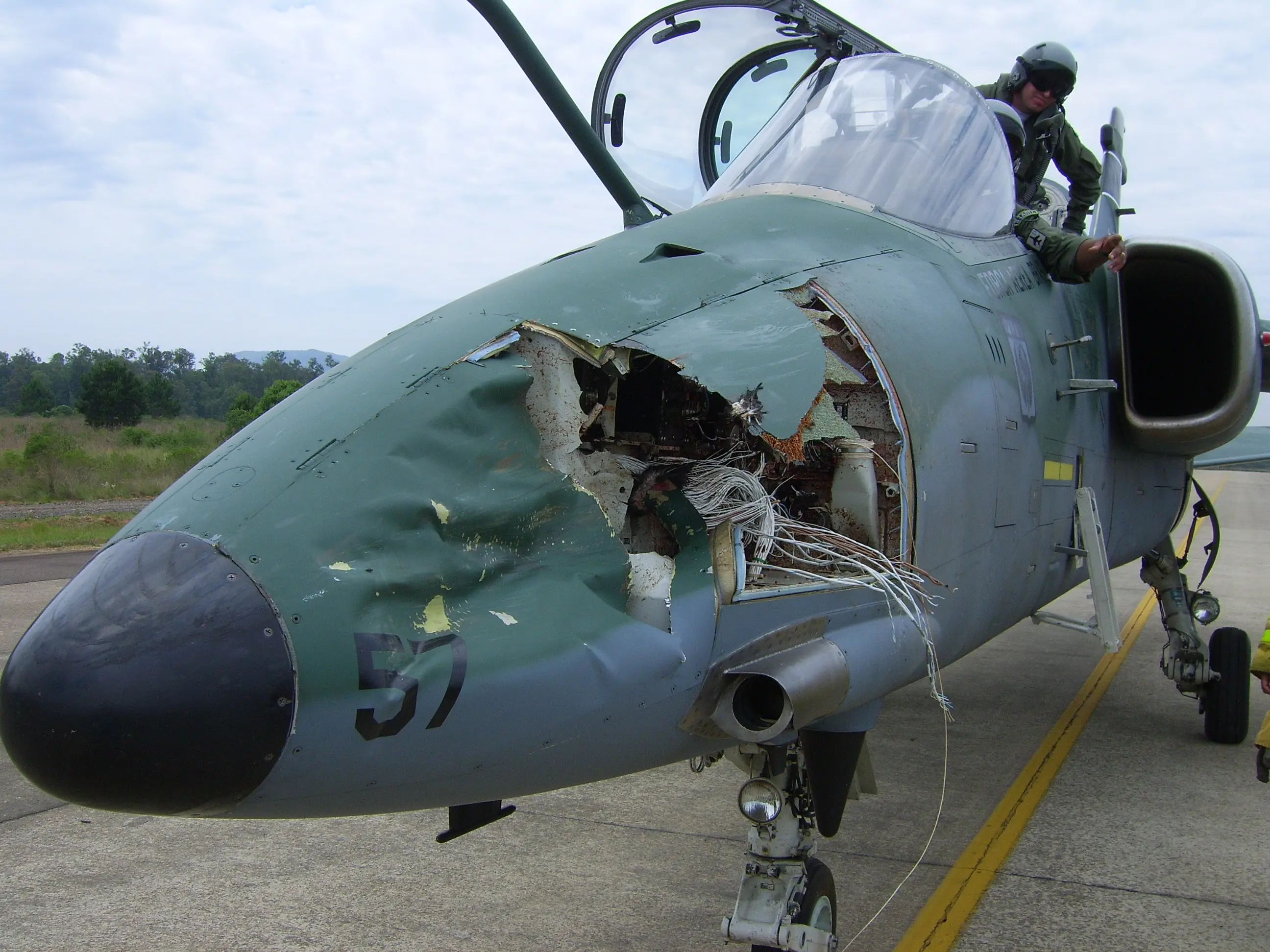
A bird strike can shatter the jet’s windshield, dent the nose, or even get sucked into engines. Engine failure is a risk; windows, radar domes, and wings can also be damaged, sometimes leading to emergency landings.
How Pilots Respond During Bird Strikes
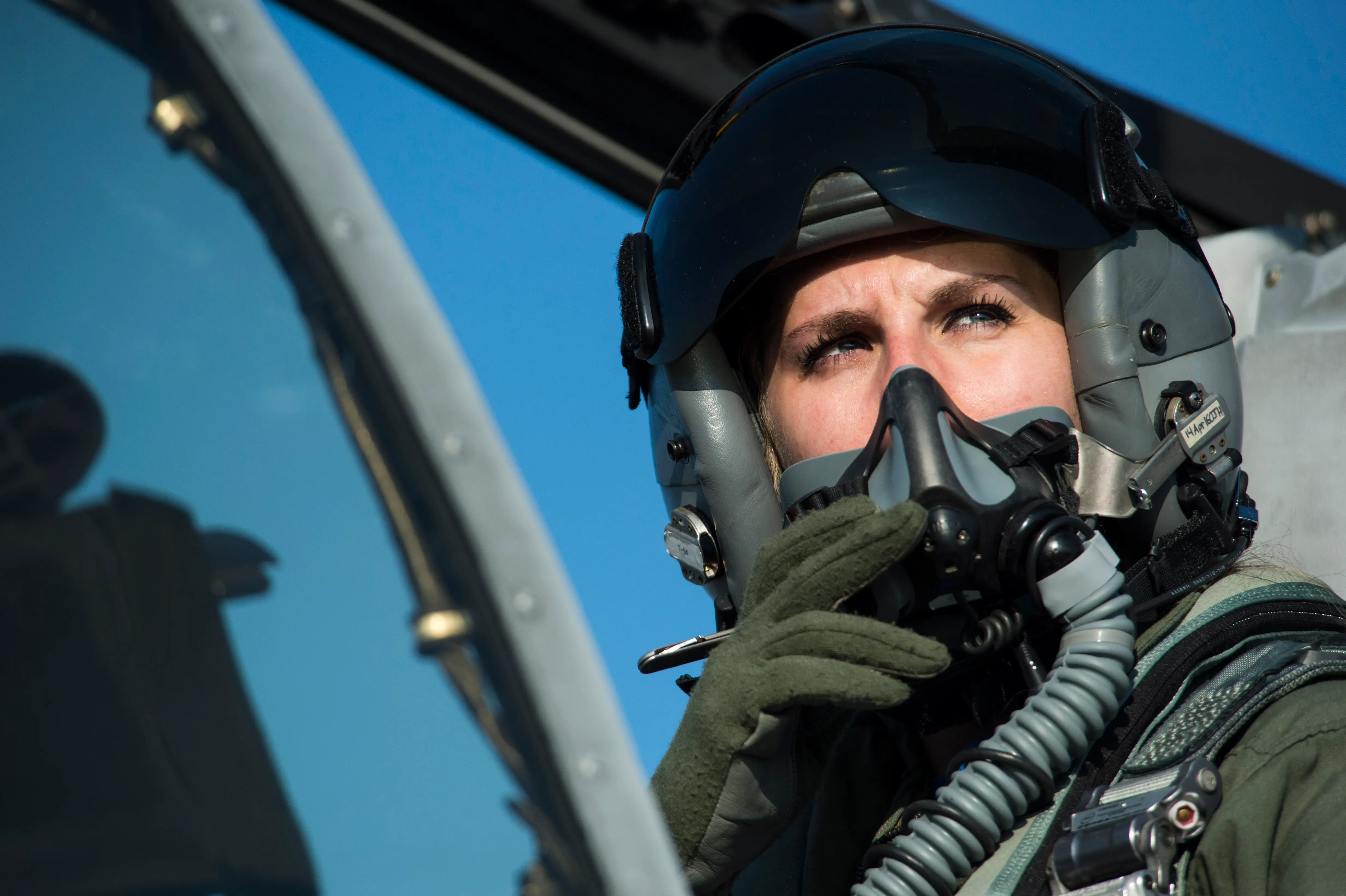
Pilots are trainned for these situation as they must quickly check systems, maintain control or prepare to eject if necessary. Emergency procedures are vital for survival because a fast-moving jet can lose power or visibility “within seconds” after a bird strike.
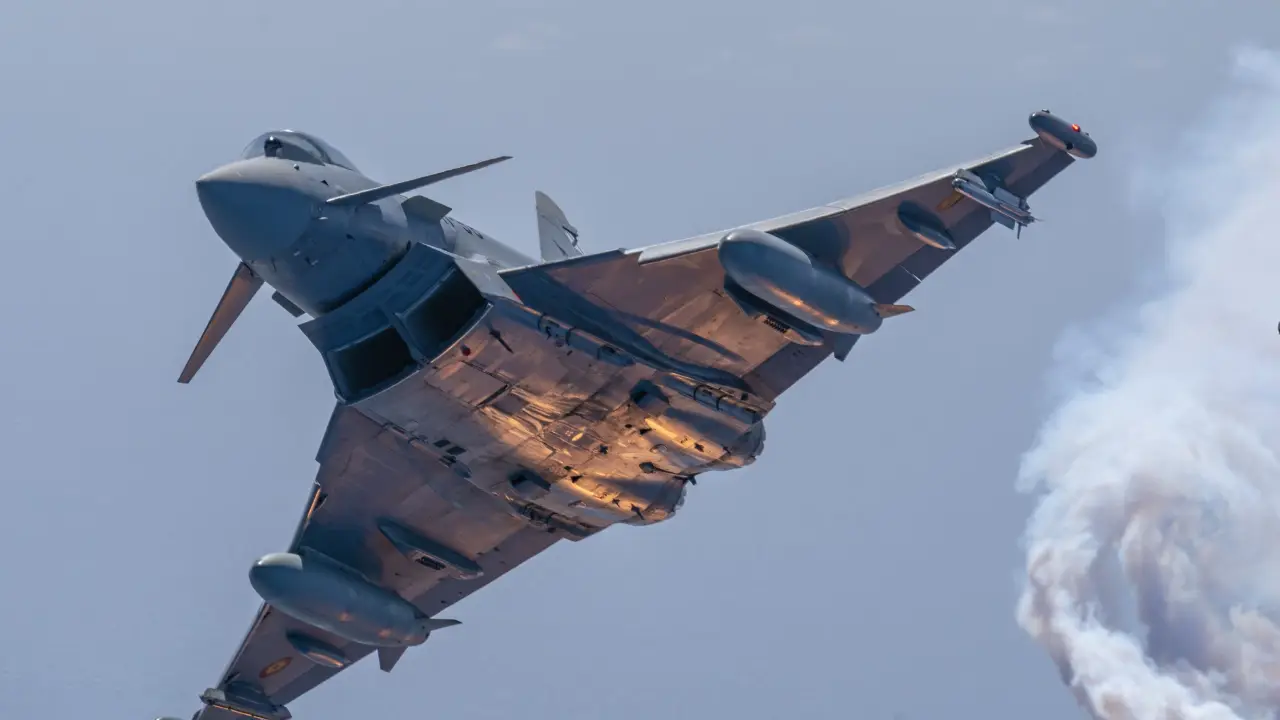
Eurofighter Typhoon’s canopy was smashed by a bird strike
A Eurofighter Typhoon’s canopy was smashed by a bird strike, but the pilot landed safely. In another case, an Indian Air Force pilot managed to land after birds caused an engine fire and jettisoned tanks exploded on the ground.
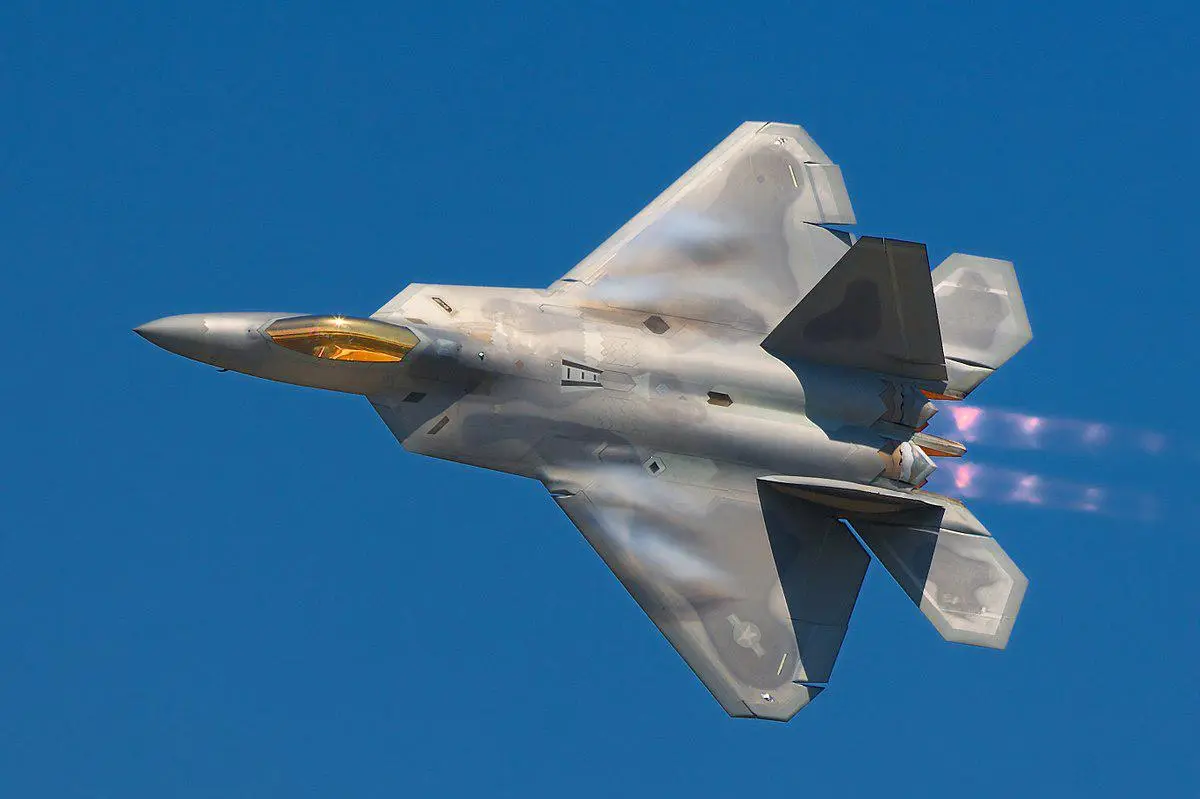
How Modern Jets Reduce the Risk
Jets have reinforced cockpits, tough windshields, and stronger engines to help them withstand bird impacts. Airports use radar, lasers, and sound systems to keep birds away. Still, high-speed mid-air strikes can happen anywhere.
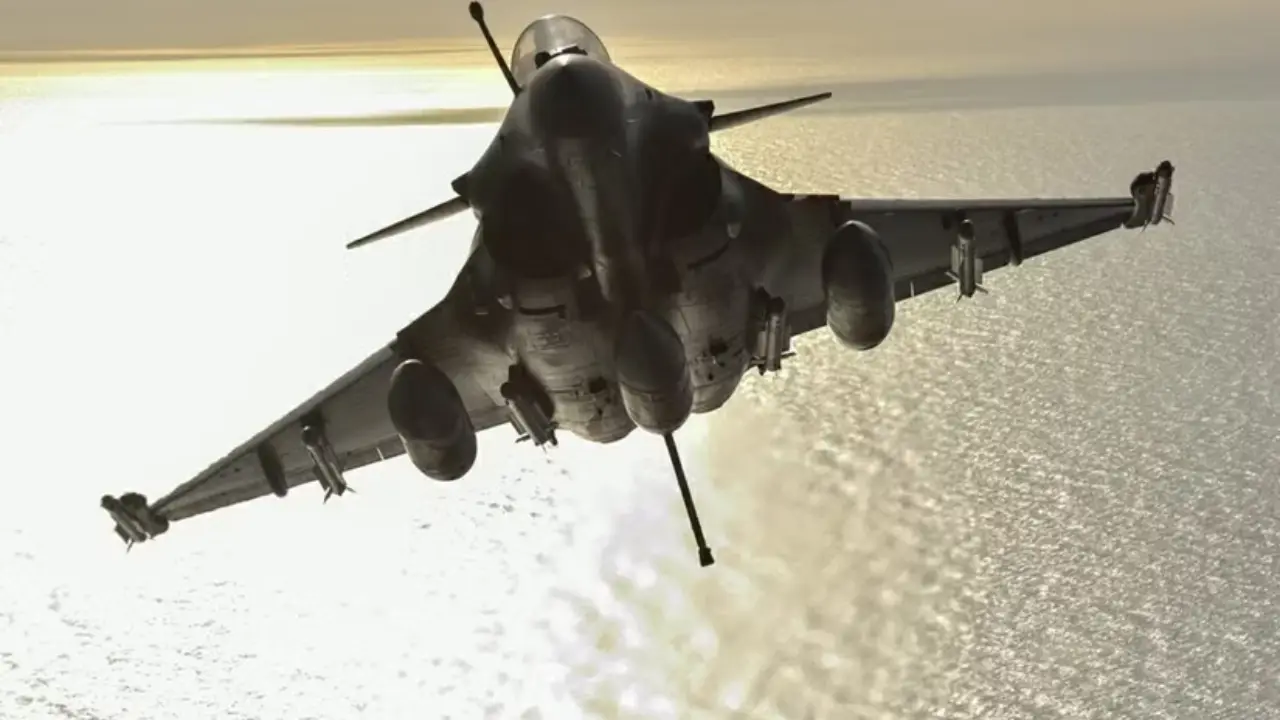
Ongoing Challenge for Aviation Safety
Though most bird strikes cause little damage, the risk is never zero especially at high speeds. Better technology, more pilot training, and new bird deterrent systems continue to help keep both pilots and planes safe.
)
)
)
)
)