What happens if a fighter jet collides with a bird at 'Mach' speed?

At supersonic speed, even a small bird can turn into a deadly projectile for fighter jets. From shattered canopies to engine failures, bird strikes pose a serious threat. Know how pilot tackle this hidden danger.
Enough to destroy critical aircraft components
A bird strike at Mach speed can be catastrophic for a fighter jet. At supersonic speeds, even a small bird becomes a deadly projectile. The impact force can exceed several tonnes, enough to destroy critical aircraft components.
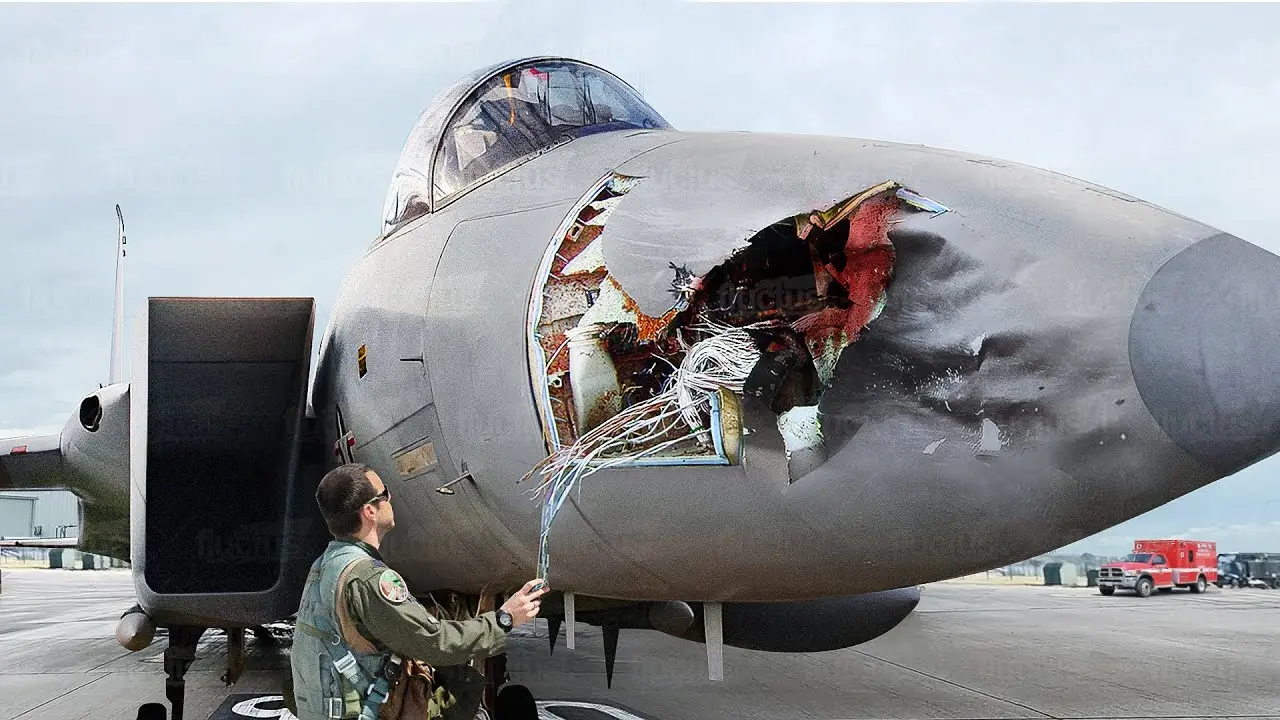
The physics of high-speed collisions are brutal
A 1kg bird hitting a jet at Mach 1 (1,225 km/h) creates an impact force of over 2,000 kg. This is like being hit by a small car travelling at highway speeds.
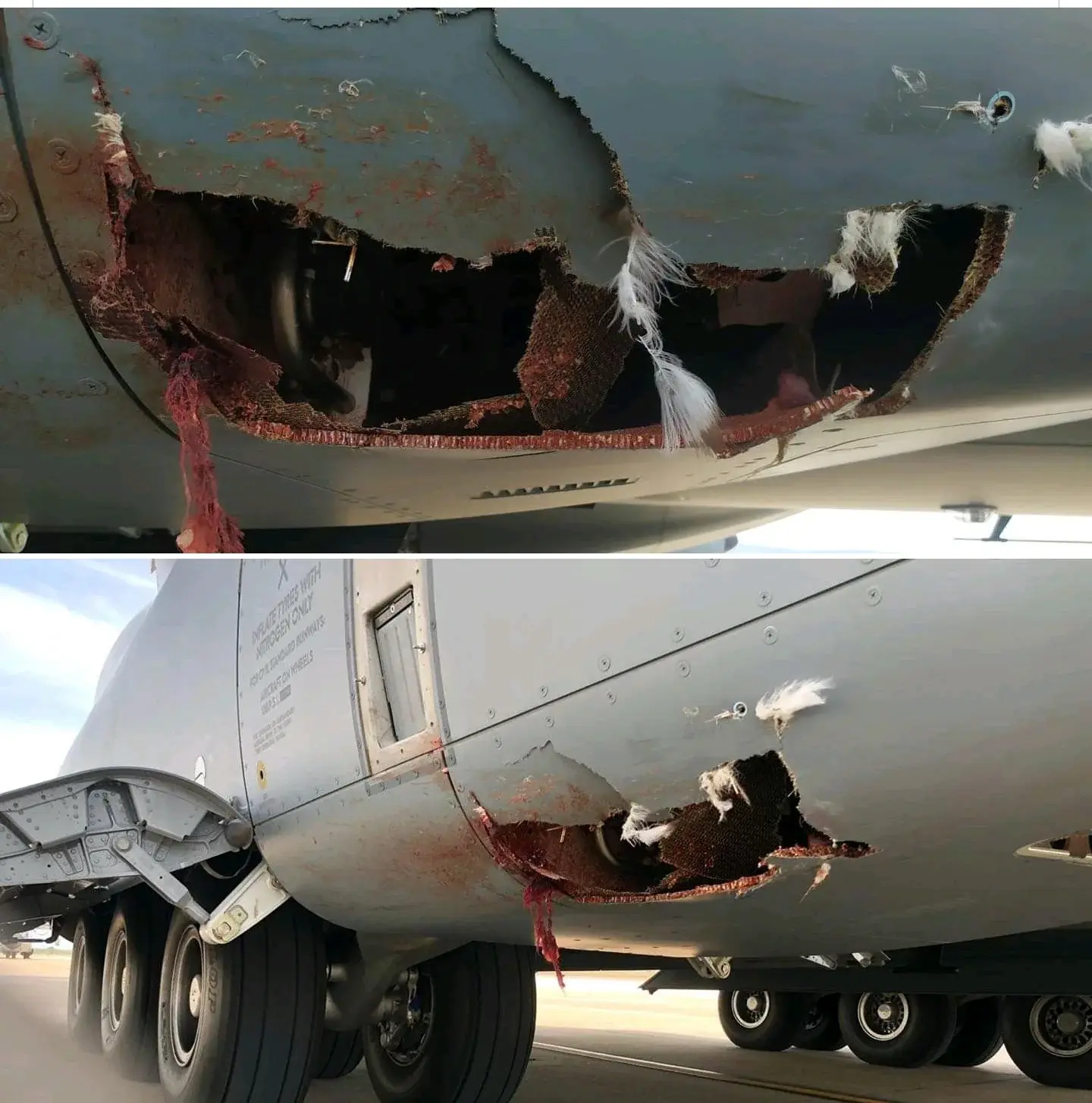
Engine damage is the most serious concern
Birds can be sucked into jet engines, destroying turbine blades and causing catastrophic engine failure. According to aviation safety reports, bird strikes cause millions in damage annually.
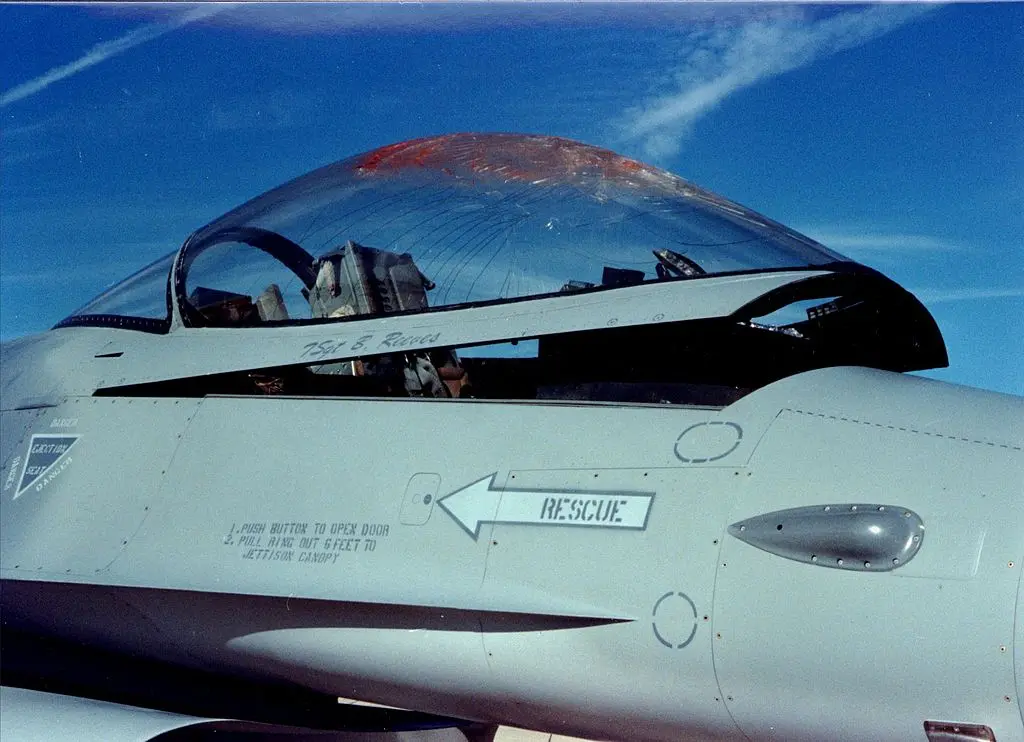
The cockpit canopy is also vulnerable
A bird strike can crack or shatter the canopy, potentially injuring the pilot. At high speeds, even small cracks can lead to structural failure and depressurisation.

Military aircraft have some protection against bird strikes
The engines are designed to handle small bird impacts, and cockpits use reinforced materials. However, large birds or multiple strikes can overwhelm these protections.
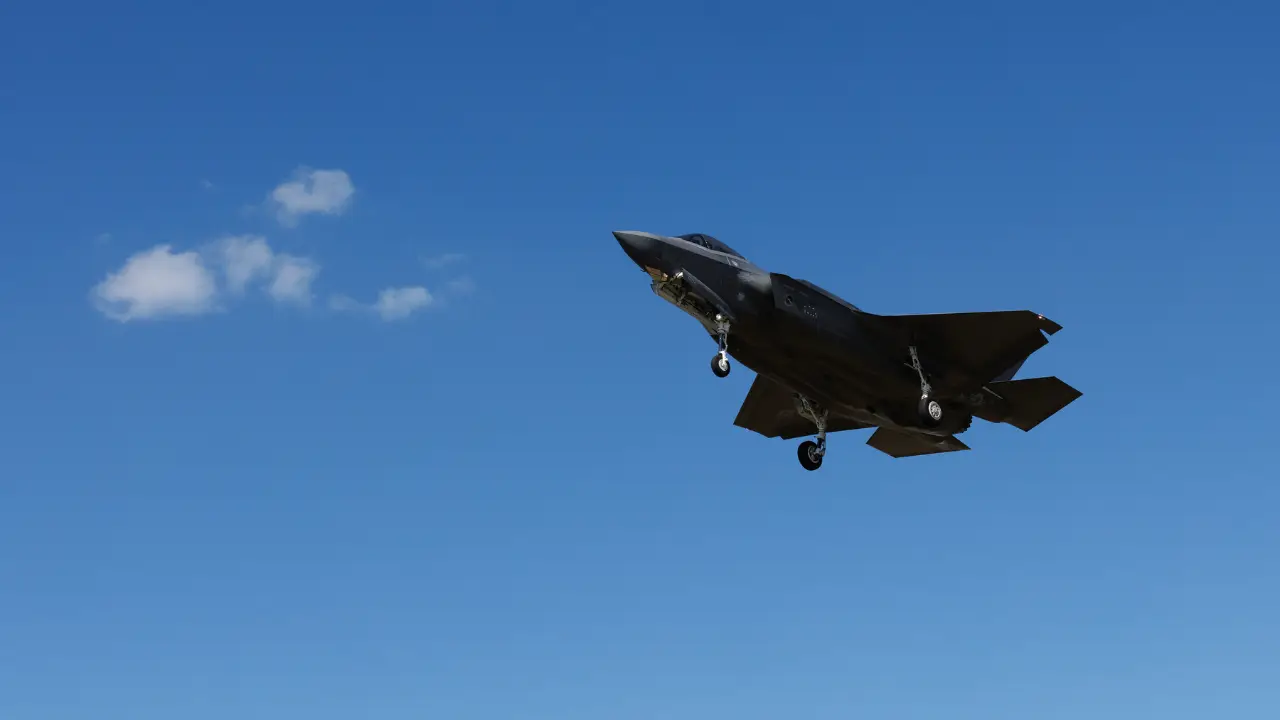
Bird strike prevention is crucial
Air bases use various methods including habitat management, bird deterrents, and flight path planning. Pilots are trained to avoid known bird activity areas when possible.
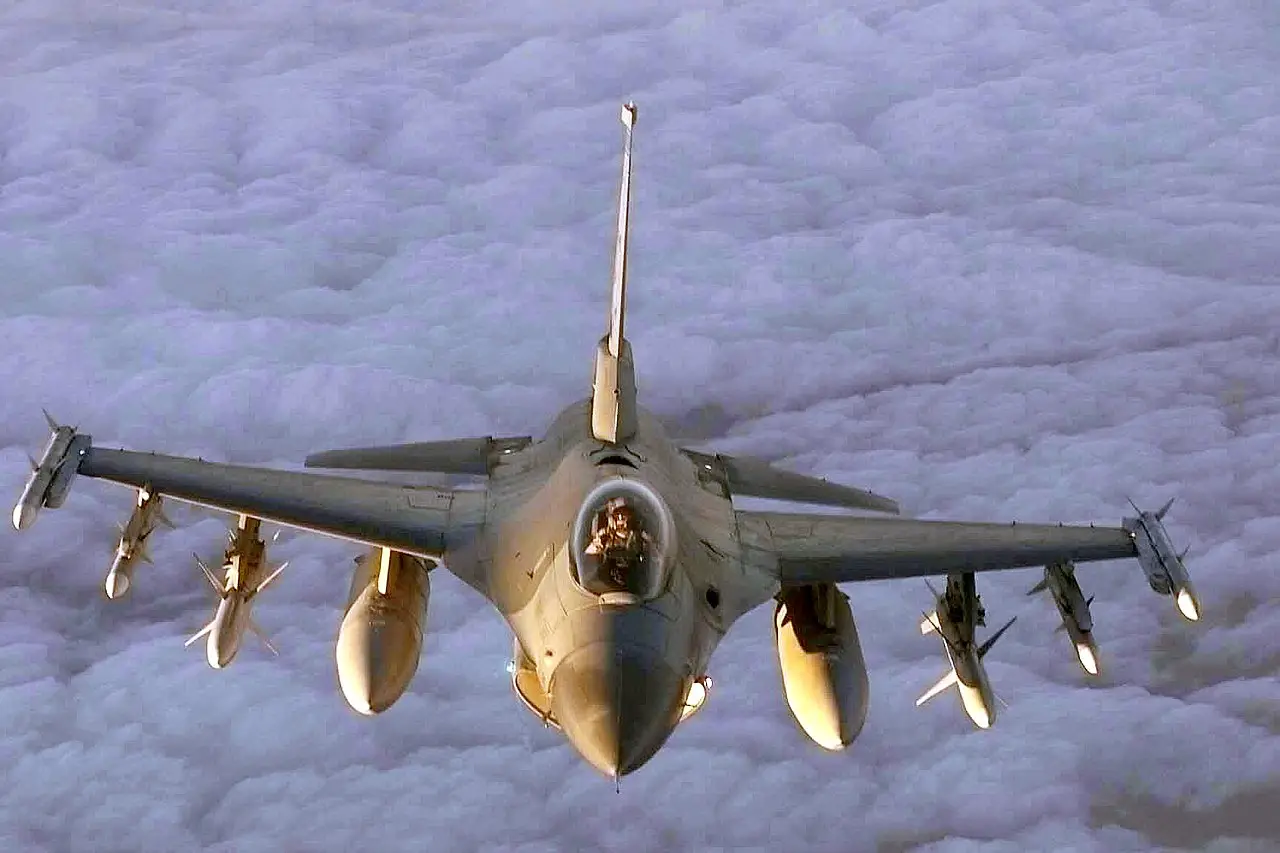
Despite precautions, bird strikes remain a serious aviation hazard
The combination of high speeds and wildlife creates a deadly equation that requires constant vigilance and advanced protection systems.
)
)
)
)
)