What happens if a fighter jet canopy fails mid-air?

What if a fighter jet’s canopy fails mid-air, then what pilot would will face and about temperatures, and sudden decompression. Know more below.
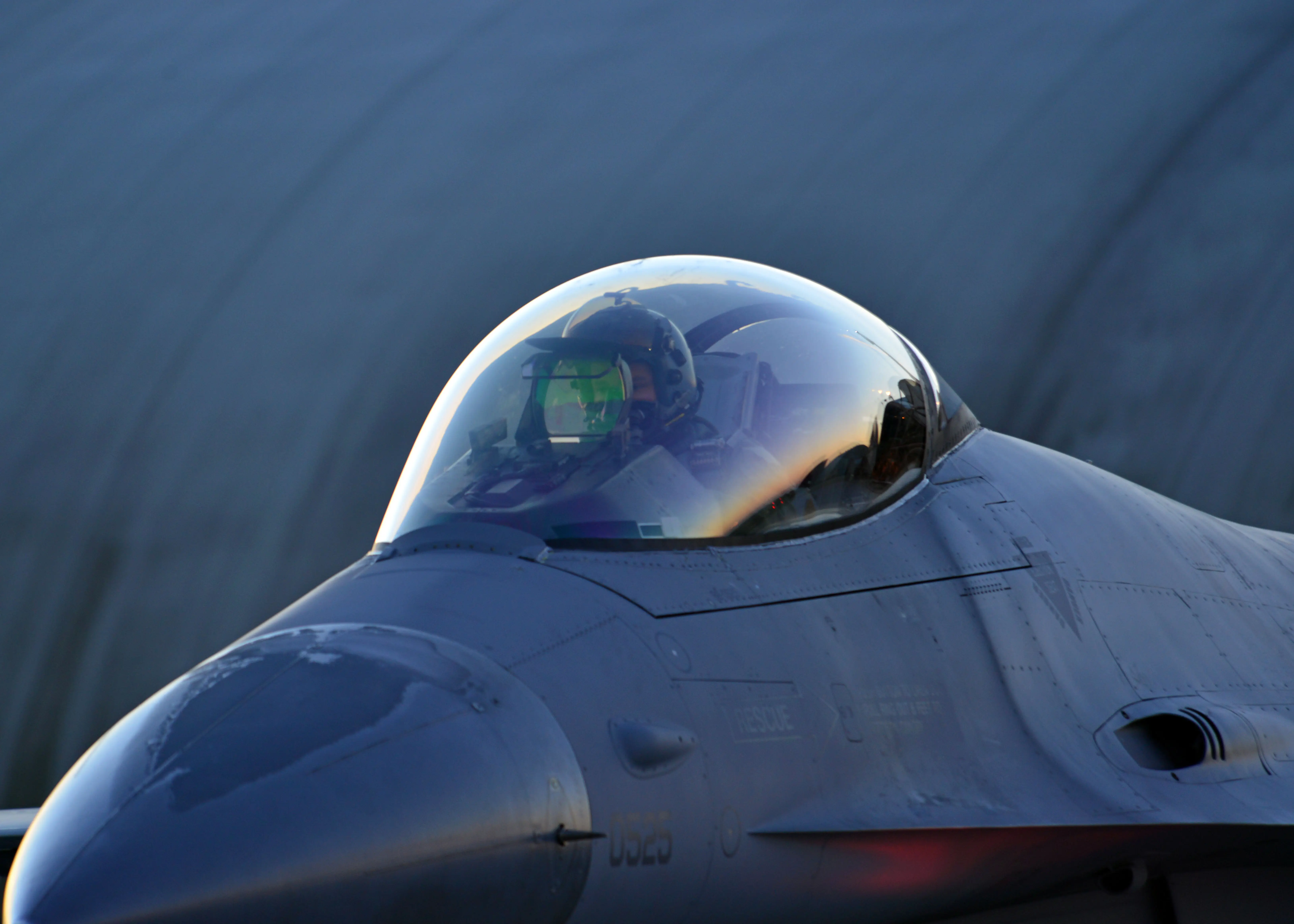
Can a Fighter Jet Canopy Fail in Flight?
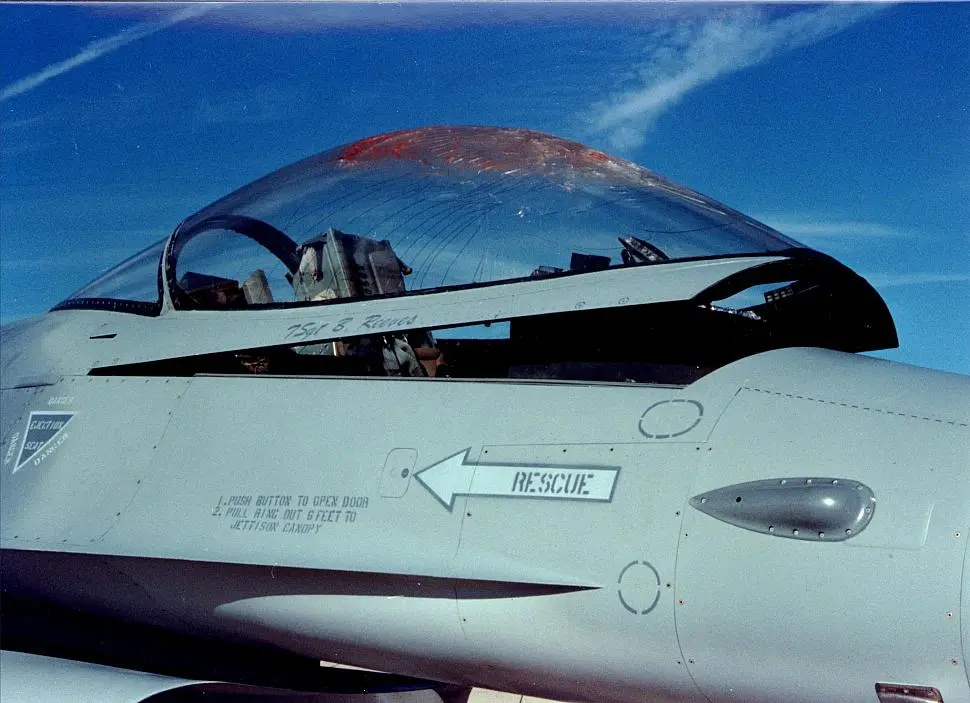
Though this is rare, but let’s think a situation if a fighter jet’s canopy detaches or shatters during flight. This leaves the pilot exposed to extreme cold, loud wind, and sudden decompression.
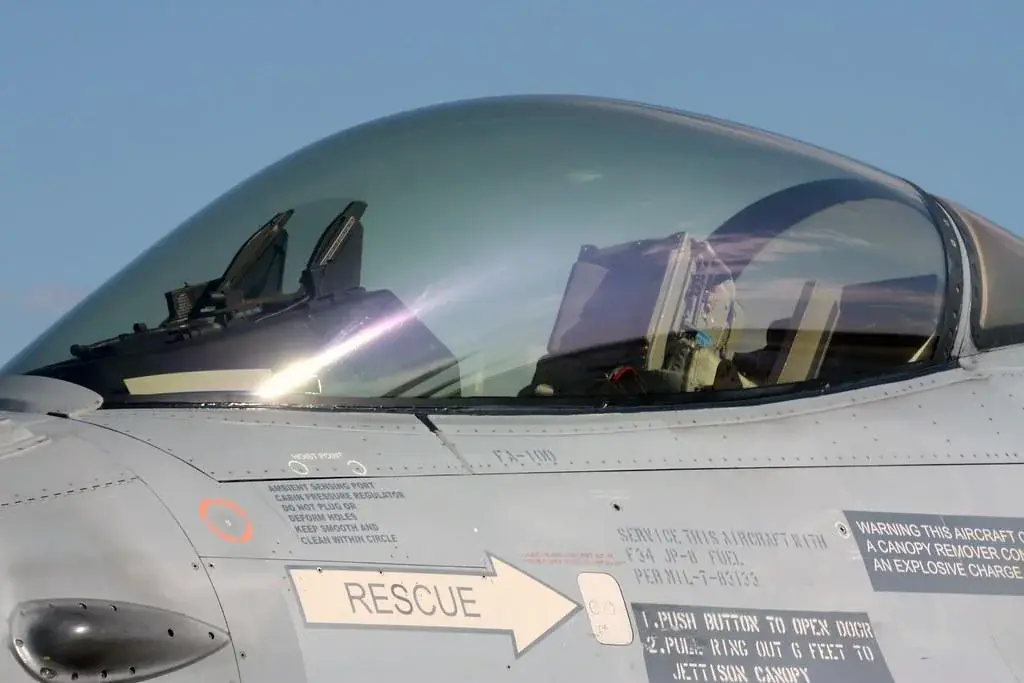
Immediate Dangers to the Pilot
Losing the canopy at high altitude means sudden exposure to temperatures as low as minus 50 degrees Celsius, hurricane-force winds, and intense noise. Breathing is usually possible due to built-in oxygen supplies, but the shock can still be dangerous.
How Pilots Respond in Such Situations
Pilots are trained to stay calm. The first step is to slow down and descend to a safer, lower altitude. If the aircraft is controllable, they attempt an emergency landing.
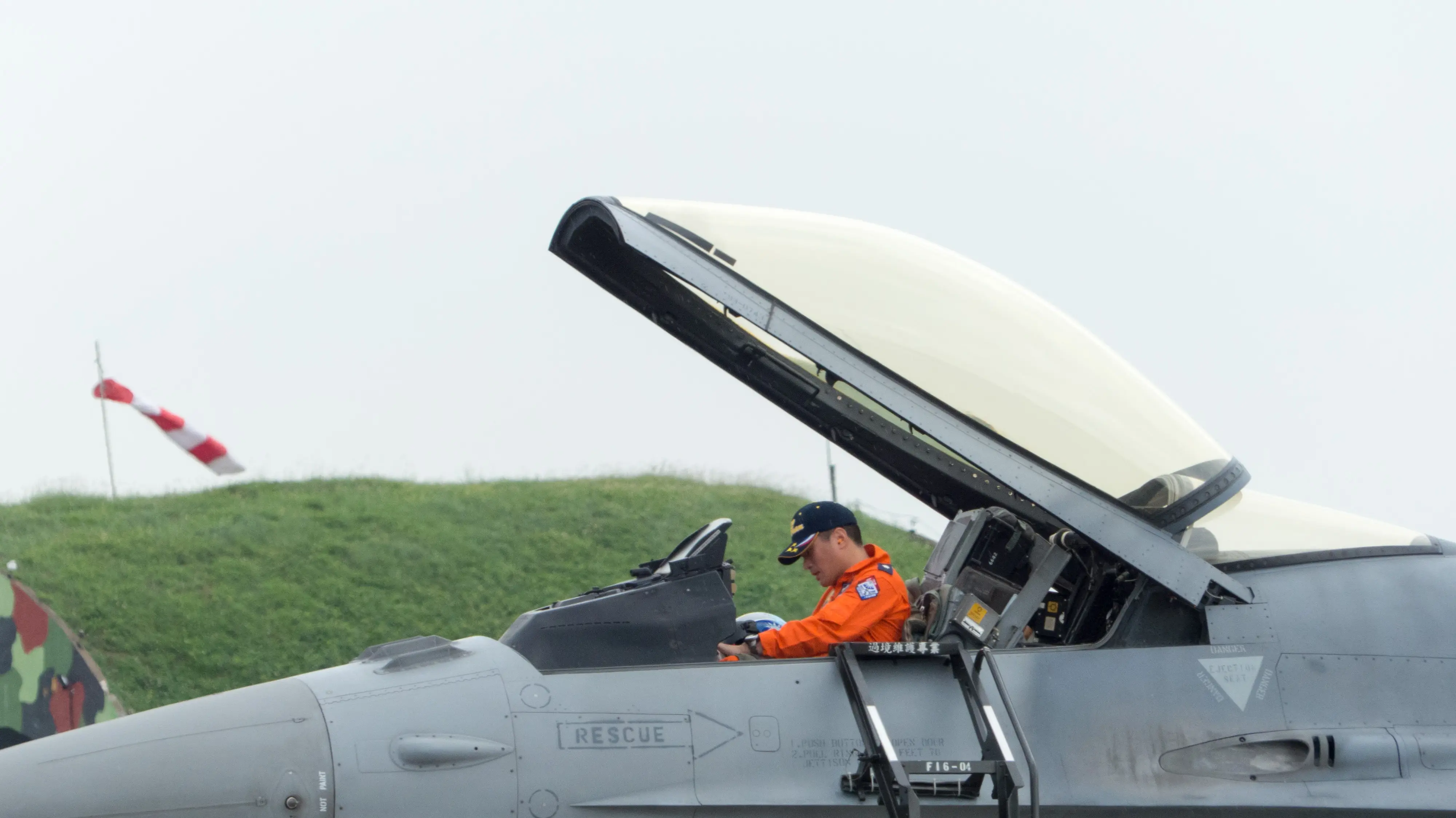
The Role of Safety Systems
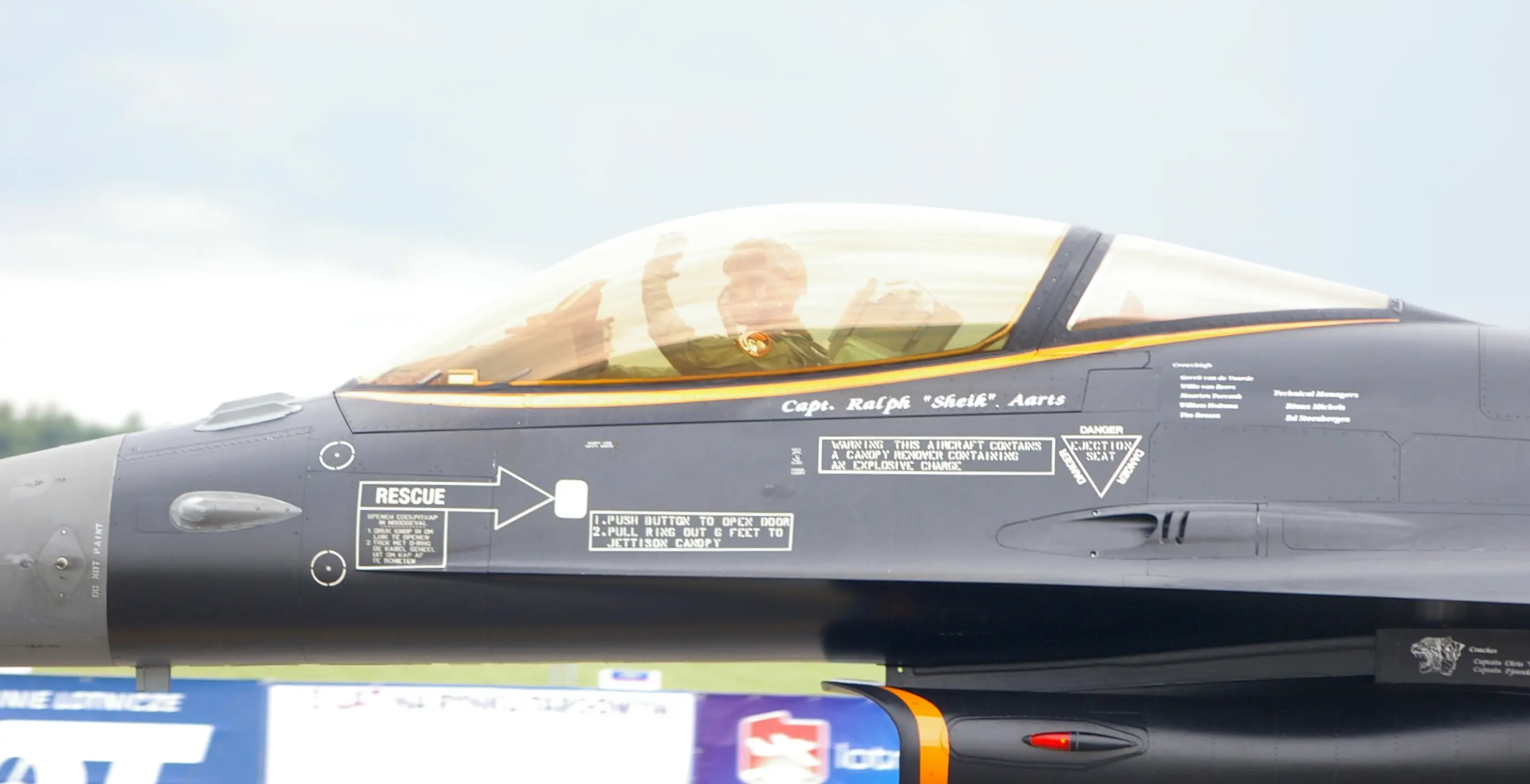
Modern jets use Canopy Severance Systems with explosives or special cutters. These help break the canopy for safe pilot ejection if needed. If the system fails, pilots may have alternatives like manual breakers.
When Should a Pilot Eject?
If the aircraft cannot be flown safely or controlled after canopy loss, pilots may have to eject. Ejection seats are designed to work even through the canopy using explosive charges or mechanical breakers, ensuring life-saving exit when needed.
Why Canopy Design Matters
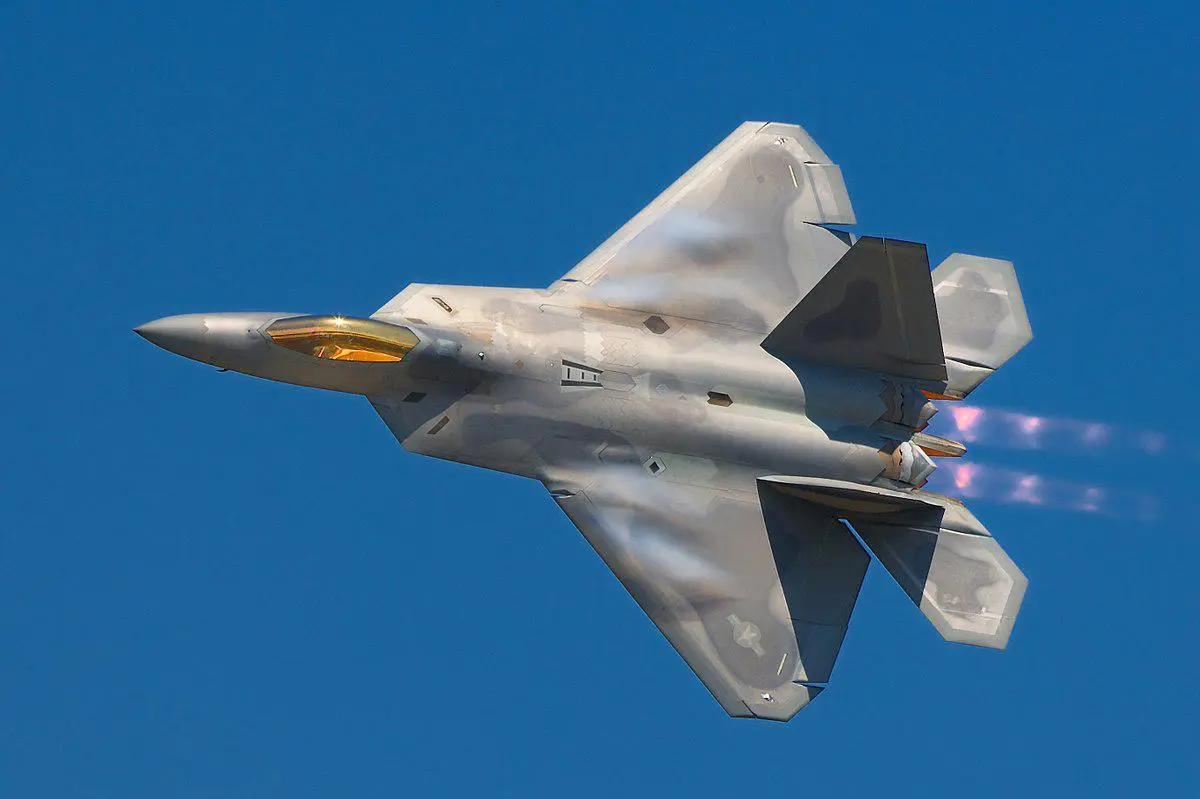
Canopies are carefully designed for both strength and emergency exit. Some open from rear, some are blasted off, and all include backups. Continuous improvements and training have helped save lives in these rare emergencies.
)
)
)
)
)