What happens to your house when a B-52 bomber flies overhead at low altitude?

Eight massive jet engines at low altitude produce a sound and shockwave that people who have experienced it never forget. Car alarms trigger, windows rattle, animals flee, and the ground vibrates. Here is the physics of what a B-52 flyover actually does to everything below it.
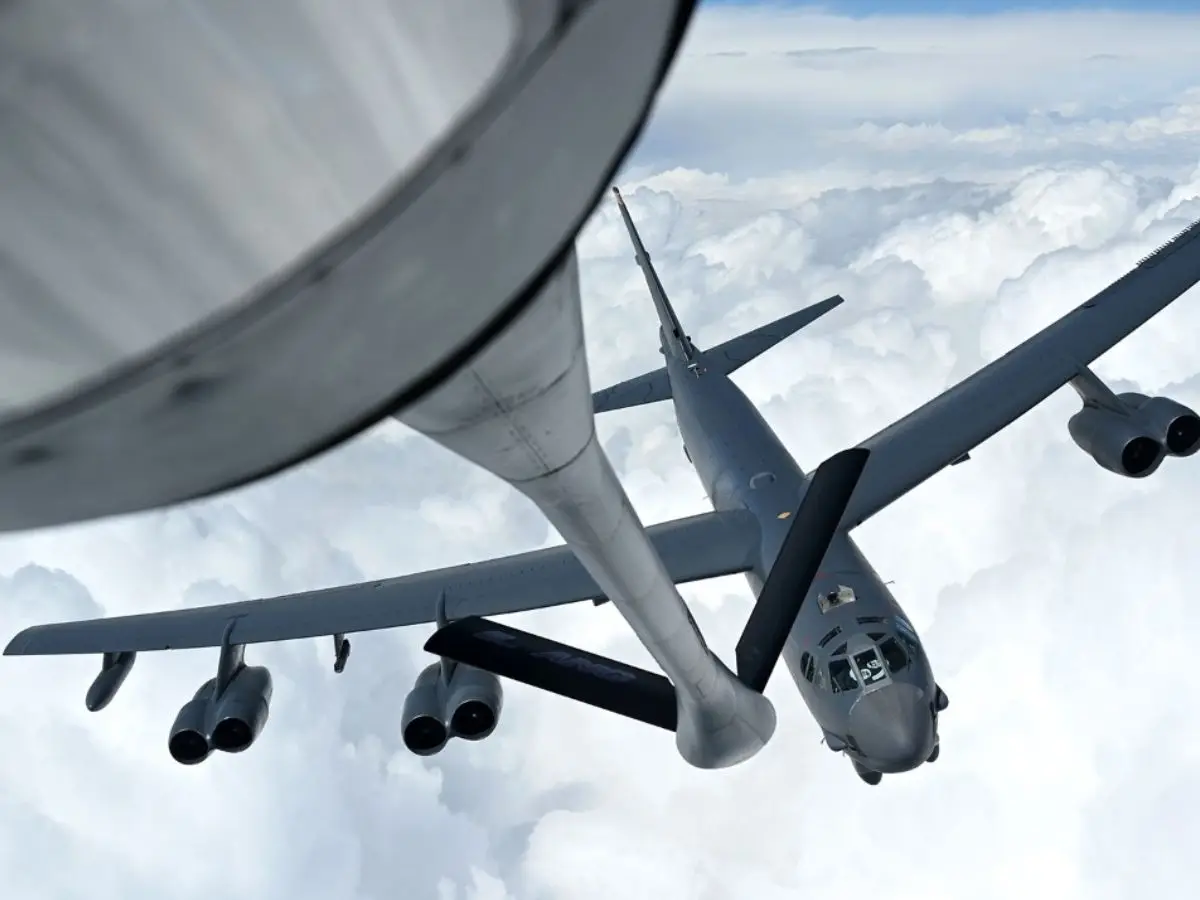
Eight Engines At Once
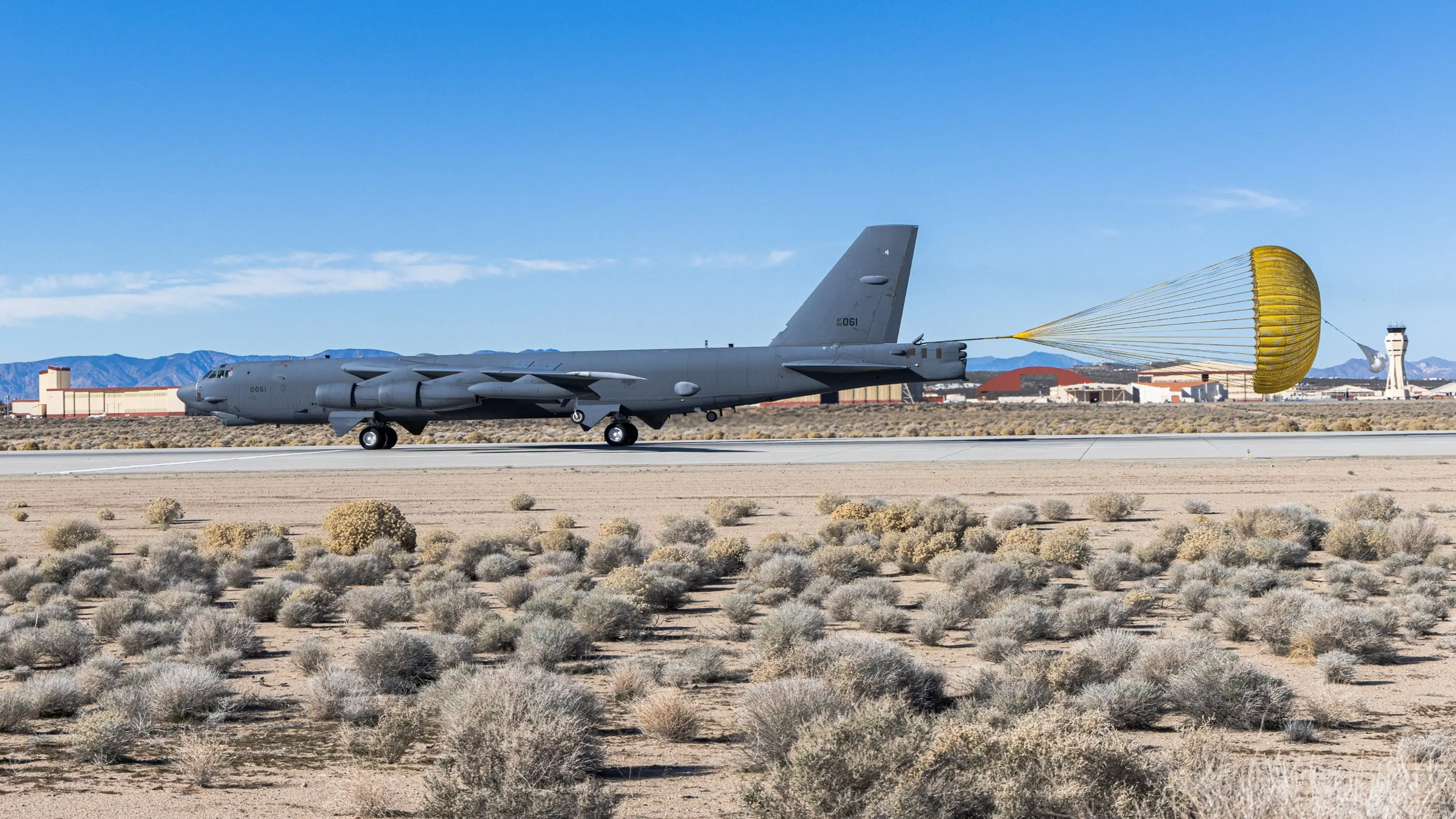
The B-52H is powered by eight Pratt & Whitney TF33 turbofan engines — not two or four like commercial jets, but eight, clustered in pairs under the wings. At full thrust on takeoff, combined engine output exceeds 136,000 pounds of thrust. At low altitude, that energy has nowhere to go but downward.

The Decibel Level That Rivals A Concert
A B-52 at low altitude generates approximately 130 to 140 decibels of sound at close range. A rock concert sits around 110 decibels. A jackhammer is about 100. Sustained exposure above 120 decibels causes immediate hearing damage. Residents near air bases describe it as feeling the sound in their chest before they hear it with their ears.
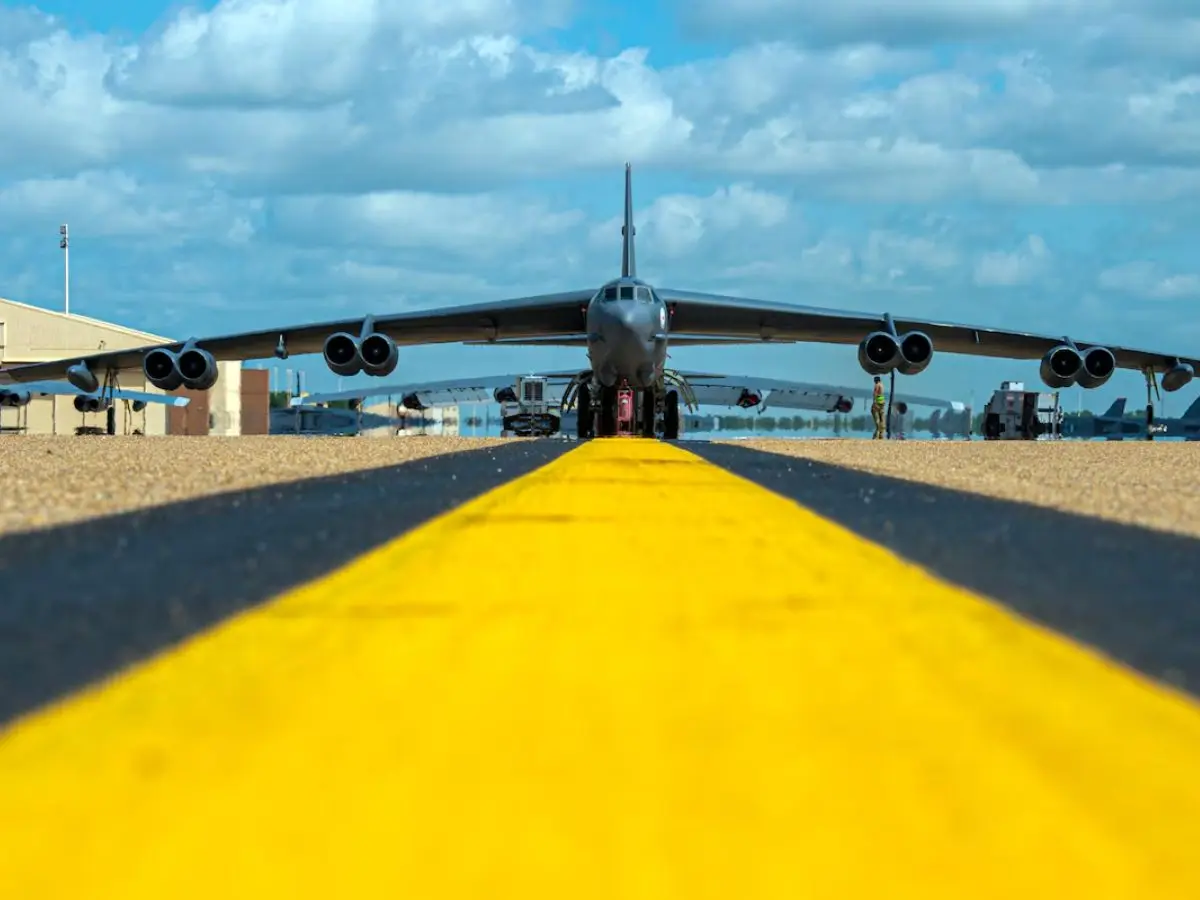
Car Alarms, Shaking Windows, Fleeing Animals
Low-altitude B-52 passes are well documented to trigger car alarm sensors, cause glass in window frames to vibrate audibly, and send birds and animals into immediate panic response. The infrasound component — sound below the range of human hearing — travels further than the audible noise and affects animals sensitive to it long before the aircraft is visible.
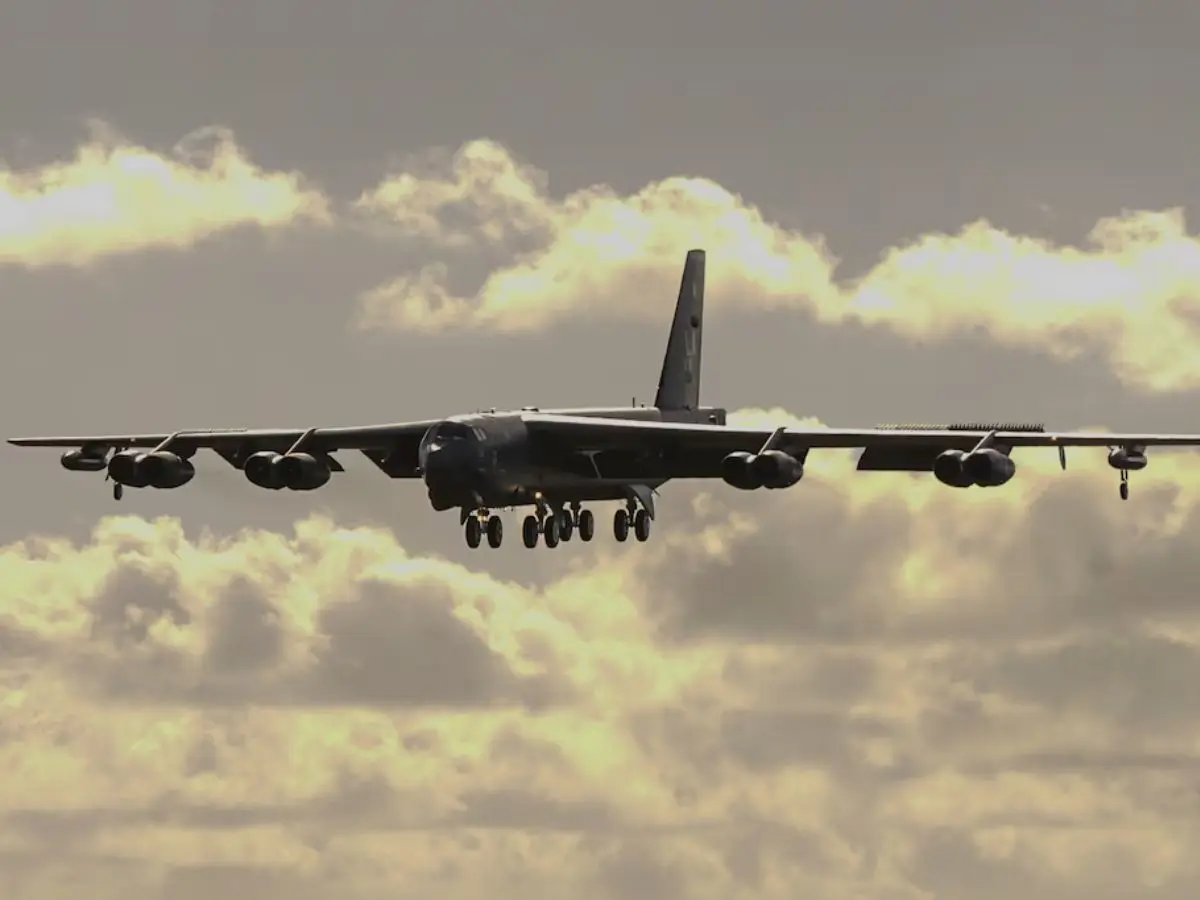
The Shockwave You Feel Before You Hear It
At high speed and low altitude, the pressure wave generated by the B-52's passage arrives as a physical force before the full sound catches up. People on the ground describe a sudden pressure change — like being briefly underwater — followed milliseconds later by the roar of eight engines. It is a two-stage physical experience.
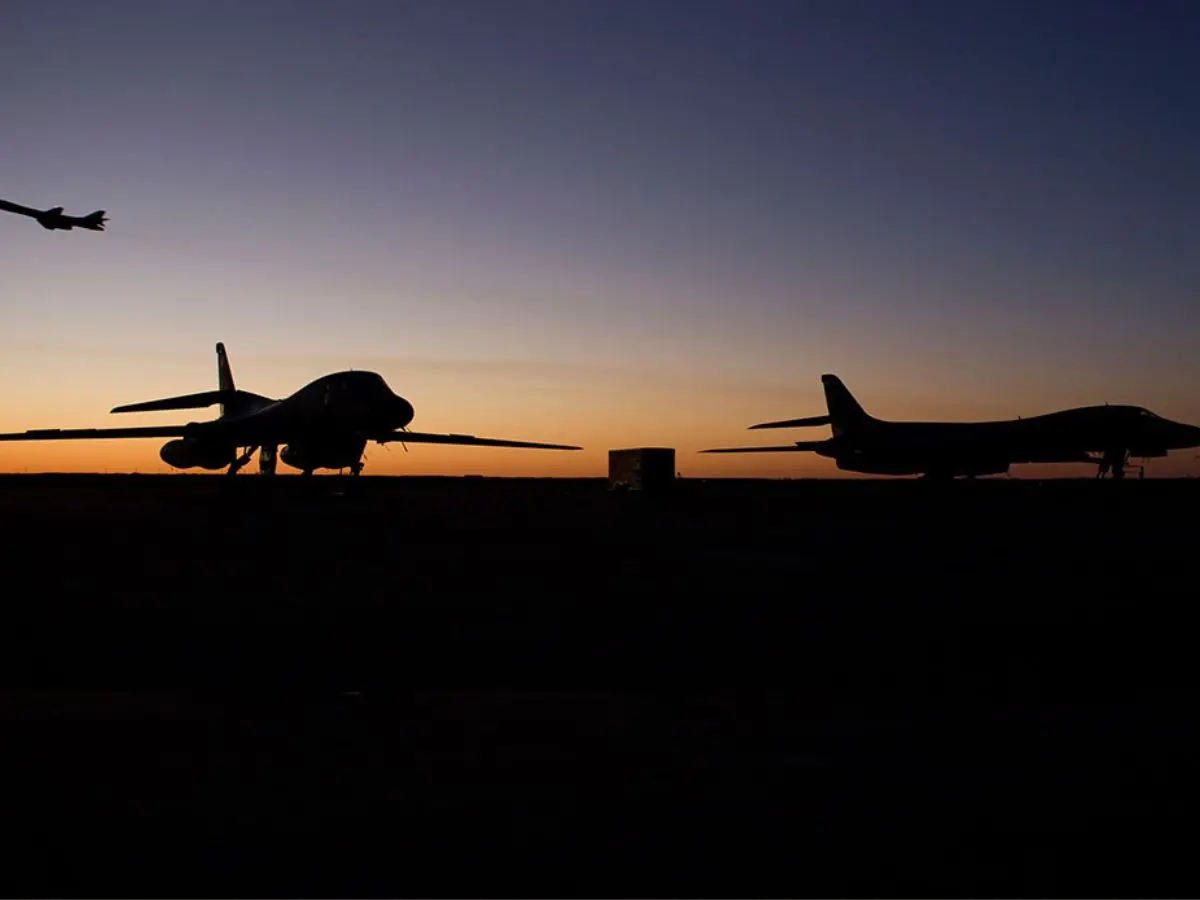
What Communities Near Air Bases Experience
Residents living within a few miles of bases like Minot Air Force Base in North Dakota or Barksdale in Louisiana report routine B-52 training flights as among the most disruptive features of daily life. Double-glazed windows are standard in base housing. Some residents describe pictures falling off walls during low-level training passes.
Why Pilots Call It The Greeting
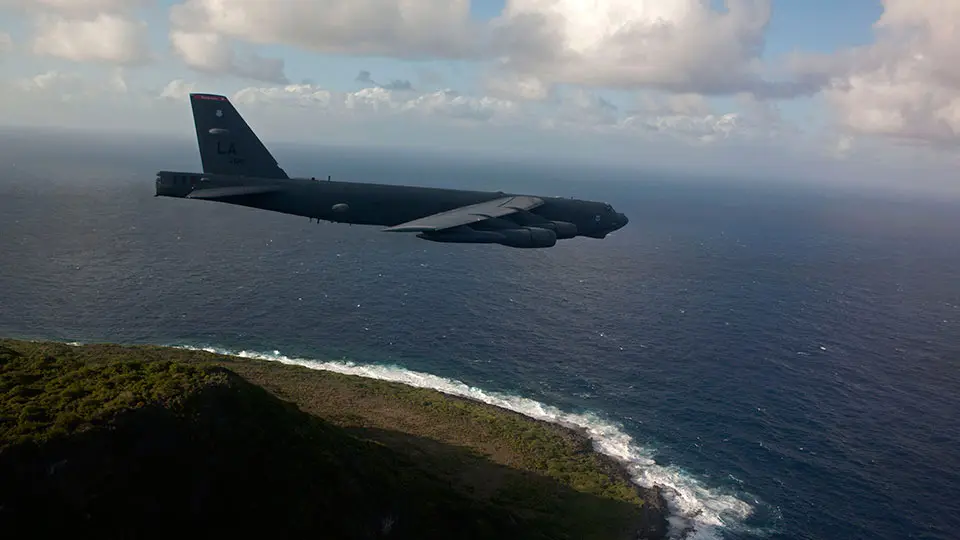
B-52 crews have a tradition of low-altitude passes over friendly bases as a show of capability and morale. What feels like a gesture of aerial theatre from the cockpit is an experience that communities on the ground find physically overwhelming. The gap between pilot perspective and ground experience is one of aviation's most dramatic disconnects.
The Physics Of Why It Hits So Hard
Sound intensity follows the inverse square law — double the distance, quarter the intensity. A B-52 at 500 feet is producing energy that concentrates intensely on the ground below. Combined with the resonant frequency of its eight large engines, the effect is not just loud but structurally interactive — walls, floors, and glass vibrate sympathetically in ways that a single-engine aircraft simply cannot replicate.
)
)
)
)
)