What happens if a B-2 goes down over enemy territory? The rescue plan for the world's most sensitive aircraft

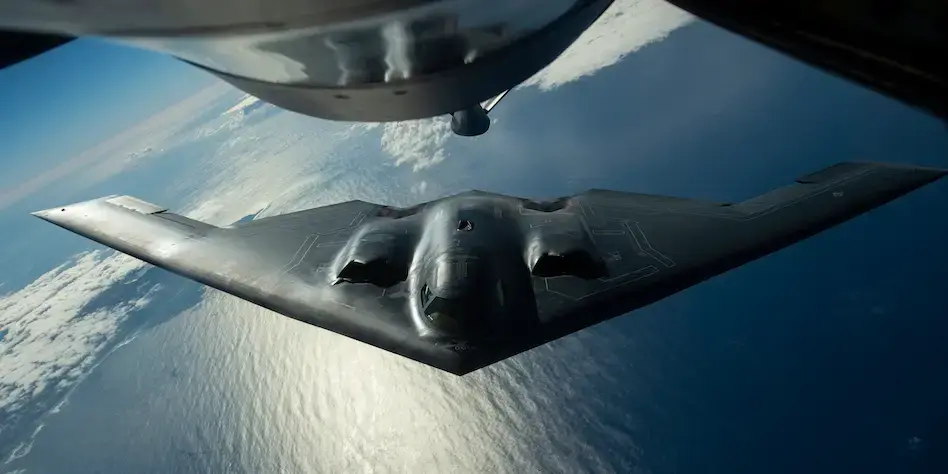
Every combat aircraft has a crew rescue plan. The B-2 Spirit has two problems that make its plan uniquely complicated: the crew, and the wreckage. Recovering two pilots from inside enemy-controlled territory is hard enough. The B-2 also carries classified stealth materials, classified avionics, classified weapons systems, and classified mission data that the United States cannot allow an adversary to examine. The rescue of a downed B-2 crew is an operational challenge. What happens to the aircraft itself is a strategic one.
The Standard Problem: Getting The Crew Out
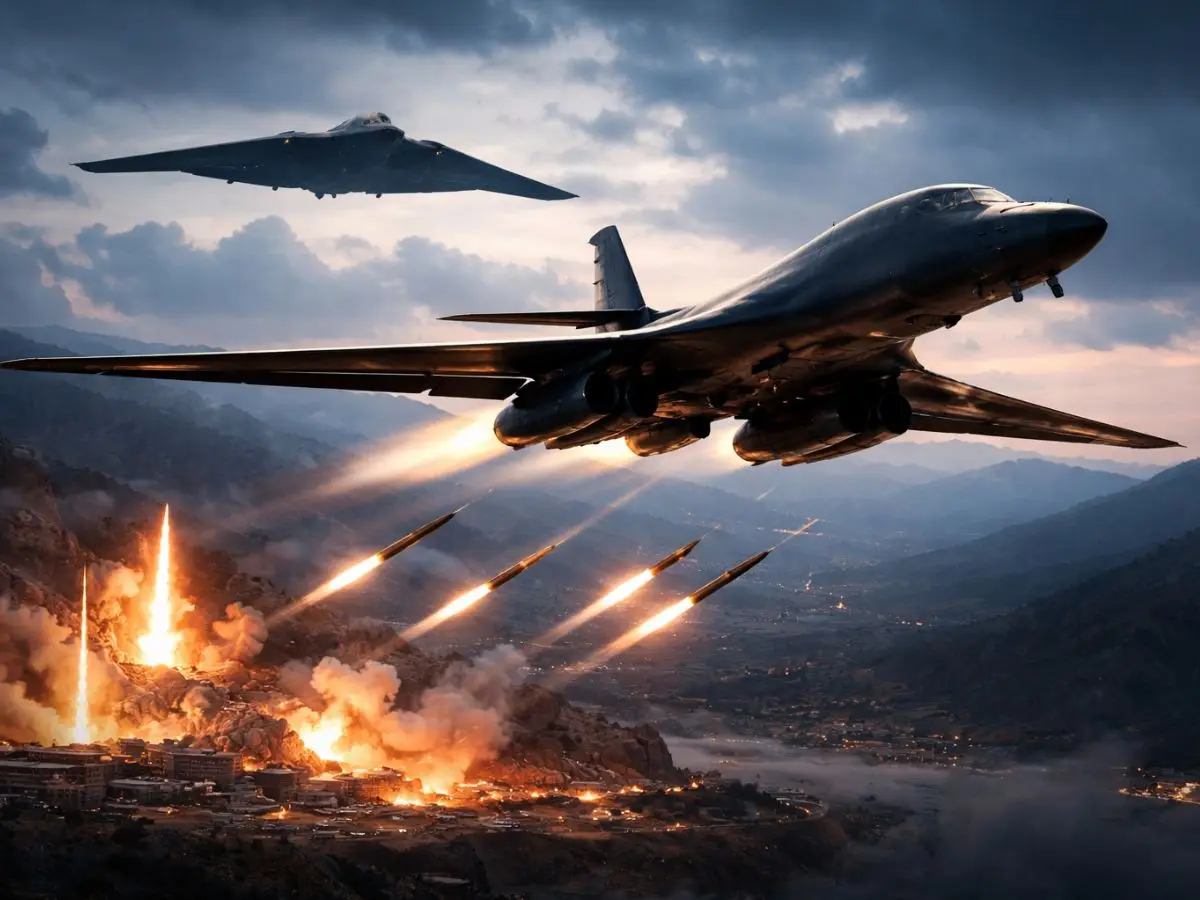
Every US combat aircraft crew operating over enemy territory has a survival and evasion plan — a set of protocols for what to do if the aircraft goes down, how to avoid capture, and how to signal rescue forces. B-2 crews carry personal survival equipment, encrypted radios, and emergency signalling devices. Combat search and rescue forces — typically HH-60 Pave Hawk helicopters supported by A-10s or fighter escort — are positioned to respond to downed crews during operations. The B-2's two-person crew means two people to locate, protect, and extract — a challenge that scales with how deep into enemy territory the aircraft was operating.
The Unique Problem: The Wreckage
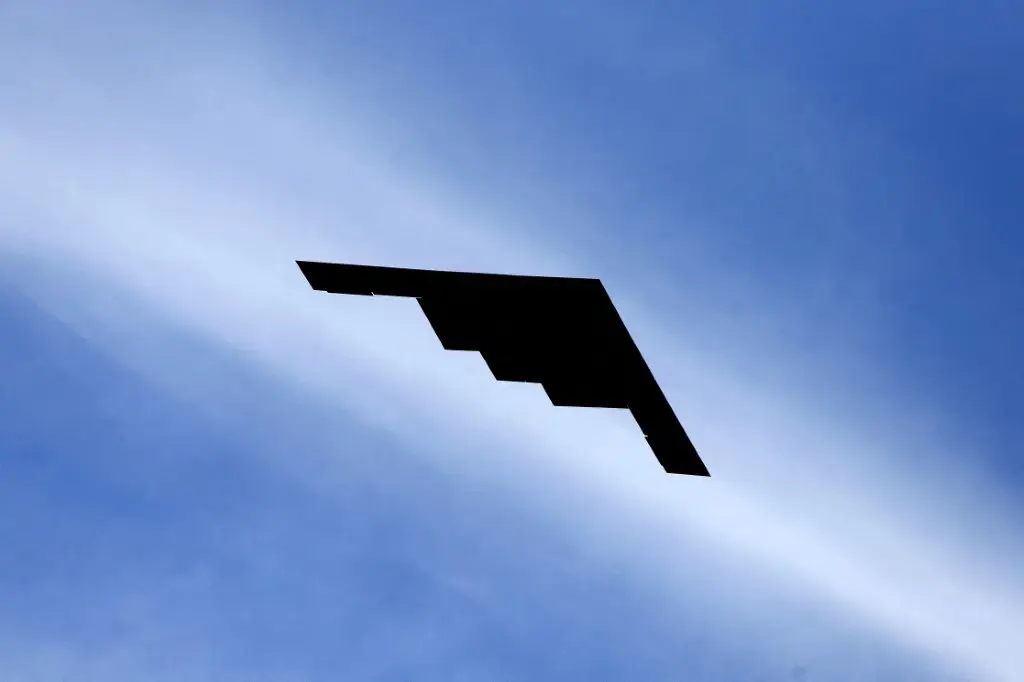
A downed conventional aircraft leaves wreckage that an adversary can examine and learn from. That is bad. A downed B-2 leaves wreckage containing the most classified stealth materials in the US military inventory, avionics systems designed to evade the most advanced air defence networks in the world, mission data recorders potentially containing route information and target data, nuclear weapons handling systems, and the physical evidence of every engineering compromise made in the B-2's stealth design. The wreckage of a B-2 is a national security emergency of a different order than the wreckage of any other aircraft.
The Destruction Protocols
The US military maintains classified procedures for the destruction of downed aircraft that contain sensitive technology — procedures that have existed since before the B-2. In the B-2's case, those procedures are understood to include provisions for strikes on the wreckage by other aircraft if the crew has been recovered or is confirmed lost and recovery of the wreckage by adversary forces appears imminent. Destroying a $2.1 billion aircraft that is already on the ground to prevent its technology from being examined is a decision that requires authorisation at a high level, but the planning for that decision exists.

What The Crew's Ejection System Actually Does
The B-2's ejection system is a ACES II ejection seat — the same system used across many US Air Force aircraft. Both crew members can eject independently. The seats fire upward through the cockpit canopy. At low altitude and low speed, the system provides safe ejection; at high altitude, it includes an oxygen system and thermal protection for the high-altitude environment. After ejection, the crew deploys parachutes and activates survival equipment. The ejection sequence is automated once initiated — the crew pulls the handle and the system manages the rest. Whether both crew members can always reach their handles under combat conditions is a question that has no comfortable answer.
The Intelligence Value Of A Captured B-2
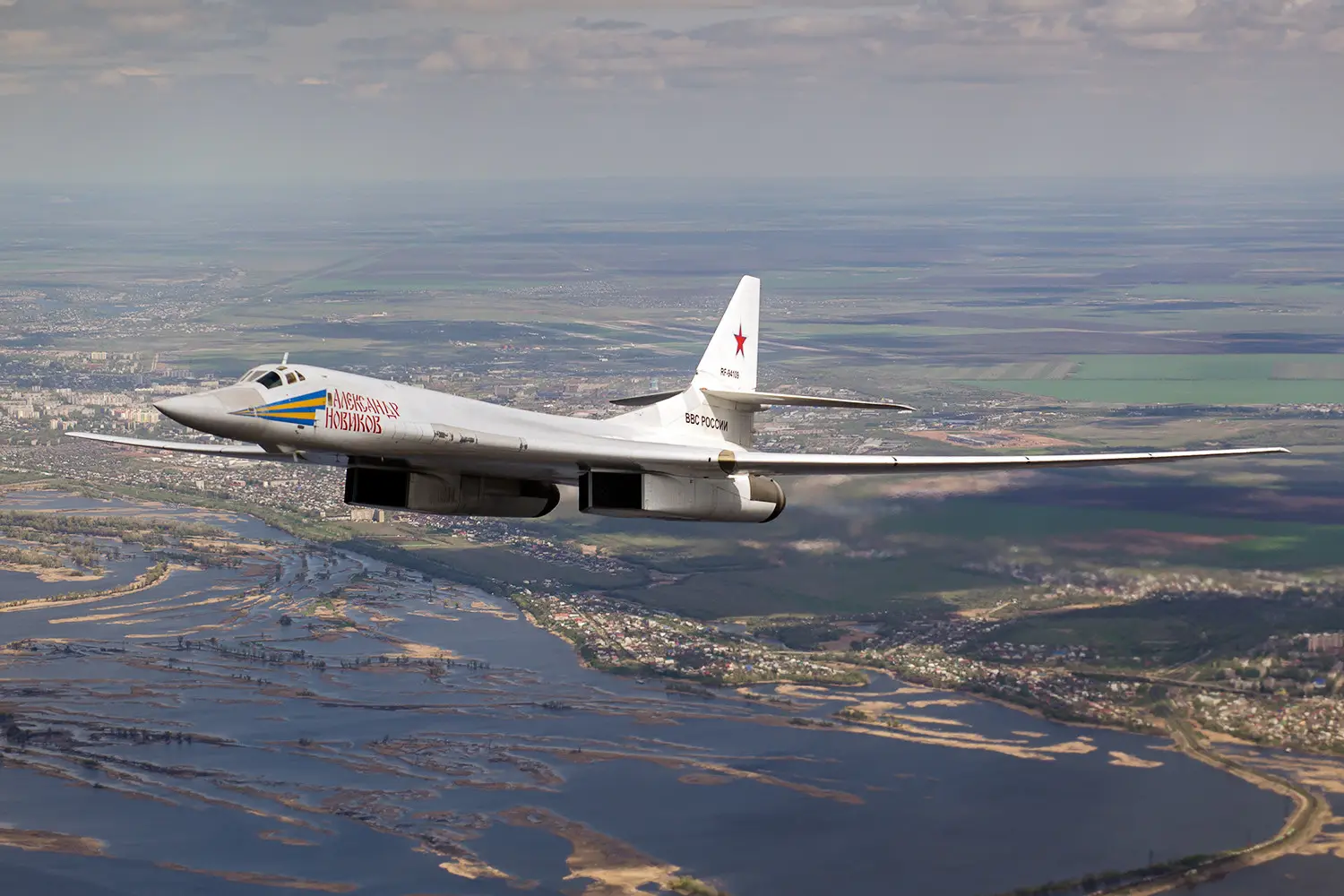
The intelligence value of a relatively intact B-2 to a sophisticated adversary — Russia or China in particular — would be extraordinary. The radar-absorbing coating chemistry, the exhaust slot geometry, the mission computer architecture, the electronic warfare suite, the nuclear handling interfaces — each of these represents decades of classified US research and engineering. Analysis of an intact B-2 would accelerate adversary stealth and counter-stealth programmes by years, potentially decades. The US has gone to significant lengths in previous incidents — including the F-117 shot down over Serbia in 1999, whose wreckage China is reported to have partially examined — to understand and limit this risk.
The 2008 Guam Crash As A Case Study
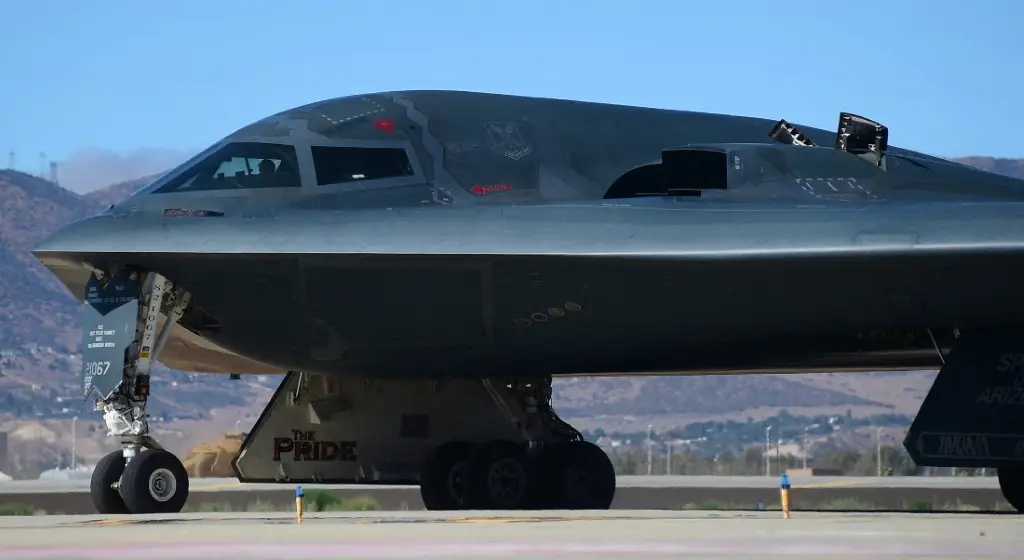
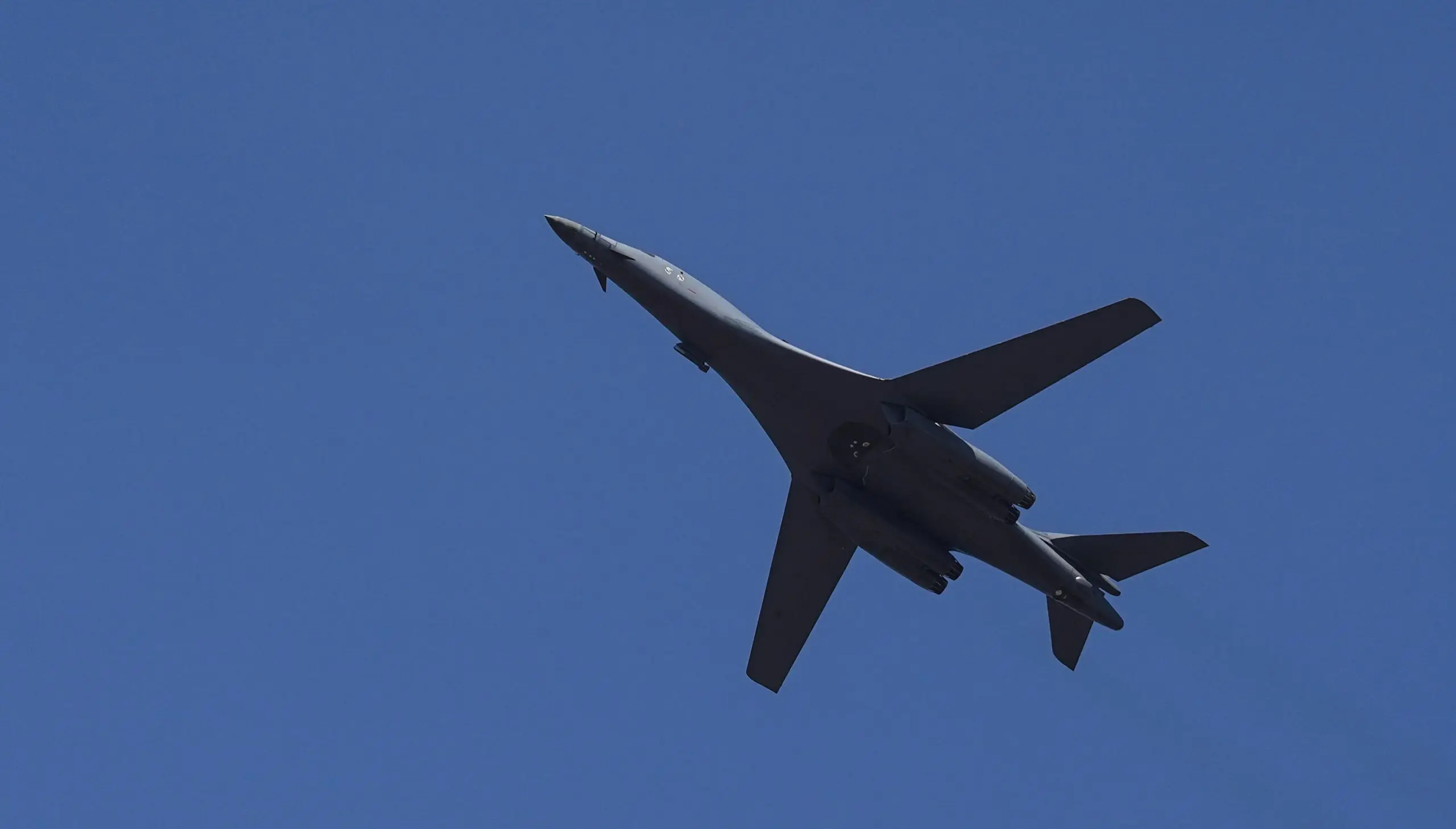
The only B-2 ever destroyed — the Spirit of Kansas, which crashed on takeoff at Andersen Air Force Base in Guam in 2008 — was on a friendly base when it went down. US personnel immediately secured the wreckage. The classified components, materials, and systems were recovered, inventoried, and managed under controlled conditions. The crash investigation had full access to the debris field. This is the best-case scenario for a B-2 loss. The worst-case scenario — a B-2 going down over or near adversary territory during a combat mission — has never happened. The planning for it exists, and it is considerably more complicated than what happened in Guam.
Why The Question Matters More Now
For most of the B-2's service life, the aircraft operated against adversaries whose air defence systems posed limited threat to stealth aircraft. That environment is changing. China and Russia have developed new radar technologies, new surface-to-air missiles, and new electronic warfare systems specifically designed to detect and engage low-observable aircraft. The probability that a B-2 could be shot down in a conflict with a peer adversary is higher today than it was in 1999. The rescue and wreckage protocols that seemed largely theoretical for three decades are now operational planning documents that the Air Force updates with increasing regularity.
)
)
)
)
)