What happened when a Soviet scientist tried to create human-ape super soldiers?

What followed blurred the line between ambition and nightmare, as Ivanov, with the support of the Soviet Academy of Sciences, pursued the radical notion of crossing humans with apes.
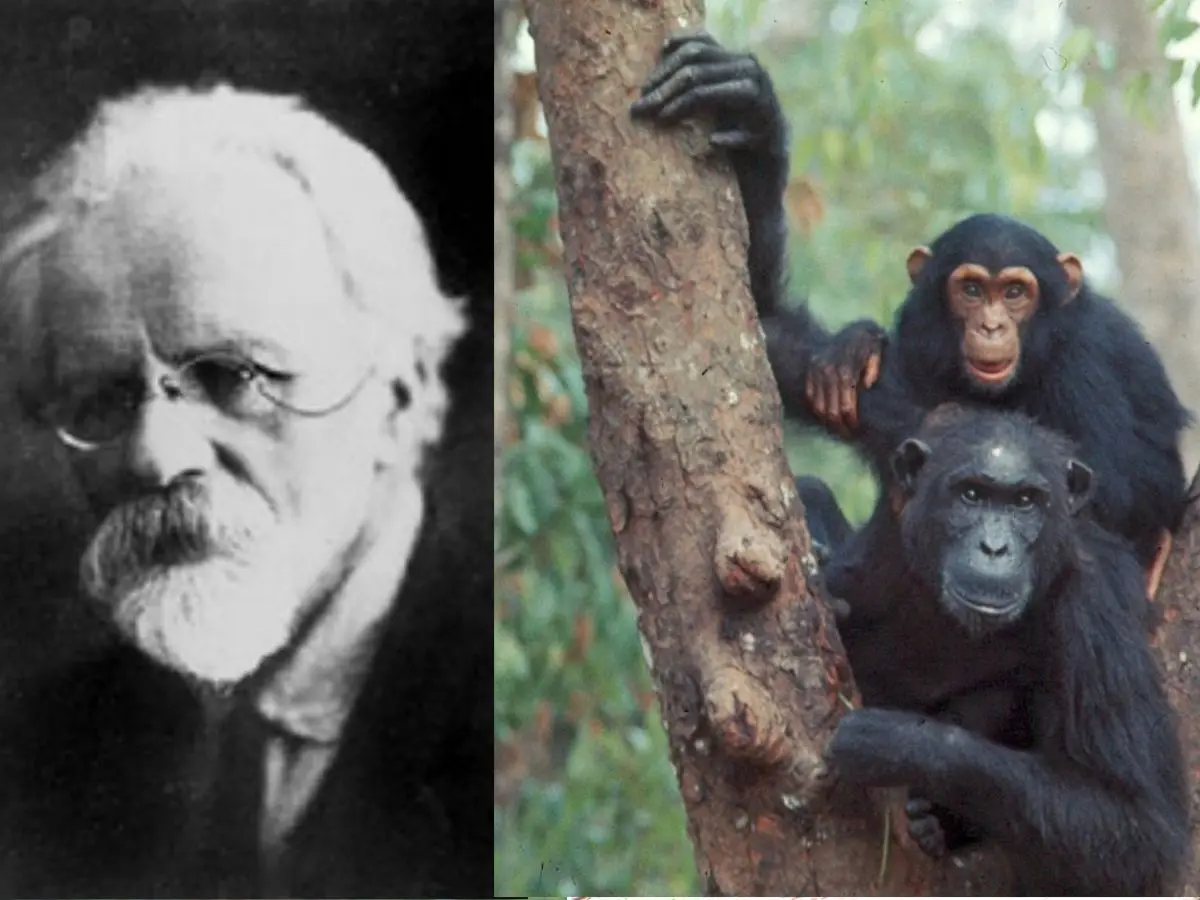
Origins of an Unsettling Idea
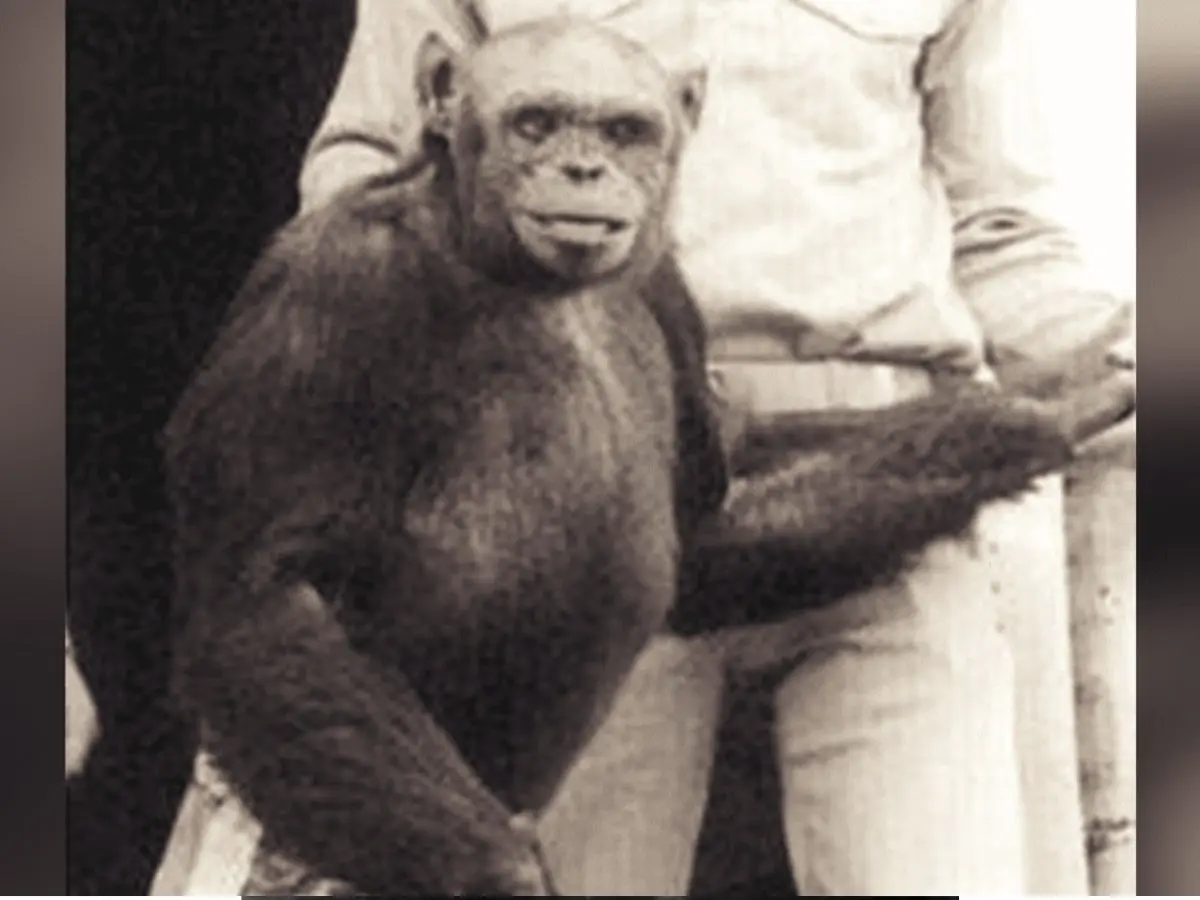
In the turbulent rise of the Soviet Union, one of history’s most bizarre and unsettling experiments was set in motion. Endorsed by Joseph Stalin, the plan sought to create a new breed of soldiers , human, ape hybrids, imagined as stronger, more obedient, and indifferent to hunger or pain. At the centre of this extraordinary vision stood Ilya Ivanov, a celebrated biologist tasked with pushing the limits of science to produce a so-called “super warrior.” What followed blurred the line between ambition and nightmare, as Ivanov, with the support of the Soviet Academy of Sciences, pursued the radical notion of crossing humans with apes. For Soviet leaders eager to shape a new kind of human, biology became a weapon, a means to engineer beings more resilient, compliant, and perfectly tailored to the needs of the state.
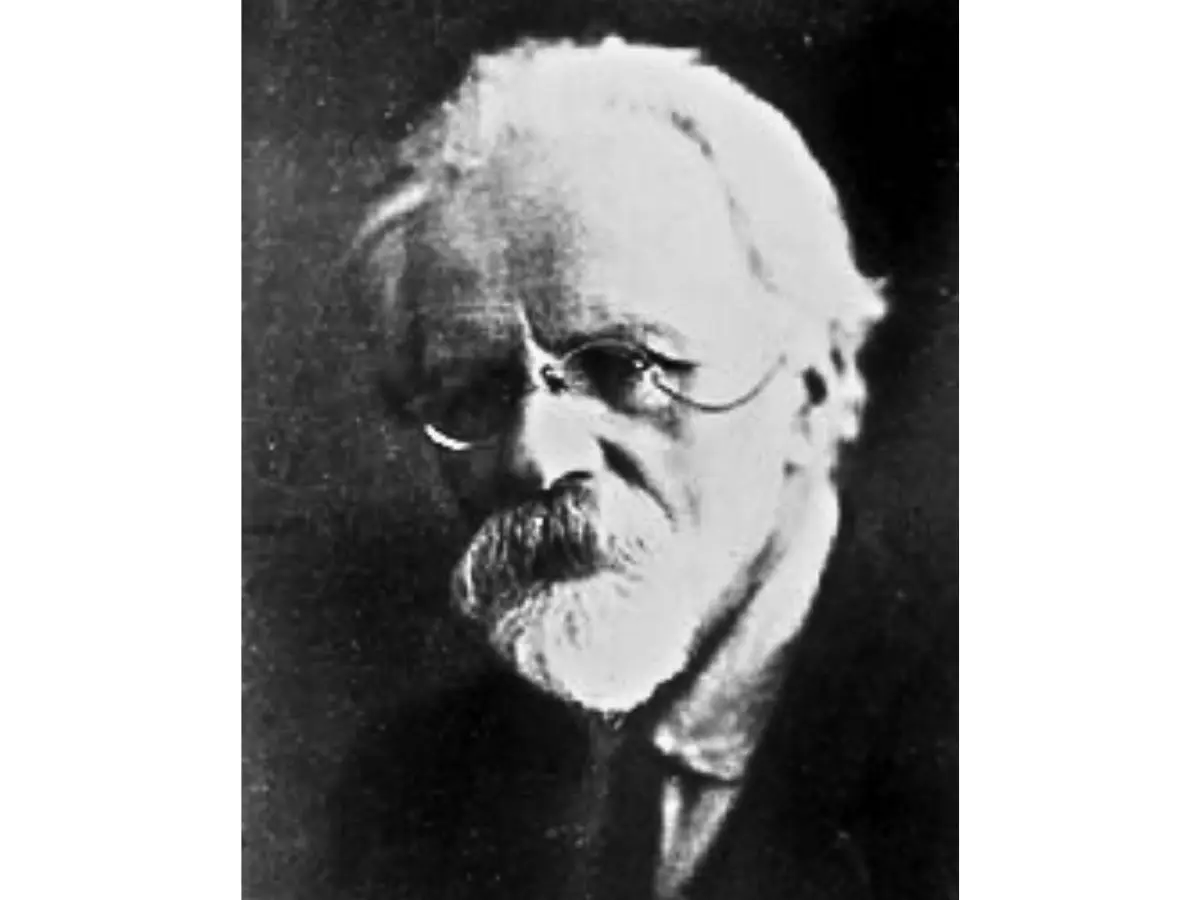
Ilya Ivanov and His Reputation
Ivanov was not a fringe scientist. He had already gained international recognition for his pioneering work in animal breeding, successfully producing hybrids between horses, zebras, and other species. His reputation as a leading expert in artificial insemination gave weight to his proposals. With political winds favouring bold experiments, Ivanov received state funding to pursue his controversial goal: to create a human-ape hybrid that, in theory, could embody strength, endurance, and obedience, traits imagined to serve the Soviet state.
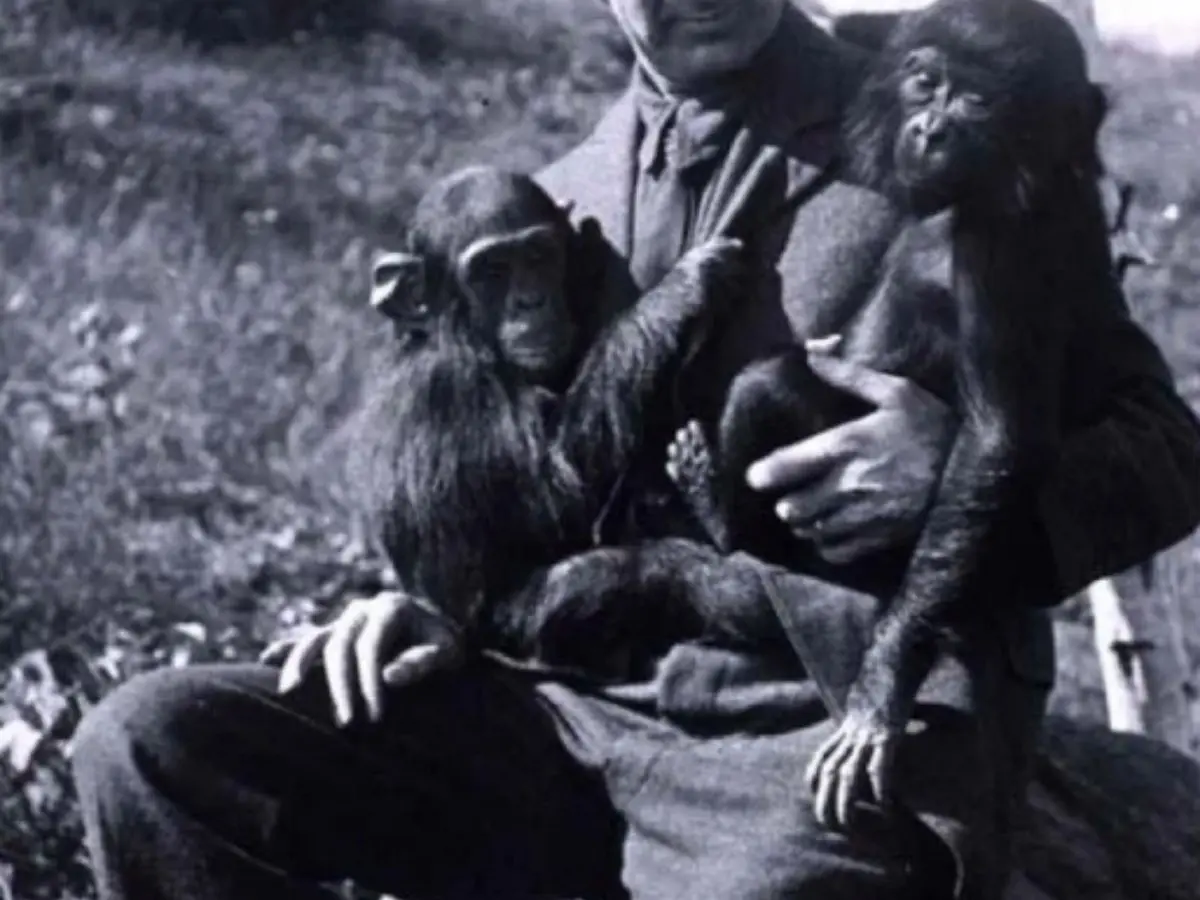
The African Mission
In 1926, Ivanov travelled to French Guinea in West Africa with the support of the Pasteur Institute. His aim was to use chimpanzees for artificial insemination experiments. However, local resistance, coupled with ethical concerns and logistical difficulties, thwarted his plans. The attempt to inseminate female chimpanzees with human sperm never progressed beyond preliminary stages. The failure did not end his ambitions. On returning to the Soviet Union, he continued to push for resources, arguing that the experiment could succeed if given the right conditions.

Experiments in the Caucasus
In 1927, Ivanov shifted his focus to the Soviet Union itself, specifically the Sukhumi Primate Research Institute in Abkhazia, which later became a major centre for primate studies. There, he proposed inseminating human females with ape sperm. Reports suggest he sought volunteers among women who were motivated by ideology or by the promise of scientific contribution. Unsurprisingly, this element of the project provoked significant opposition, both from within the scientific community and from the broader public, and it was eventually halted before being carried out.
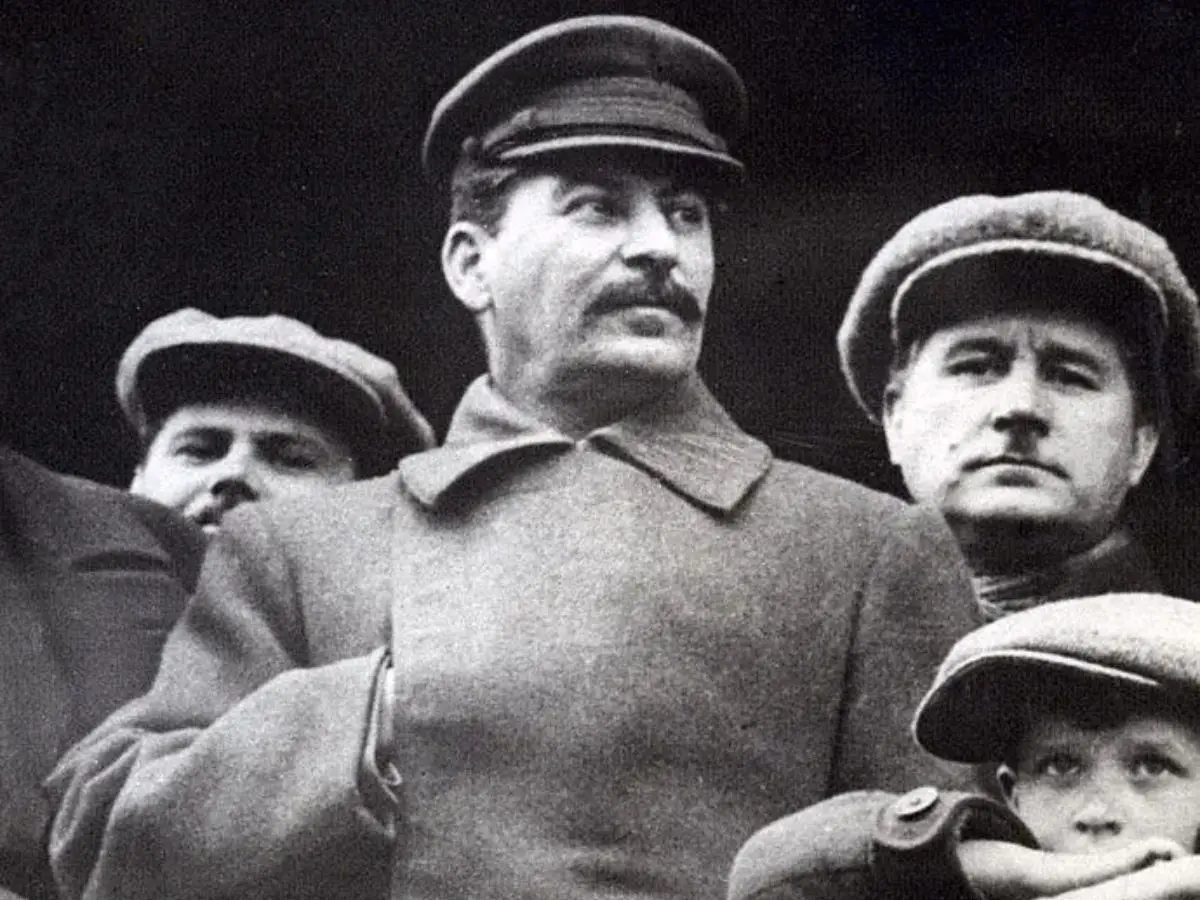
Political and Scientific Collapse
By the early 1930s, Ivanov’s once-promising career had unravelled. The scientific establishment grew increasingly sceptical of his work, and political tides in the Soviet Union turned hostile. In 1930 he was arrested during one of Stalin’s purges, accused of political disloyalty rather than scientific misconduct. He was exiled to Kazakhstan, where he died in 1932. His dream of creating a human-ape hybrid ended with his downfall, leaving behind more controversy than results.
Legacy of the Experiment
Although Ivanov’s experiments never produced the outcomes he imagined, they have endured in popular memory as one of the most audacious and ethically troubling episodes in Soviet science. His story reflects a period when ideology and scientific ambition were intertwined, often pushing researchers into uncharted, and deeply questionable, territory. Today, his work is cited less for its biological relevance and more as a cautionary tale about the dangers of science pursued without ethical boundaries.

Lessons for Science and Society
The tale of Ilya Ivanov’s “human-ape hybrid” project highlights how political ambition and scientific possibility can collide in extraordinary ways. While the science behind such a hybrid was always highly improbable, the fact that such a project was seriously contemplated illustrates the power of ideology in shaping research agendas.
)
)
)
)
)