What happened to Bob Lazara after his UFO whistleblower claims?

His story included anti-gravity propulsion, exotic fuels, and technology far beyond human capability. But what became of Lazar after he went public with these claims? Here’s how his life unfolded in the years that followed.
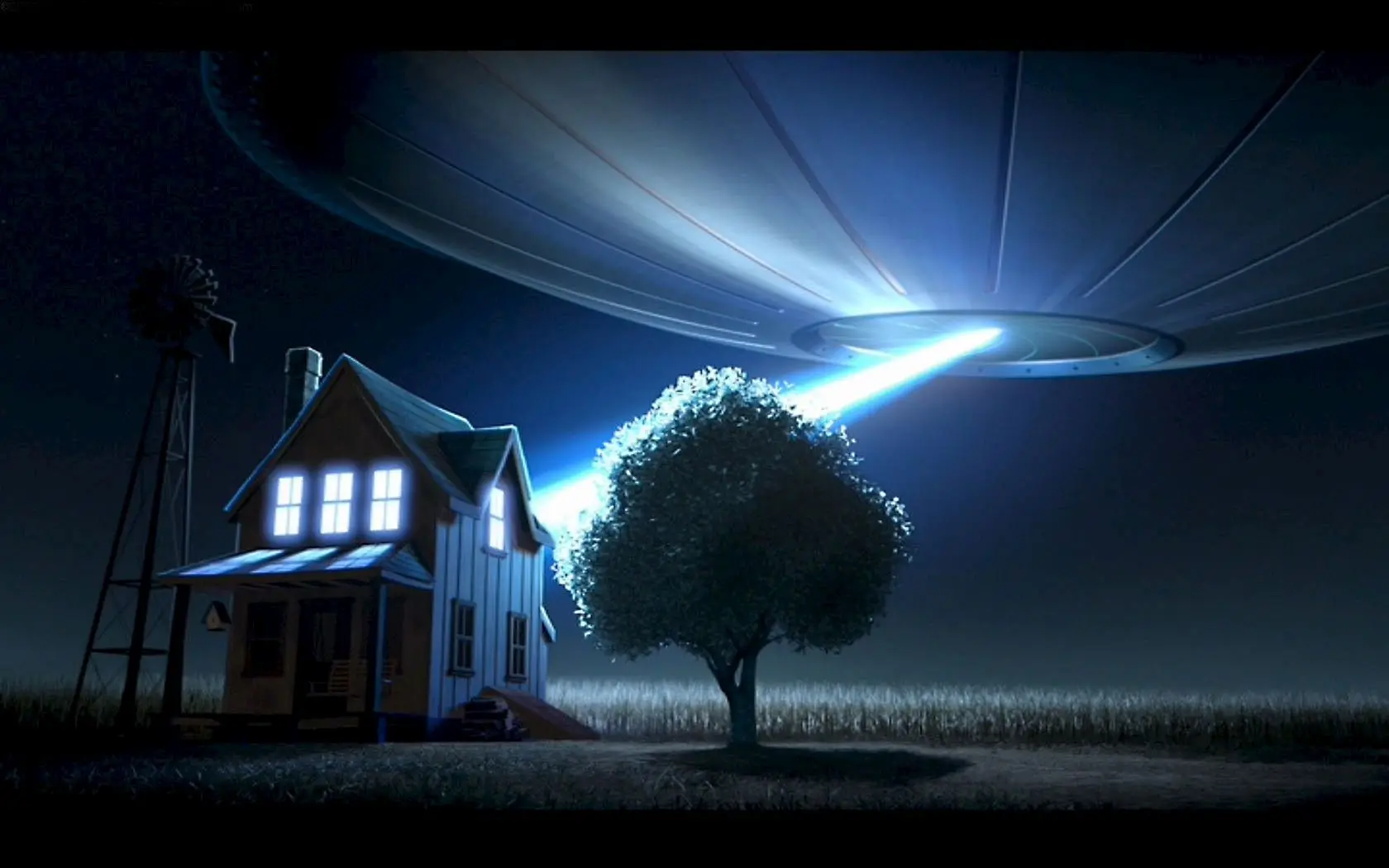
Becoming a UFO Celebrity Overnight
After going public with investigative journalist George Knapp, Lazar quickly became one of the most controversial figures in UFO history. His claims of “flying saucers” at a site called S-4 near Area 51 turned him into a hero for UFO enthusiasts and a target for skeptics.

Questions About His Background
Soon after his whistleblowing, researchers discovered holes in his educational and employment records. Lazar claimed to have degrees from MIT and Caltech, but there was no evidence of him attending. Official records also didn’t support his employment history at Los Alamos National Laboratory, though some indirect evidence suggested he had worked around the facility. Critics called this proof of fabrication, while Lazar’s supporters insisted the government erased his records to discredit him.
Legal Troubles and Scandals
In the 1990s, Lazar faced several legal issues:
- 1990 – He was arrested for involvement in a Las Vegas prostitution ring but struck a plea deal.
- 2003 – He was charged with illegally selling chemicals that could be used in fireworks and explosives through his business, United Nuclear Scientific Equipment.
These controversies further divided opinion—were they proof Lazar wasn’t credible, or attempts to tarnish his reputation?

Life Away From the Spotlight
Despite the media storm, Lazar never capitalized heavily on his story. He avoided UFO conventions, rarely gave interviews, and instead focused on running his company United Nuclear, which sells scientific equipment, chemicals, and supplies. Unlike other UFO personalities, Lazar never built a career from his claims.

Resurfacing With the Netflix Documentary
In 2018, filmmaker Jeremy Corbell released Bob Lazar: Area 51 & Flying Saucers, bringing Lazar’s story to a new generation. Around the same time, interest in UFOs grew again due to Pentagon UFO disclosures, giving Lazar’s claims renewed relevance. Despite sticking to his original story for decades, Lazar admitted the publicity had made his life “a living hell.”

Today – A Reluctant UFO Icon
Now in his mid-60s, Bob Lazar lives a low-profile life in Michigan. He still insists his story is true, but he refuses to actively seek fame from it. For UFO believers, Lazar remains a pioneer whistleblower. For skeptics, he’s a cautionary tale about hoaxes and misinformation.
)
)
)
)
)