What happened in Fukushima 15 years ago and why Japan is restarting world's biggest nuclear plant now

A tsunami triggered by the 2011 earthquake of magnitude 9 caused reactor meltdowns at Fukushima Daiichi, leading to a level-7 nuclear disaster. While no radiation deaths were recorded, mass evacuations followed, with over 2,300 disaster-related deaths among displaced residents.
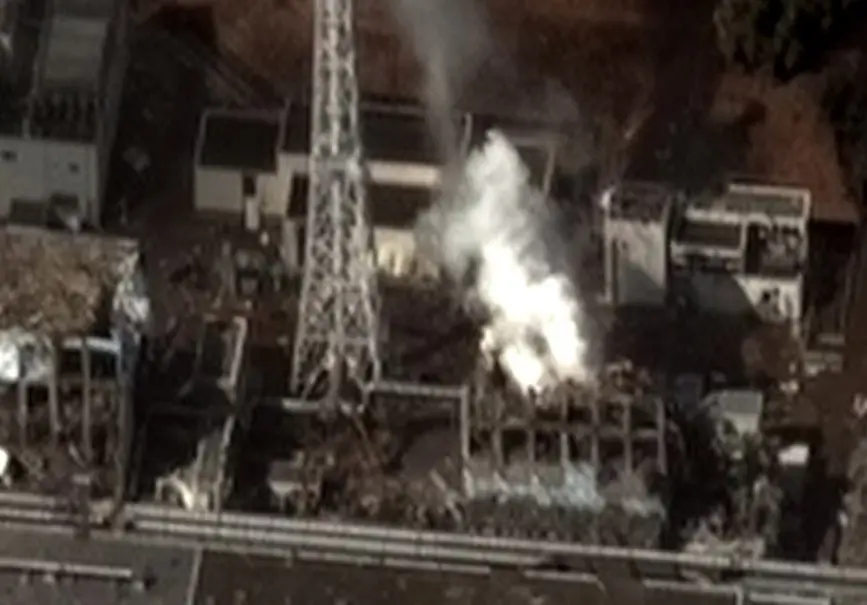
Nuclear disaster on March 11, 2011
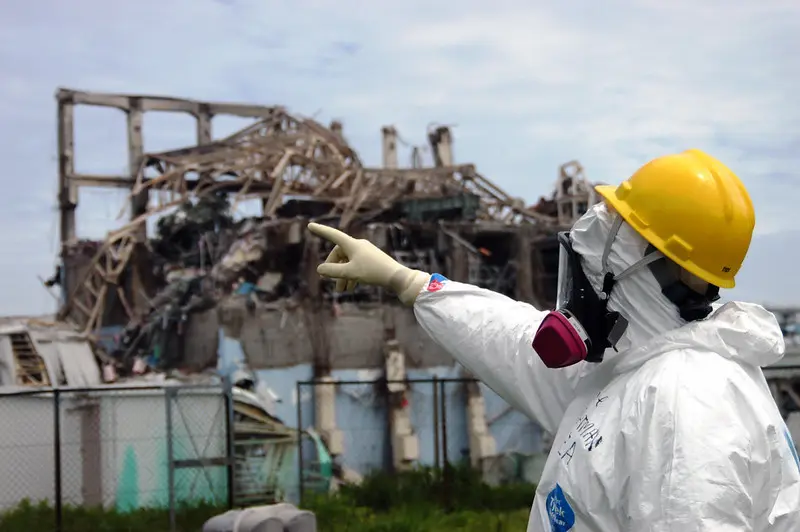
After a powerful earthquake, a tsunami measuring about 15 metres knocked out power and cooling systems at three reactors of the Fukushima Daiichi nuclear plant, triggering a nuclear disaster on March 11, 2011. The reactor cores largely melted within the first 72 hours.
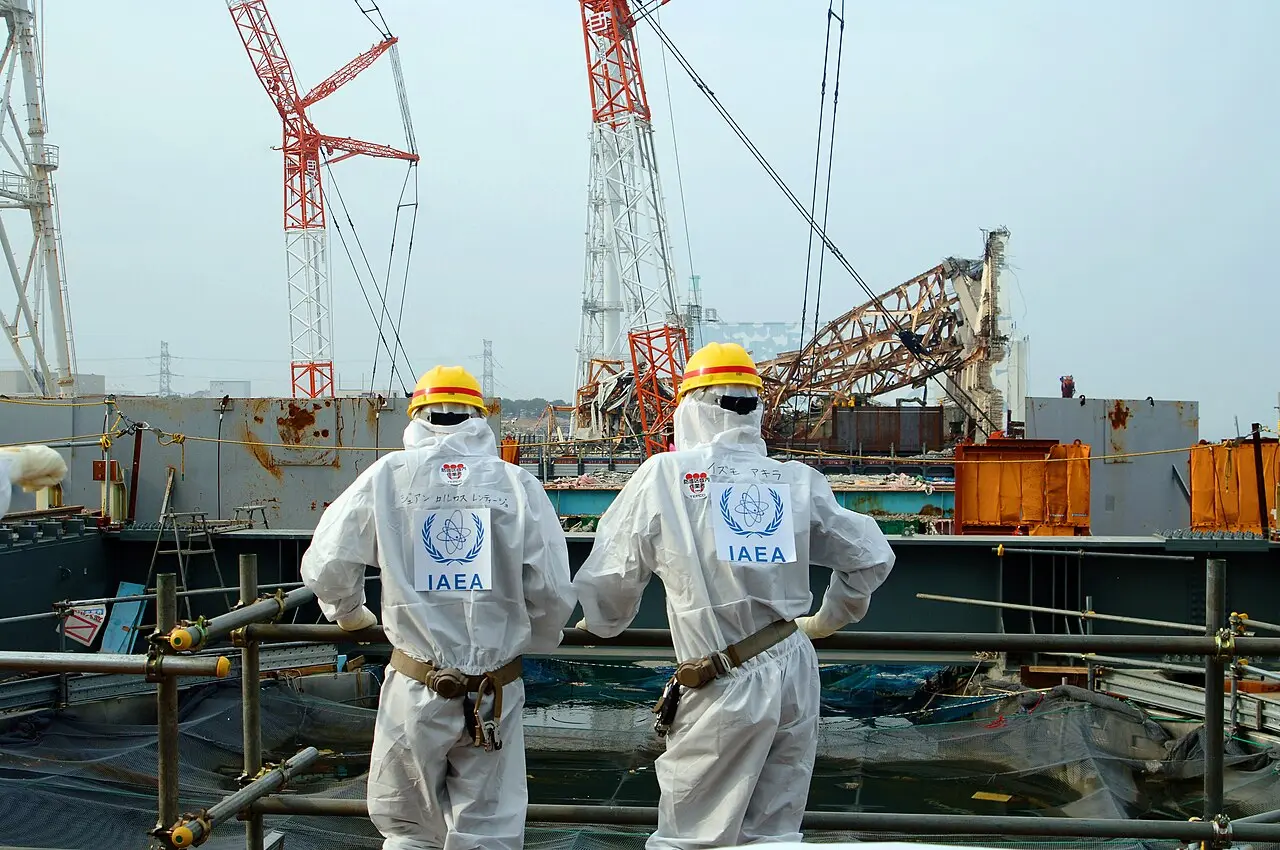
Radiological Event Scale
The incident was classified as level 7, the highest, on the International Nuclear and Radiological Event Scale, after significant radioactive releases between days four and six, totalling roughly 940 petabecquerels. All four Fukushima Daiichi reactors, with a combined net capacity of 2,719 MWe, were deemed beyond repair.
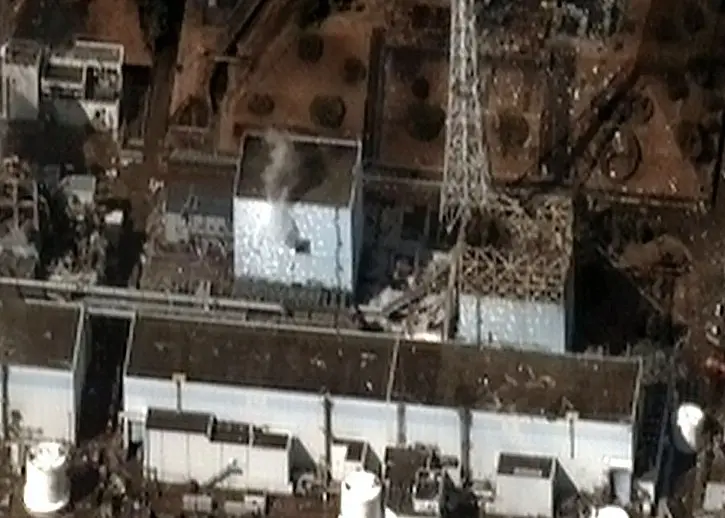
Cold shutdown condition
Within two weeks, reactors 1 to 3 were stabilised through continuous water injection. By July, cooling was maintained using recycled water from a newly built treatment facility, and a formal “cold shutdown condition” was declared in mid-December.
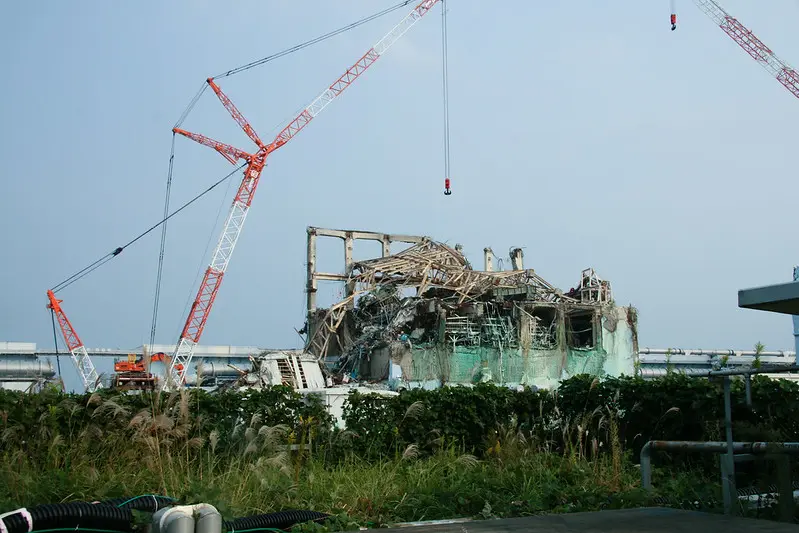
Damaged reactors
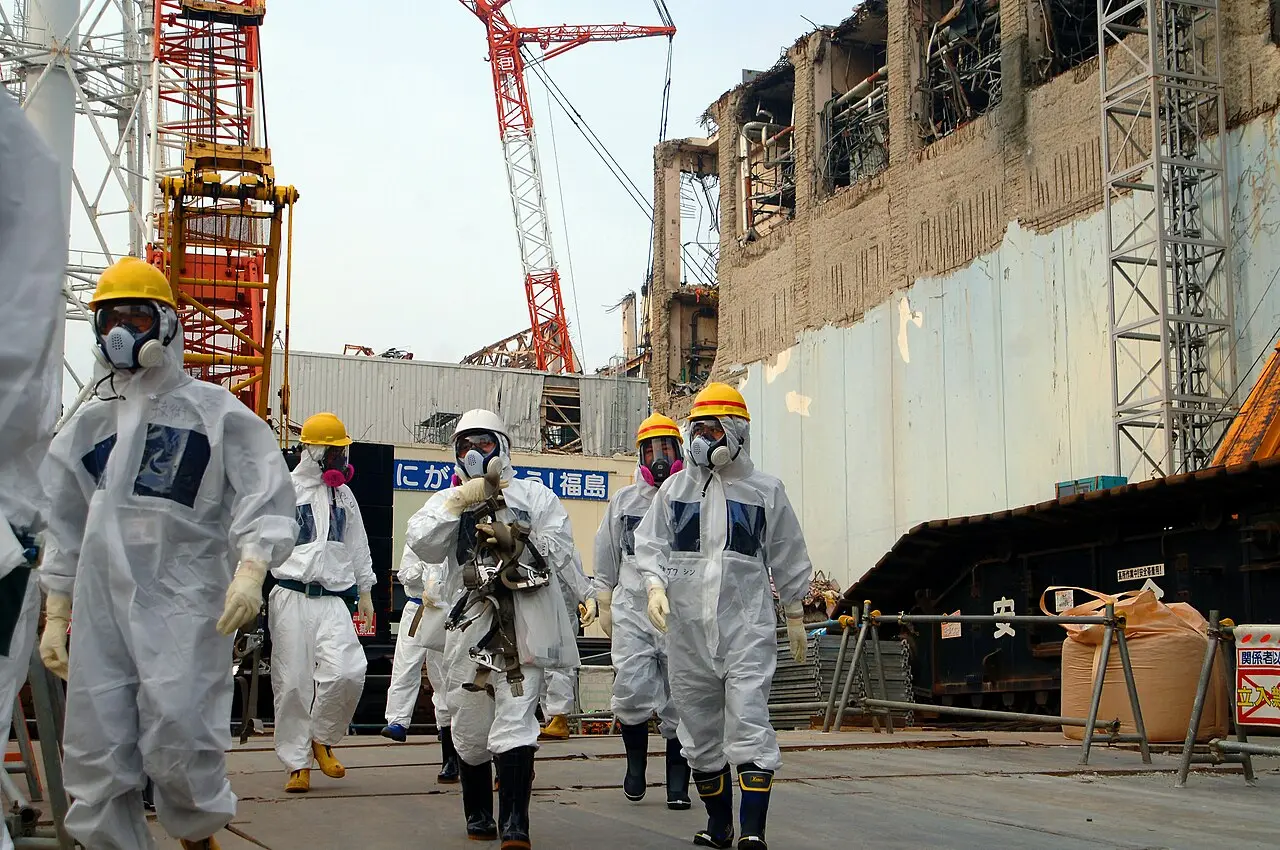
Beyond cooling, authorities focused on preventing the escape of radioactive substances, particularly contaminated water leaking from the damaged reactors, an issue that drew widespread attention in August 2013.
No deaths
After the disaster, no casualties or radiation sickness were directly linked to the nuclear accident itself, but more than 100,000 residents were evacuated as a precaution, with many unable to return due to prolonged government caution.
Disaster-related deaths
Official data records 2,313 disaster-related deaths among evacuees from Fukushima prefecture, in addition to the nearly 19,500 people who died as a result of the earthquake and tsunami.
)
)
)
)
)