What essential hand signals are used by deck crew on USS Abraham Lincoln to avoid catastrophic errors during operations?

This non-verbal system is not merely a preference but a survival requirement, as the roar of jet turbines renders vocal commands useless.
The Essential Hand Signals of the USS Abraham Lincoln
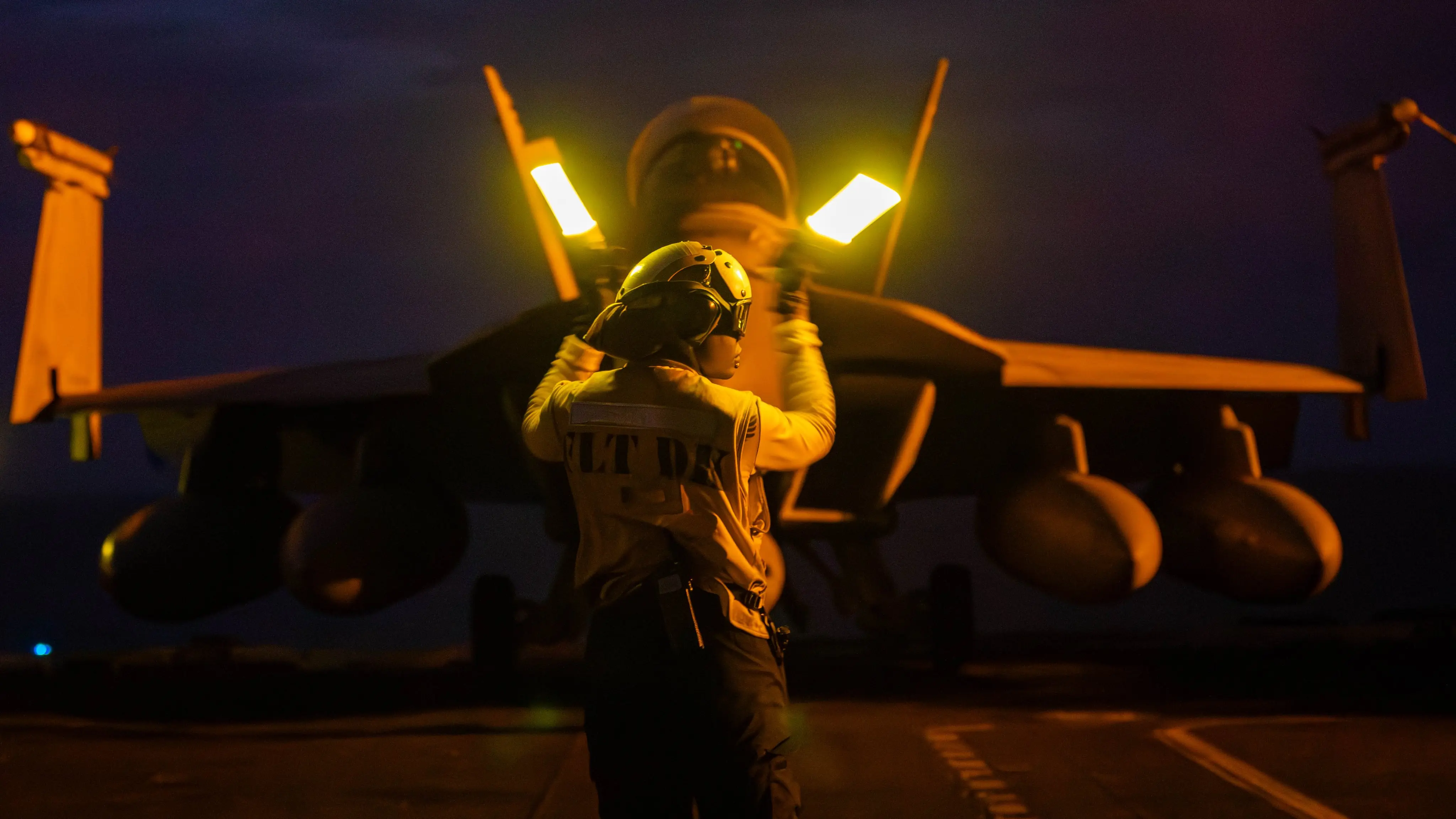
The flight deck of a Nimitz-class carrier like the USS Abraham Lincoln is frequently described by the Naval Safety Command as an office that is, unfortunately, a place where sailors can die. Operating within a high-tempo environment defined by extreme noise confined space, constant movement and moving machinery, the crew must rely entirely on visual communication. This non-verbal system is not merely a preference but a survival requirement, as the roar of jet turbines renders vocal commands useless. Understanding these signals is critical for maneuvering safely around the four-acre runway.
Why hand signals are critical
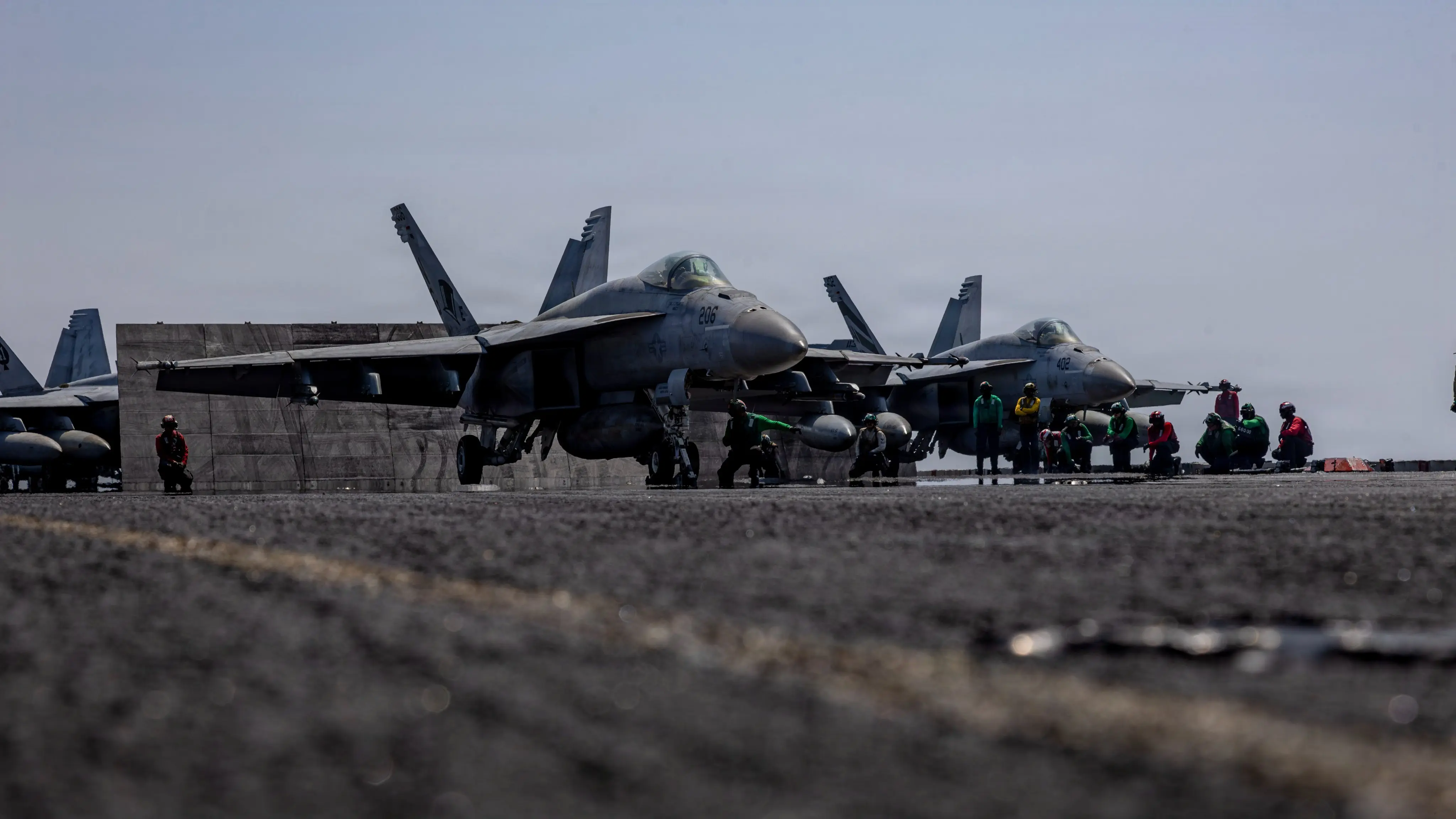
Understanding markings, movement and signals is essential because the deck operates as a coordinated system. At its most basic level, an aircraft carrier is “a ship outfitted with a flight deck — a runway area for launching and landing airplanes”, yet the risks involved demand exact communication at every stage. Standardised gestures ensure that the transition from a stationary aircraft to a supersonic launch is managed with absolute mechanical and human synchronisation.
Standardised aircraft handling signals
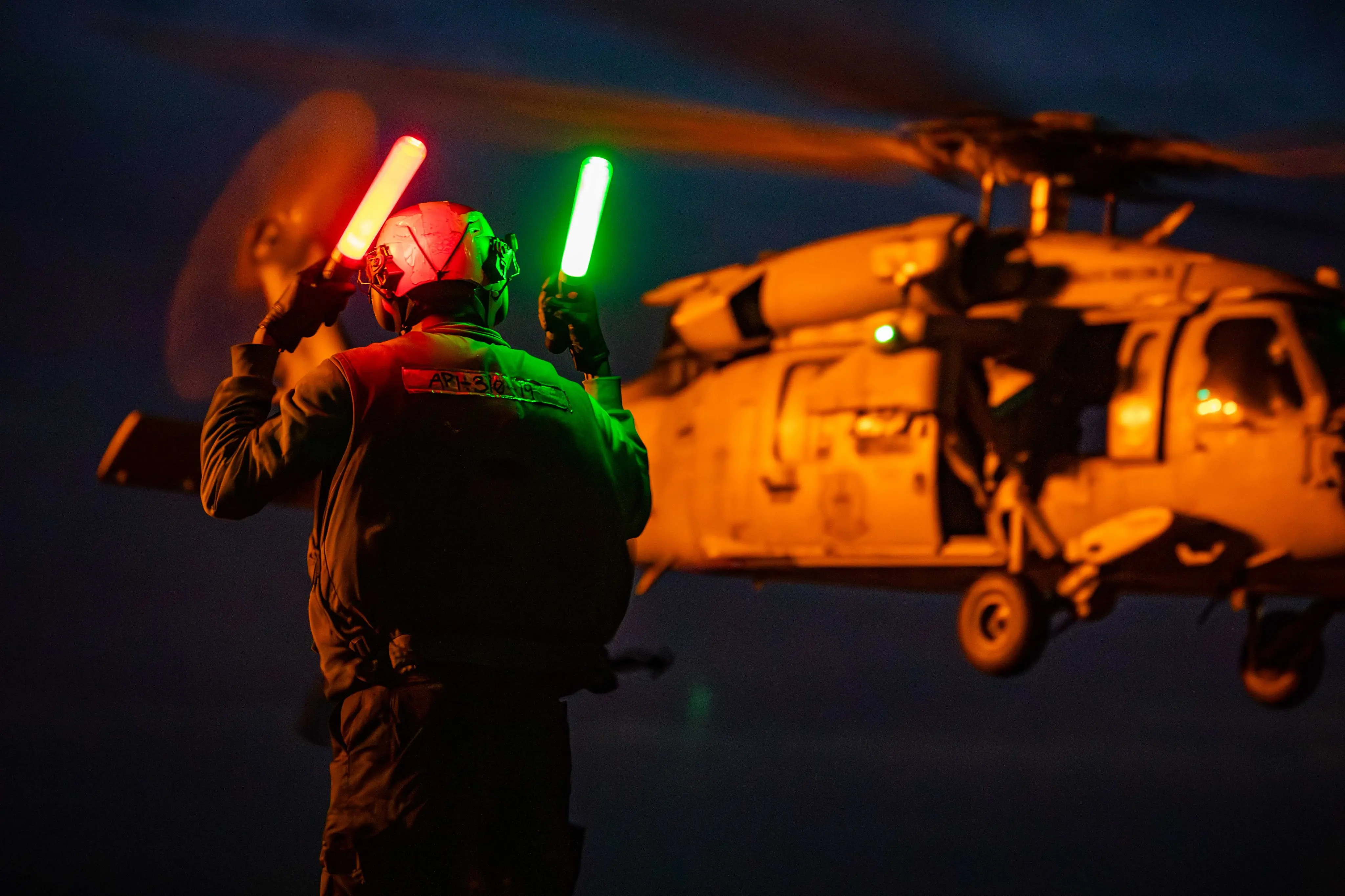
The US Navy employs formally defined aircraft handling signals, ensuring uniform interpretation across crews and carriers. These signals are taught rigorously and must be executed exactly as prescribed. Consistency is central to preventing misinterpretation in an environment where even minor error can escalate quickly.
Directing Aircraft with Positive Control
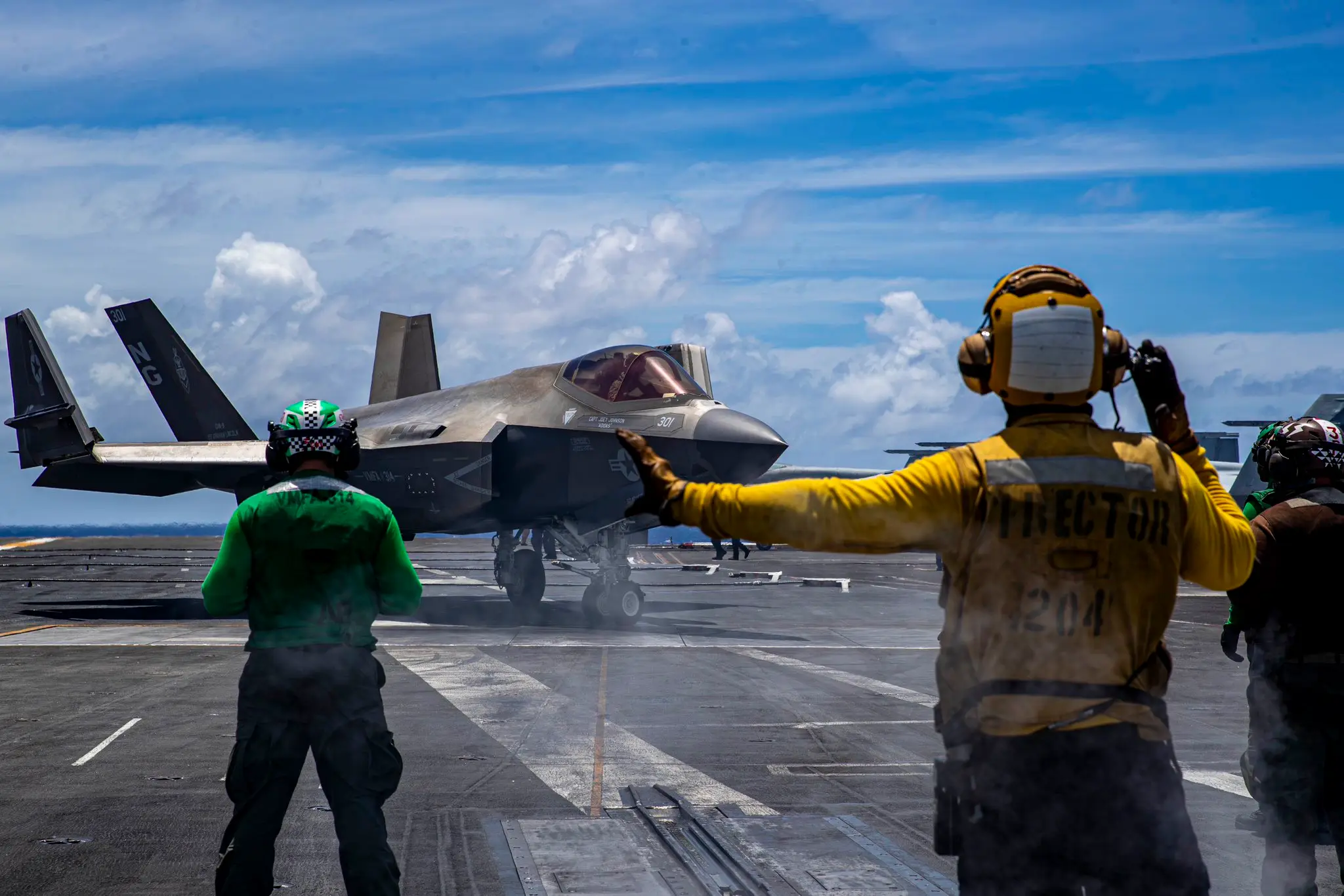
The primary movers on the deck are the Plane Directors, known by their distinctive yellow jerseys. To move an aircraft forward, the director holds both hands above their head with palms facing inward, beckoning the pilot. To stop the aircraft, the director abruptly clenches their fists and crosses their arms overhead. This "positive control" is a factual mandate; a pilot must never move an aircraft unless they have a clear, continuous visual link with a director’s signals.
Engine Start and Emergency Shutdown
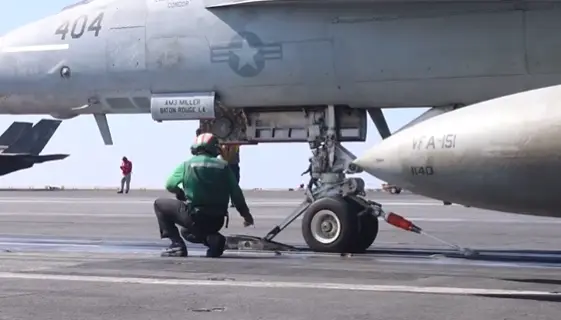
Initiating a launch sequence involves specific technical signals. To command an engine start, a director rotates one hand in a circular motion while pointing at the specific engine with the other. Conversely, the signal for an immediate emergency shutdown is a horizontal slashing motion across the throat. This signal is universal across the fleet, designed to be unmistakable even in low visibility or high-stress situations to prevent engine-related fires or mechanical failure.
The Critical Thumb and Suspend Signals
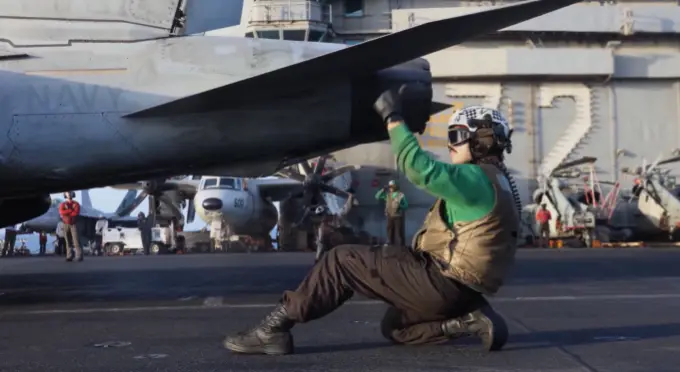
In the final seconds before a jet is hurled off the deck, the "thumbs up" signal is passed between various safety checkers. This gesture signifies that the aircraft is "up" and ready for flight. However, if a safety observer detects any hazard, they will use the "suspend" signal—arms crossed in a "T" shape. This immediately halts the launch sequence. Naval Safety Command documentation emphasises that "everyone is a safety observer," and any sailor can signal a suspend if they see a potential catastrophe.
Verifying Weight and Catapult Readiness
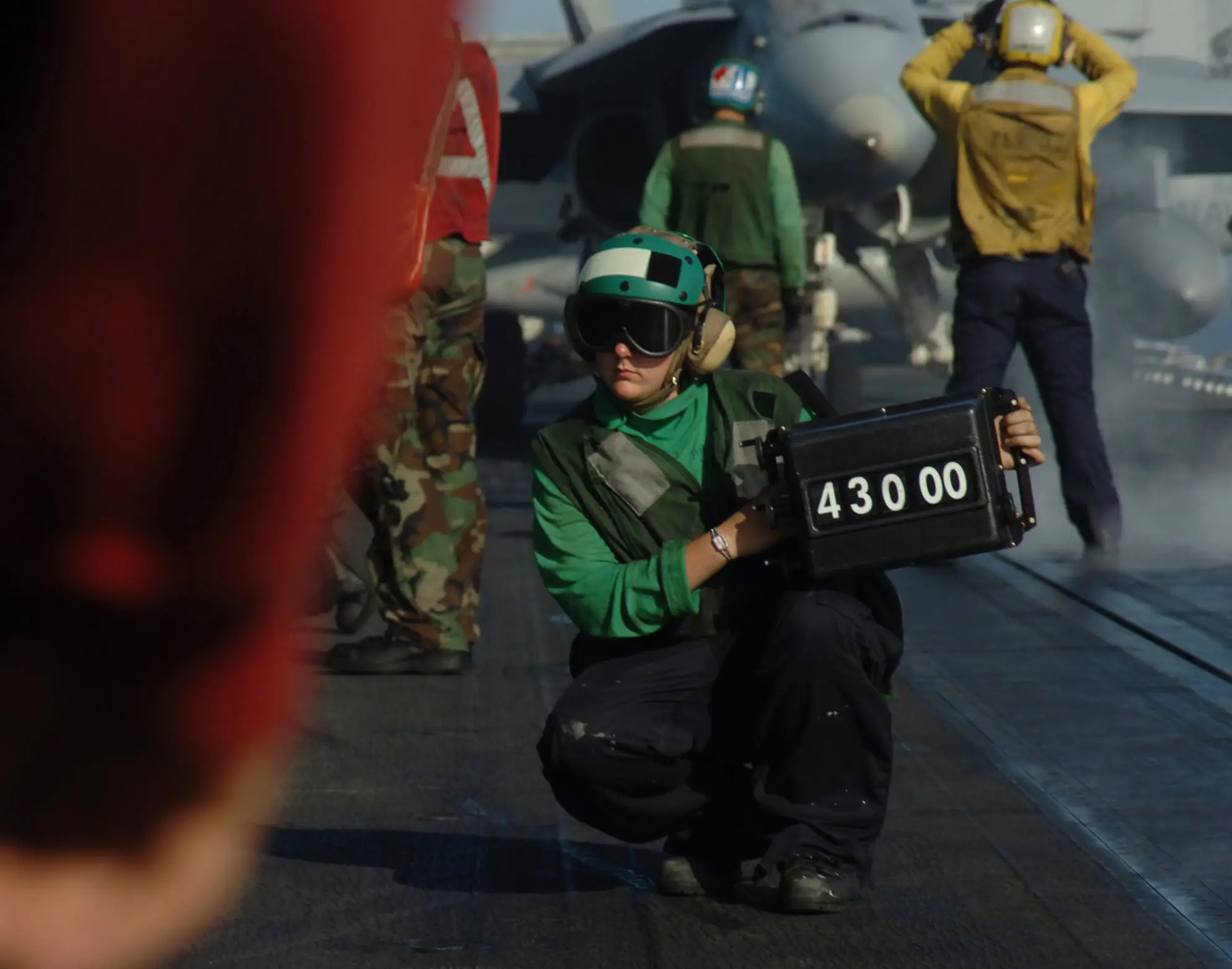
Before the final launch, the crew must verify the aircraft's weight to set the catapult tension correctly. This is one of the few interactions involving a physical prop: the weight board. A crew member holds a board with the aircraft’s weight written in large numerals. The pilot confirms this by a sharp salute to the Catapult Officer. Without this specific acknowledgement, the launch is aborted, as incorrect pressure could lead to a "cold cat" where the aircraft fails to reach flying speed.
Signals for movement and direction
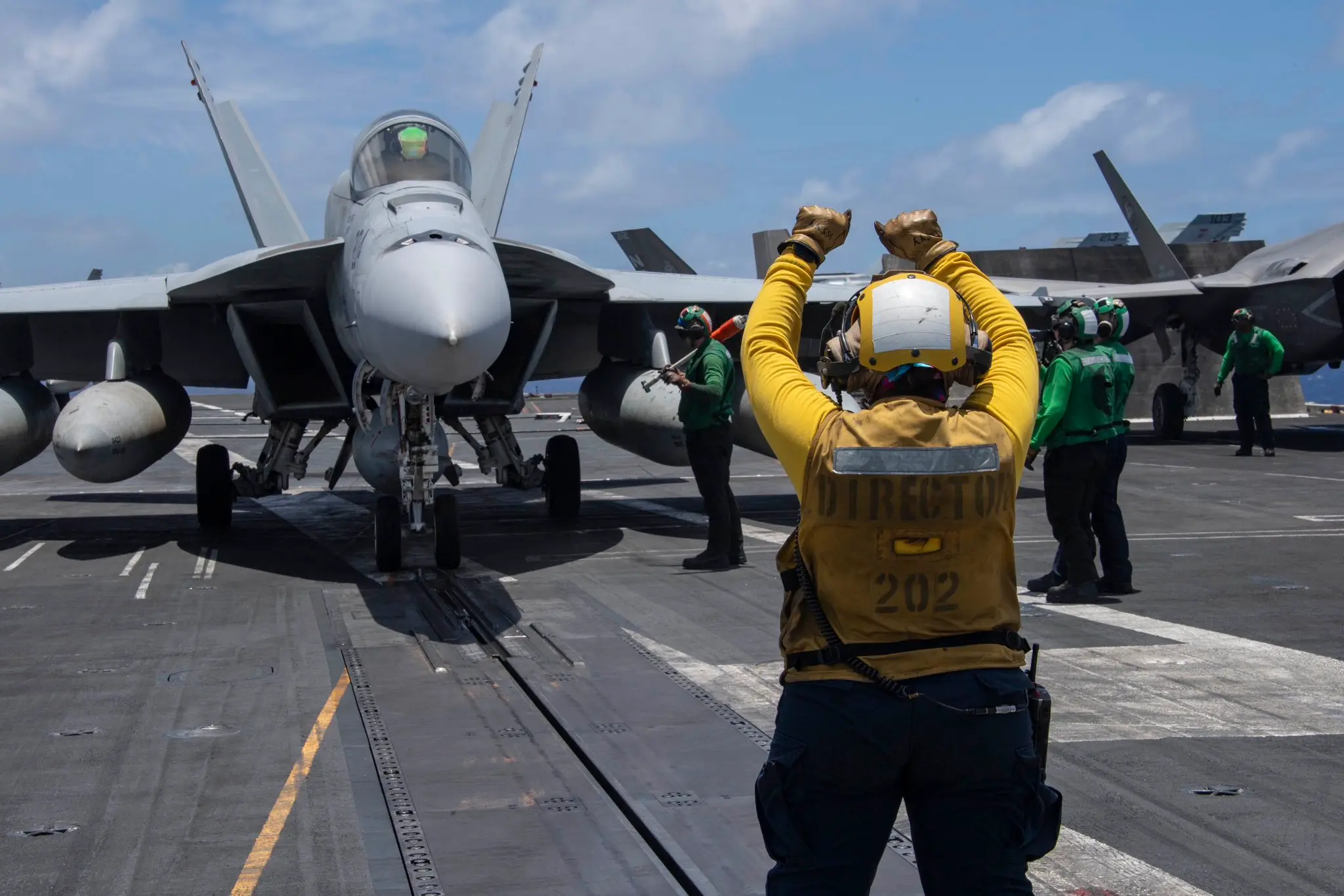
Directional signals guide aircraft during taxi operations. Deck crew use precise arm movements to indicate forward motion, turns or repositioning. Clenched Fists/Arms Up generally signals the pilot to lock the brakes or that the aircraft is in a "safe" or "hooked up" configuration. It also signifies to “stop” or hold position.
Coordinating Recovery and Arresting Gear
Once an aircraft returns to the USS Abraham Lincoln, the silent dialogue continues. Hook runners use specific hand motions to signal to the pilot that the tailhook has successfully caught the arresting wire. A circular motion followed by a point towards the deck indicates the hook is clear and the aircraft can taxi. These signals allow the ship to recover aircraft every 45-60 seconds, maintaining a rhythm that is only possible through the disciplined application of this complex, silent language.
)
)
)
)
)