What engines does the B-2 bomber use, and how much mileage does it give?

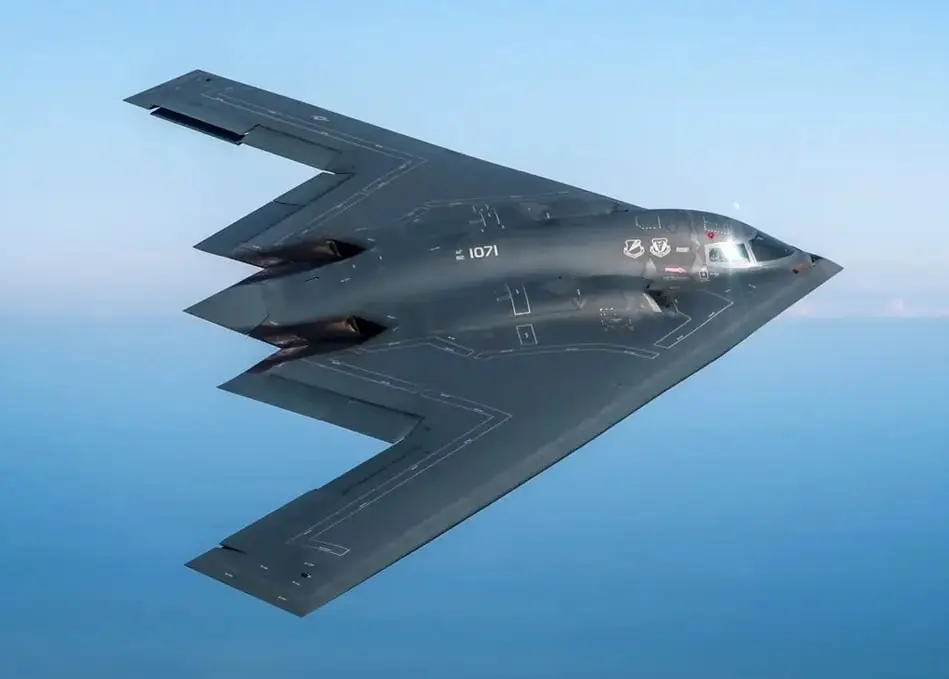
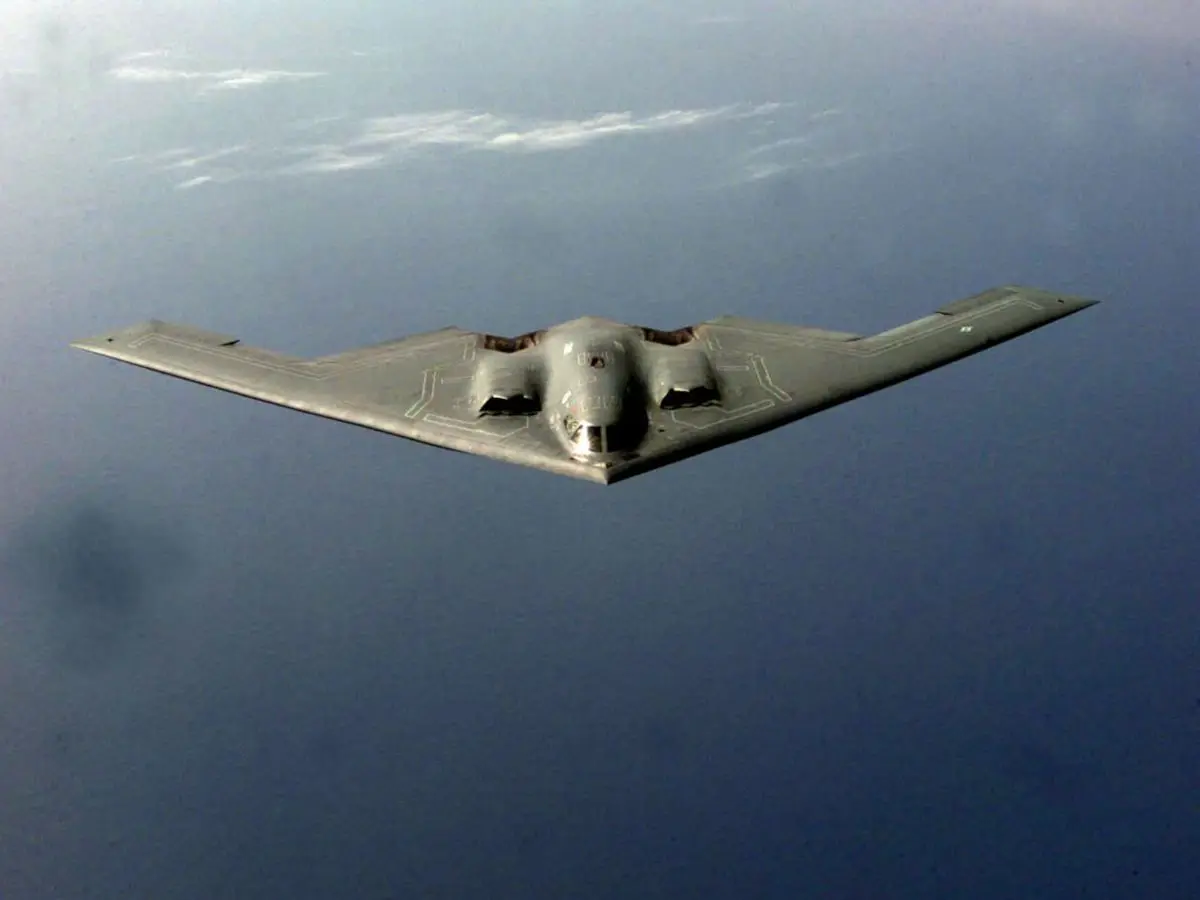
By embedding the engines deep within the wing and using S-shaped inlets, the B-2 avoids radar and infrared detection, a key reason it's still unmatched.
The Power Behind the B-2
The United States’ recent strike on Iranian nuclear infrastructure, reportedly carried out using B-2 Spirit stealth bombers, has reignited global interest in one of the most secretive and powerful aircraft ever built. Iran’s swift retaliation by threatening to close the Strait of Hormuz, a critical global oil chokepoint, has put the global oil-supply chain at risk.
But beyond its battlefield appearances, what keeps the B-2 Spirit in the skies more than 30 years after its debut? At the heart of this iconic stealth aircraft lies a powerful propulsion system, the one that allows it to fly across continents, undetected, and strike with precision. Here’s a closer look.
The General Electric F118-GE-100
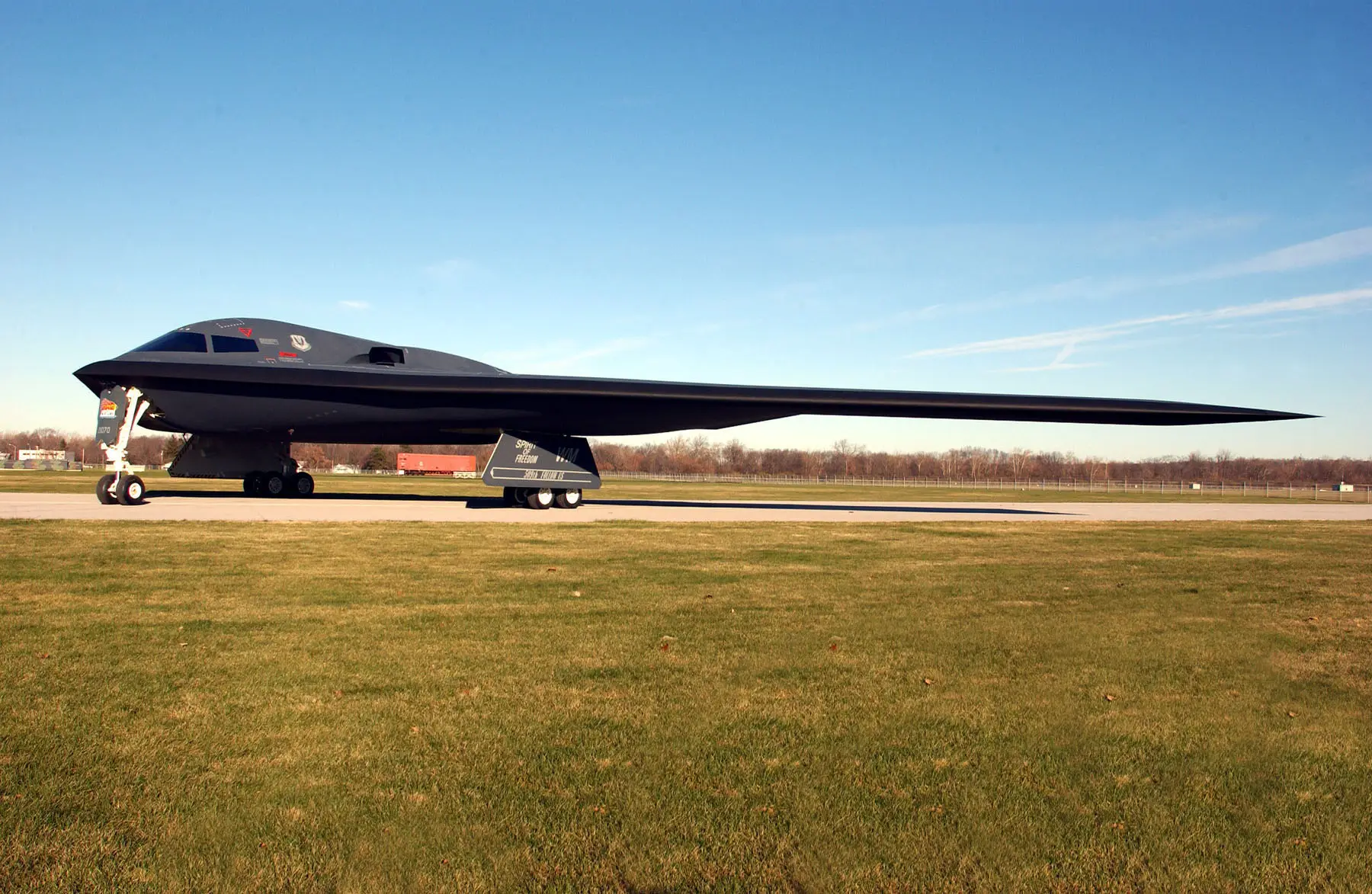
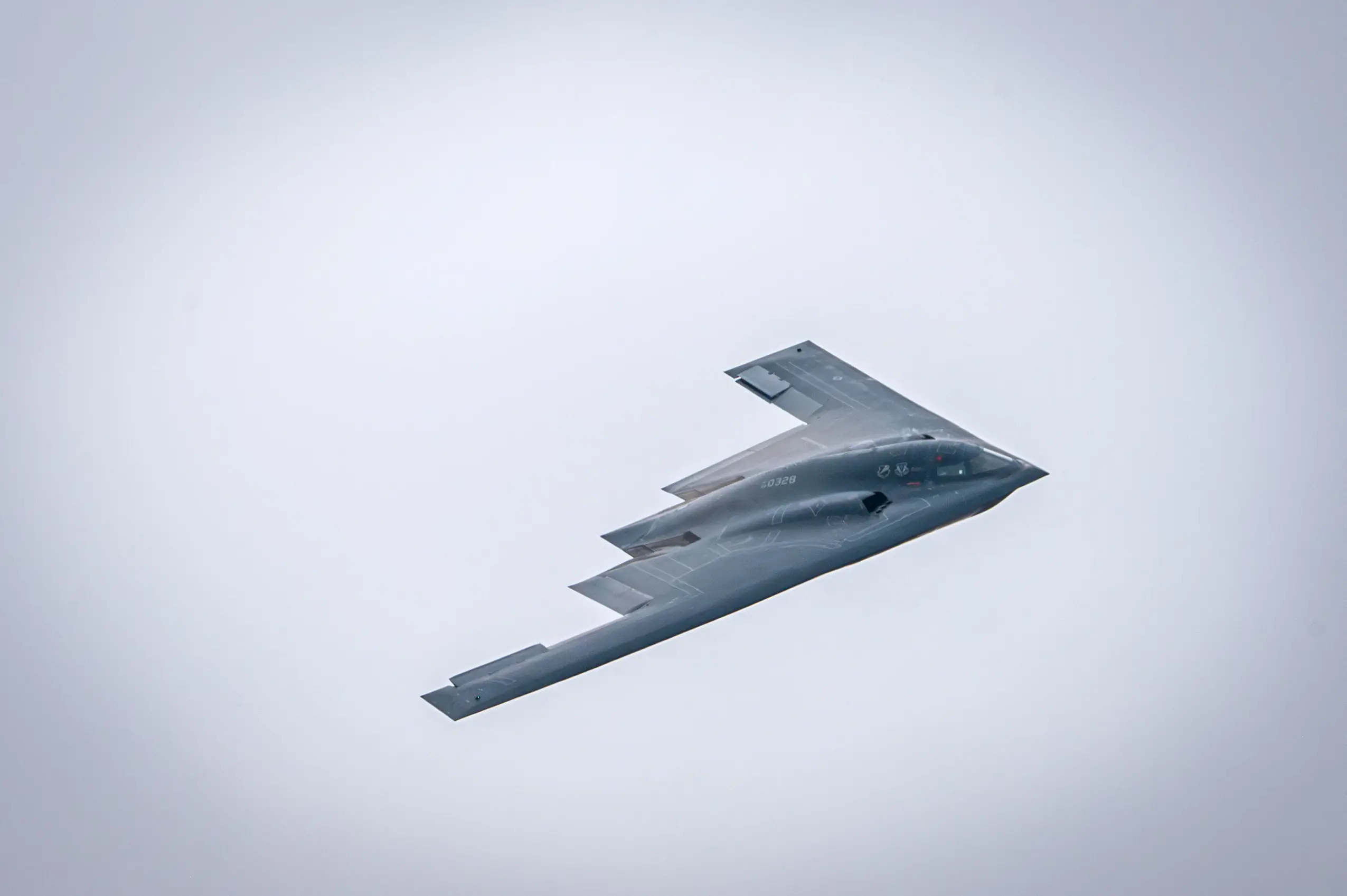
The B-2 is powered by four General Electric F118-GE-100 non-afterburning turbofan engines. These were specifically developed to prioritise stealth over speed, generating less infrared heat and radar signature than traditional combat aircraft engines. By embedding the engines deep within the wing and using S-shaped inlets, the B-2 avoids radar and infrared detection, a key reason it's still unmatched.
Thrust and Performance
Each F118 engine produces around 17,300 pounds of thrust, giving the B-2 a total thrust capacity of nearly 70,000 pounds. While this is less than many supersonic jets, the B-2 is designed for subsonic, long-duration flights, where endurance and stealth trump speed. It can cruise at high subsonic speeds of approximately 560 mph (900 km/h).
Range Without Refuelling: An Intercontinental Threat
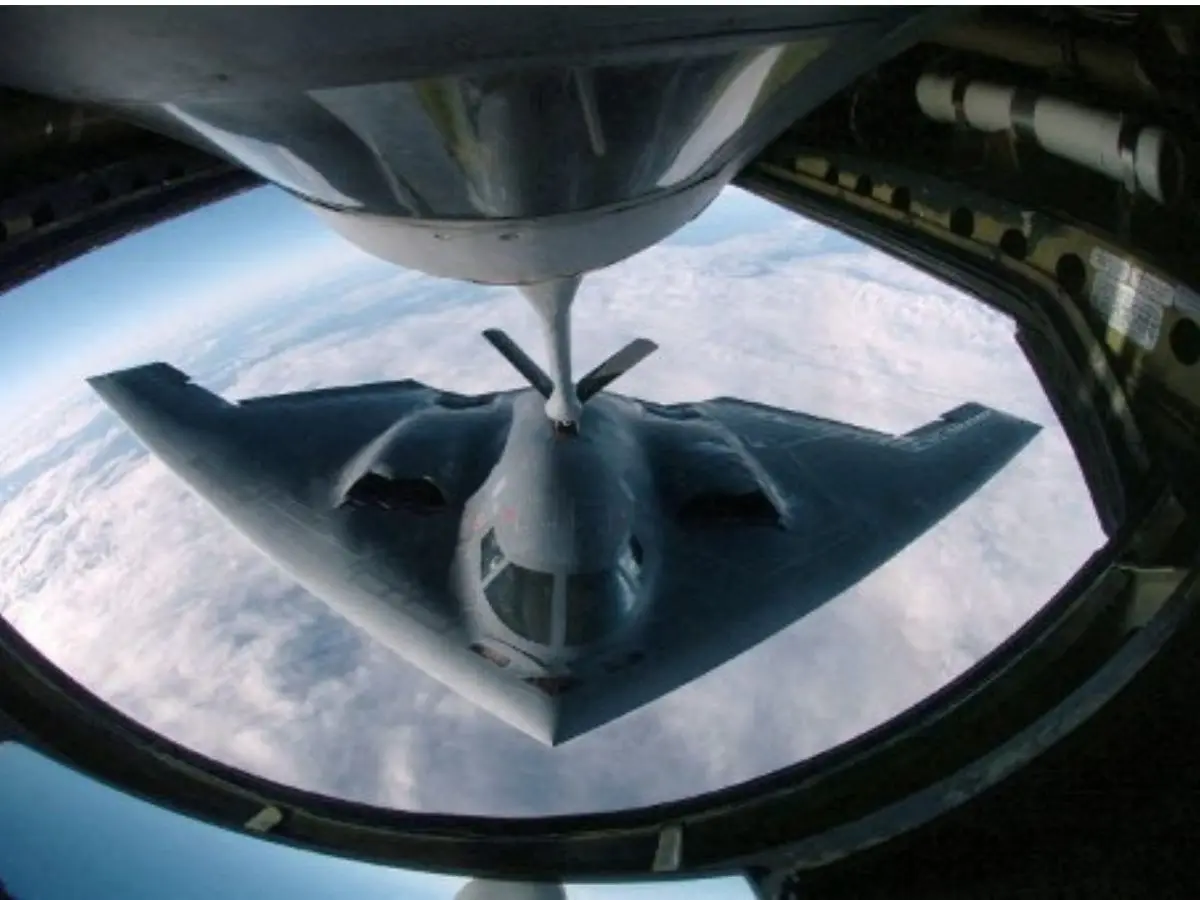
On internal fuel alone, the B-2 can fly around 6,000 nautical miles (11,000 km). With in-flight refuelling, routinely conducted during global missions, it becomes a truly intercontinental bomber. This allows it to launch from continental U.S. bases and strike targets across the globe without needing foreign airfields.
Fuel Efficiency by Design
Though 'mileage' isn’t typically used for military aircraft, the B-2 consumes roughly 4.2 litres per kilometre per engine at cruise. Given its 75,000-litre fuel capacity, it’s far from fuel-efficient by civilian standards. But in strategic terms, it's optimised to carry 18,000 kg of weapons over vast distances without detection—an unmatched capability.
Stealth Demands Sacrifice
The F118 engines lack afterburners, a deliberate choice to reduce thermal and acoustic signatures. This limits the B-2’s top speed but dramatically improves its survivability in heavily defended airspace. Combined with its radar-absorbing skin and flying wing design, the aircraft can sneak past the most advanced detection systems.

Legacy of Silent Power
Since its combat debut in the 1999 Kosovo War, the B-2 has seen action in Iraq, Afghanistan, Libya, and now Iran. Despite being decades old, continuous upgrades to avionics, engines, and coatings have kept it relevant. With the newer B-21 Raider on the horizon, the B-2 remains—for now—the ultimate symbol of America’s long-range, precision-strike capability.
)
)
)
)
)