What does it take to train a fighter pilot? The highs, lows, and last-minute jitters

Fighter pilot training is a true test of skill, stress, and courage. From first flights to solo flights moments and tough high-G drills, every challenge prepares cadets for combat. Curious what it takes to become a combat pilot? Read more below.
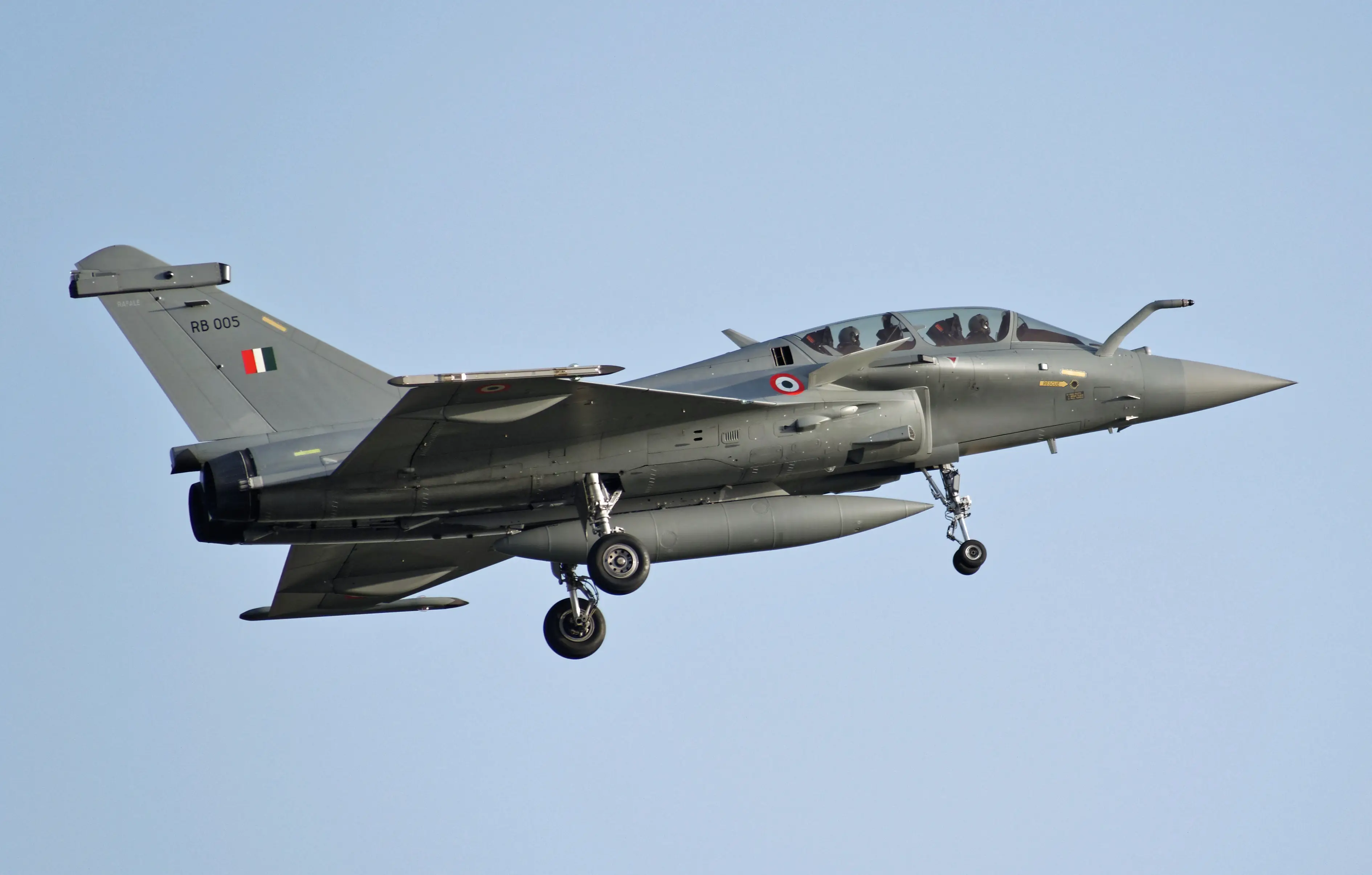
The journey begins
Fighter pilot training starts with ground school at the Air Force Academy. Here, cadets study aviation theory, weather, and regulations. With classes followed by strict fitness routines.
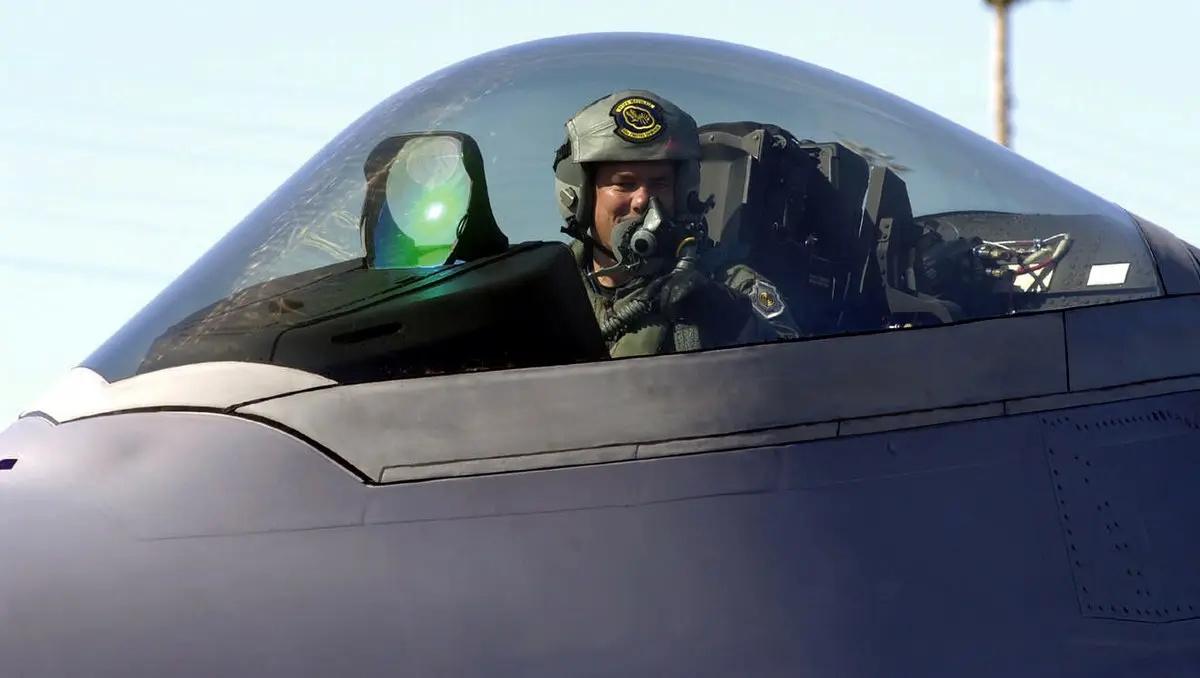
Basics in the cockpit
The first few months are spent in trainer aircraft, like the pilatus pc-7. Where cadets learn to handle the plane, talk to air traffic control, and practice emergency landings. Most must clock around 60-70 flying hours, repeating key moves under the guidance of instructors.
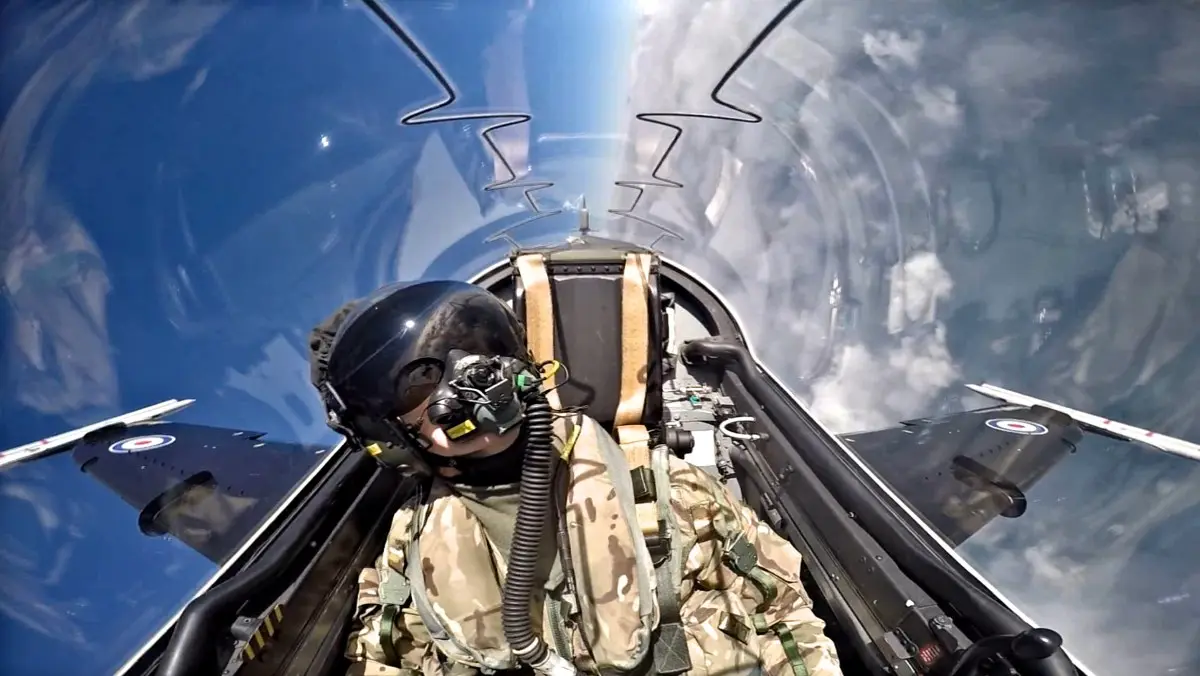
High-pressure tests
Every trainee pilot faces high-G-force training. spinning in a human centrifuge, they practise anti-G straining manoeuvres to stop blackouts. because resilience is vital: Only those who stay calm in high stress handling up to 9G, move on. Strong legs, steady breathing, and focus help them push through.
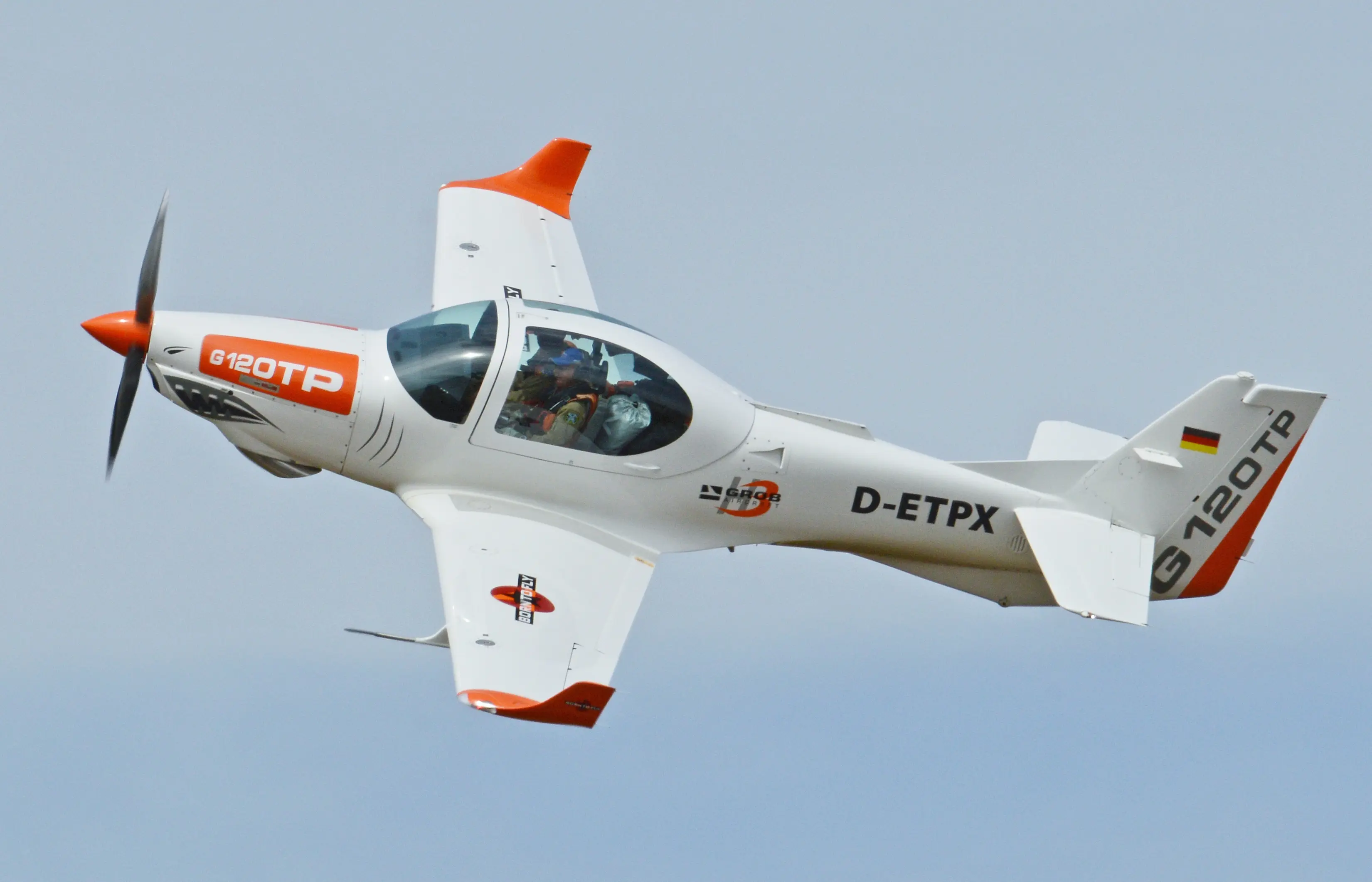
The fighter pilot
After the basics, only the top performers enter the fighter stream. At bidar or Kalaikunda stations, cadets transition to jet trainers, taking on dogfights, spins, night flying, and formation drills. They are trained for the split-second decisions that make and keep nerves steady even under intense scrutiny.
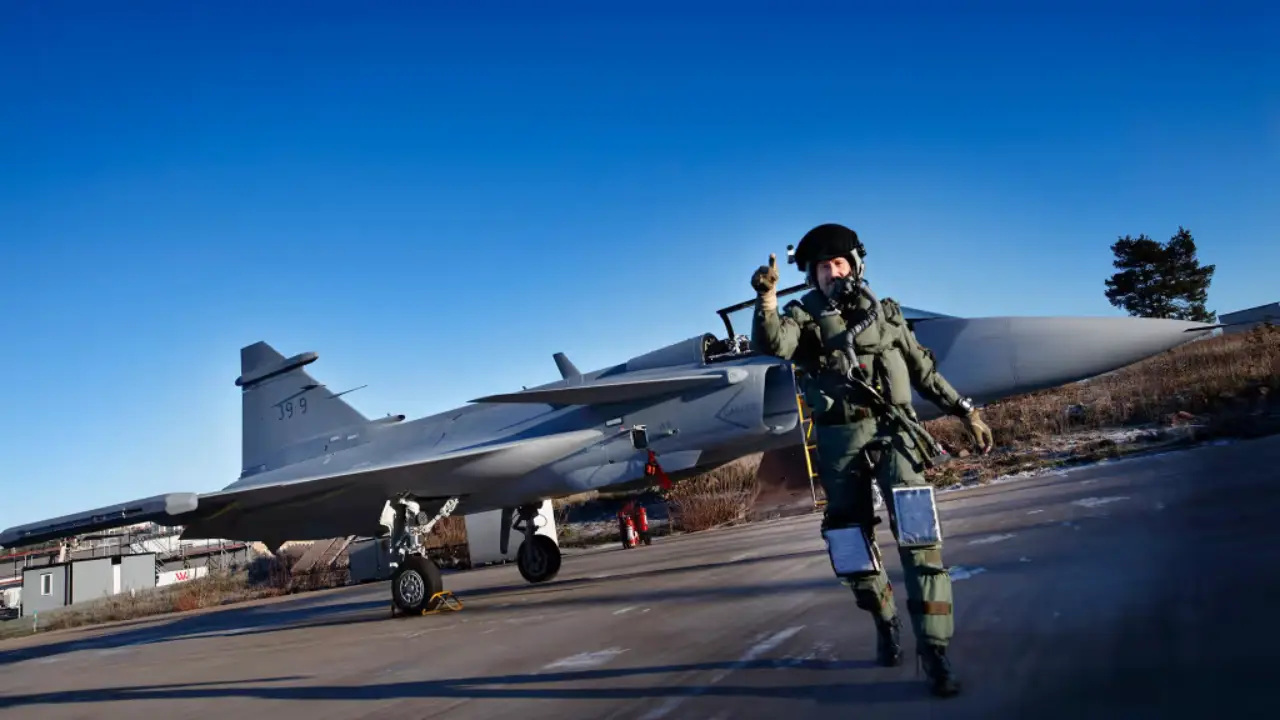
First solo flight
Before flying solo, the cadets must master everything like landings, emergencies, and radios. The first solo is a short flight, usually just take-off, a circuit, and landing, with no instructor on board.
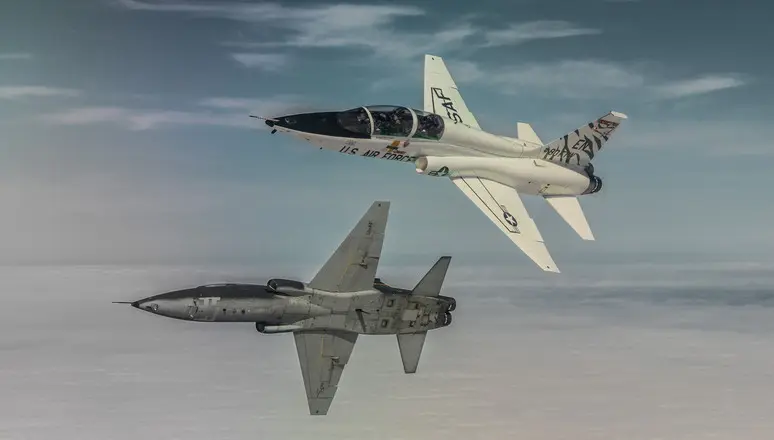
The emotional highs and last-minute jitters
A solo day of flying a jet brings a rush of emotions. Jet pilots say their hands shook, their heartbeats became fast, and as time passed, they performed well, and they came out more confident.
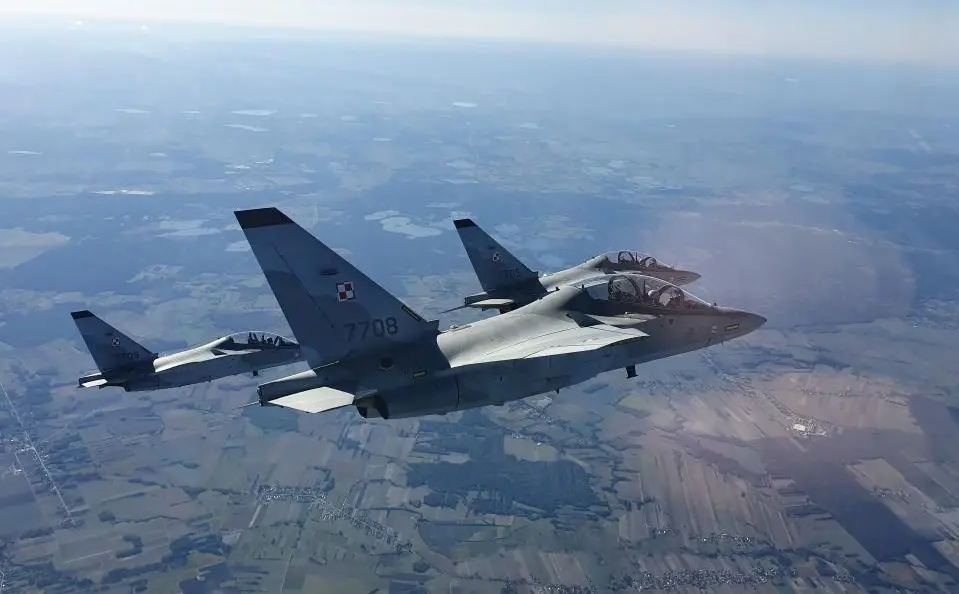
From trainee pilot to fight the long road ahead
First solo is just the start. Advanced training prepares pilots for combat roles, dogfights, tactics, and operational missions.
)
)
)
)
)