What did Voyager 2 discover on Neptune’s moon Triton and why did it shock scientists?

Triton’s orbit added another layer of surprise. Unlike most large moons, it circles Neptune in a retrograde direction, opposite to the planet’s rotation.
A Historic Encounter at the Edge of the Solar System
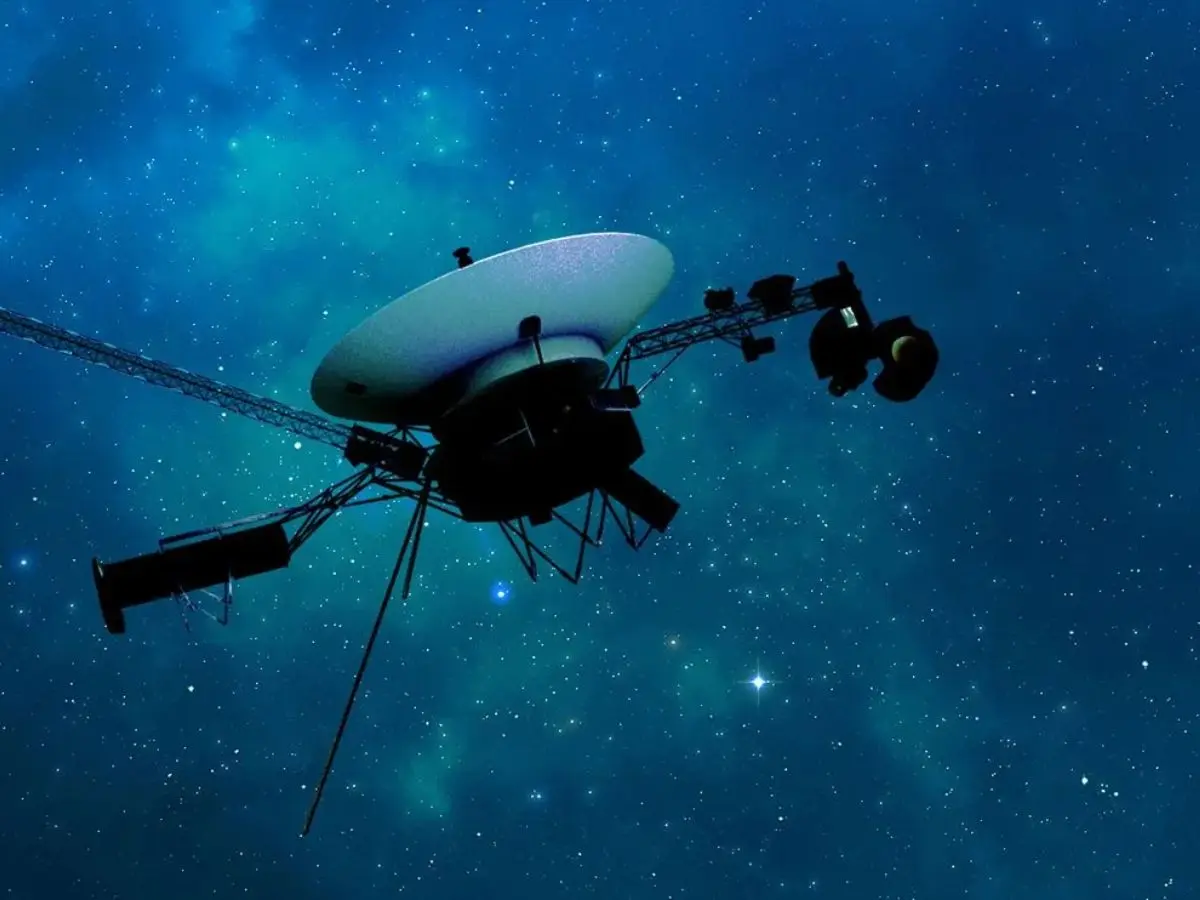
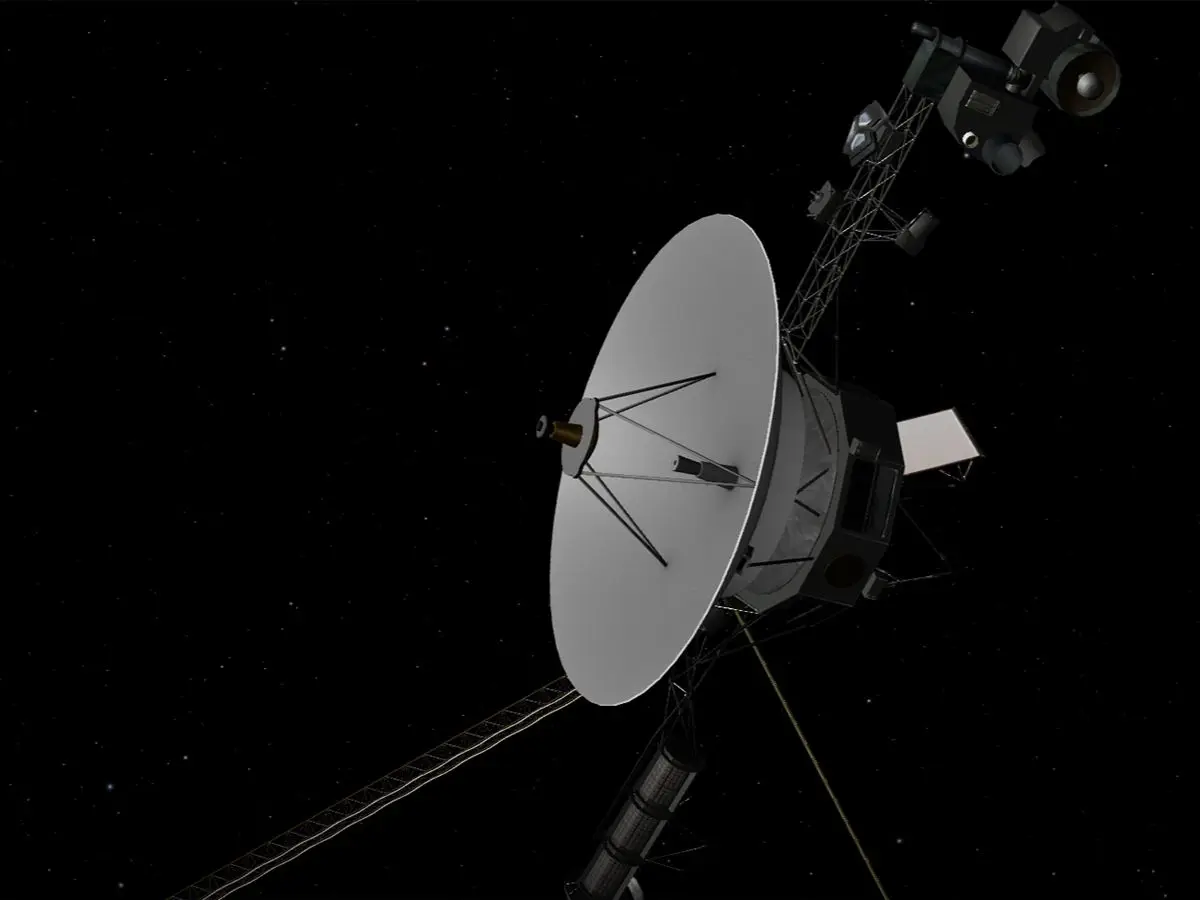
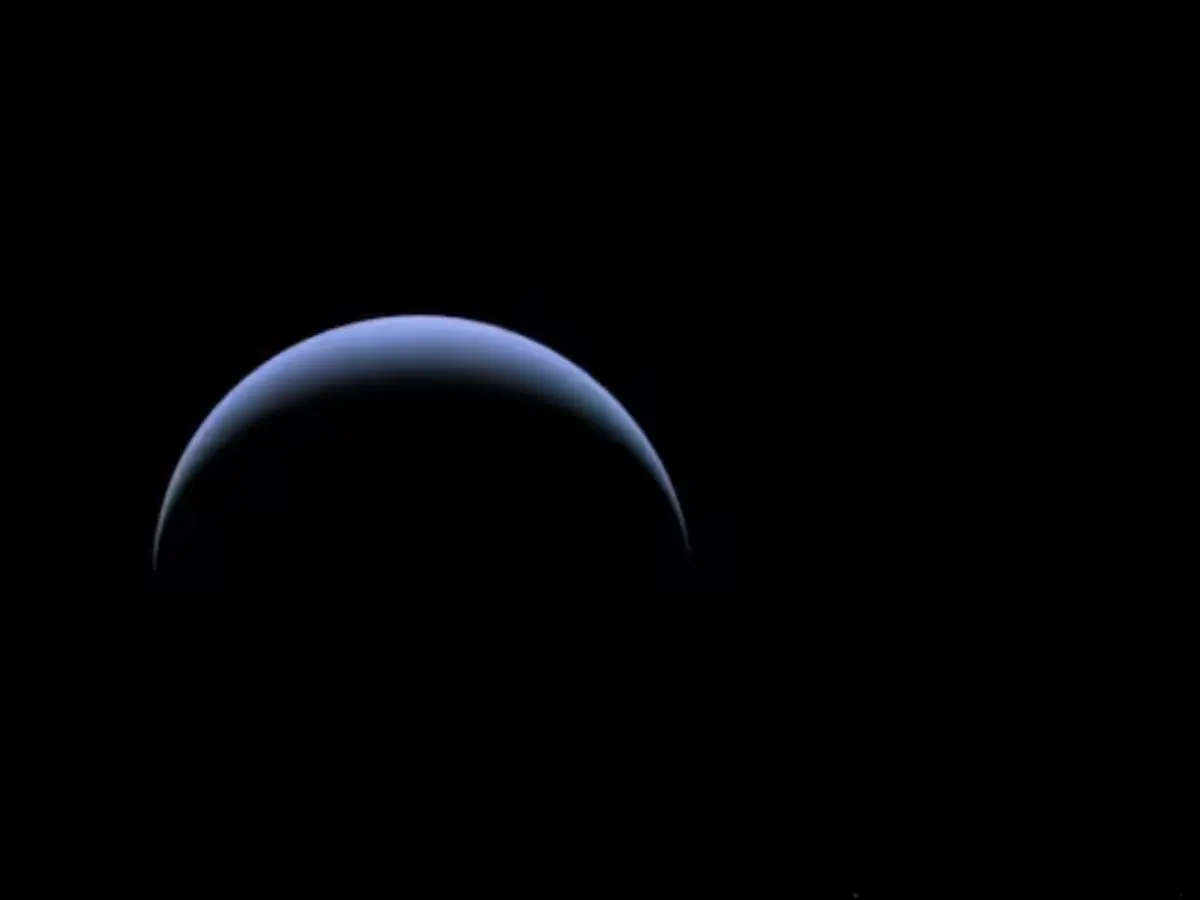
On August 25, 1989, NASA’s Voyager 2 spacecraft performed humanity’s only flyby of Neptune. As it swept past the distant planet, it turned its cameras towards Triton, Neptune’s largest moon. What Voyager 2 revealed was so unexpected that it transformed scientific understanding of icy worlds. Instead of a silent, frozen wasteland, Triton emerged as one of the most geologically active bodies in the Solar System.
Geysers on a Frozen World
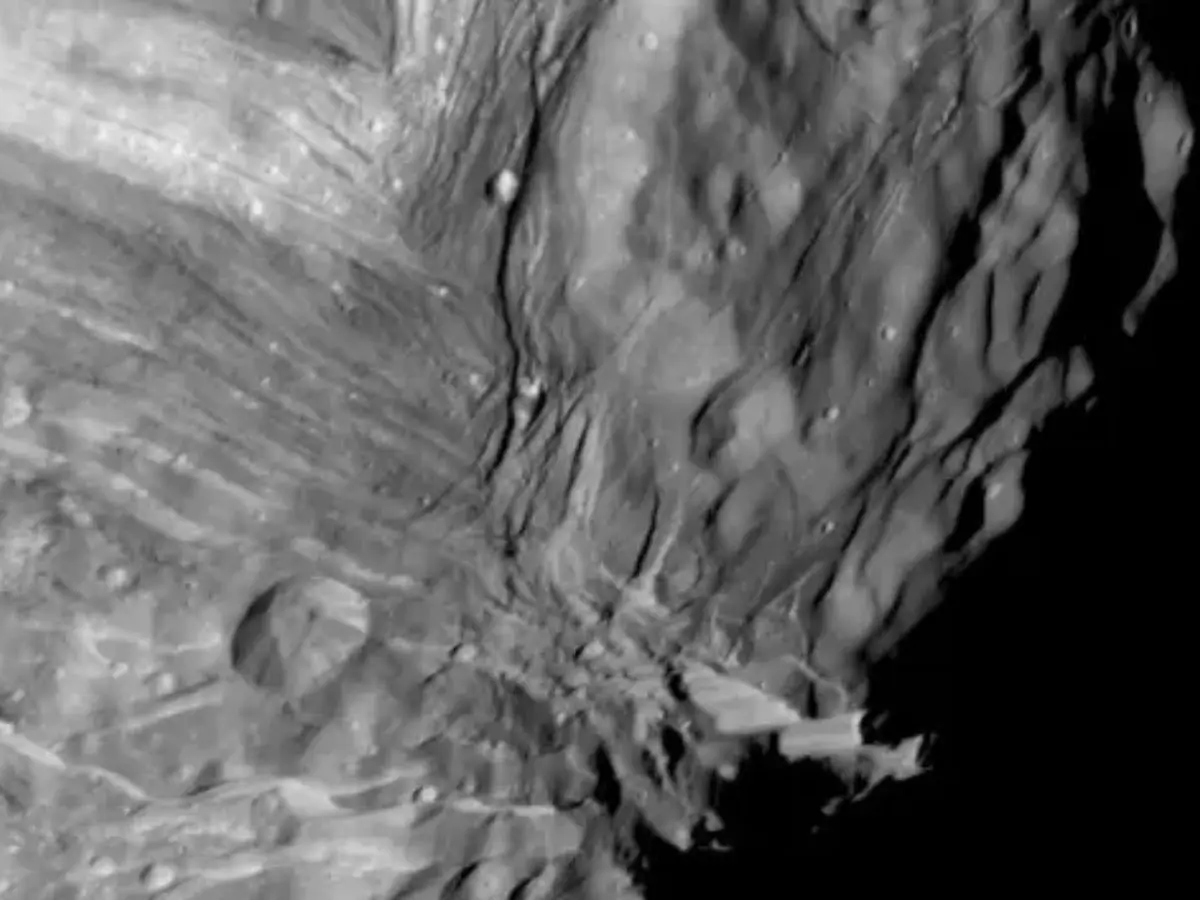
The most shocking discovery came in the form of cryovolcanism. Voyager 2’s images showed plumes erupting from Triton’s surface, geysers of nitrogen gas and icy particles blasting 8 kilometres (5 miles) into space. This was remarkable not only for their scale, but because Triton’s surface temperature is among the coldest known anywhere: around −235°C. Until then, scientists assumed such an environment would be geologically dead. The observation of active eruptions forced researchers to reconsider what fuels activity on small, distant worlds.
A Surface Younger Than Expected
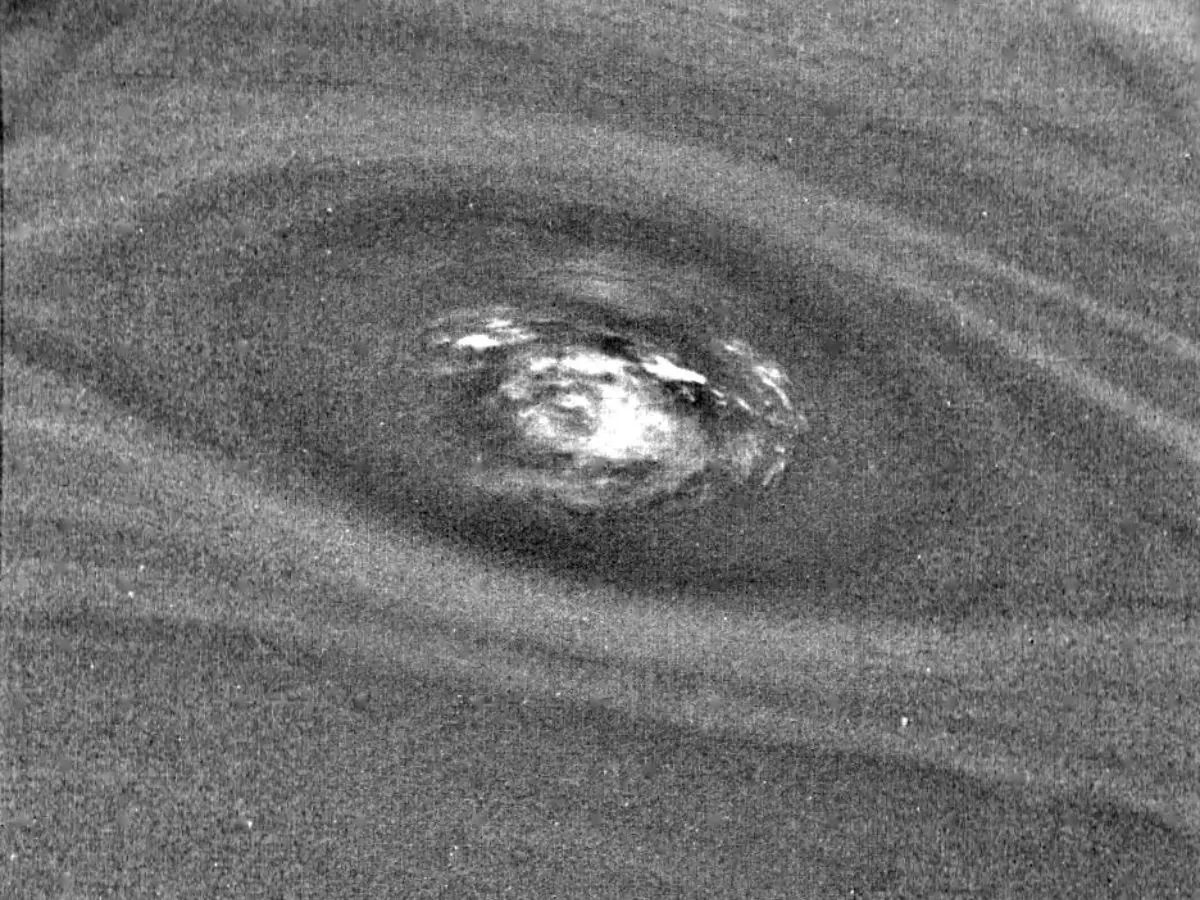
Voyager 2 also revealed Triton’s surface to be unusually smooth and relatively free of impact craters. In planetary science, a lack of cratering usually indicates geological youth, as older surfaces accumulate scars over time. The implication was that Triton’s crust is being continually reshaped by internal processes. Instead of a static, frozen body, the moon appeared dynamic and evolving.
An Orbit That Defies Expectation
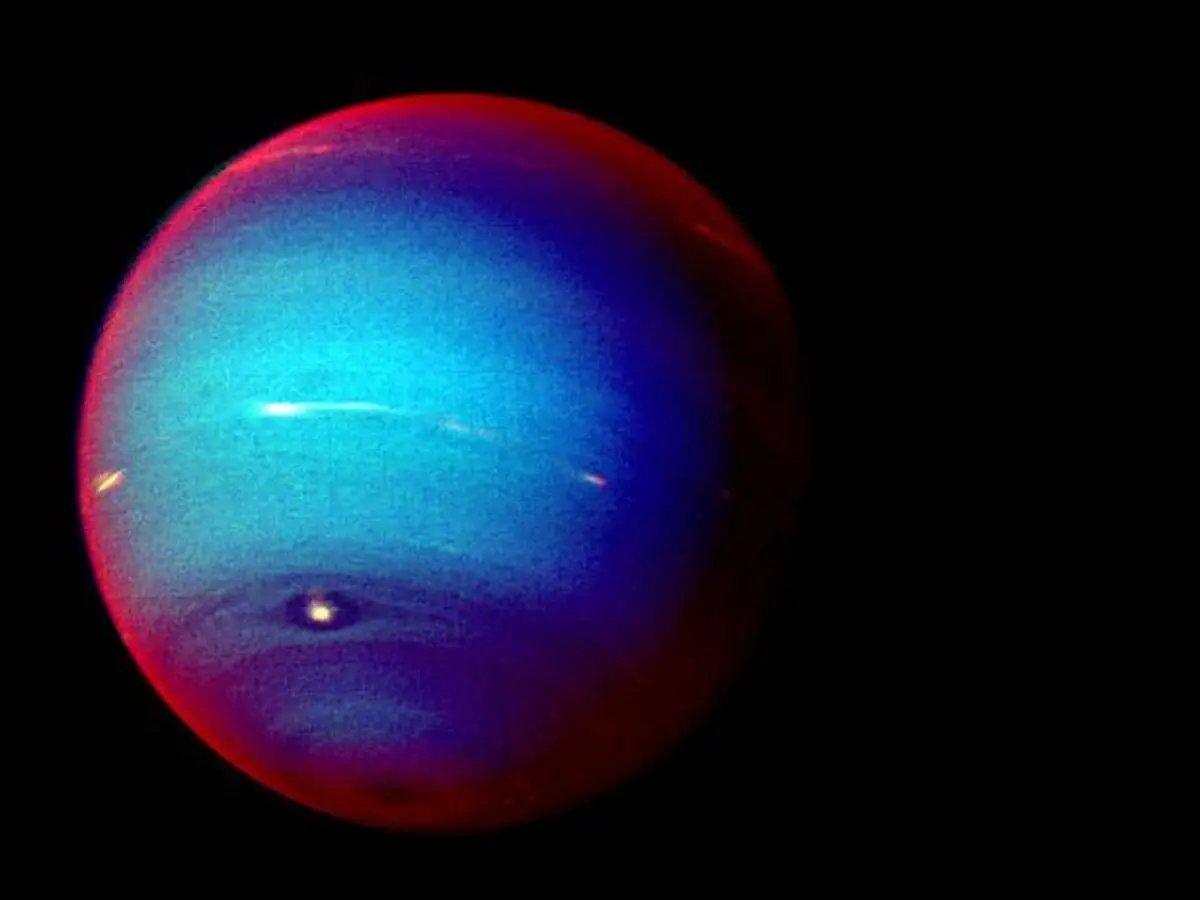
Triton’s orbit added another layer of surprise. Unlike most large moons, it circles Neptune in a retrograde direction, opposite to the planet’s rotation. This unusual motion suggested that Triton was not formed alongside Neptune, but was instead captured by the planet’s gravity, most likely from the Kuiper Belt. Such a violent capture would have released enormous energy, potentially providing the heat that still powers its internal activity. Voyager 2’s findings provided the first direct evidence of Neptune’s turbulent past and hinted at the wider processes shaping the outer Solar System.
A Paradox of Heat and Cold
Perhaps the greatest puzzle Triton posed was its source of energy. How can a small world so far from the Sun retain the internal heat necessary to drive geysers? One possibility is tidal heating, gravitational stresses caused during Triton’s capture into orbit around Neptune. Another is radioactive decay within its interior. Yet, decades later, no single explanation has fully resolved the mystery. The paradox remains central to planetary science: that activity can persist in environments once thought incapable of sustaining it.
Why Voyager 2’s Discovery Was So Shocking
Before 1989, expectations for Triton were minimal. Scientists anticipated a cratered, frozen moon, similar to other outer Solar System bodies. Instead, Voyager 2 found an active, dynamic world, with nitrogen plumes, smooth plains, and evidence of ongoing geological renewal. These revelations forced a major shift in how scientists defined 'active worlds'. Icy moons at the edge of the Solar System could no longer be dismissed as dormant, they might conceal internal processes as complex as those of larger planets.
Triton’s Place in Future Exploration
Voyager 2’s encounter with Triton lasted only a few hours, yet it turned the moon into a priority for future missions. Because Triton resembles objects in the Kuiper Belt, it may hold vital clues about the origins of the outer Solar System. More than three decades later, no spacecraft has returned.
)
)
)
)
)