8 things you didn't know about what countries export most

According to the data from the World Trade Organisation, mapped by Visual Capitalist, from China's machinery and electronics to Gulf oil, Australia's minerals and Bangladesh's textiles, here is what drives the world's export economies.
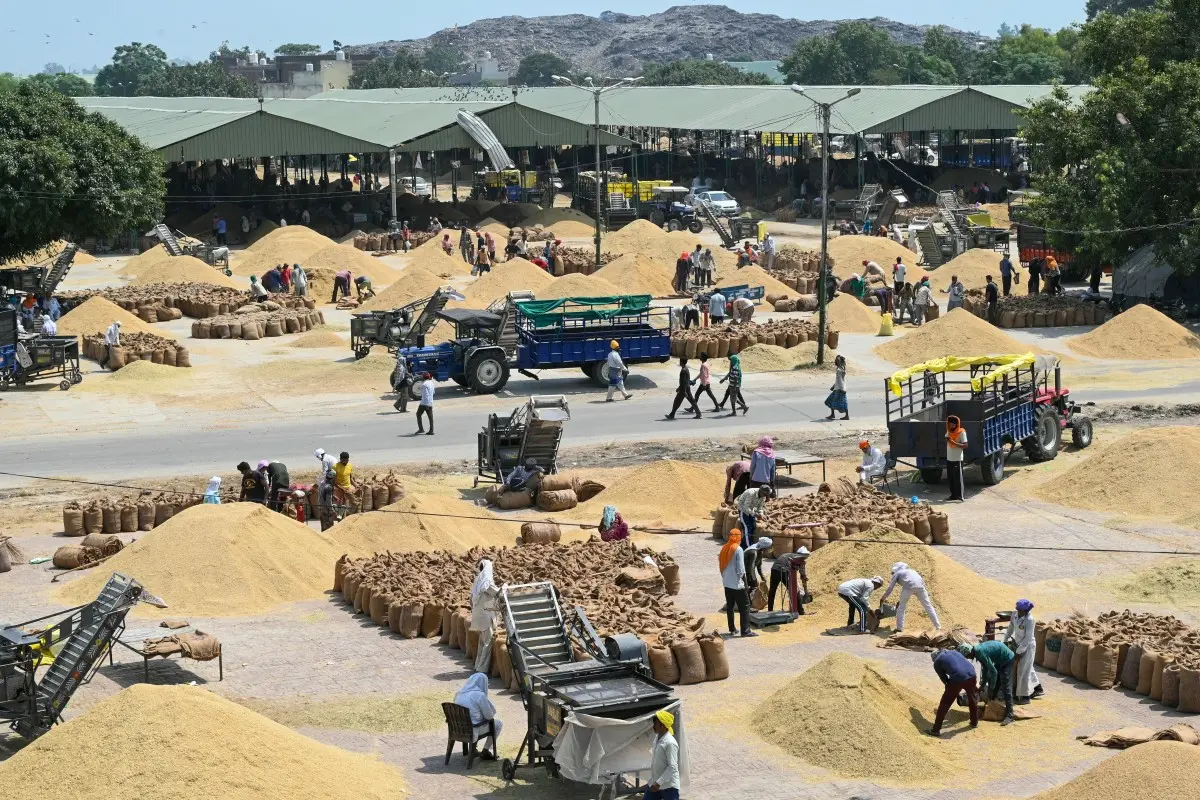
Agricultural goods are the most exported product
Agricultural goods and foodstuffs are the top export category for roughly a third of all countries. Argentina, Brazil, Egypt, Spain, and Ukraine all lead with farm products as their biggest earner, proof that fertile land is still one of the most reliable economic assets a country can have.
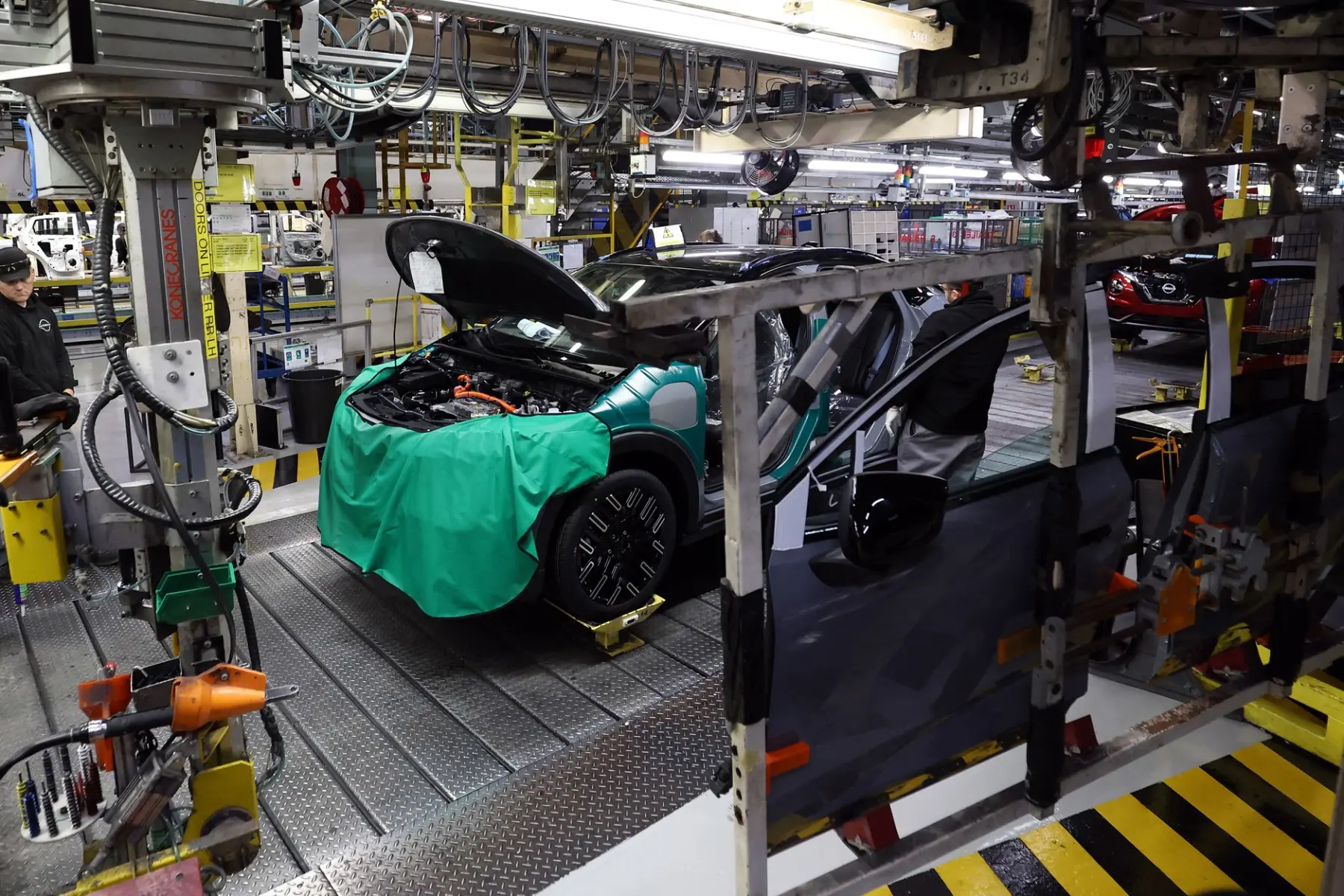
All leading economices export the same thing
The United States, China, Germany, and Japan the four largest economies on Earth, share one thing in common: machinery and electronics is their number one export category. From cars to microchips, high-tech manufacturing is the common thread connecting the world's economic superpowers.
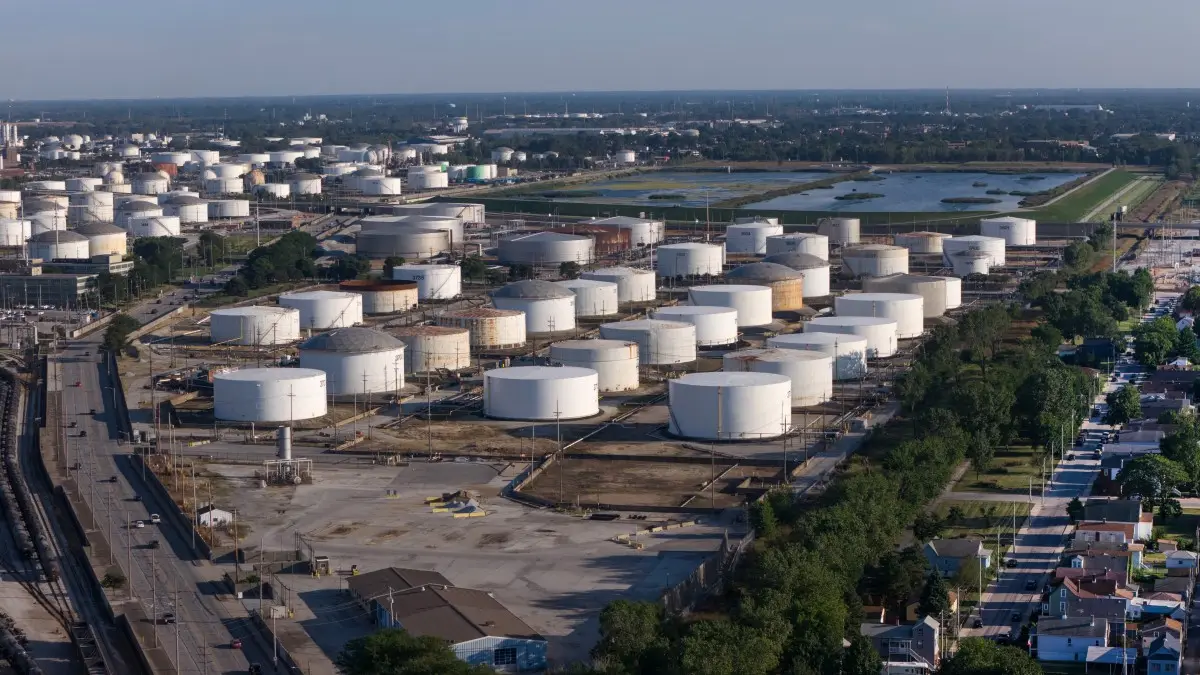
Fuel still drives Canada, Russia and the Gulf
Canada, Russia, Saudi Arabia, Nigeria, Norway, the UAE, Iraq, Iran, and Kazakhstan all top their export charts with fuels. Petroleum and natural gas remain the backbone of these economies, even as the rest of the world pushes toward diversification.
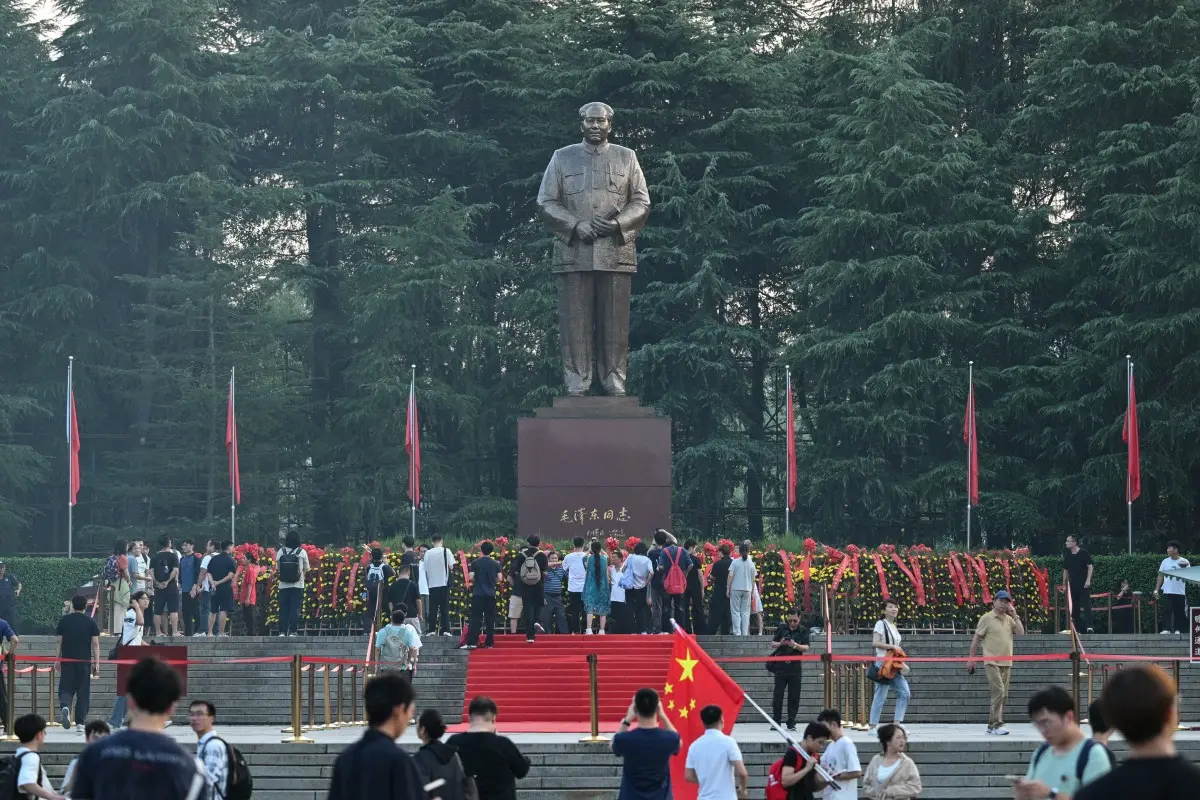
China is world's largest exporter
China's trade surplus has topped $1 trillion in recent years, cementing its status as the planet's dominant manufacturing power, one that displaced the US as the world's top manufacturer in the 21st century. Its manufacturing power has worried partners like the US, which has imposed sweeping tariffs on it occasionally. Despite its manufacturing muscle, China depends heavily on global inputs. It's the top importer of Brazilian soy and Iranian oil by a wide margin. It is deeply intertwined in global trade.

One Dutch company is the backbone of AI revolution
The Netherlands exports mostly machinery and electronics, largely thanks to ASML, the single largest supplier to the global semiconductor industry. It is an absolute gatekeeper for advanced chip manufacturing. It designs and builds the highly complex photolithography systems that leading chipmakers use to print microscopic circuit patterns onto silicon wafers. It's a rare case where one company's speciality shapes an entire nation's trade identity.
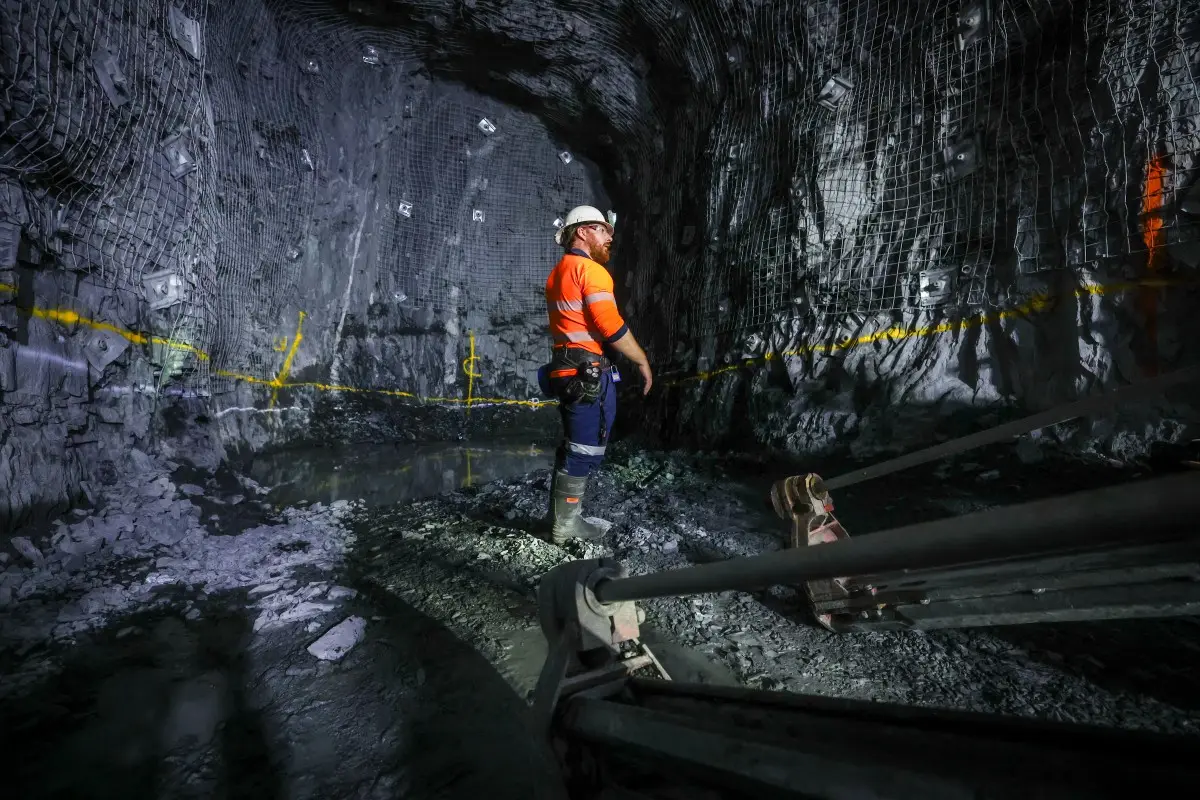
Mining powers a lot of major economies
Australia, Chile, Peru, the Democratic Republic of the Congo, South Africa, and Zambia all lead with mining products. Chile and Peru's traditional copper dominance is now getting a boost from lithium, while the DRC's cobalt and coltan deposits are increasingly critical to global tech supply chains.
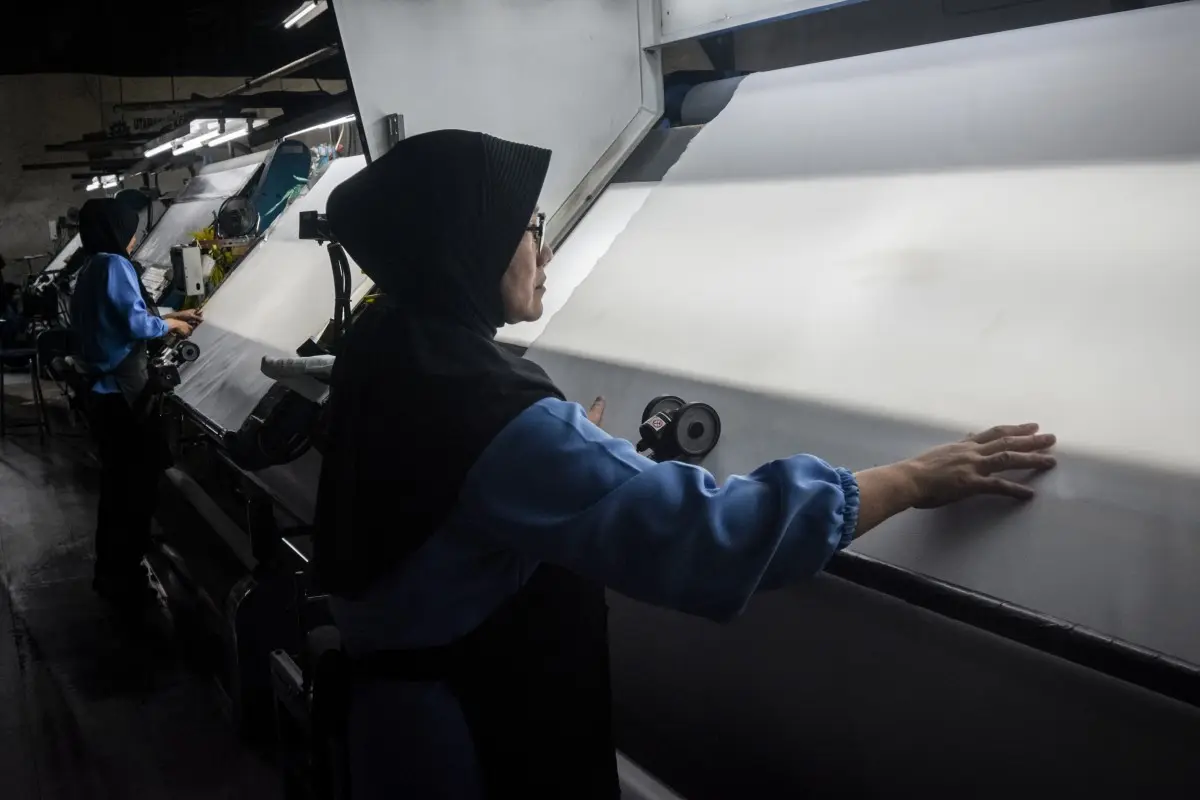
Textile still remains the development engine
Bangladesh, Cambodia, Pakistan, and Sri Lanka all top their export tables with textiles and clothing – a category that remains a critical first rung on the industrialisation ladder for developing economies.
)
)
)
)
)