BRICS Summit 2026 | Modi and Xi: The photos that tell the story of India-China ties

From the warmth of Modi-Xi’s 2019 Mamallapuram summit to Galwan, years of distance and the 2026 diplomatic thaw, see their relationship in pictures
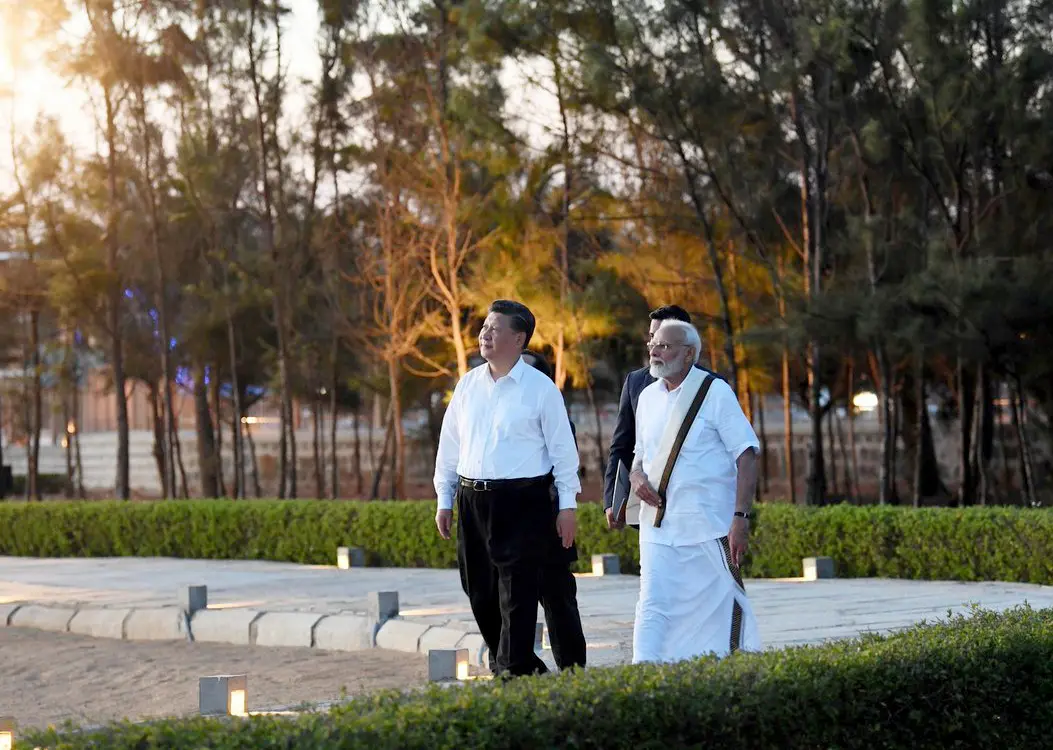
2019: The ‘Chennai connect’ moment
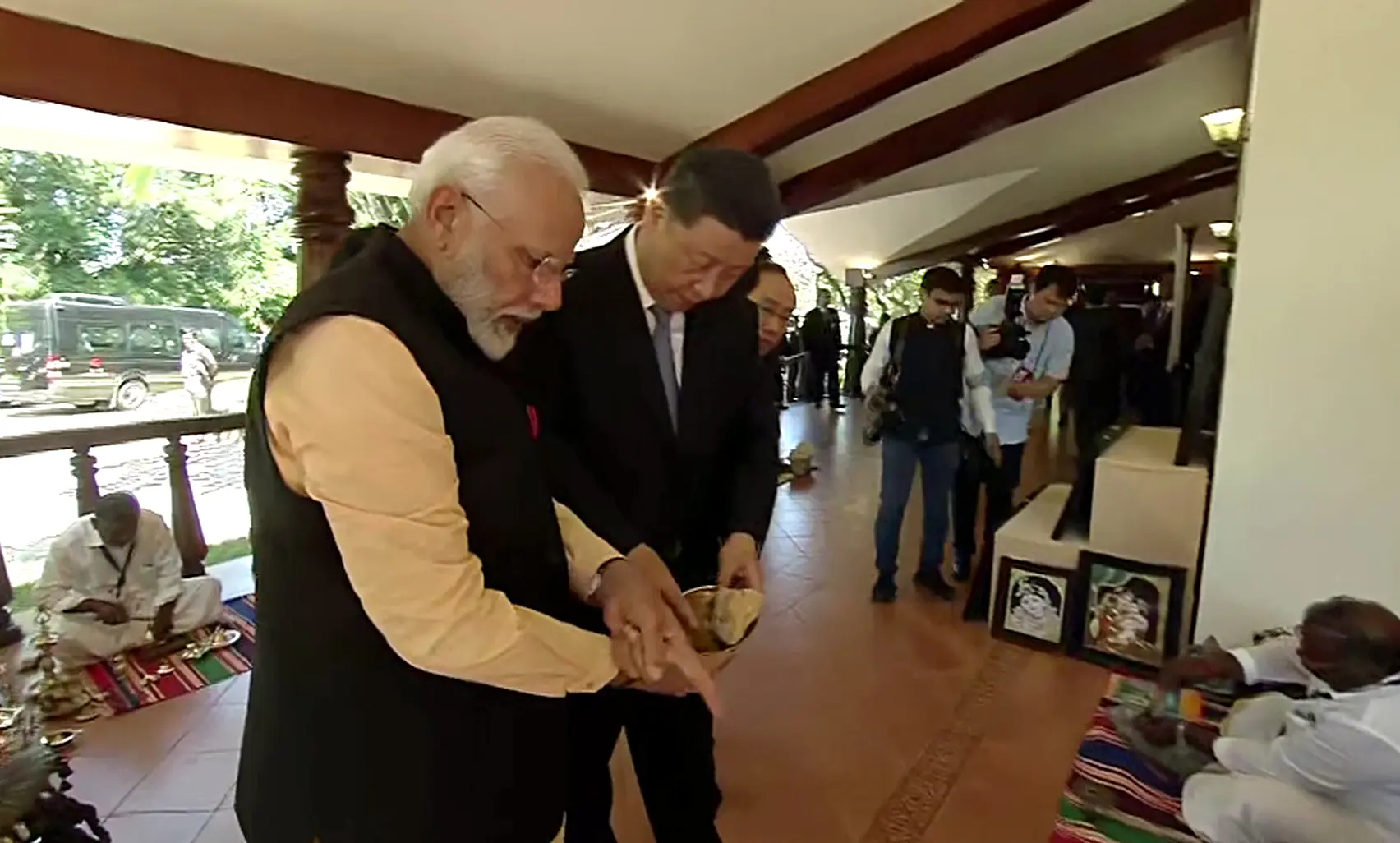
October 2019 was a moment of high symbolism in India-China ties. Chinese President Xi Jinping arrived in Tamil Nadu for his second informal summit with PM Narendra Modi, with Mamallapuram providing the backdrop. Modi personally showed Xi the ancient monuments, including Arjuna’s Penance, Krishna’s Butter Ball, the Pancha Rathas and the Shore Temple. The two leaders walked together, exchanged gifts and held extended one-on-one discussions. The summit was projected as the beginning of a new era of cooperation after the earlier Wuhan meeting.

Before the chill: Doklam and the attempt to reset ties
The apparent bonhomie of 2019 had itself followed a difficult chapter. In 2017, Indian and Chinese troops faced off for weeks at Doklam, where India intervened to stop Chinese road construction in a disputed area involving Bhutan. The standoff tested relations and raised fears of a wider confrontation. Yet Modi and Xi subsequently attempted to put guardrails around the relationship, beginning with their informal Wuhan summit in 2018 and followed by Mamallapuram in 2019. Their meetings sought to keep differences from becoming disputes. The photographs from this period therefore carry an important contrast: strategic rivalry was already present beneath the carefully choreographed smiles.

The smiles disappear: From Galwan to a new reality
The biggest rupture came in June 2020, when Indian and Chinese troops clashed in Galwan Valley in eastern Ladakh. Twenty Indian soldiers were killed, while China also suffered casualties. The confrontation transformed the political atmosphere between New Delhi and Beijing. The border crisis triggered a prolonged military standoff and sharply reduced political engagement between Modi and Xi. The easy imagery of Mamallapuram was replaced by photographs dominated by military deployments, commanders’ meetings and tense border negotiations. For India-China relations, Galwan became the dividing line between the period of managing differences and an era in which the unresolved boundary question came to dominate the entire relationship.
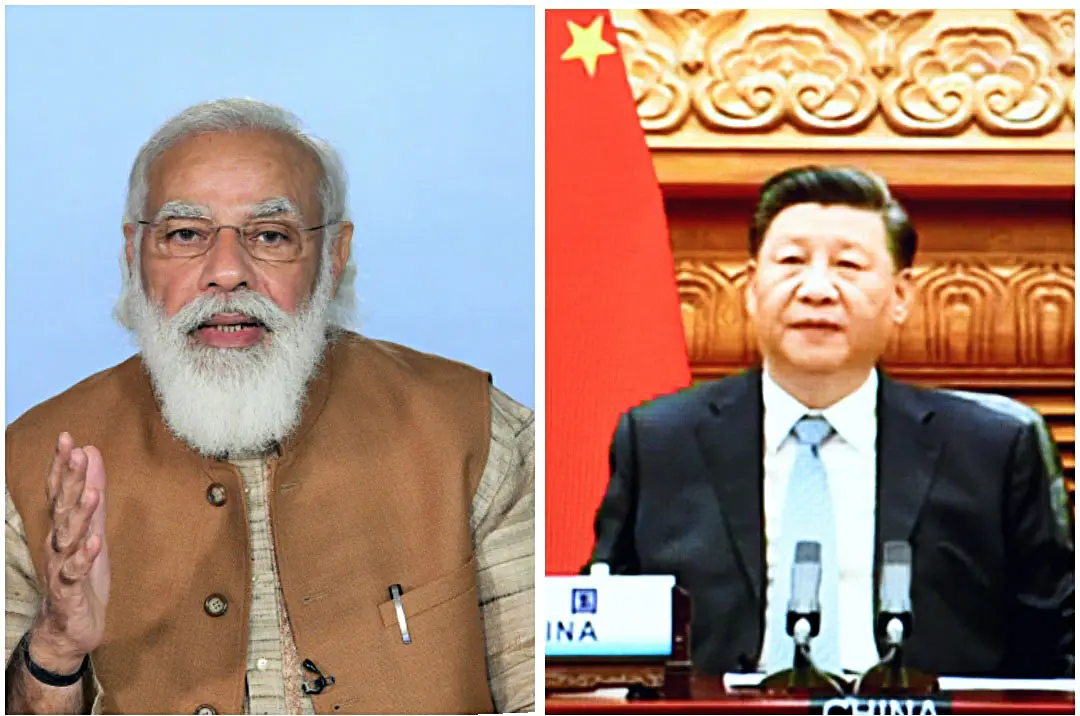
Same room, different worlds: Modi and Xi at multilateral forums
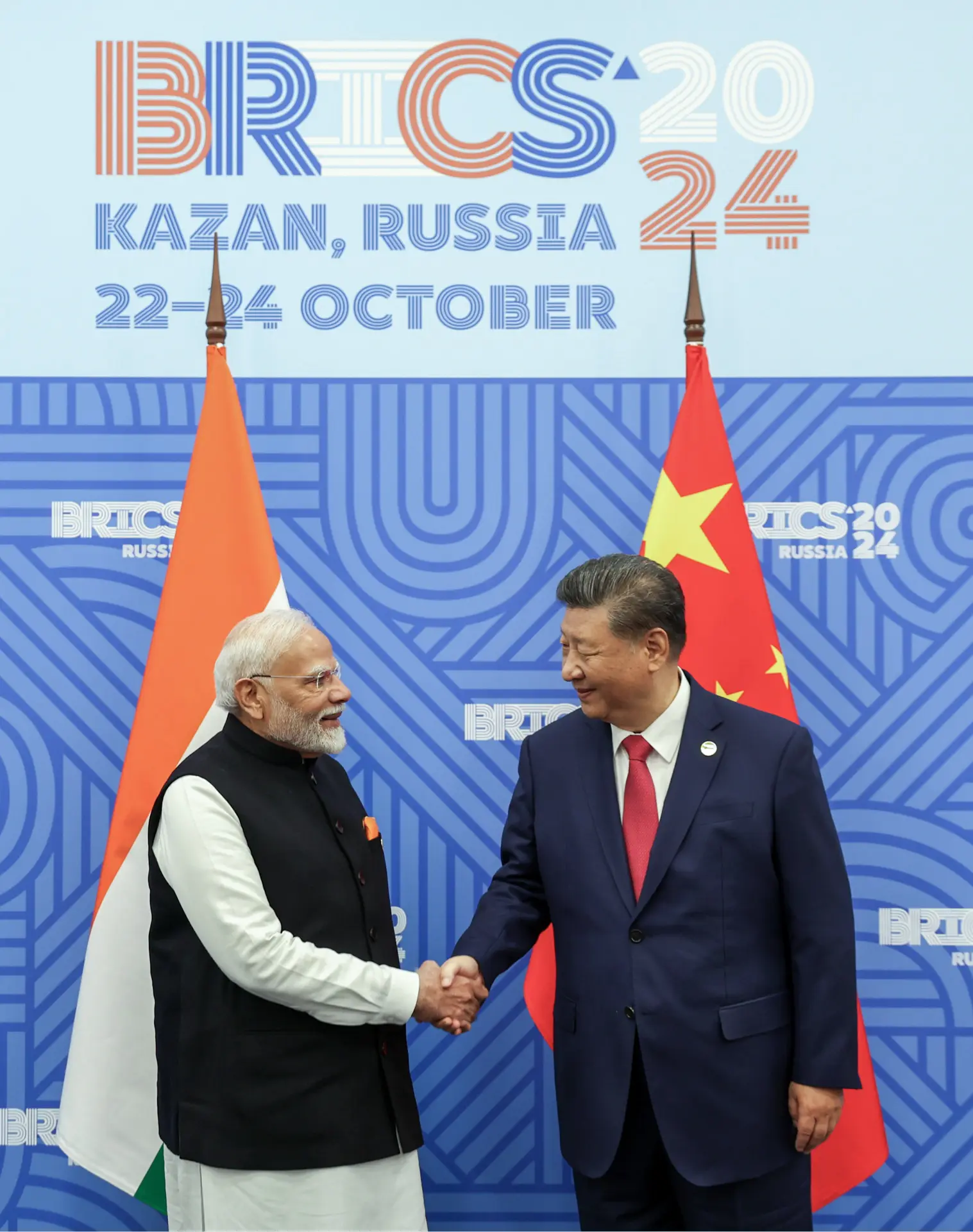
After Galwan, Modi and Xi continued to appear at the same multilateral gatherings, but the chemistry was markedly different. BRICS, the SCO and other international forums became settings where their paths crossed without the personal warmth that had characterised Wuhan and Mamallapuram. Photographs of group meetings and family pictures captured the new distance: the two leaders could share a stage while avoiding the kind of extended interaction that once generated headlines. The change was particularly striking because India and China continued to participate together in institutions such as BRICS and the SCO. Multilateral engagement survived even as bilateral trust remained severely damaged.
The long freeze: Diplomacy takes over from leader-level chemistry
With the political relationship frozen, the heavy lifting shifted increasingly to diplomats, military commanders and national security officials. India and China conducted repeated rounds of military and diplomatic negotiations as both sides sought to manage the border crisis. Leader-level engagement remained limited, while the focus moved towards disengagement, de-escalation and maintaining peace along the Line of Actual Control. It was a striking reversal from 2019, when Modi and Xi had spent hours together in informal conversations and cultural settings. The relationship was no longer being defined by summit photographs; it was being negotiated through closed-door talks over troops, patrols, positions and the contested Himalayan frontier.
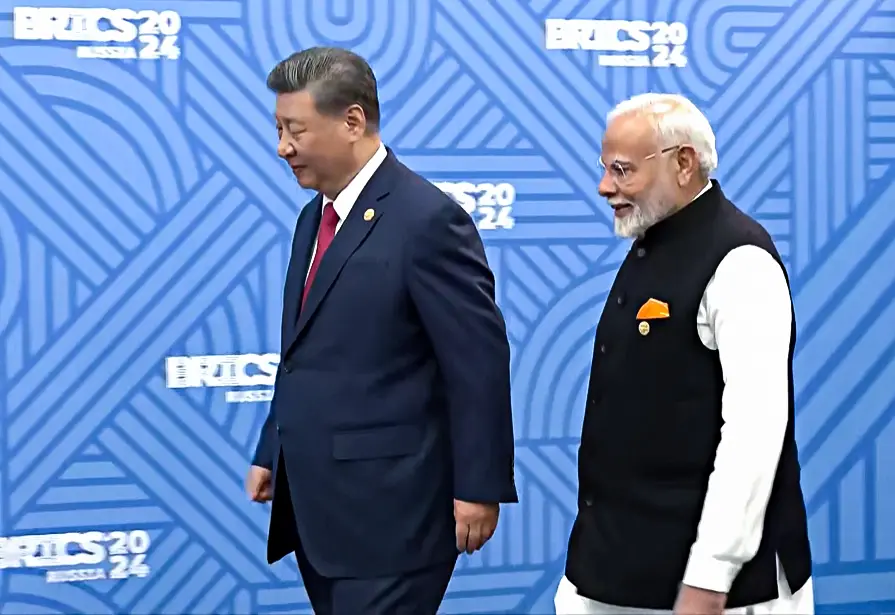
The thaw begins: From confrontation to cautious engagement
The relationship eventually began showing signs of movement. After years of military and diplomatic negotiations, India and China reached an agreement on disengagement in October 2024, opening the door to a broader effort to stabilise ties. Modi’s visit to China in 2025, his first in seven years, provided another significant signal that the relationship was moving away from the deep freeze. The change did not erase the border dispute or strategic mistrust, but it created space for dialogue on the wider relationship. The visual language began changing too: from deliberate distance towards handshakes, conversations and renewed diplomatic contact.
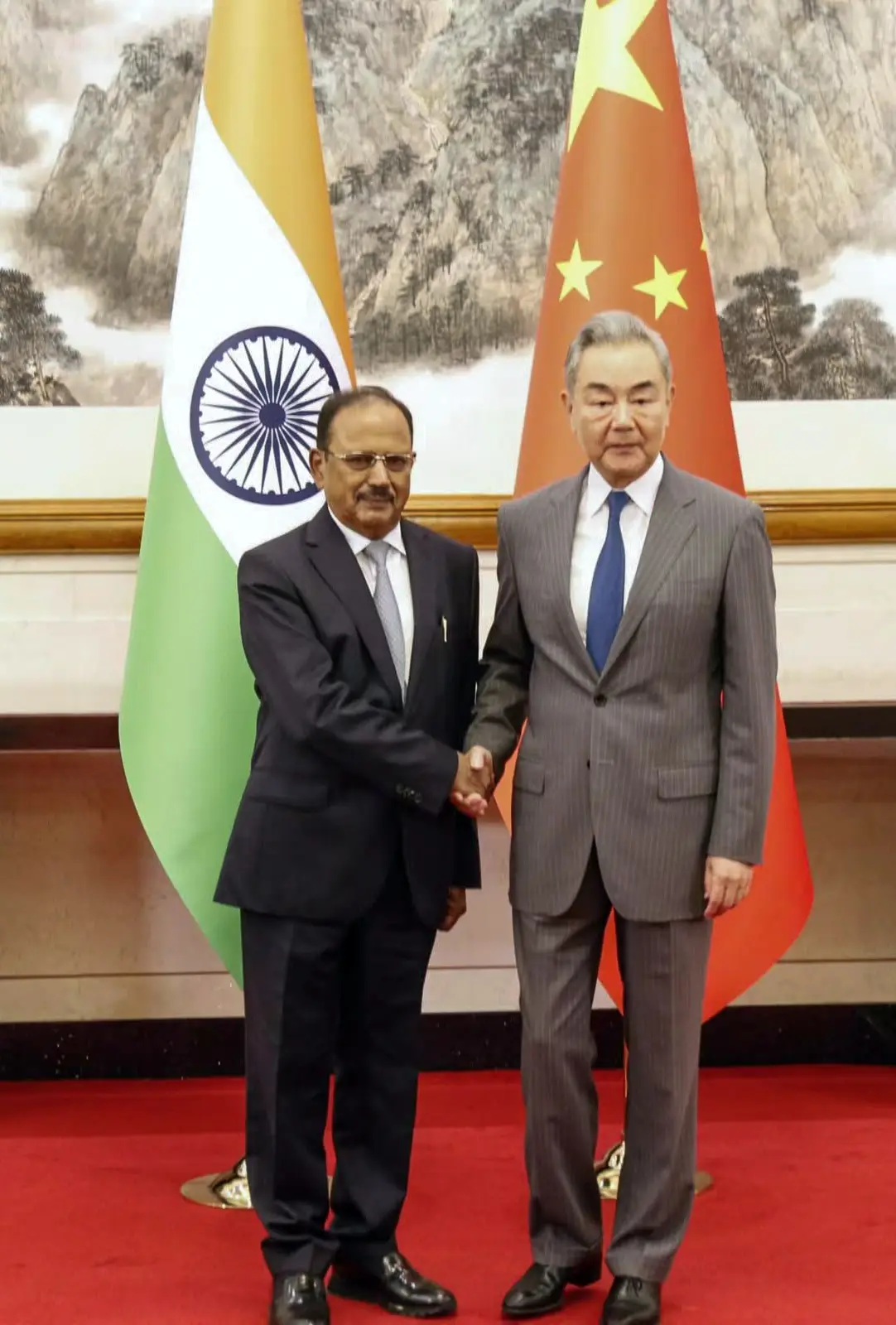
August 2026: Doval walks back into the China conversation
The latest chapter in the thaw came through National Security Adviser Ajit Doval’s August 25, 2026 meeting in Beijing with Chinese Foreign Minister Wang Yi. The talks focused on the border issue, bilateral relations and ways to maintain peace and stability along the frontier. Both sides described the discussions as candid and agreed to continue the search for a “fair, reasonable and mutually acceptable” boundary settlement. The significance of the meeting lies not in a dramatic breakthrough but in the restoration of sustained dialogue. After years in which the border dominated relations as a source of confrontation, diplomacy is once again being used to rebuild a framework for engagement.
From ‘Chennai Connect’ to cautious reset: What comes next?
The Modi-Xi story has come almost full circle, but not back to where it began. In 2019, the two leaders spoke of a “new era of cooperation” and were photographed walking together through the monuments of Mamallapuram. Galwan shattered that optimism, turning the relationship into one defined by military confrontation, strategic mistrust and carefully managed encounters. Now, after years of negotiations, disengagement and renewed diplomatic engagement, the two sides are attempting another reset. The question is whether this thaw can become durable. The photographs may again show handshakes and smiles, but the real test will be whether India and China can prevent the border from once again defining their entire relationship.
)
)
)
)
)