What could happens when hypersonic fighter jets become fully autonomous?

The arrival of fully autonomous hypersonic fighter jets could bring safer, smarter and faster air battles. Jet fleets powered by AI are set to transform defence operations, but humans still hold ultimate control.
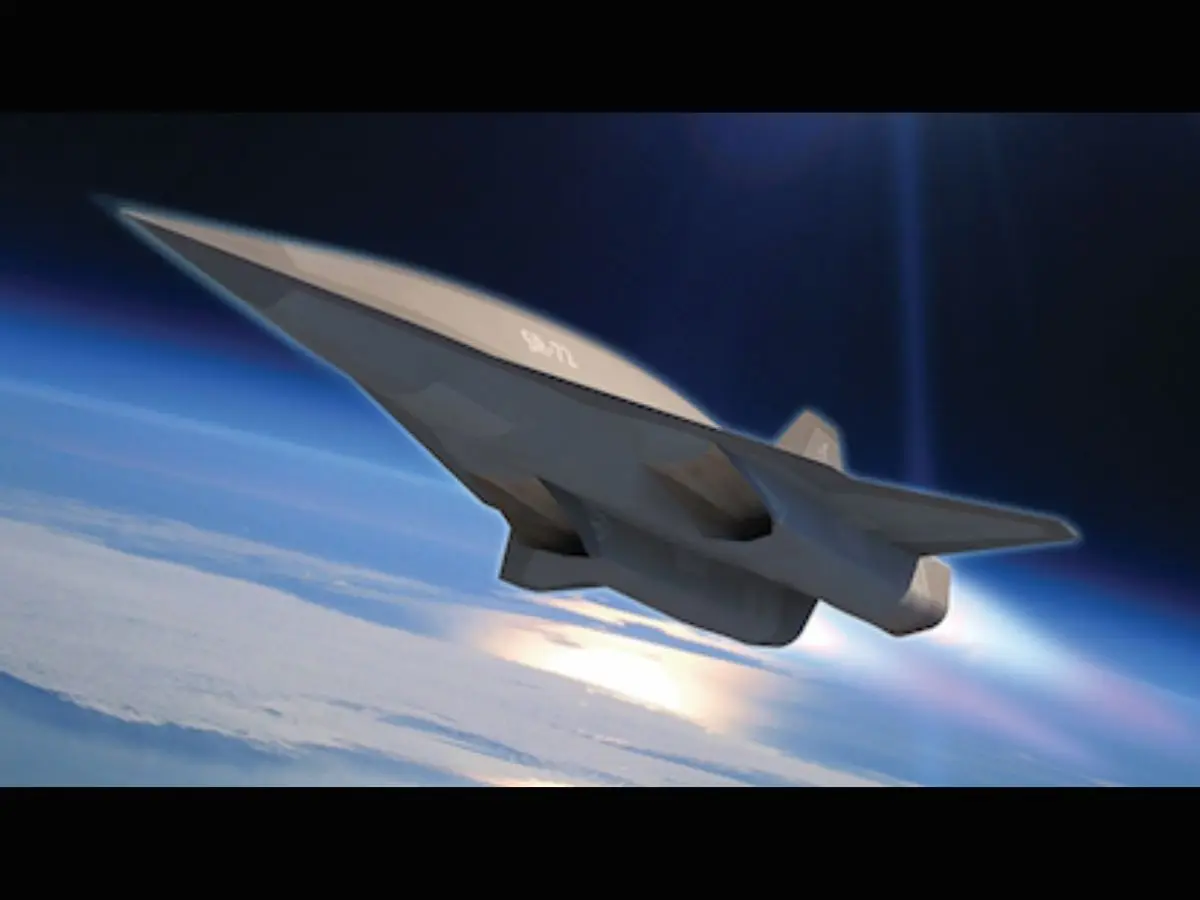
Hypersonic Fighter Jet?
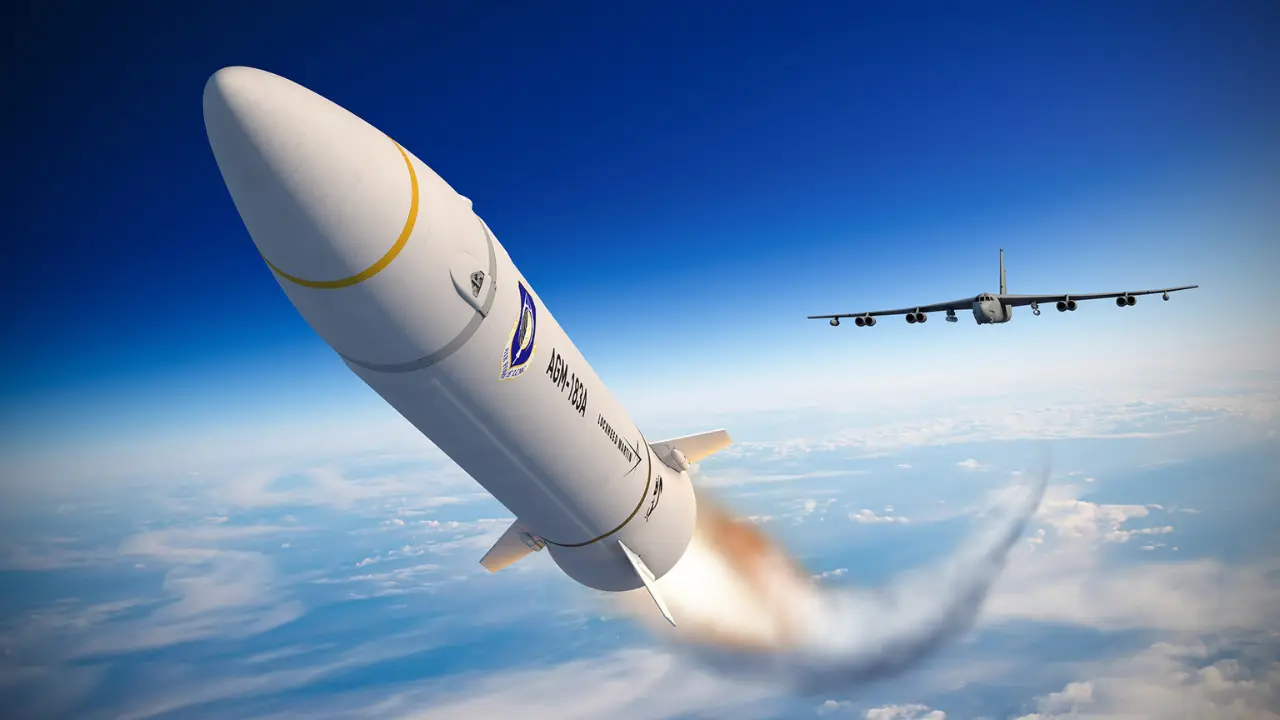
Hypersonic fighter jets fly faster than five times the speed of sound, or above Mach 5, which is over 6,000 kilometres per hour. These jets use special engines, like scramjets, and strong materials to handle such high speed and temperature.
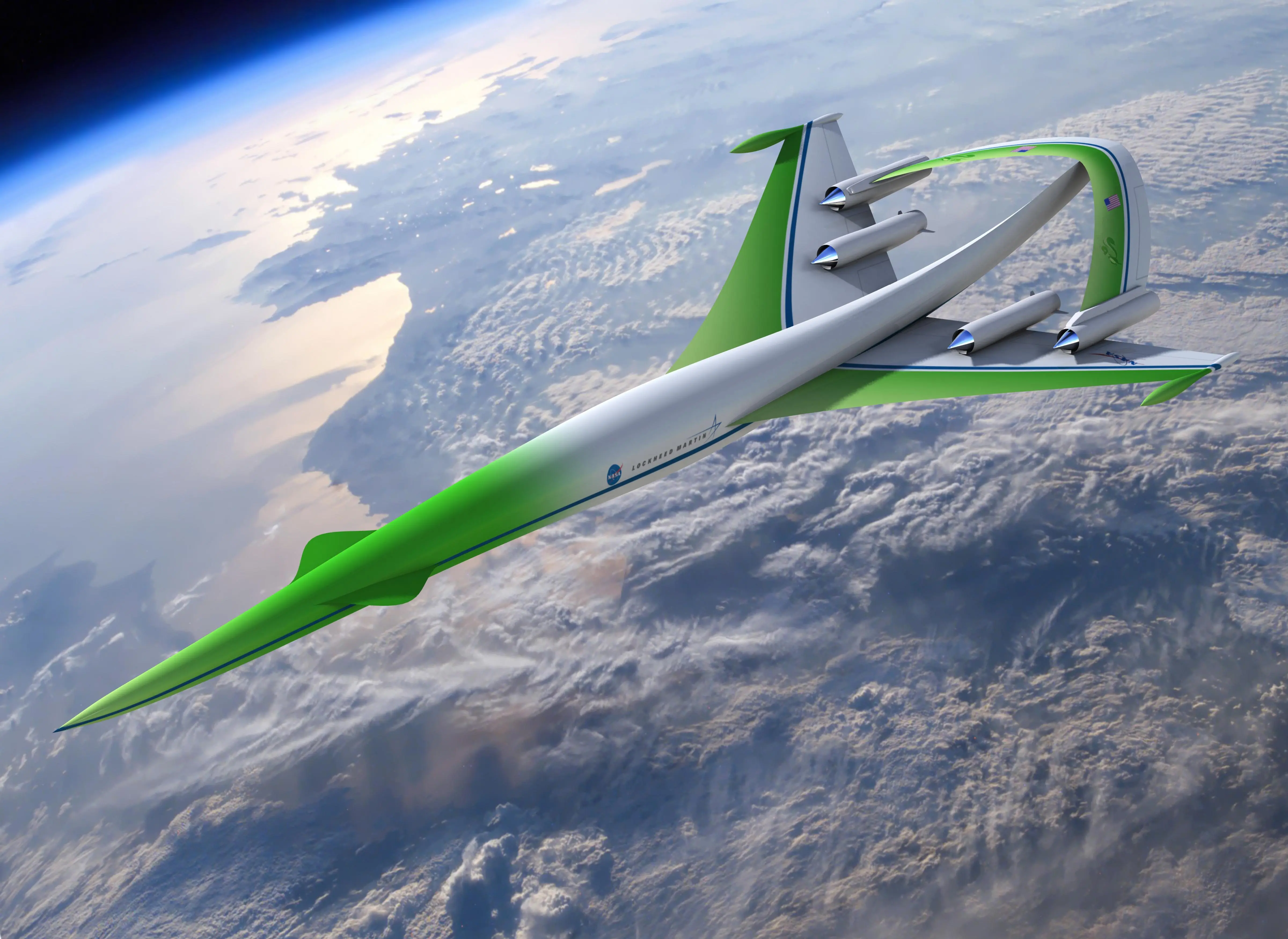
What Does Autonomous Mean?
An autonomous jet can fly, react, and decide without human pilots. It uses onboard computers, sensors, and artificial intelligence to manage flight and combat actions. Autonomous aircraft are already being tested by companies like Stratolaunch and military groups in the US and Europe.
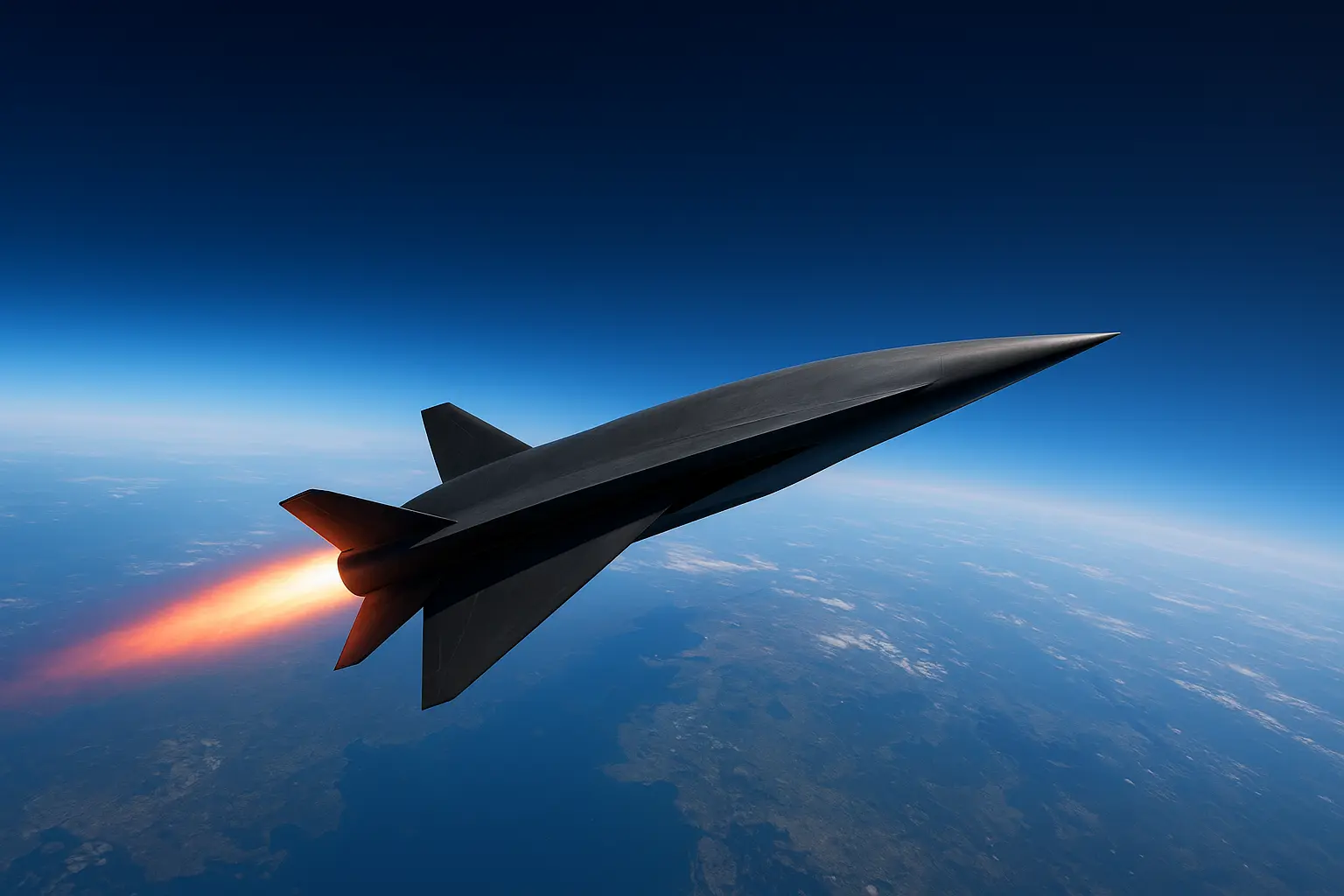
How Do Autonomous Jets Work?
These jets are packed with advanced computers and sensors. They use radar, cameras, and data links to understand what is happening in the sky.
Modern AI can control all basic flight functions takeoff, navigation, avoiding obstacles, and landing without any help from humans.
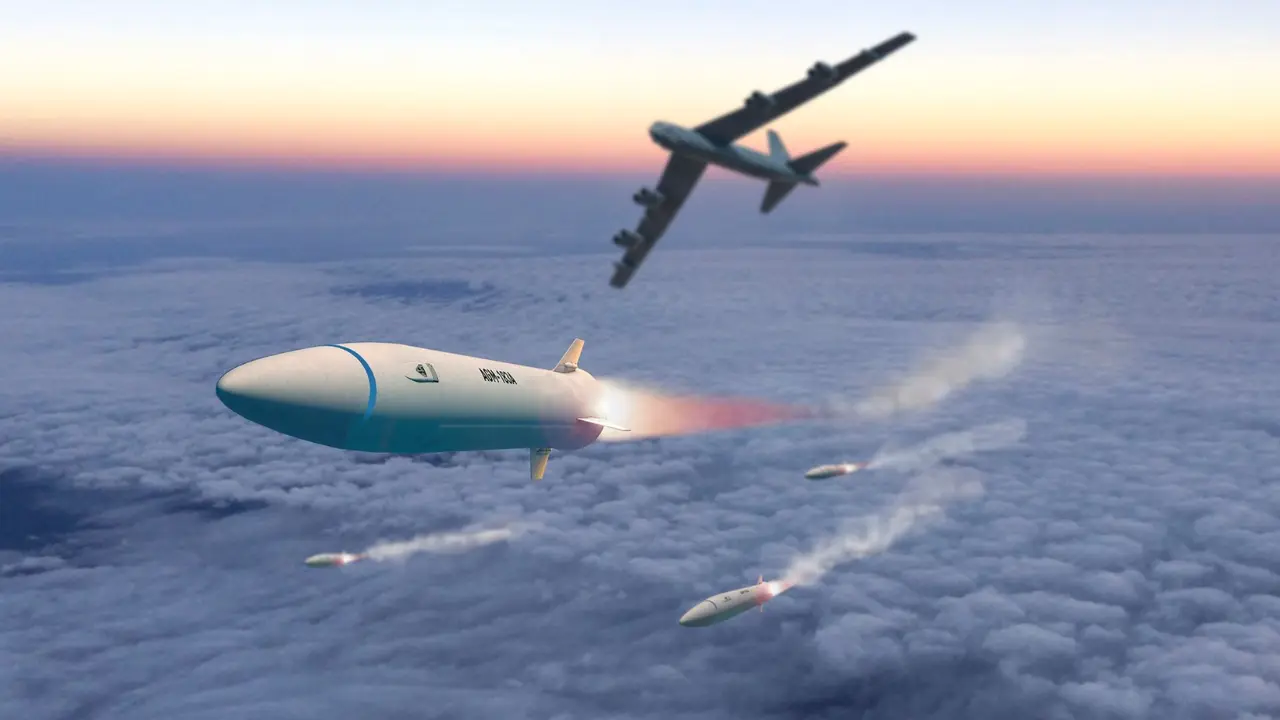
What Changes at Hypersonic Speeds?
At supersonic and hypersonic speeds, jets need to react faster than humans can. Static cockpit designs are giving way to machines that analyse and predict enemy movements in seconds. For example, AI systems can track threats in real time and instantly adjust flight or attack plans.
Advantages of Full Autonomy
Autonomous jets do not risk human lives. They can attempt sharp movements and risky missions that might be impossible or unsafe for pilots. With AI, these jets can fly in dangerous areas, accompany crewed planes, and even team up for complex missions. They also make air operations more efficient and cost-effective.
Recent Developments and Numbers
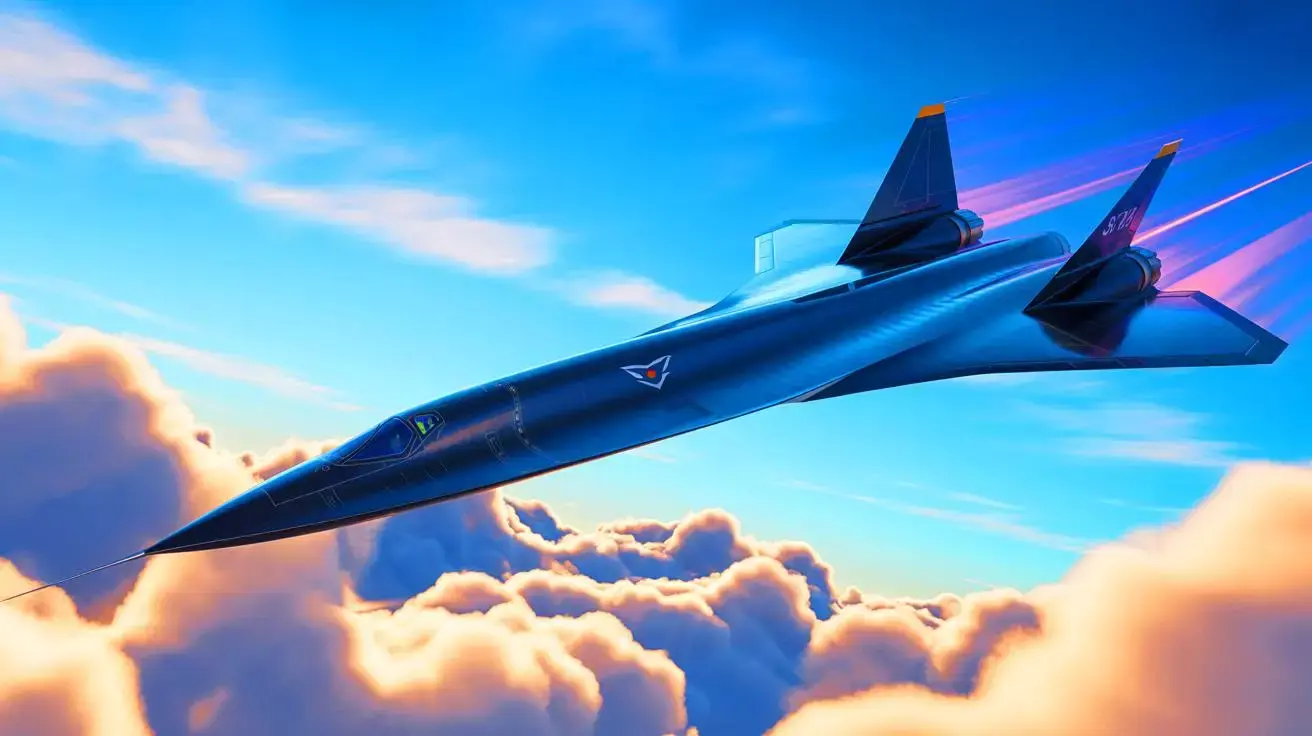
The US Air Force aims to add 1,000 AI-piloted jets in the next few years.
Companies like Saab and Airbus have tested flights with fully integrated AI on board.
Market reports show autonomous aircraft are expected to be worth USD 48 billion by 2033, with North America leading.
What Does The Future Hold?
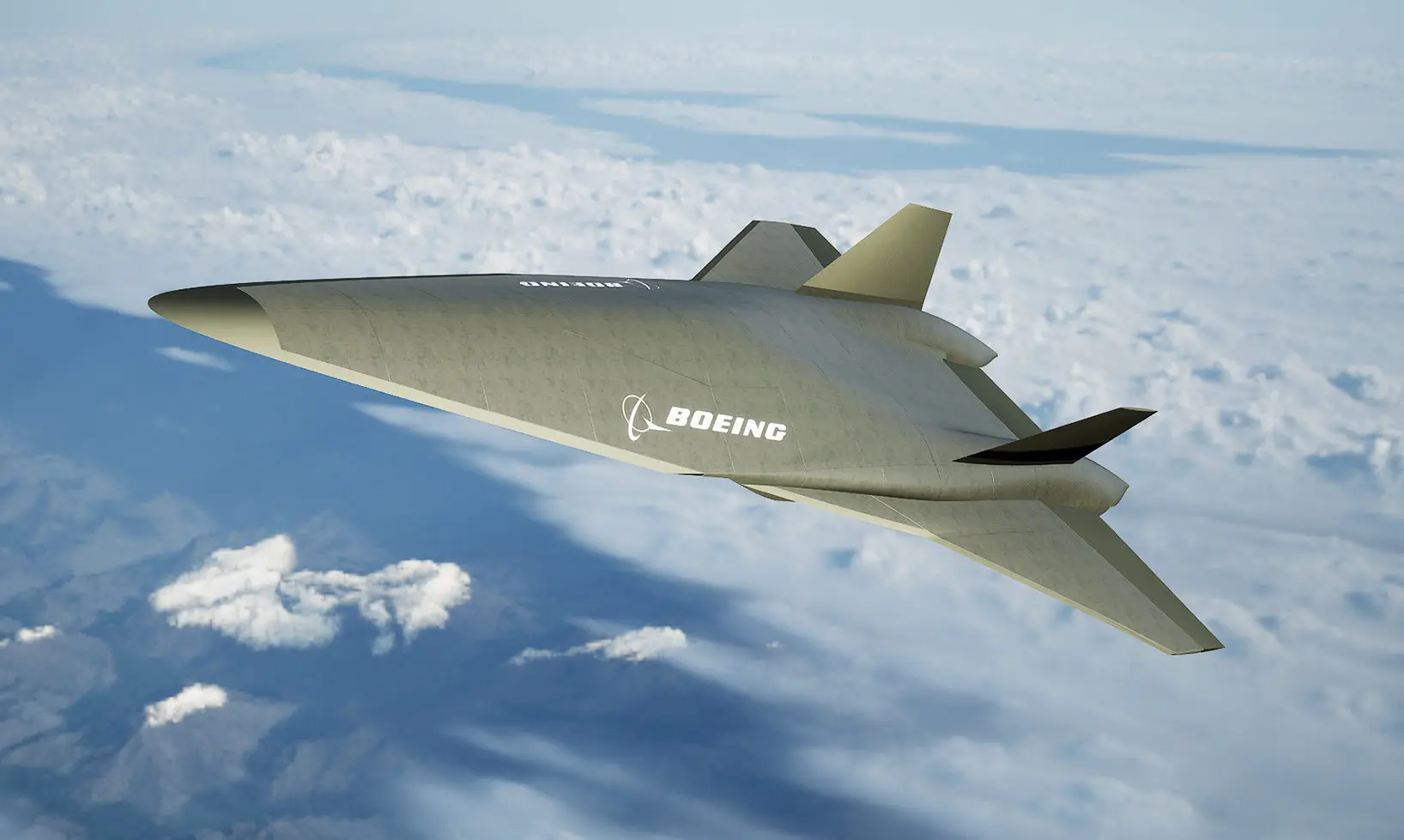
Many experts believe autonomous hypersonic jets will transform how wars are fought. These jets might be able to decide tactics, share information with other aircraft, and complete missions independently. However, human supervisors may still make the final decisions. Know more about the impact below as technology evolves every day.
)
)
)
)
)