What could happen when '3I/ATLAS' hides behind the Sun? Michio Kaku and Avi Loeb explain

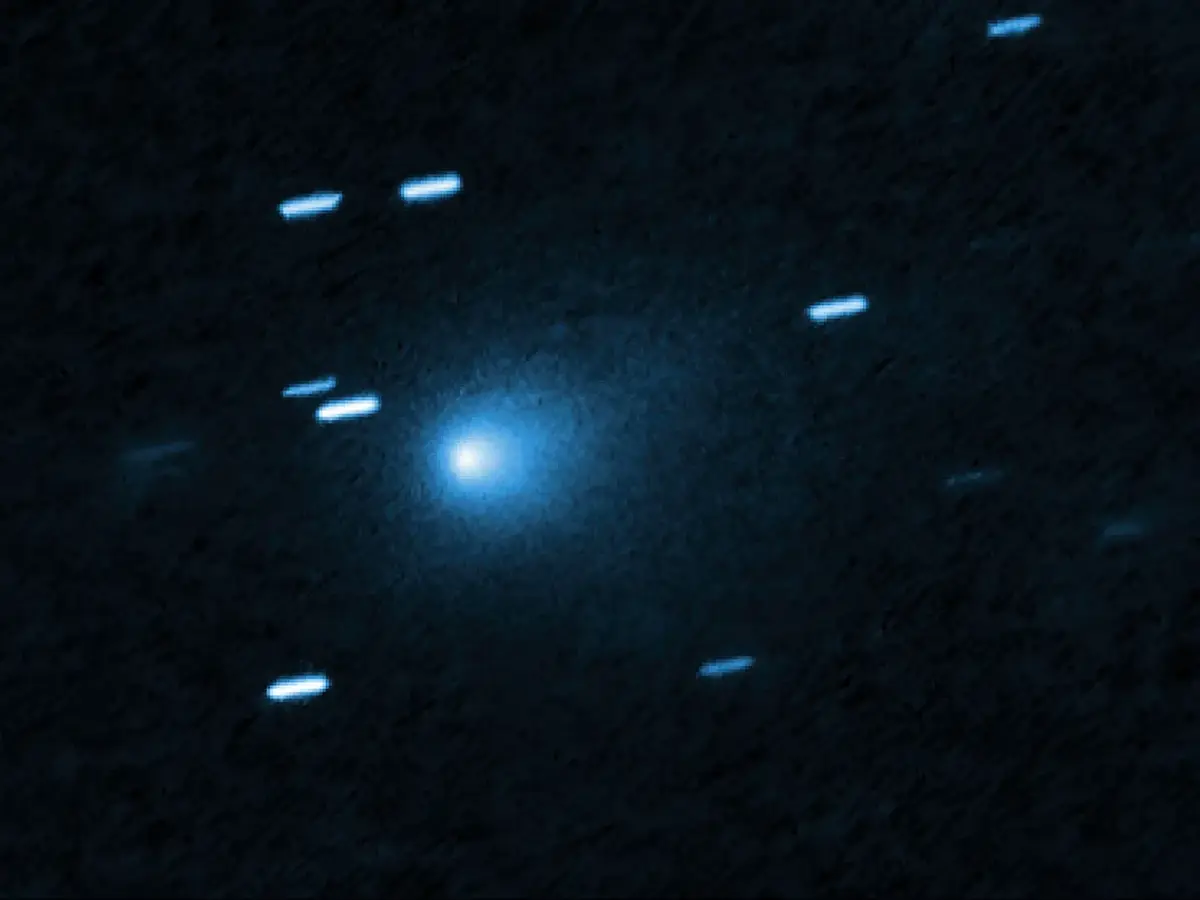
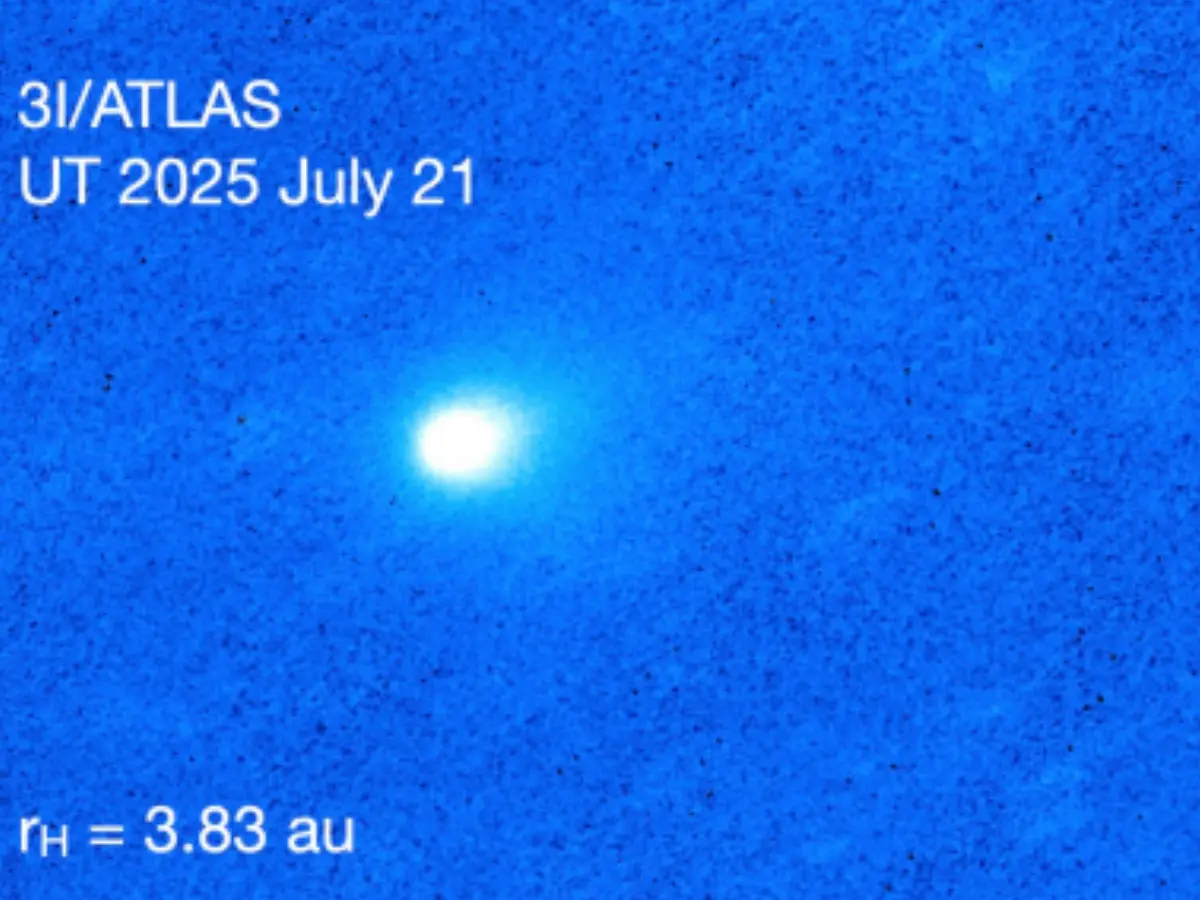
As 3I/ATLAS slips behind the Sun, scientists like Michio Kaku and Avi Loeb are warning that this period of “solar concealment” could be more than just an astronomical coincidence. Here’s what they think could unfold when it vanishes from Earth’s view.
1. The Object Will Become Temporarily Invisible to Telescopes
According to Michio Kaku, once 3I/ATLAS passes behind the Sun, optical and radio telescopes will lose direct contact with it. For several weeks, scientists will be unable to track its path or observe changes in its speed, a crucial gap in data.
2. A Critical Moment for Hidden Activity
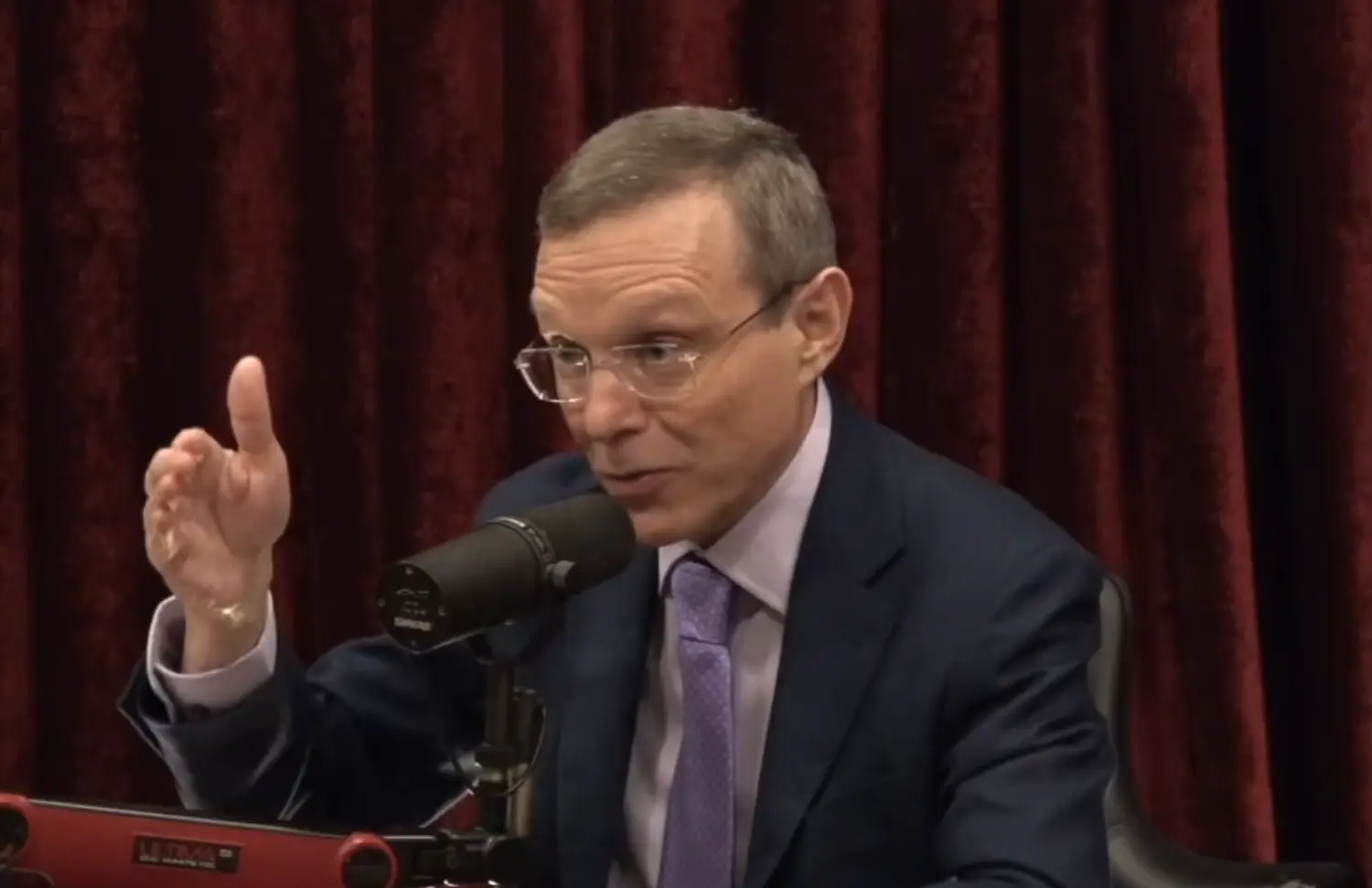
Avi Loeb suggests that this “blind spot” could be the most revealing phase. If 3I/ATLAS is an engineered object, he argues, it could use the Sun’s glare as a cover to change course or deploy smaller probes undetectable from Earth.
3. Solar Radiation Could Alter Its Path
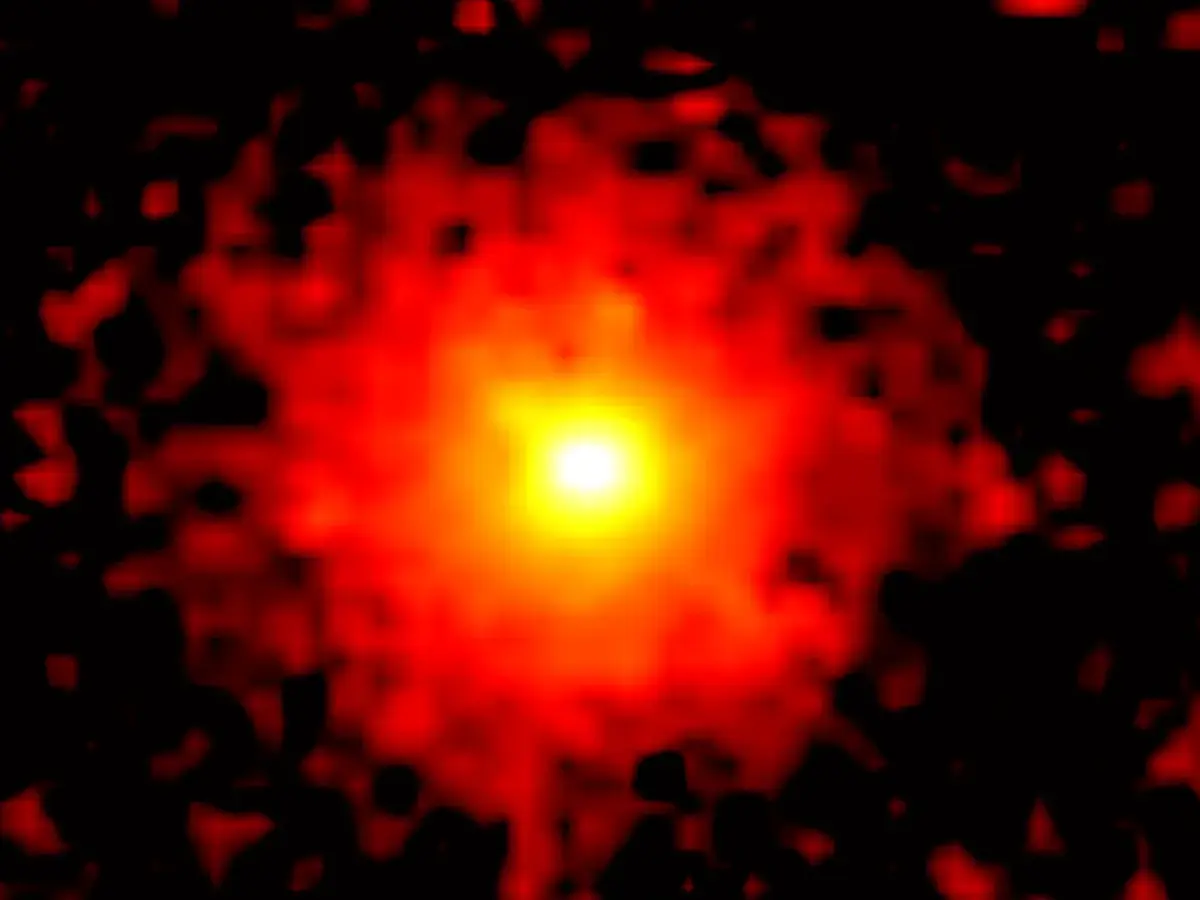
Kaku points out that intense solar radiation pressure might deflect or accelerate 3I/ATLAS in ways natural models can’t fully explain. Studying its reappearance could help scientists confirm whether sunlight alone drives its mysterious acceleration.
4. The Risk of Losing Track Altogether
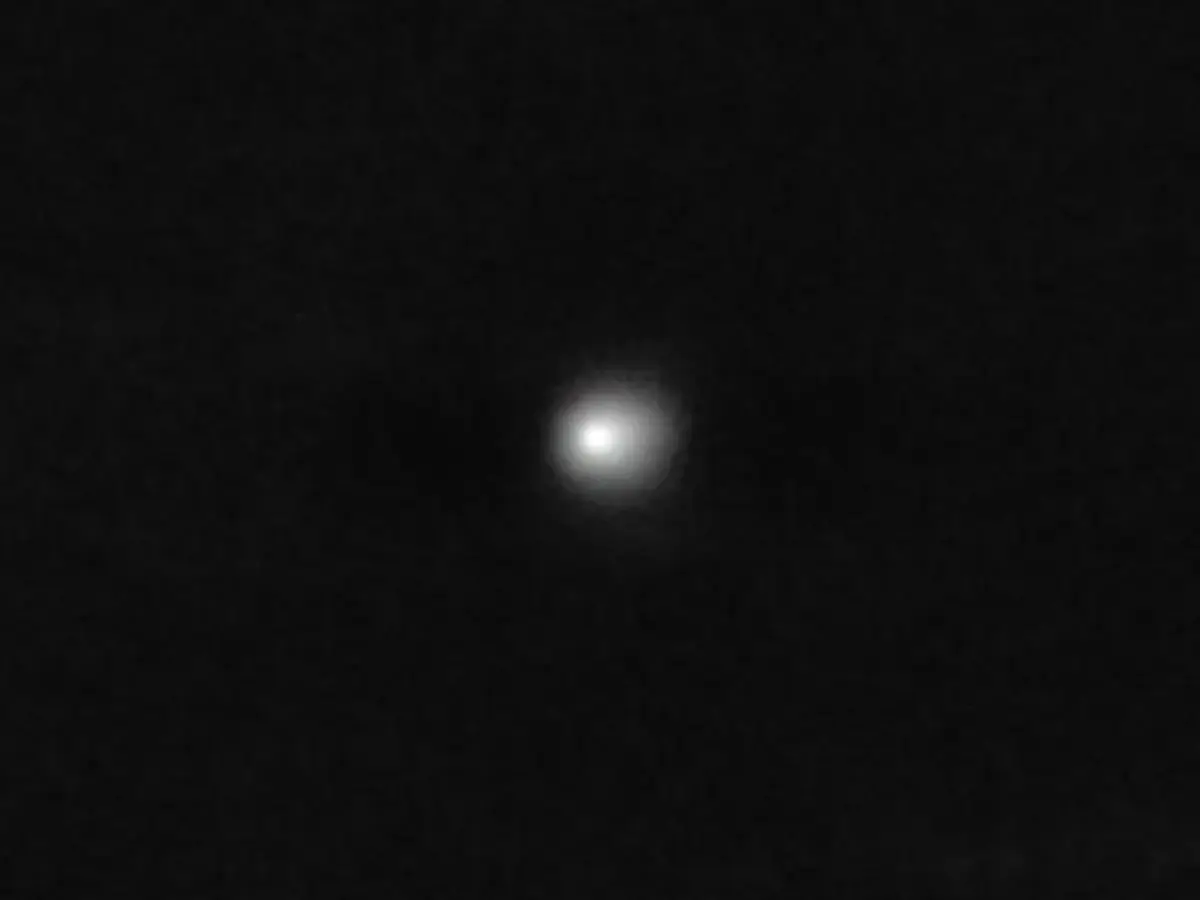
Both Kaku and Loeb warn that depending on its trajectory, 3I/ATLAS might emerge in a slightly different position or not be detected at all. This uncertainty fuels speculation that interstellar visitors could enter and exit our Solar System unnoticed.
5. Possibility of Electromagnetic Interference
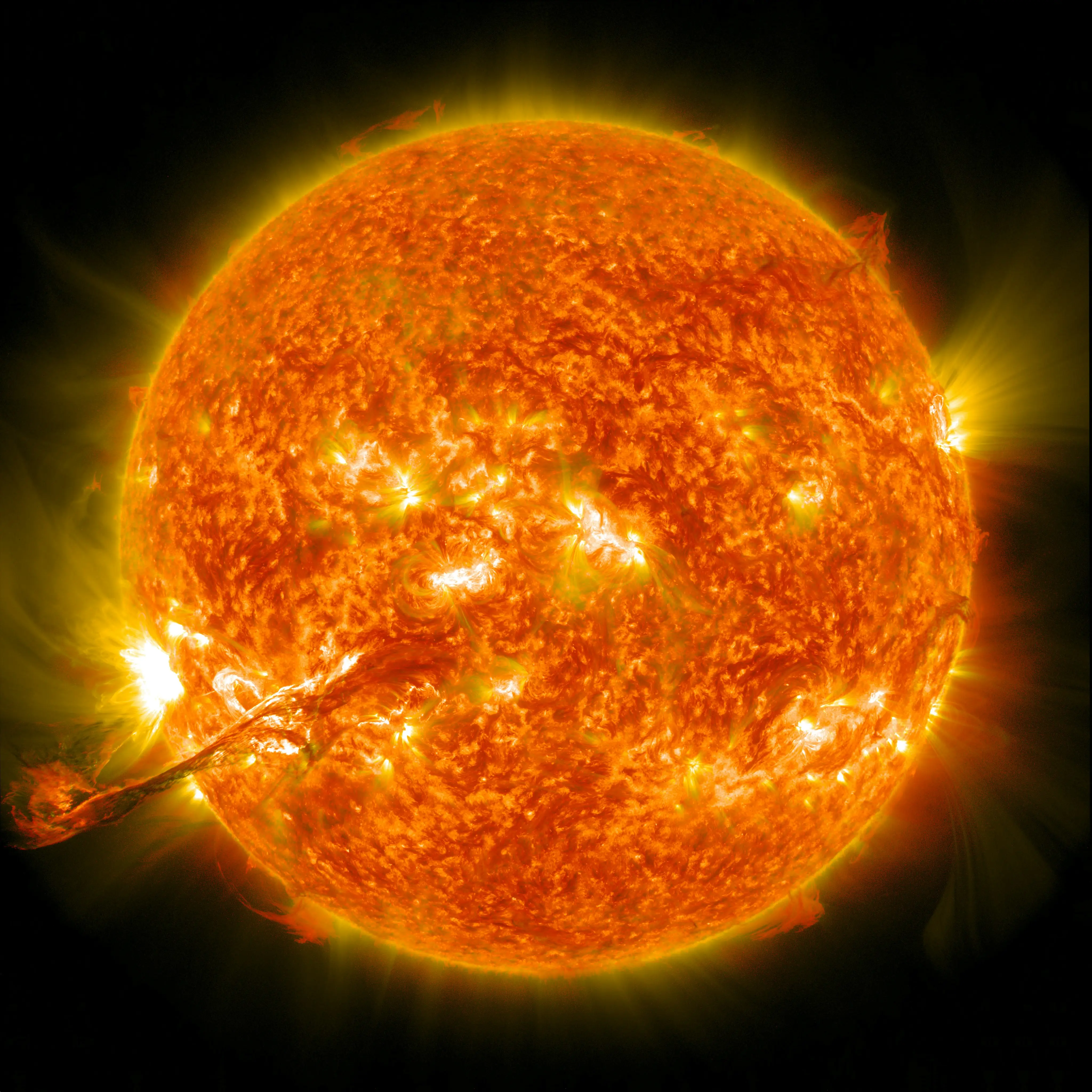
Kaku notes that when large interstellar bodies pass near the Sun, they can disturb solar magnetic fields. This can produce ripple effects on Earth, temporary communication disruptions or anomalies in space weather satellites.
6. An Opportunity for Discovery — or a Missed Chance
Loeb says that the post-Sun reappearance phase will be vital. If 3I/ATLAS returns with a measurable change in spin, trajectory, or brightness, it could confirm his theory that it’s powered by artificial propulsion, not natural outgassing.
7. A Reminder of Cosmic Vulnerability
Kaku concludes that events like this remind humanity how limited our observational reach still is. “When an object hides behind the Sun,” he said, “it hides from every telescope on Earth and from our certainty about what’s out there.”
Conclusion:
As 3I/ATLAS moves into solar shadow, scientists remain divided between cautious curiosity and speculative wonder. Whether it re-emerges unchanged or not at all, the mystery of what happens behind the Sun could redefine how we monitor the skies.
)
)
)
)
)