What could happen if you put petrol in a diesel car?

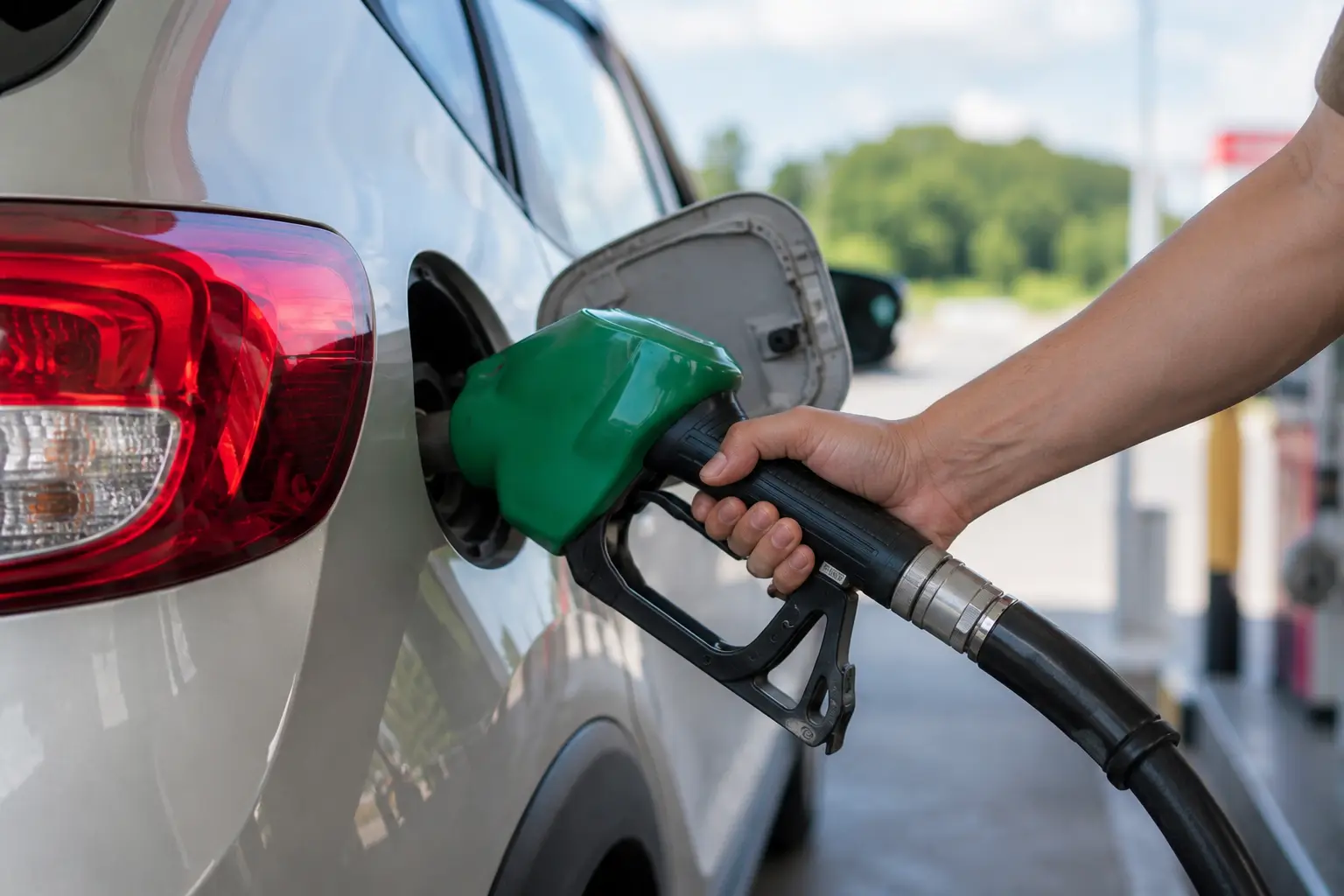
Putting petrol in a diesel car strips away vital lubrication, destroying the fuel pump and injectors. If misfuelled, do not start the engine and call for a professional fuel drain service immediately to avoid a total engine failure.

Loss of lubrication
Diesel fuel acts as a lubricant for the engine's fuel pump and injectors. The AA explains that petrol acts as a solvent, stripping away this vital lubrication and causing metal parts to grind together.

Fuel pump damage
As the petrol circulates, it creates metal debris through friction. Mechanics at GoMechanic warn that these fine metal shavings can travel through the fuel system, destroying every component they touch.

High-pressure injector failure
Diesel fuel systems operate under immense pressure. Because petrol is thinner and less lubricating, it causes high-pressure fuel injectors to seize or shatter, leading to repair costs often exceeding Rs 1 lakh.
Improper combustion
Petrol ignites much faster than diesel under compression. Automotive engineers note that this premature ignition causes severe "knocking," which can crack pistons, bend connecting rods, and ruin the engine block.

Immediate symptoms
If the engine is started, you will notice a loud knocking sound and clouds of black smoke from the exhaust. The vehicle will eventually lose power and stall as the internal mechanical components fail.

The Golden Rule
If you realise the mistake at the pump, do not turn the key or start the engine. The RAC confirms that keeping the petrol in the tank prevents it from entering the delicate fuel lines and injectors.

Professional recovery
You must call a professional fuel drainage service immediately. According to Kwik Fit, a complete tank flush is required to remove every trace of petrol before the car can be safely started again.
)
)
)
)
)