What causes high-G failures during extreme fighter jet manoeuvres?

High-G manoeuvres can make pilots black out and can also damage an aircraft structure. Vision fades, consciousness is lost and metal parts face fatigue under repeated stress. Modern jets use G-suits and safety systems, but high-G flying still remains one of aviation’s biggest hidden dangers.
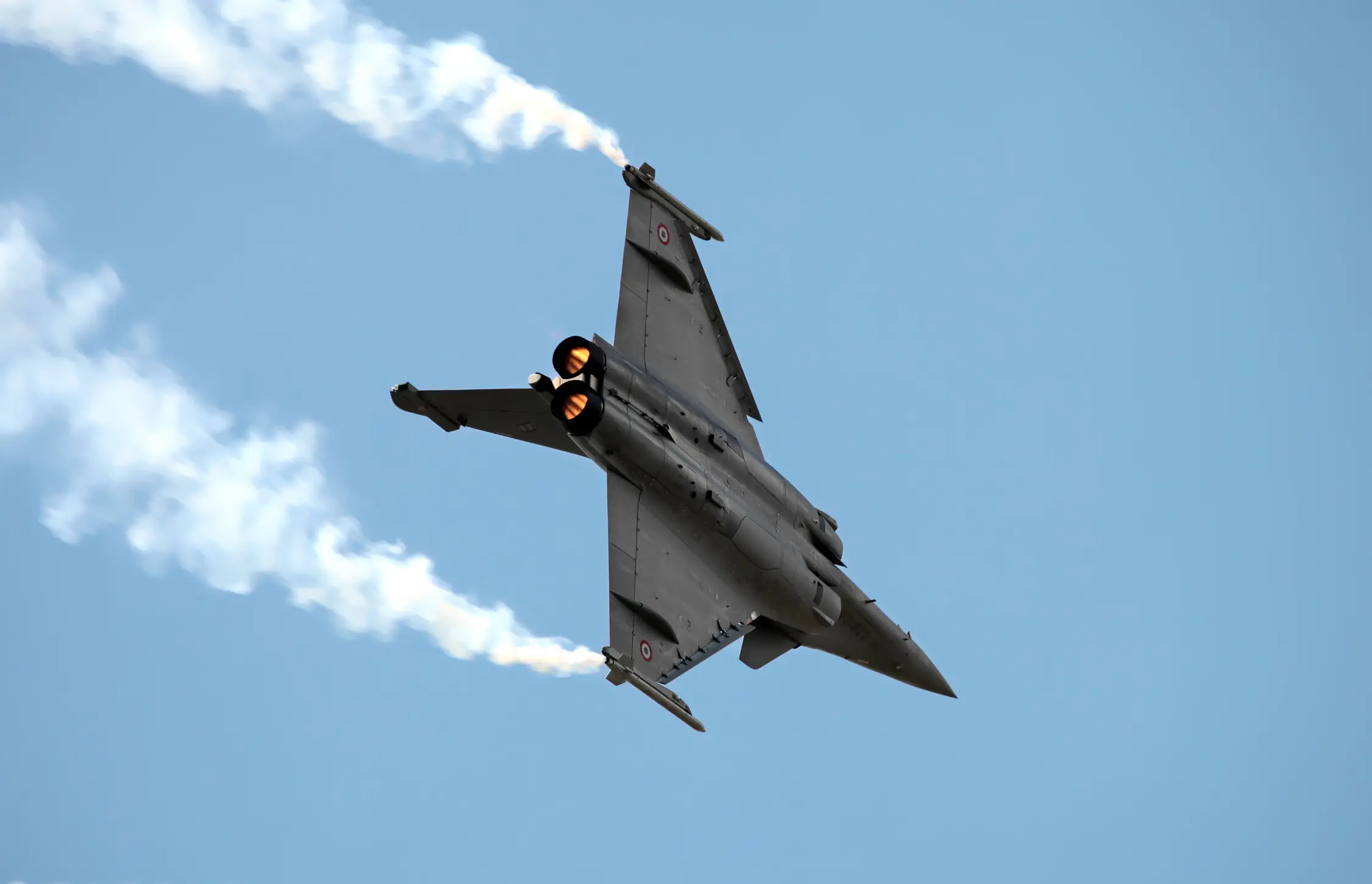
Two Types Of Failures During High-G
High-G manoeuvres cause two types of failures. First, pilot failure through loss of consciousness. Second, structural failure through metal breaking. Both can happen during extreme manoeuvres. Understanding both helps explain why high-G flying is dangerous.
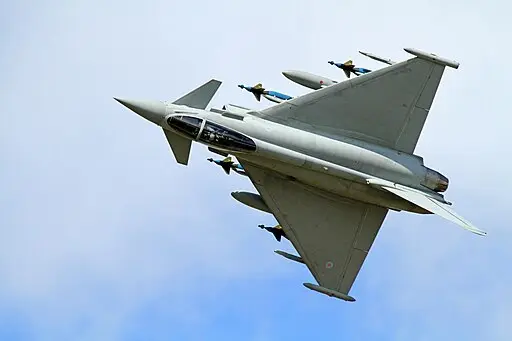
G-LOC: Pilot Loses Consciousness
Sustained 4 to 5 G-forces for 2 to 5 seconds causes blood to drain from the brain. Pilots experience grey vision, then black vision, then unconsciousness. G-LOC lasts 9 to 12 seconds during which the pilot is completely unconscious. The aircraft may dive or roll during this time.
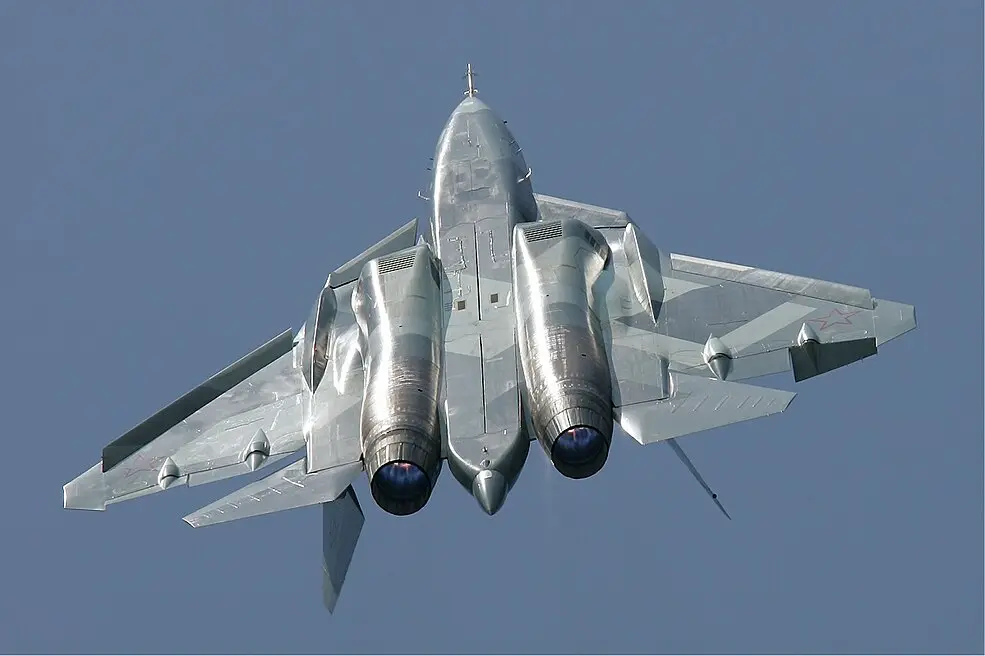
Warning Signs Before G-LOC
Pilots experience progressive vision loss before G-LOC. Peripheral vision greying out comes first. Then central vision blacks out. This gives pilots 2 to 5 seconds warning to reduce G-forces. Without recognizing these signs, unconsciousness happens suddenly.
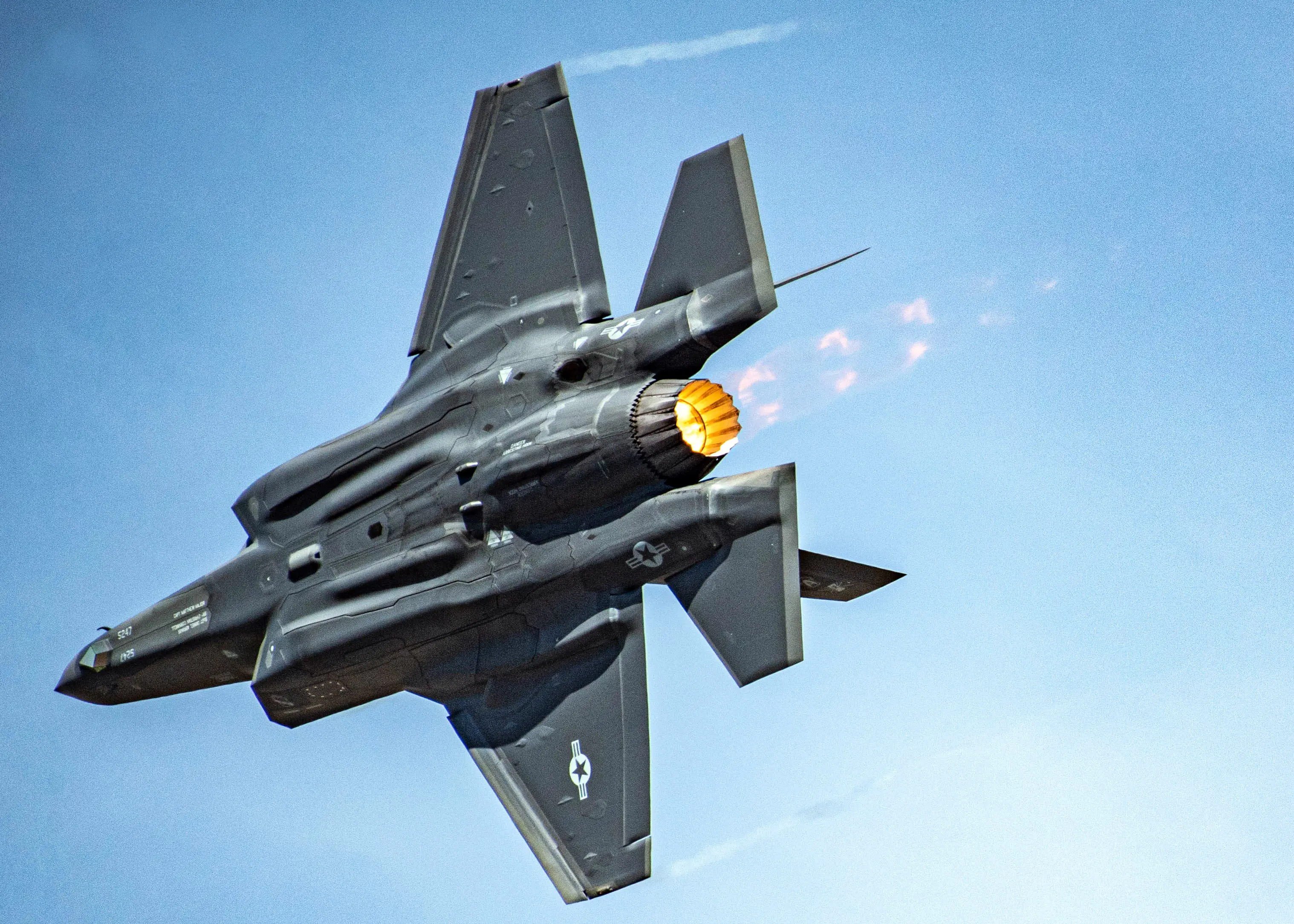
Structural Fatigue From Repeated High-G
Repeated high-G manoeuvres create metal fatigue. Cracks form at areas where the airframe has geometric changes or holes. These high-stress concentration areas fail first. Fatigue accounts for 55 per cent of all structural failures in aircraft.
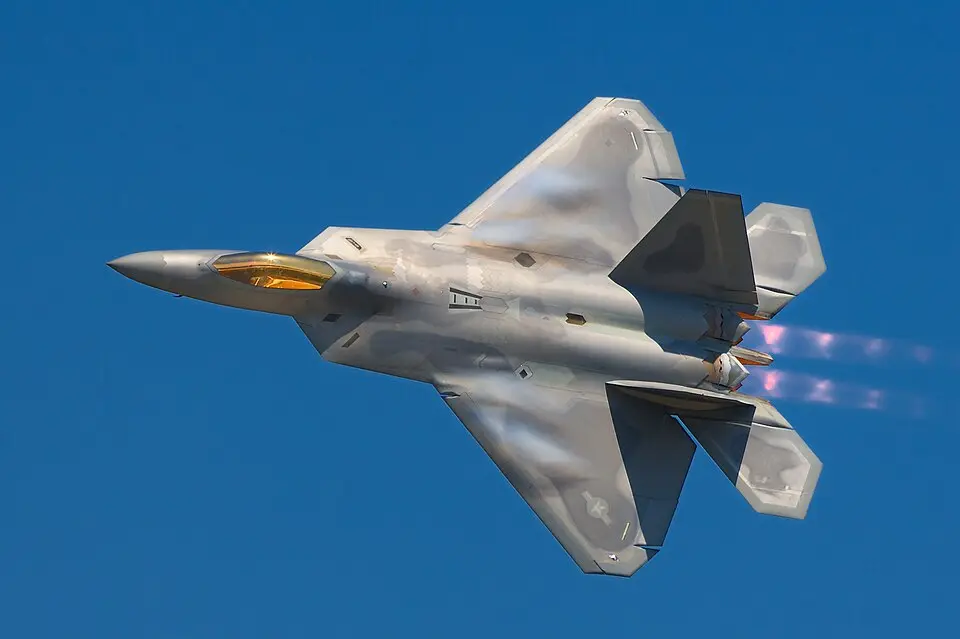
Horizontal Stabilizers Fail First
When pilots pull hard nose-up, horizontal stabilizers experience maximum stress. These tail surfaces fail first under extreme pulling loads. When they fail, the aircraft suddenly pitches nose-down. Recovery becomes impossible if altitude is low.
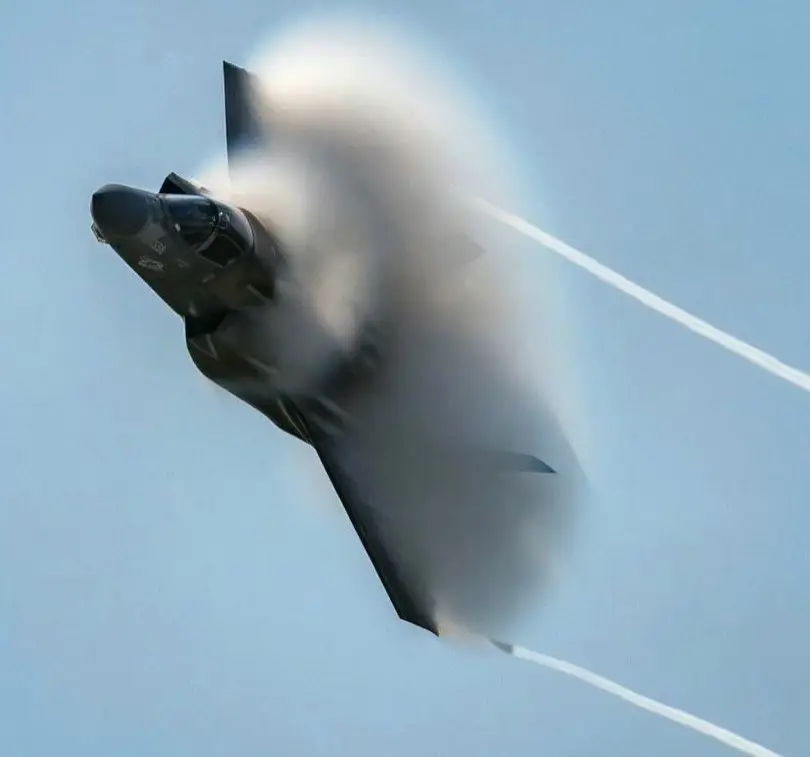
The Structural Limit: 7-8 G Sustained
Fighter jets are designed to handle 7 to 8 G-forces sustained. Beyond this, metal fatigue cracks begin forming. Repeated exposure to 8-9 G-forces creates progressive damage. Aircraft eventually become unsafe to fly due to accumulated fatigue damage.
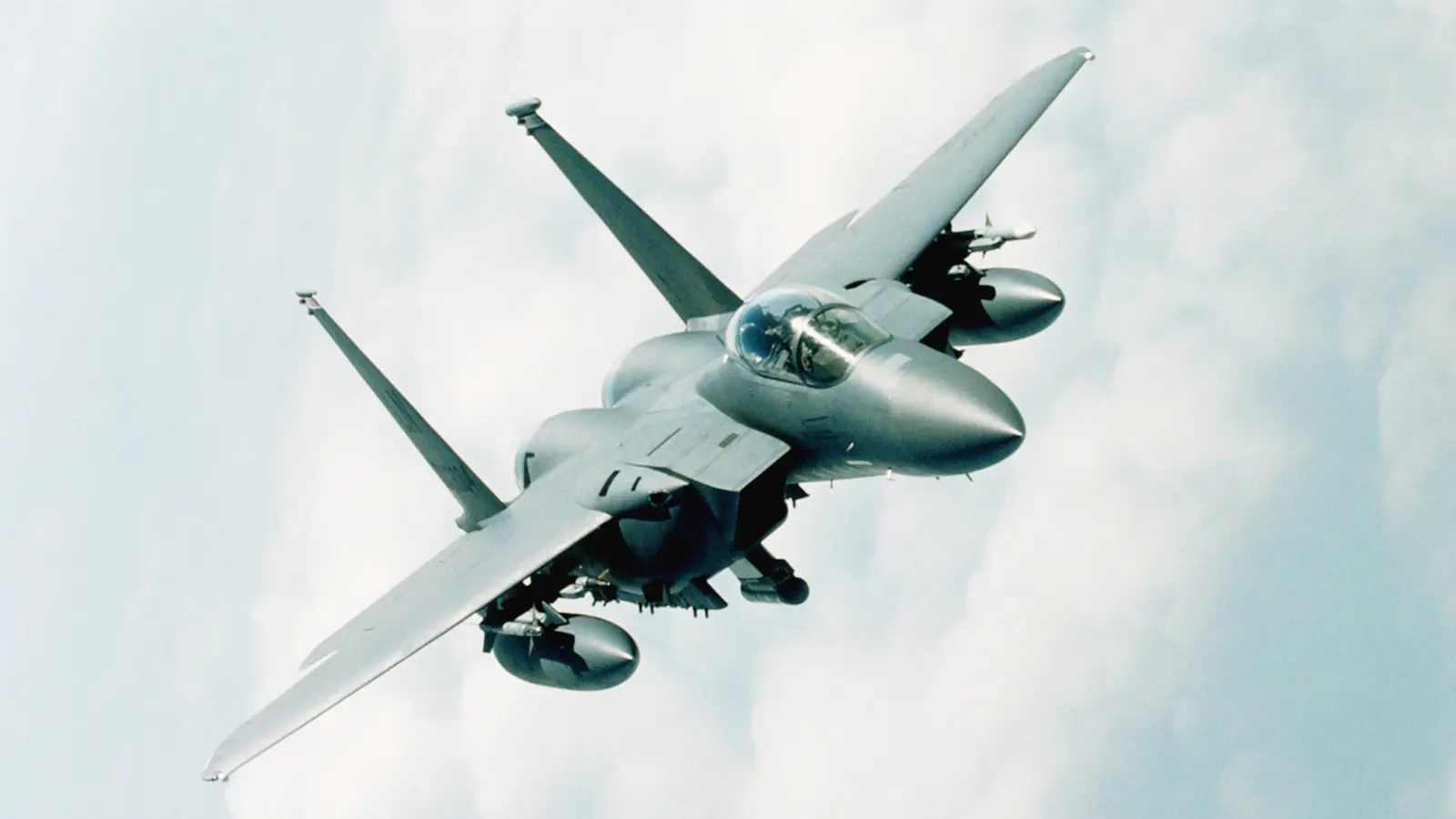
Modern Protection Systems
Modern fighters use anti-G suits that squeeze the pilot's legs during high-G. This maintains blood pressure to the brain longer. Automatic Ground Collision Avoidance System (AGCAS) takes control if pilots black out. These systems prevent many potential accidents.
)
)
)
)
)