What are Trump’s limited but dangerous options in Iran?

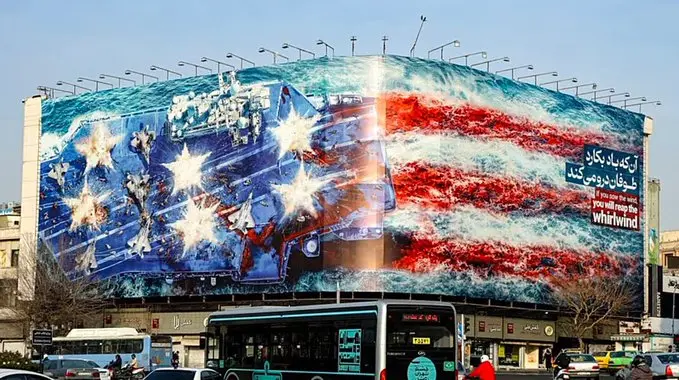
Iran has responded with symbolic defiance. A new mural unveiled in central Tehran depicts damaged aircraft on the deck of an aircraft carrier, accompanied by the warning: “If you sow the wind, you will reap the whirlwind.”
A Crisis Moves Underground
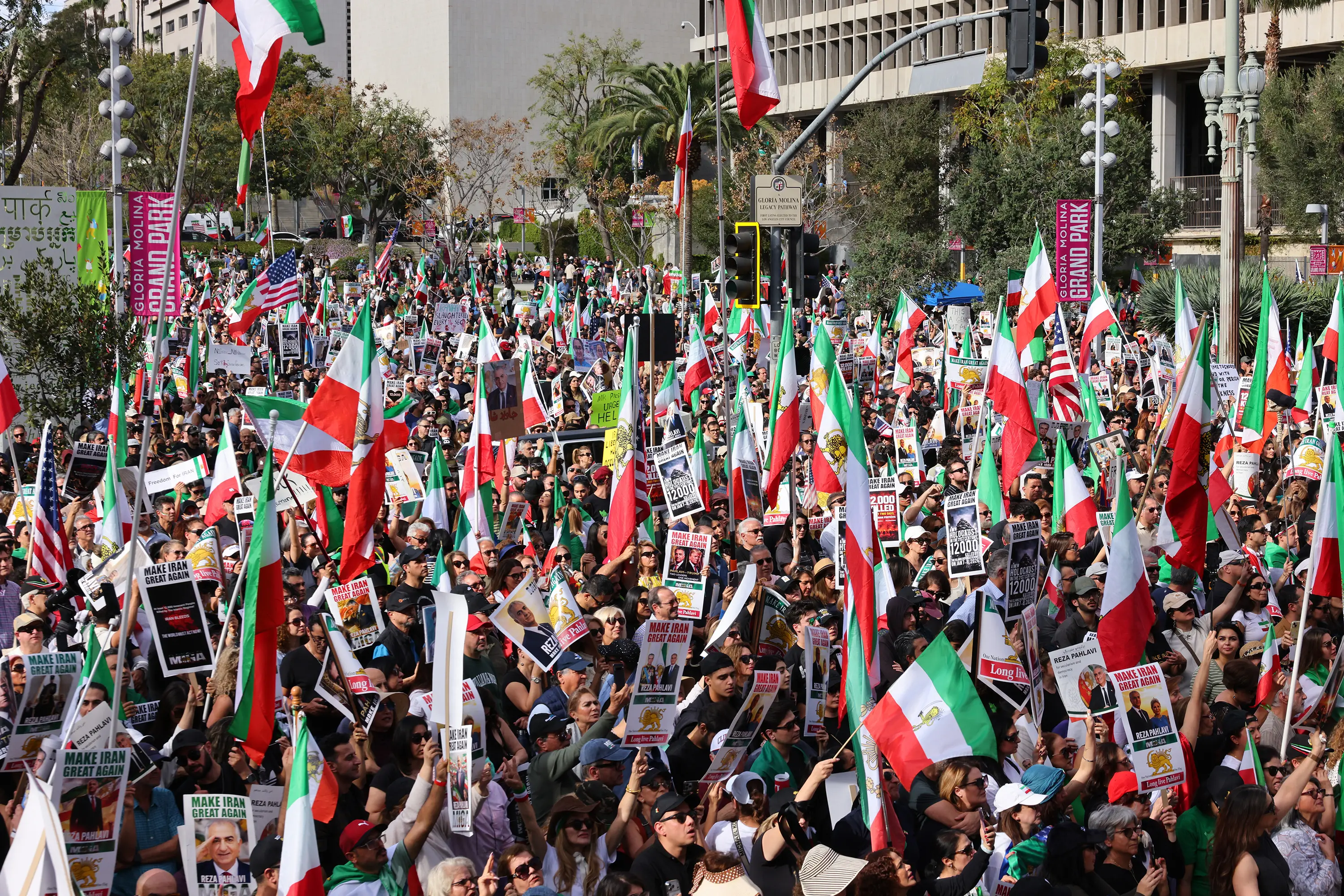
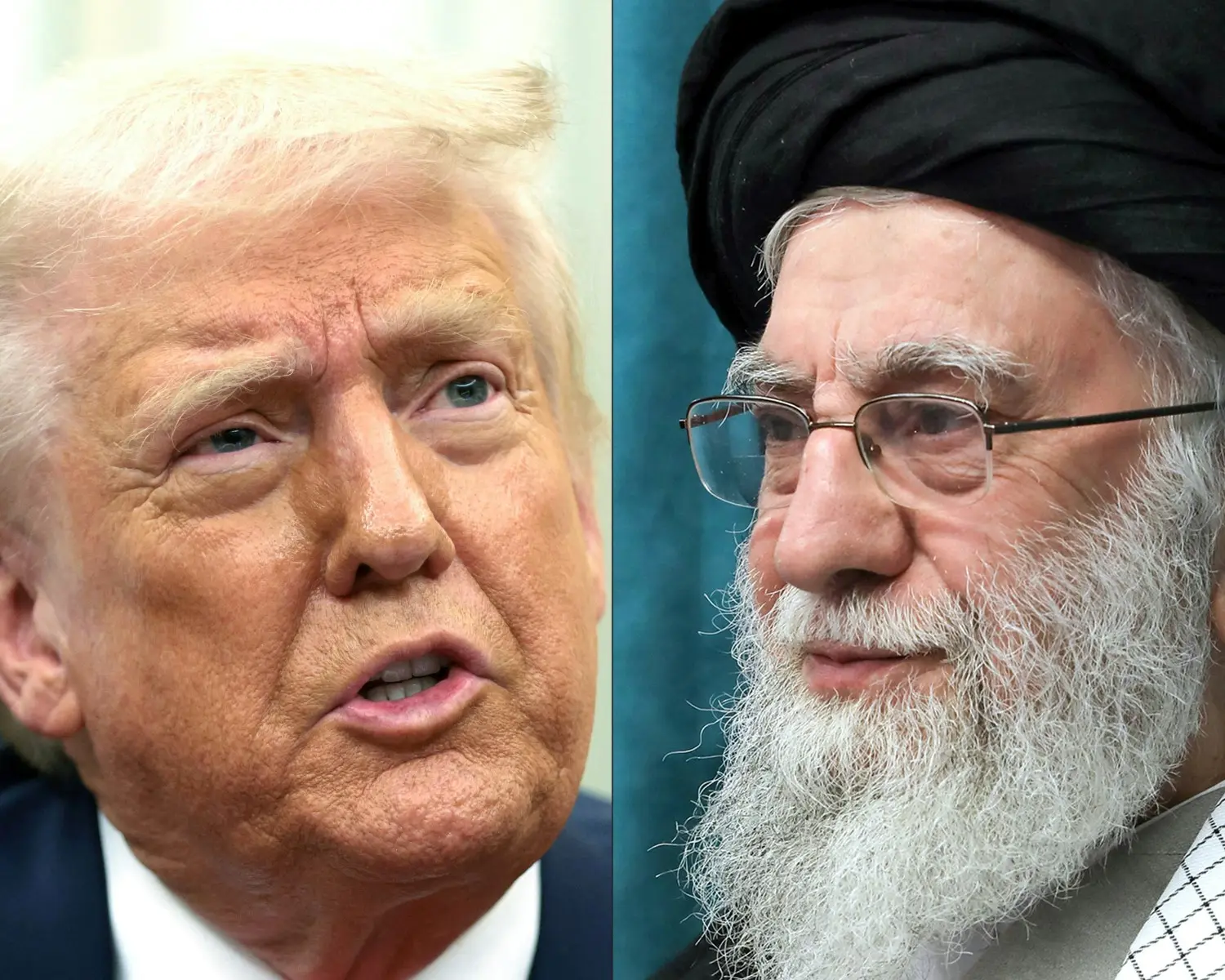
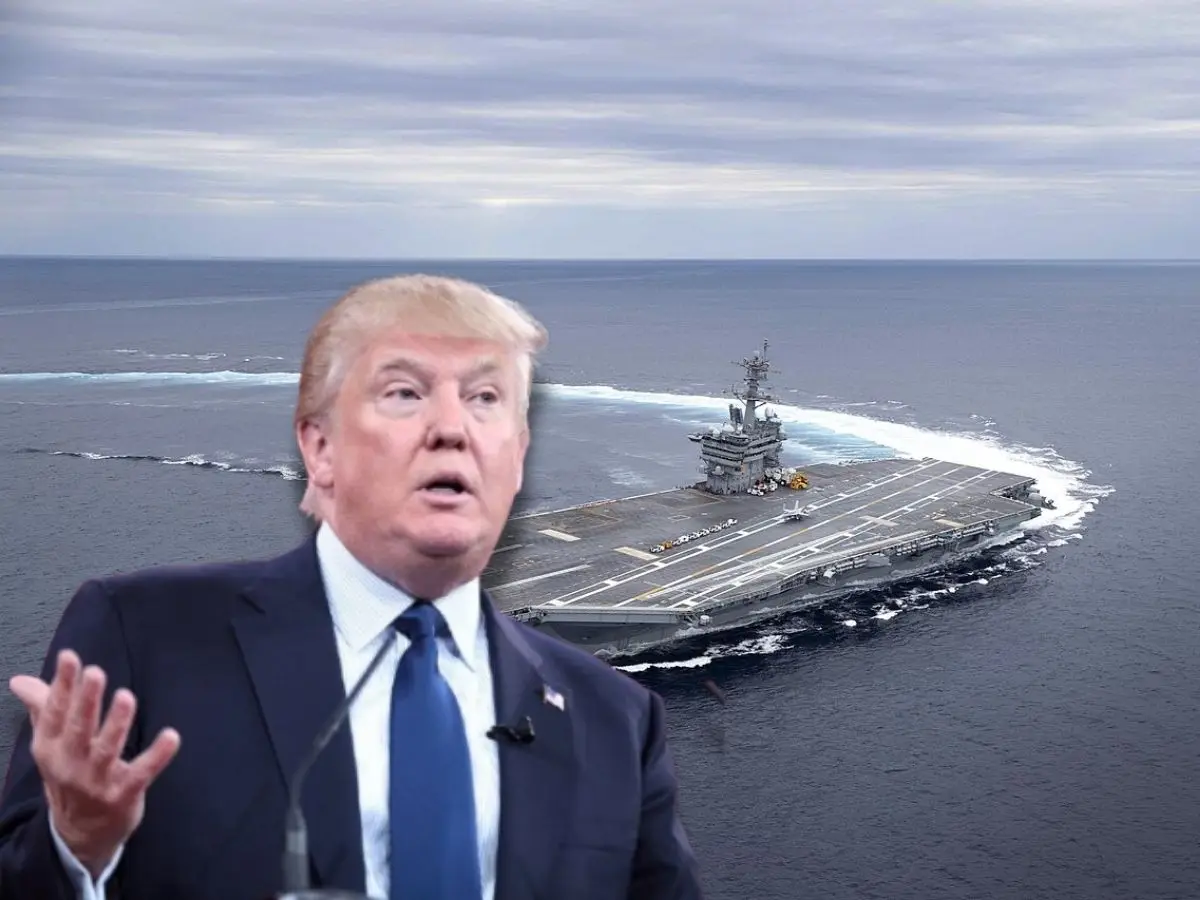
The confrontation between America and Iran has again entered a volatile phase after ending a short-lived lull that briefly suggested both sides were stepping back from the brink. Supreme Leader Ayatollah Ali Khamenei has reportedly moved into a fortified underground complex in Tehran which is complete with interconnected tunnels that are designed to survive air strikes. The immediate trigger has been a sharp exchange of warnings between Iran and the United States. US President Donald Trump said on Thursday that the United States has an "armada" heading toward Iran but hoped he would not have to use it, as he renewed warnings to Tehran against killing protesters or restarting its nuclear program. The deployment of the USS Abraham Lincoln strike group has reinforced the message that military options are firmly on the table, even if no decision has yet been taken.
Tehran’s Message of Deterrence
Iran has responded with symbolic defiance. A new mural unveiled in central Tehran depicts damaged aircraft on the deck of an aircraft carrier, accompanied by the warning: “If you sow the wind, you will reap the whirlwind.” Reported by the Associated Press, the imagery is aimed squarely at the United States, signalling that any strike would invite retaliation and risk regional escalation.
Uncharted Military Territory
The Atlantic Council notes that the situation is unprecedented. Until the June operation known as Midnight Hammer, the United States had never directly attacked Iran, intervening to influence internal unrest presents a different and far more complex challenge, with targets and objectives still being defined.
Symbolic strikes
One option open to US President Trump is a limited, symbolic use of force, wrote the Atlantic Council. This would most likely involve strikes on conventional targets linked to Iran’s nuclear or missile programmes. While these strikes would do little to aid protesters directly, they would serve a clear signalling purpose: ensuring the White House cannot be accused of drawing red lines and then retreating from them.
Strikes on the security apparatus
A more targeted alternative for US is that it could focus on Iran’s internal security machinery. US intelligence is believed to hold detailed information on facilities and personnel linked to the Islamic Revolutionary Guard Corps, police forces and the Basij militia, all central to the suppression of protests. Cyber operations could complement kinetic strikes. While this might offer protesters a sense of vindication, Iran’s security apparatus comprises more than a million people.
Economic targets
Another, riskier path would involve hitting Iran’s economic lifelines. During recent tensions between Iran and Israel in 2025, analysts speculated about strikes on oil export hubs such as Kharg Island or on key natural gas infrastructure. Atlantic Council says that such attacks would carry global consequences, potentially disrupting energy markets and driving up prices. However, they would also strike at a regime already weakened by sanctions and mismanagement, forcing Tehran to weigh domestic stability against regional confrontation.
The supreme leader
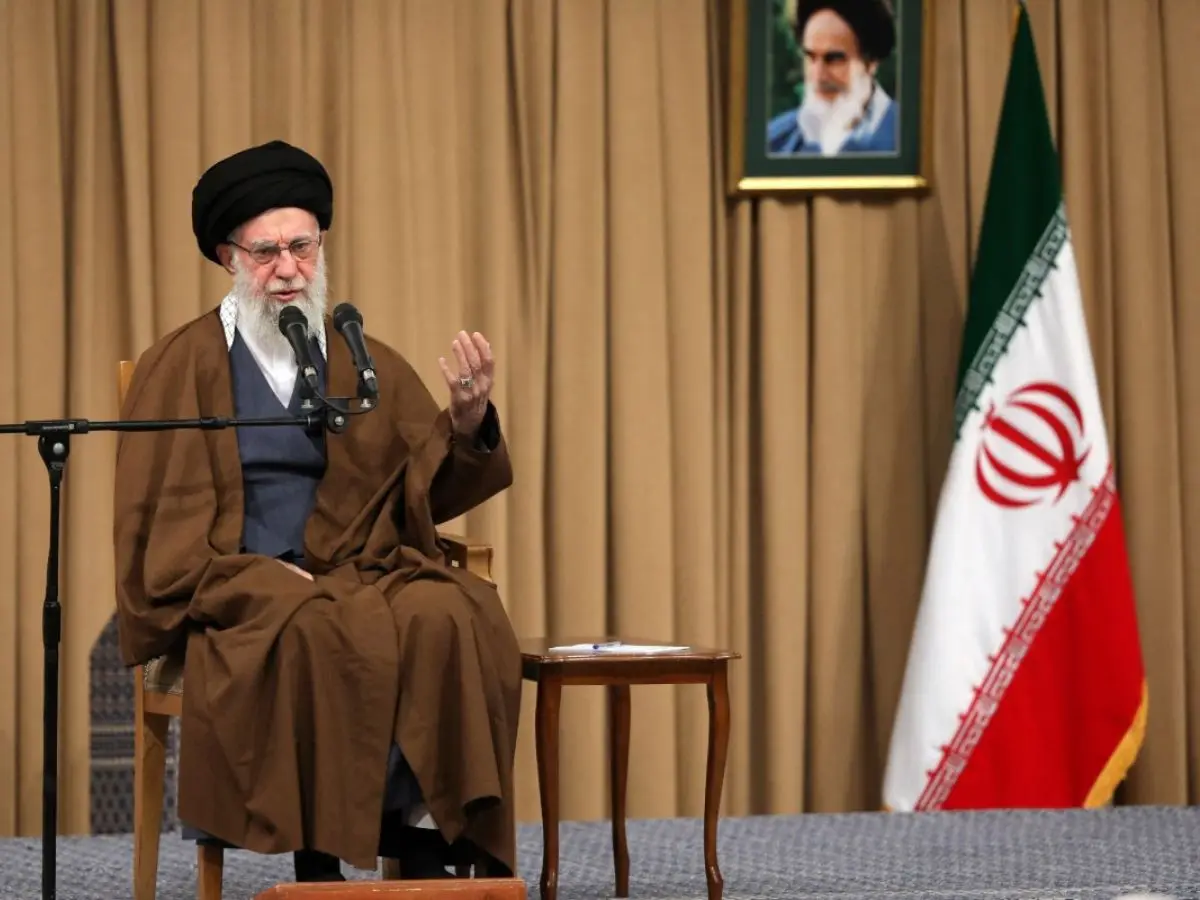
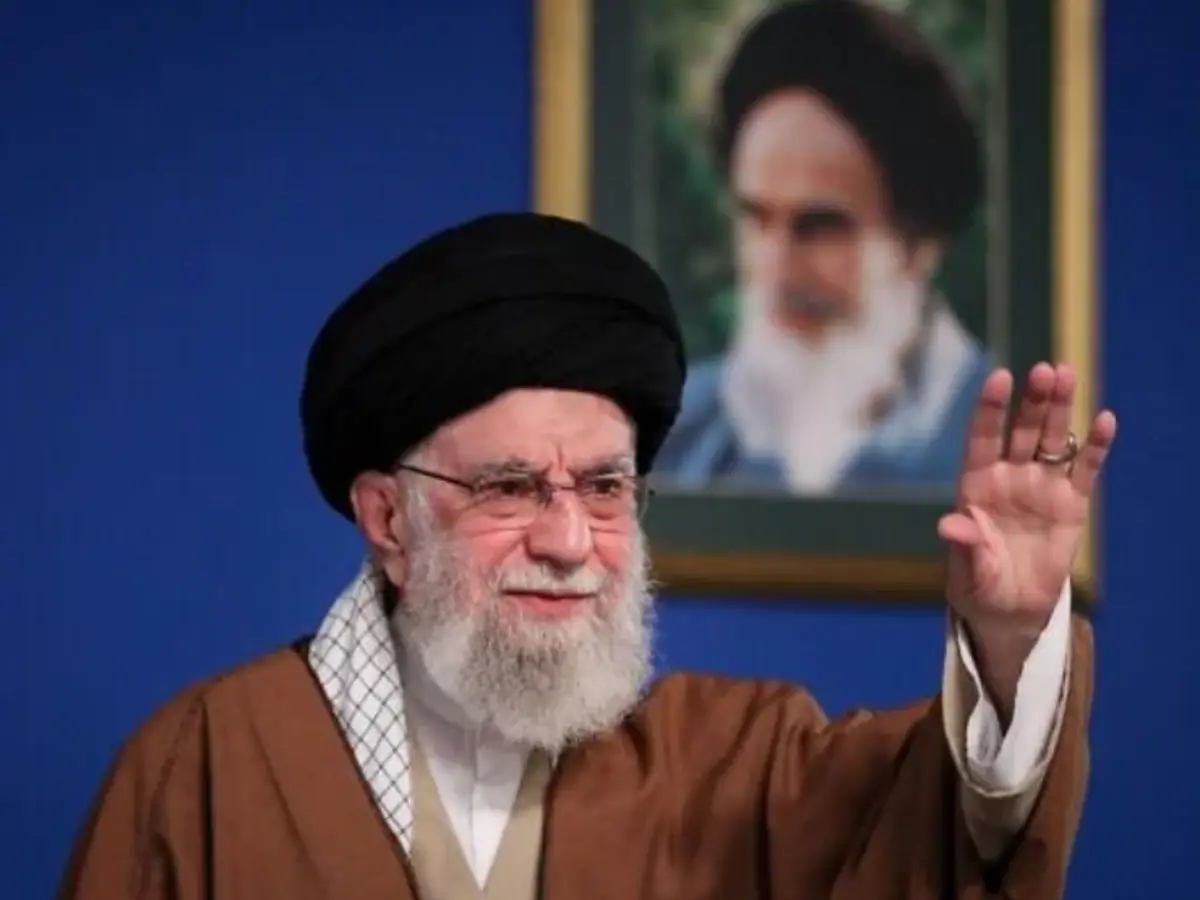
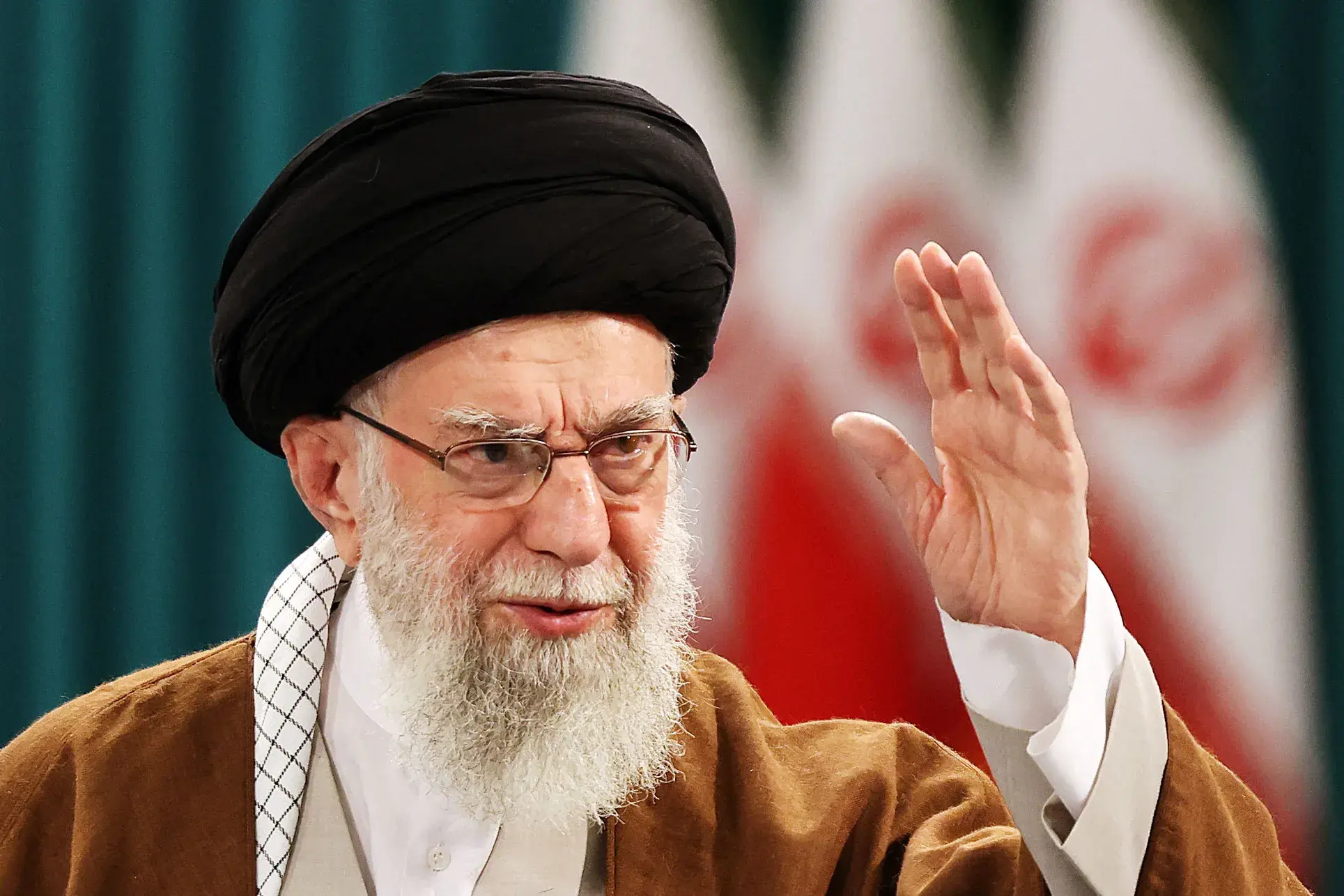
The most dramatic and destabilising option would be a strike aimed at removing Supreme Leader Ayatollah Ali Khamenei. Many Iranian protesters and external observers see this as a decisive blow against the system. Yet its feasibility and wisdom are deeply uncertain. Khamenei is the highest political and religious authority in Iran, and the Islamic Republic has experienced only one succession since 1979. Khamenei has already been relocated to an underground bunker amid fears of a potential US attack according to state media sources. With no agreed successor, his removal would create an unprecedented power vacuum, with consequences impossible to predict.
Non-kinetic options
Beyond military action, Washington retains a range of non-kinetic tools. These tools could include creating diplomatic pressure, targeted sanctions adjustments and measures designed to support protesters indirectly, such as pausing unrelated policy initiatives.
)
)
)
)
)