What are Tomahawk missiles and why were they chosen for US strikes on Iran’s nuclear sites?

"The strikes were a spectacular military success," Trump said in a televised address. “Iran's key nuclear enrichment facilities have been completely and totally obliterated.”
Precision in a Volatile Moment
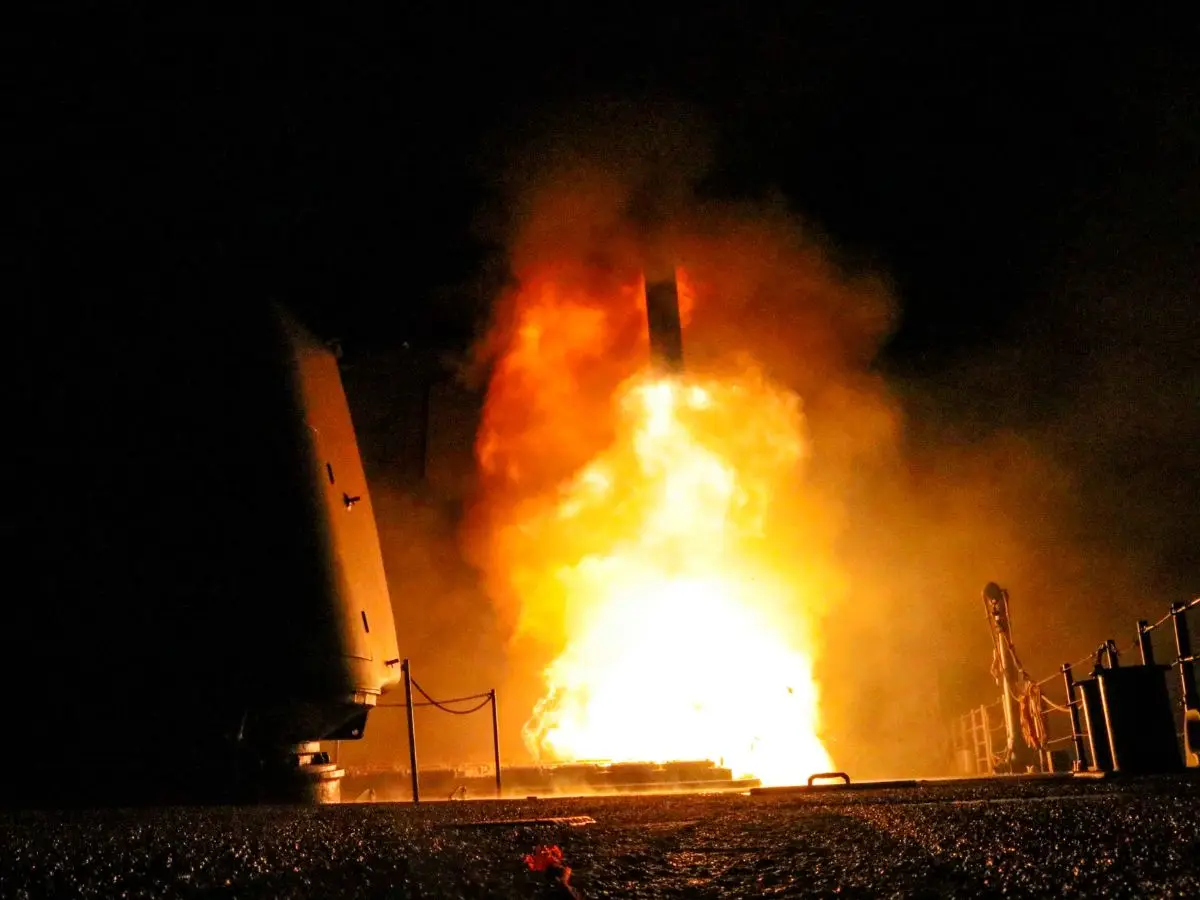
The United States has directly entered the Israel-Iran conflict, targeting key Iranian nuclear facilities with Tomahawk cruise missiles and GBU-57 bunker busters. The strikes which were ordered by US President Donald Trump hit Natanz, Fordow, and Isfahan, some of Iran’s most fortified nuclear sites. The move signals a major escalation in an already tense regional conflict, and places renewed focus on the cruise missile that has become a hallmark of American long-range strike capability. "The strikes were a spectacular military success," Trump said in a televised address. "Iran's key nuclear enrichment facilities have been completely and totally obliterated."
What Is a Tomahawk Missile?
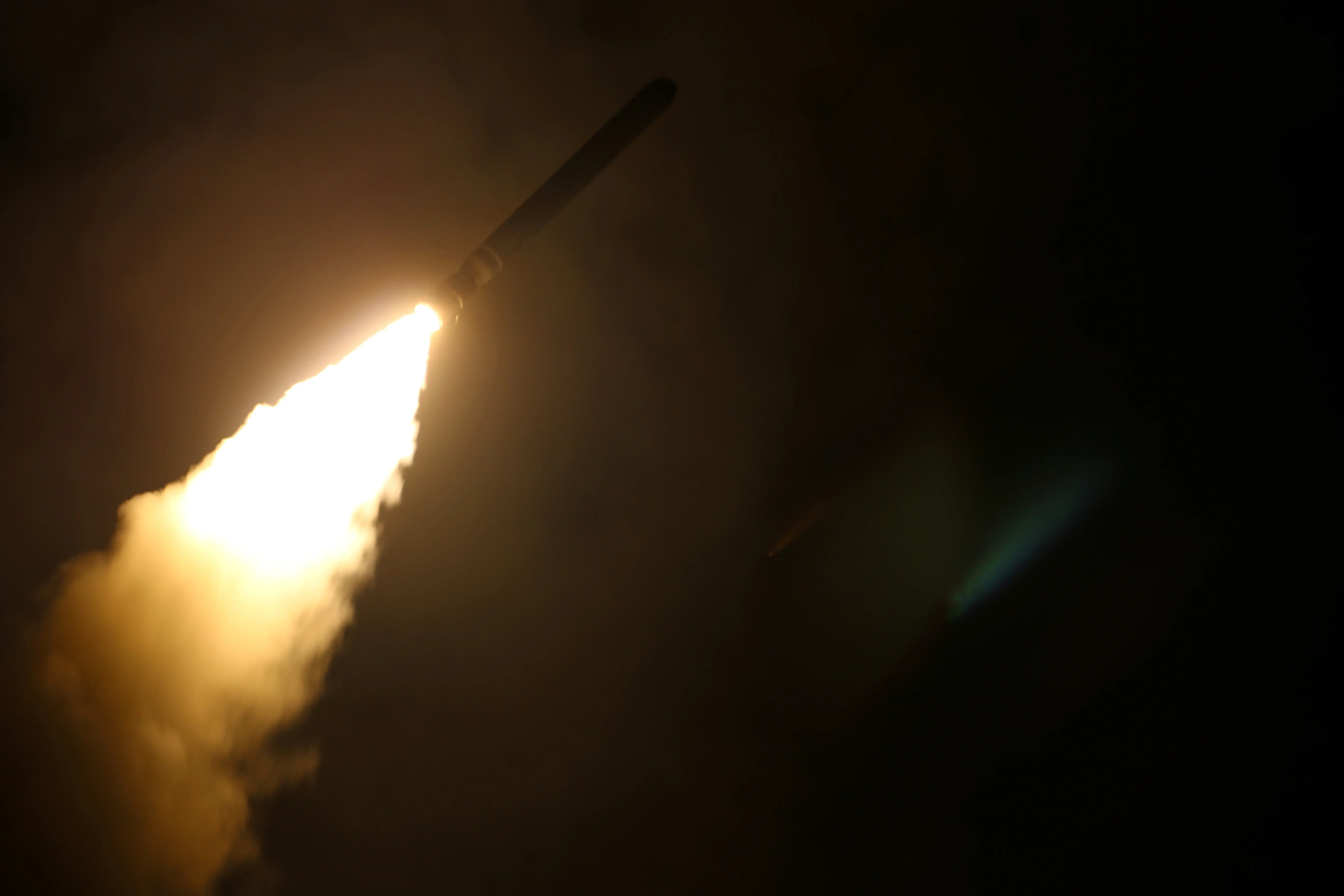
The Tomahawk Land Attack Missile (TLAM) is a subsonic, long-range cruise missile developed for precise strikes on land targets. These missiles are used by the US Navy and the UK Royal Navy, it can be launched from both submarines and surface ships. Designed during the Cold War, it entered service in 1983.

Design and Capabilities
The missile measures 5.6 metres in length, weighs over 1,600 kg (with booster), and carries a 450–1,000 kg warhead. It flies at around 880 km/h (Mach 0.74), skimming close to the ground to evade radar. Modern variants can travel up to 2,500 km, making them one of the most effective tools for deep precision strikes without risking pilots.
Navigation and Accuracy
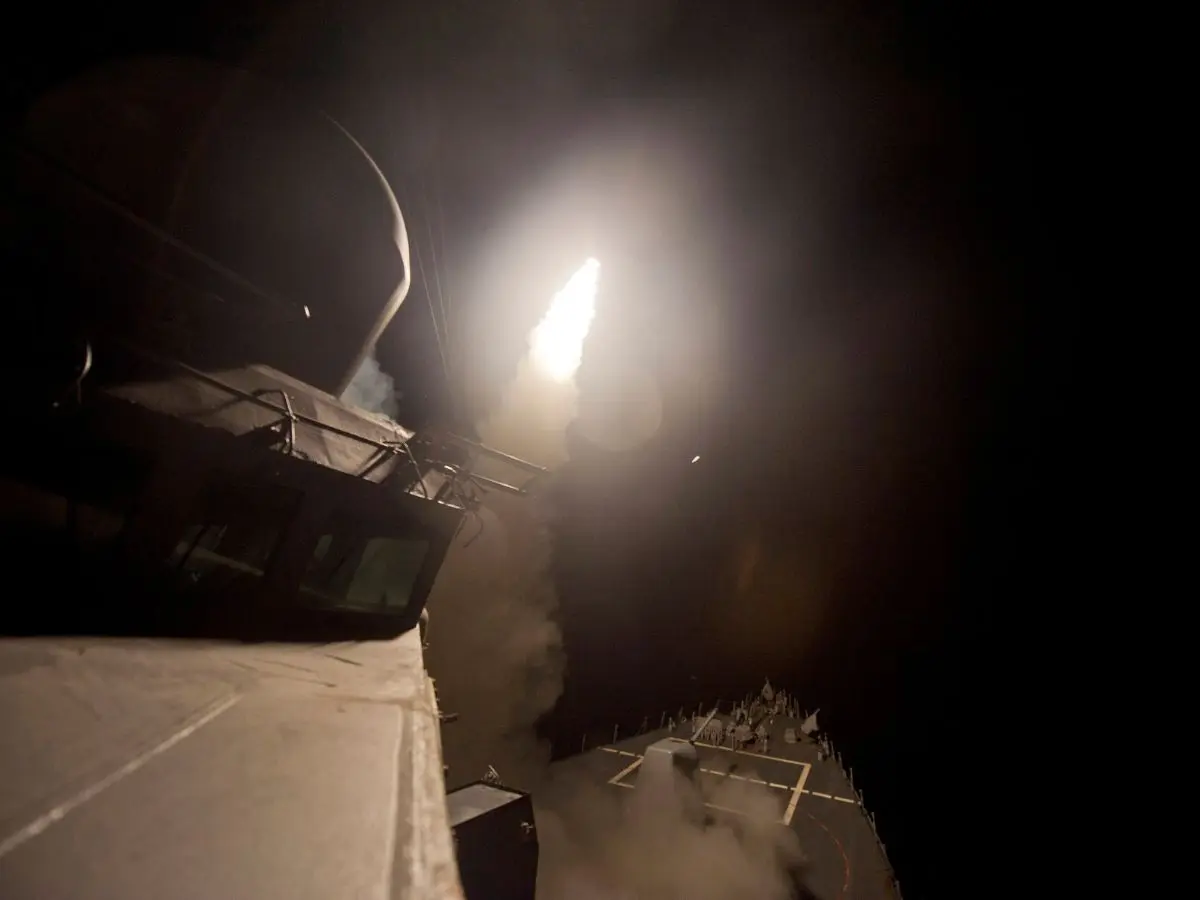
Tomahawks use a combination of GPS, Inertial Navigation System (INS), and Terrain Contour Matching (TERCOM) to stay on course. A visual recognition system called DSMAC (Digital Scene Matching Area Correlation) refines final targeting. Later models include satellite data links to retarget mid-flight or abort missions.
Combat History
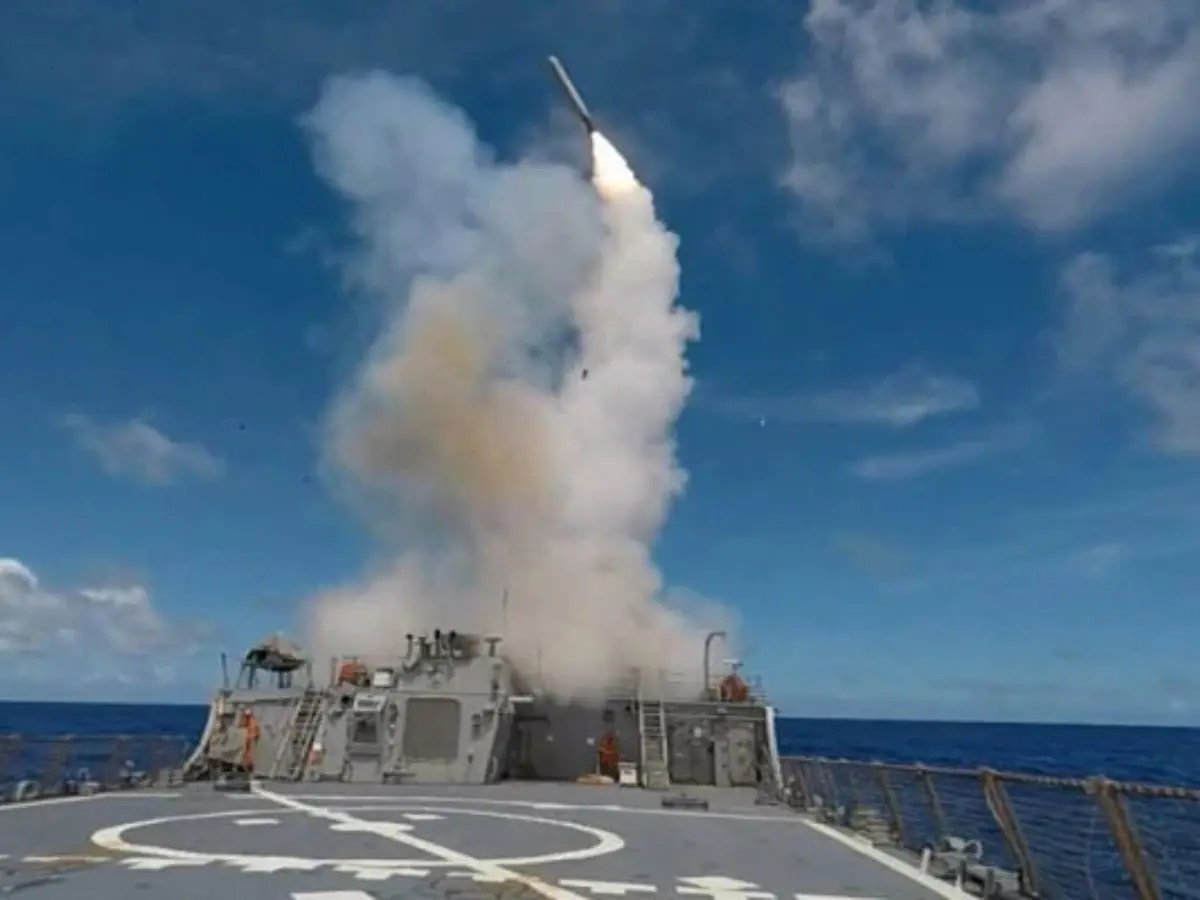
Tomahawks have been a staple in major US operations:
1991 Gulf War: 280+ used
2003 Iraq War: Hundreds launched
Syria (2017 & 2018): 59 and 105 missiles used
Libya (2011): Deployed in NATO intervention
They are valued for delivering precision from long distances with minimal risk to personnel.

The Iran Strikes
In the latest strikes, six GBU-57 bunker busters hit Fordow, while 30 Tomahawks were launched at Natanz and Isfahan from US submarines 400 miles offshore. Trump claimed the strikes were a warning, with “harsher attacks” possible if Iran refuses negotiations.

Strategic Role
The Tomahawk’s low altitude flight and terrain-hugging path make it ideal for targeting heavily defended or fortified positions. With an updated Block V version now capable of striking naval targets, it remains a central element of US force projection.
)
)
)
)
)