What are the benefits of PNG over an LPG gas cylinder?

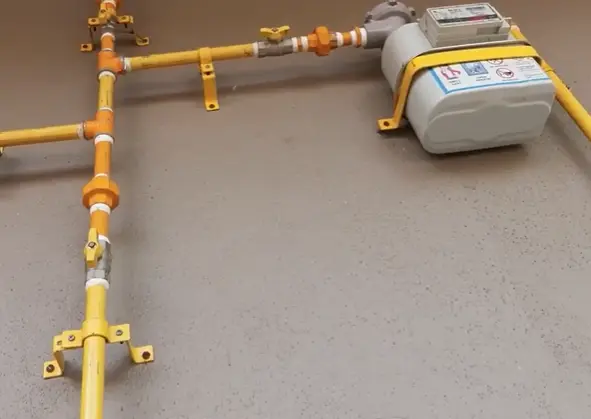
The Hormuz blockade has disrupted LPG supplies, making PNG another cooking alternative. Piped gas offers an uninterrupted 24/7 supply, post-paid billing, and superior safety because it safely dissipates into the air during a leak.
Shielding Against Global Shocks
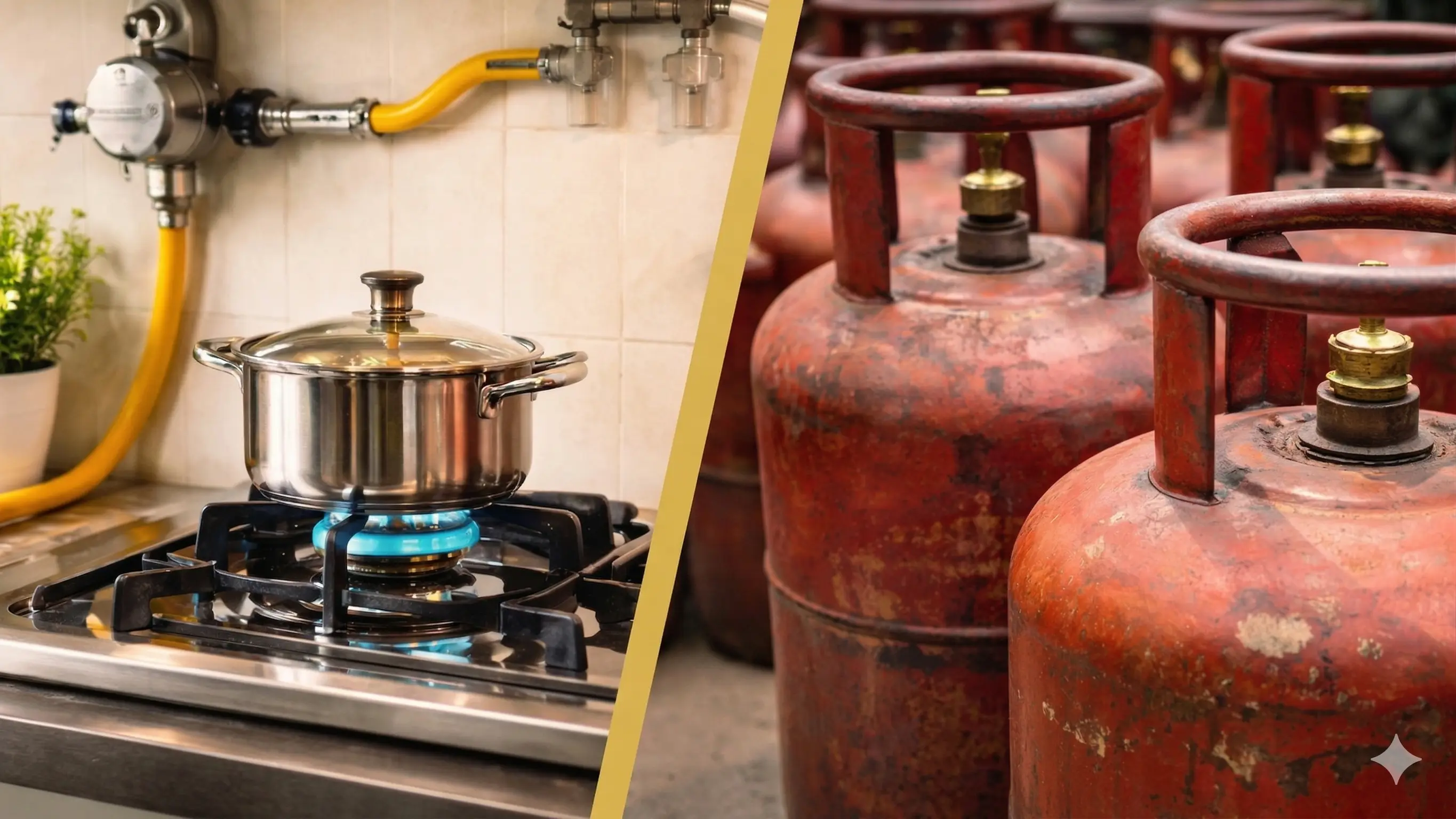
With roughly 60 per cent of India's LPG requirements relying on imports, the Hormuz blockade has triggered severe cylinder shortages. PNG heavily relies on domestic gas fields and diversified LNG supply chains, completely insulating your kitchen from Middle Eastern geopolitical crises.
An Uninterrupted 24/7 Supply
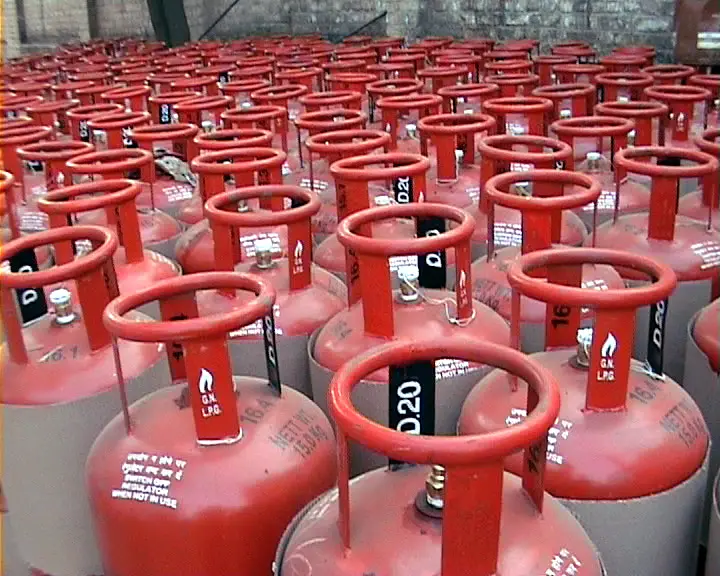
LPG cylinders inevitably run out, often at the most inconvenient times, requiring constant monitoring and manual rebooking. PNG flows continuously through an underground pipeline network, ensuring a 24-hour uninterrupted fuel supply without the anxiety of a sudden empty tank.
Safer in Emergencies
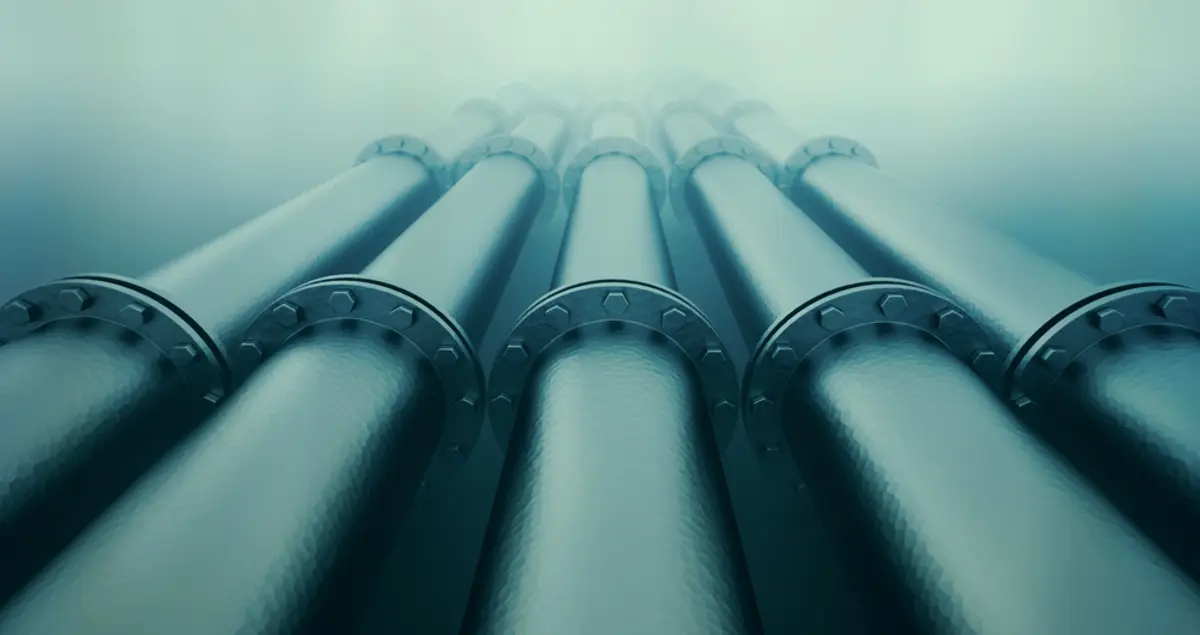
LPG is heavier than air and settles dangerously on the kitchen floor during a leak, creating a massive explosion risk. Conversely, PNG is significantly lighter than air, meaning any accidental leak instantly rises and safely dissipates through standard kitchen ventilation.
Freeing Up Kitchen Space
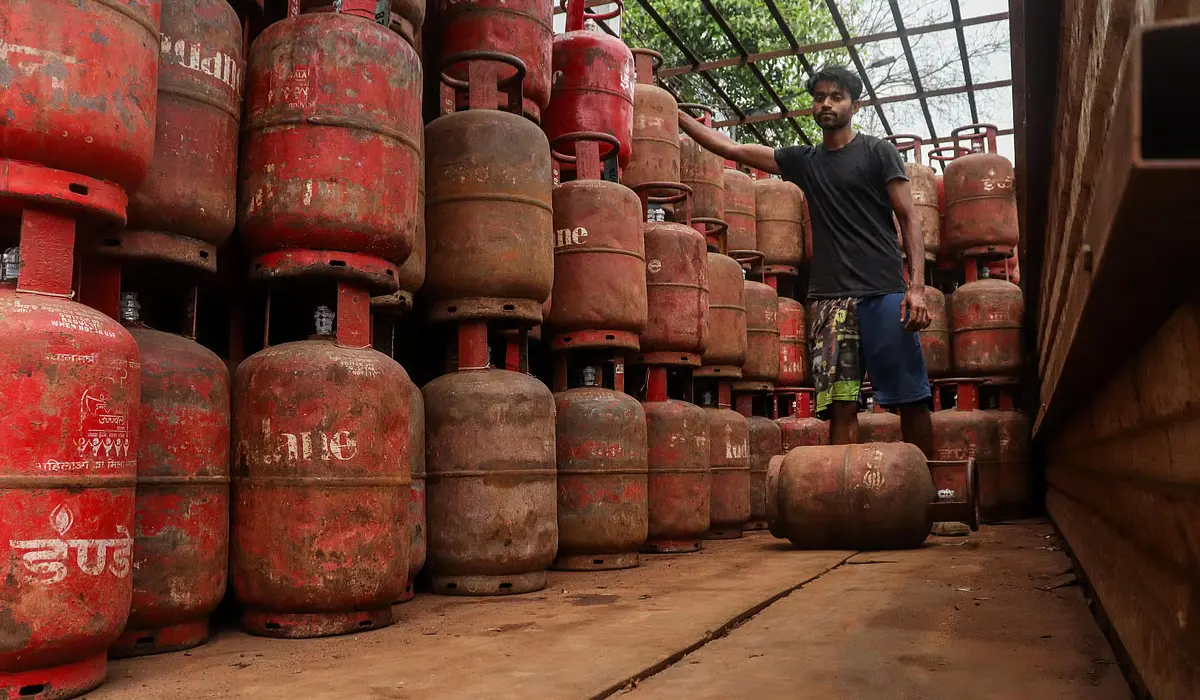
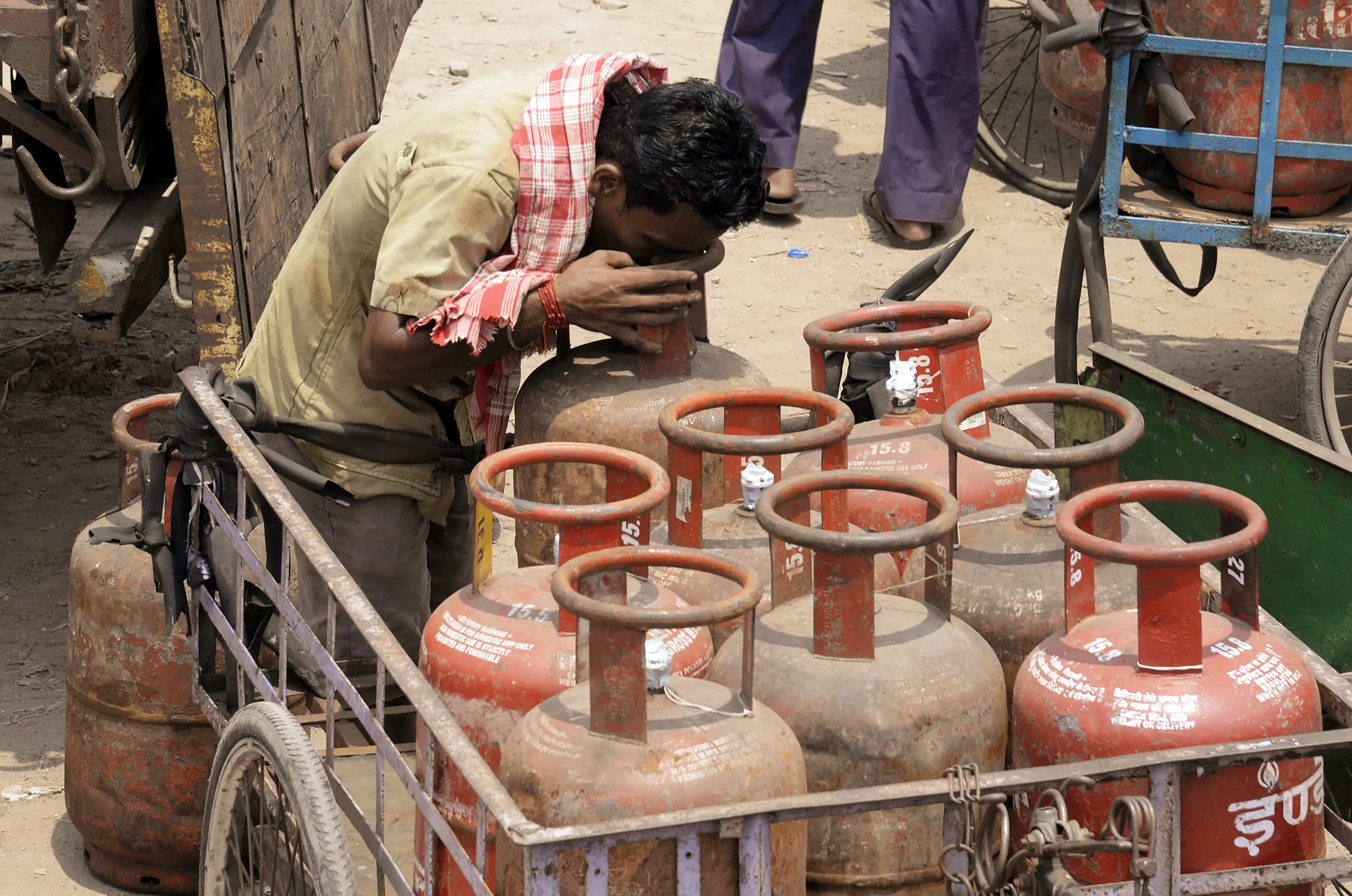
A standard 14.2-kilogram LPG cylinder occupies substantial and valuable floor space in modern, compact urban kitchens. Switching to a wall-mounted PNG pipe permanently reclaims this area, instantly making the cooking environment more spacious and aesthetically pleasing.
Pay Only for What You Use
LPG consumers must pay upfront for a full cylinder, regardless of their actual monthly consumption or sudden price drops. PNG operates on a transparent post-paid metre system, ensuring households are billed exclusively for the exact volume of gas burned.
Eliminating Cylinder Tampering
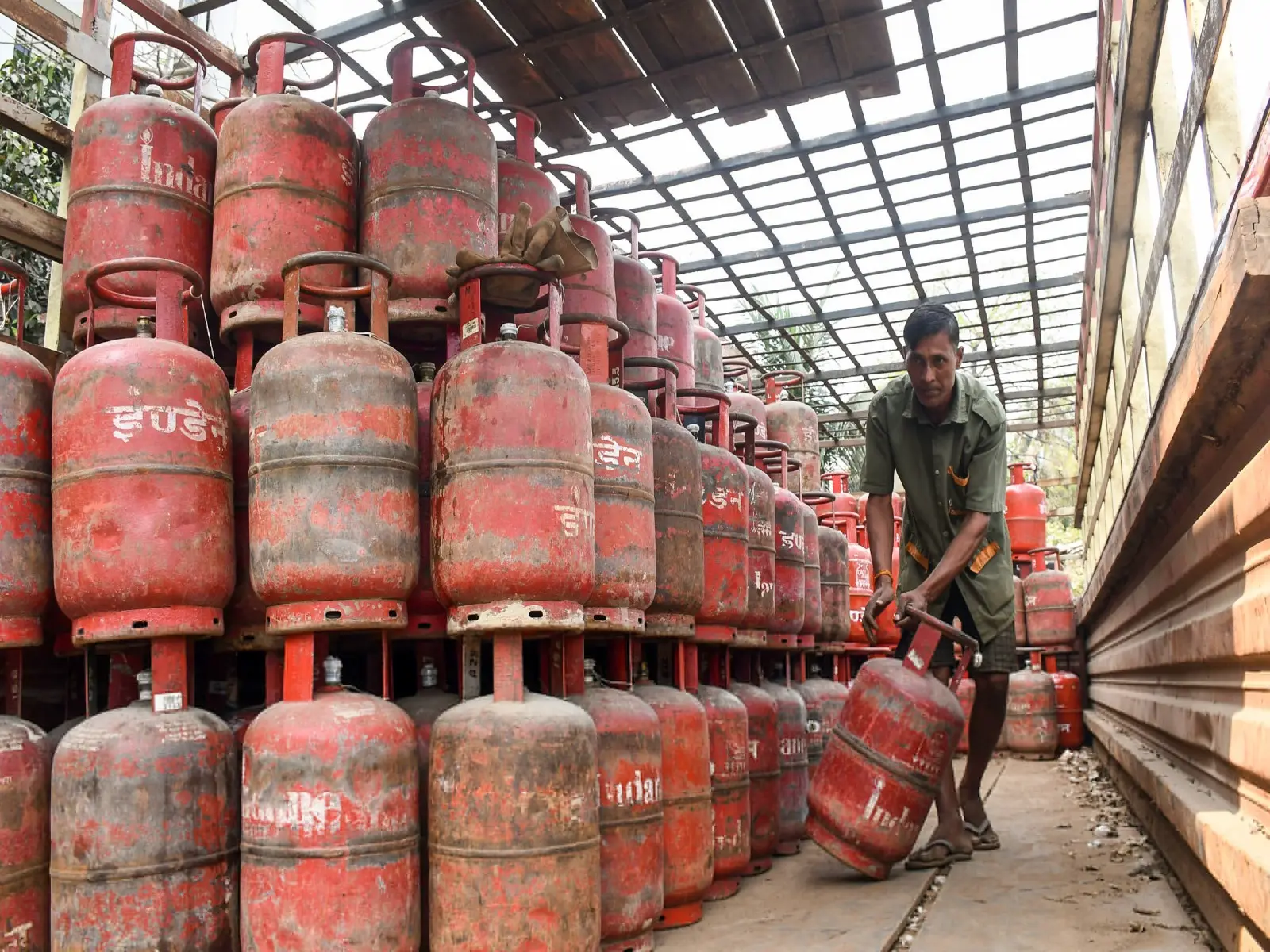
The traditional LPG supply chain is notoriously plagued by cylinder theft, illegal commercial diversion, and under-weighing by delivery agents. A direct PNG pipeline eliminates all middlemen from the delivery process, guaranteeing that consumers receive exactly what they pay for.
A Cleaner Carbon Footprint
PNG burns cleanly and leaves absolutely no soot, ash, or harmful particulate matter behind in your kitchen. This highly efficient combustion prolongs the lifespan of expensive cooking appliances while significantly reducing the household's overall carbon emissions.
)
)
)
)
)