What are Tamir missiles and why does Israel rely on them for Iron Dome System?

According to RTX's official website, the electro-optical sensors and steering fins, combined with a proximity-fuzed warhead, allow these interceptors to destroy incoming threats mid-air.
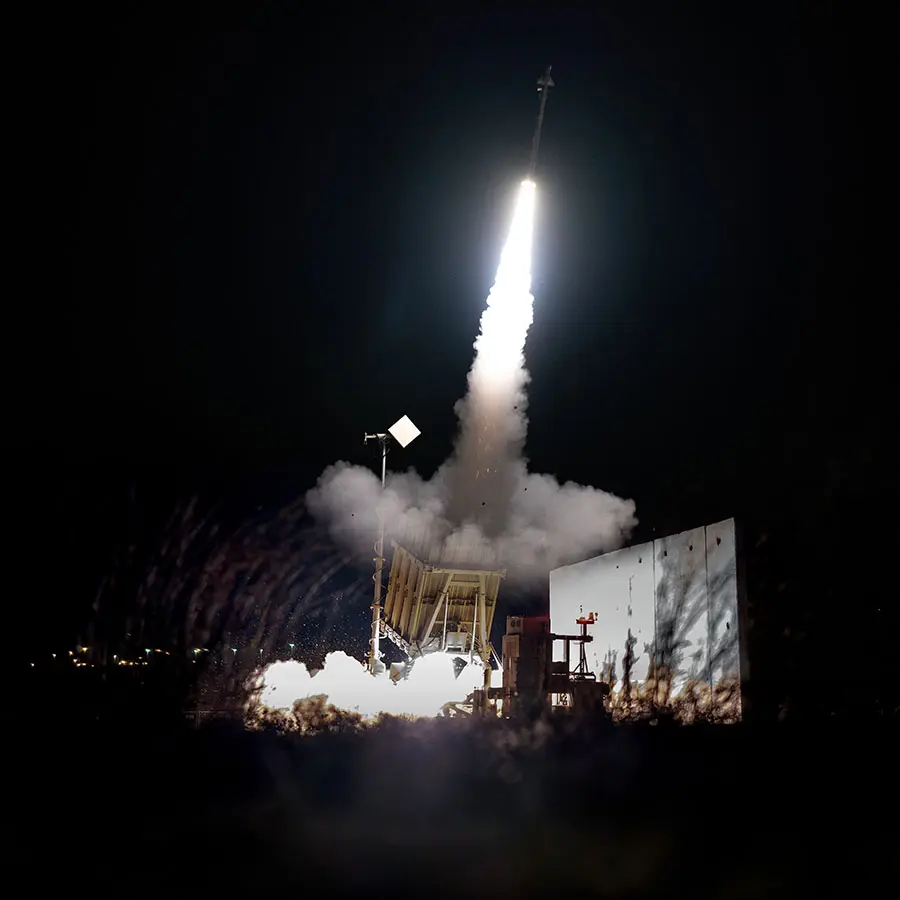
Israel’s Shield Against Short-Range Threats
Israel’s Iron Dome system, in operation since 2011, is often known as the most deployed air defence system in the world. According to Rafael Advanced Defense Systems' official website, it has intercepted more than 5,000 rockets with an over 90 per cent success rate. At the heart of this system is the Tamir missile. But what makes these missiles so important? Let's understand.
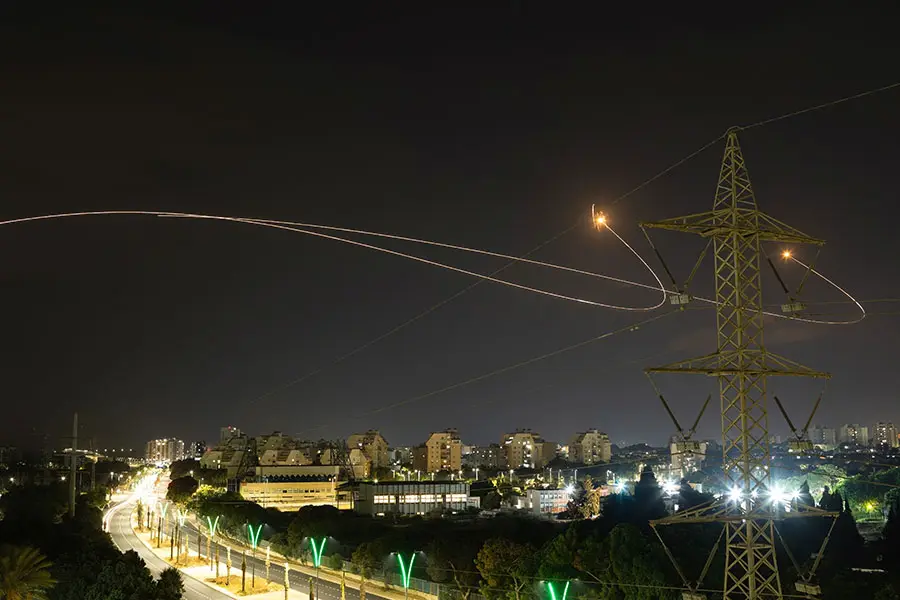
The Role of International Partnerships
Tamir missiles are jointly produced by Rafael Advanced Defense Systems and Raytheon (RTX). Recently, in November, RTX announced that a joint venture, Raytheon-Rafael Protection Systems (R2S), recently signed a $1.25 billion contract to supply Israel with additional Tamir missiles
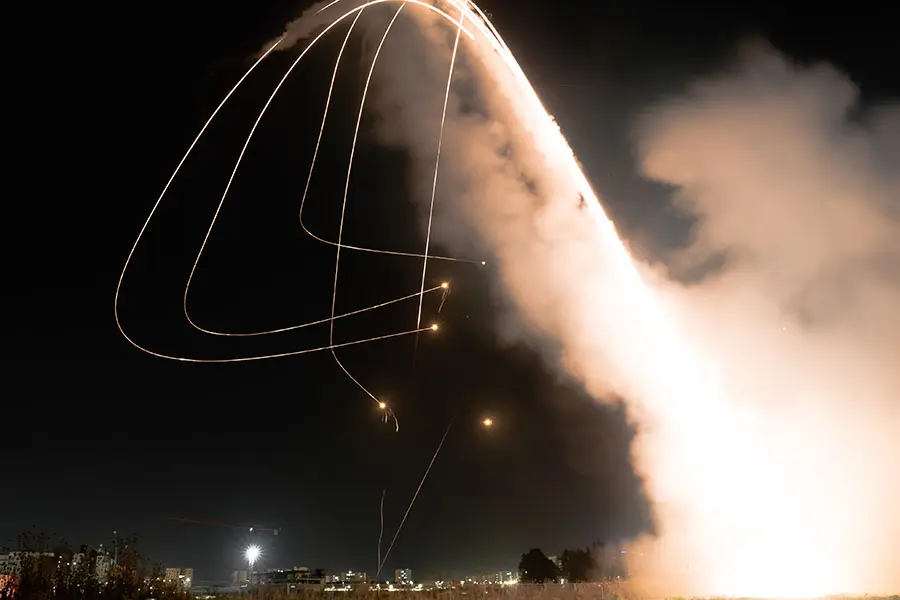
The Tamir Missile: Design and Specifications
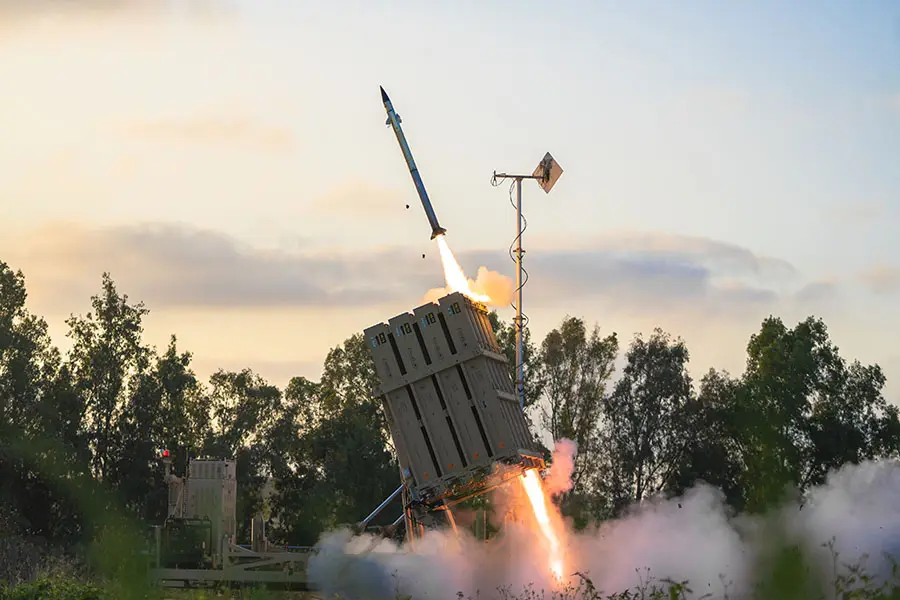
Tamir missile is a short-range interceptor which is specifically designed to neutralise rockets, artillery shells, and drones. These missiles measure three metres in length, 160 mm in diameter, and weighs approximately 90 kg, carrying an 11 kg high-explosive blast-fragmentation warhead, according to Britannica. According to RTX's official website, the electro-optical sensors and steering fins, combined with a proximity-fuzed warhead, allow these interceptors to destroy incoming threats mid-air.
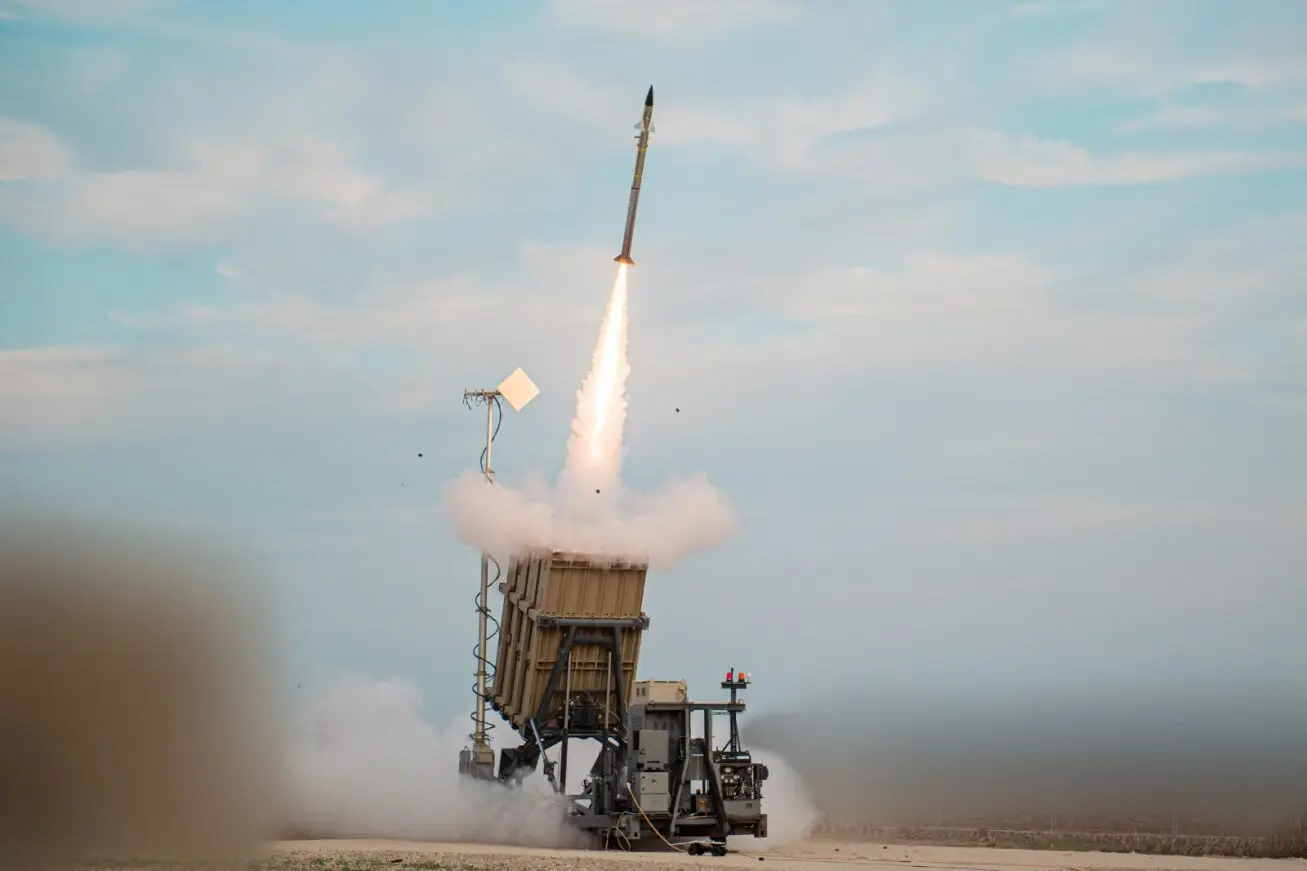
Operational Range and Capabilities
The majority of Tamir missile components are procured through the Raytheon supply chain in the United States. These missiles can engage targets launched from 4 to 70 km away, offering a flexible defensive envelope against short-range aerial threats.
Integration in Iron Dome Batteries
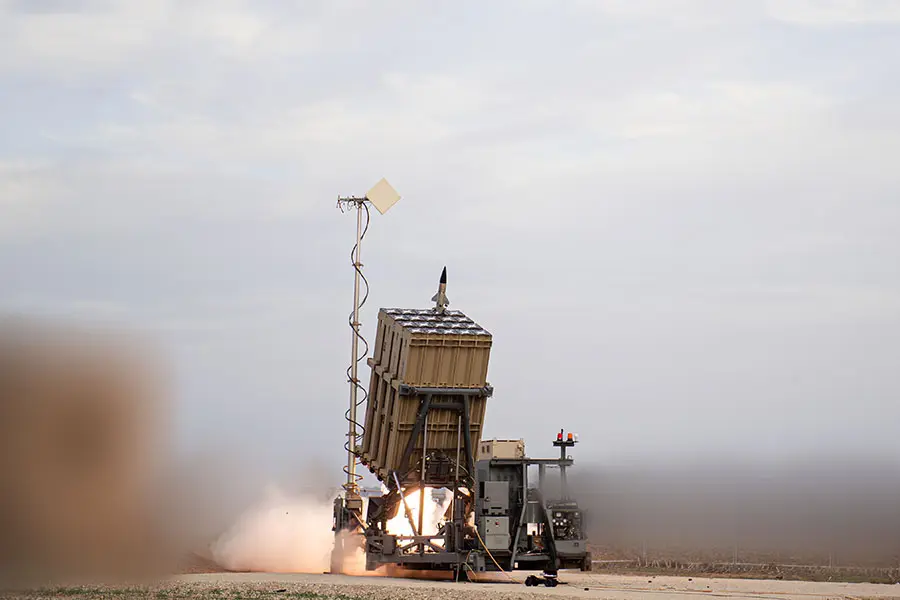
According to RTX, ten Iron Dome batteries currently protect Israel, with each comprising three to four stationary launchers, 20 Tamir missiles, and a battlefield radar. Each of these batteries can defend nearly 60 square miles, with launchers strategically placed to protect populated areas. The system intelligently ignores threats predicted to fall in uninhabited zones, reducing unnecessary missile launches and operational costs.
Cost-Effectiveness of Tamir Missiles
Tamir missiles are comparatively cost-effective for advanced air defence, with each interceptor estimated at around $40,000- $50,000, according to multiple media reports. By engaging only threats targeting populated areas, Iron Dome limits its missile usage while maintaining high success rates, making the system both efficient and economical.
)
)
)
)
)