Qader cruise missile vs. USS Abraham Lincoln strike group: How Iran’s precision weapon works, could it really threaten US warship?

Iranian Navy chief Admiral Shahram Irani said the group’s movements were 'constantly being monitored' and warned that 'as soon as this hostile fleet comes within range of our missile systems, it will be subjected to powerful strikes'. The United States has not confirmed the claim.
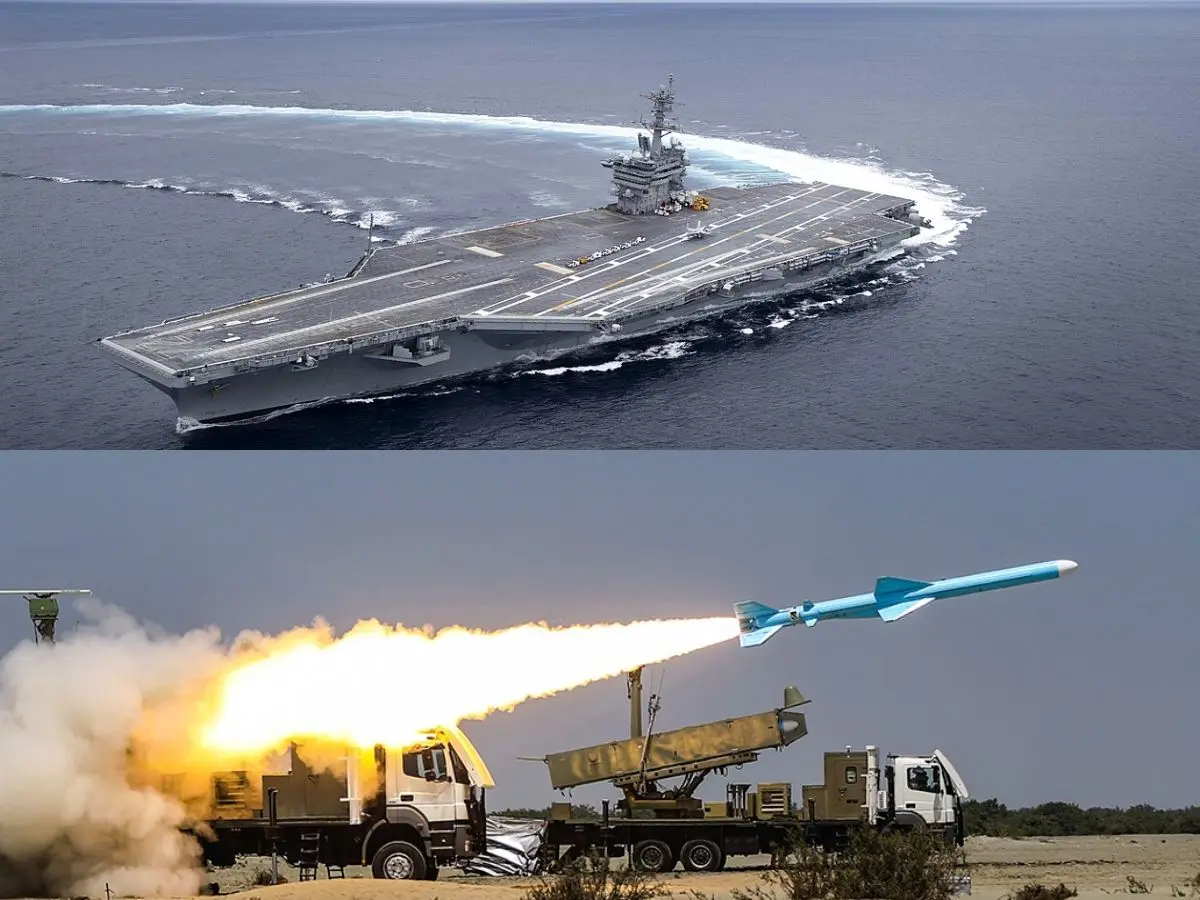
A reported strike draws focus to Iran’s missile arsenal
Iran fired cruise missiles at the USS Abraham Lincoln aircraft carrier, its military said in a statement aired on state television, warning of further strikes if the carrier group enters range. The statement said Iranian Navy Qader cruise missiles targeted the US vessel and forced it to change position. Navy chief Admiral Shahram Irani said the group’s movements were 'constantly being monitored' and warned that 'as soon as this hostile fleet comes within range of our missile systems, it will be subjected to powerful strikes'. The United States has not confirmed the claim.
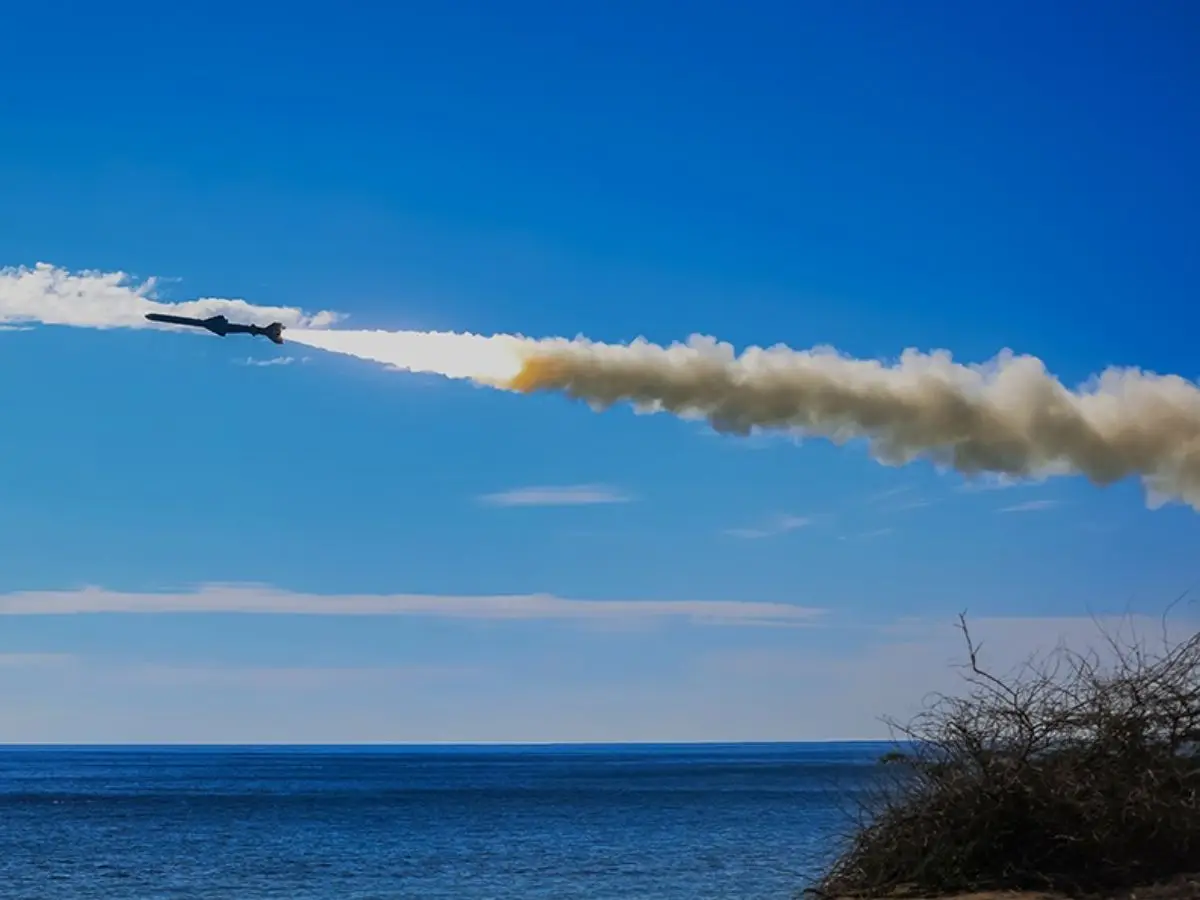
What are Qader cruise missiles?
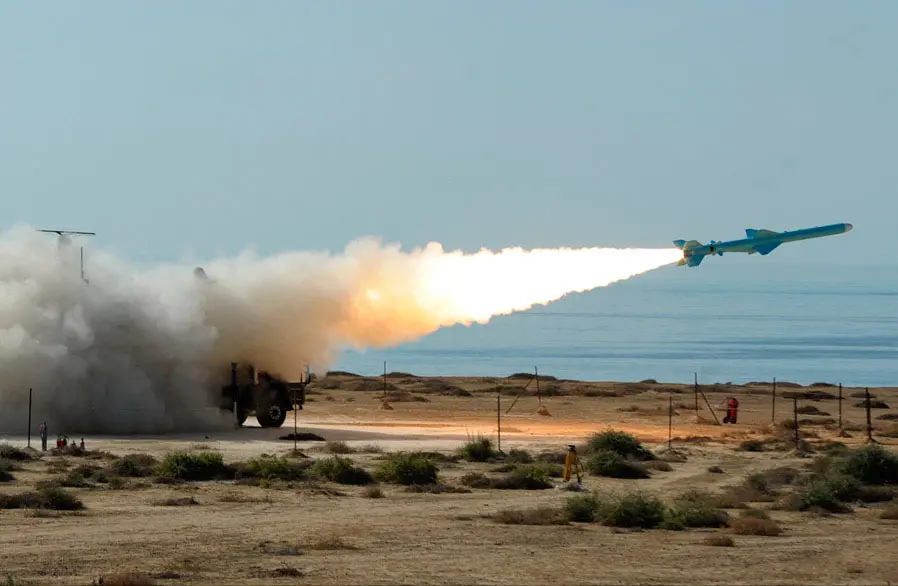
The Qader is a medium-range shore-based anti-ship cruise missile developed by Iran and deployed by its naval forces. It is designed specifically to strike warships and maritime targets, forming a key part of Iran’s coastal defence systems. The missile is an upgraded version of the Noor, itself based on earlier Chinese designs.
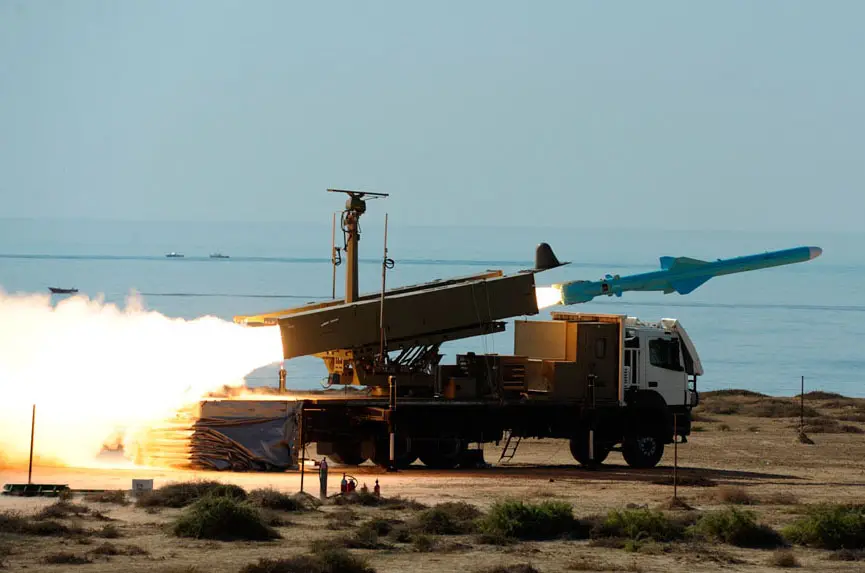
Range and strike capability
The Qader missile has a reported range of 120-300 kilometres, allowing it to target vessels operating well beyond Iran’s immediate coastline. Iranian military statements cited in media reports say such missiles can engage targets like aircraft carriers if they enter operational range.
How the missile operates
As a cruise missile, the Qader flies at low altitude, often just a few metres above the sea surface, making detection more difficult. It uses a turbojet engine and active radar guidance in its final phase to lock onto targets. This 'sea-skimming' capability reduces reaction time for naval defences.
Warhead and destructive potential
The missile is believed to carry a warhead of roughly 200 kilograms of high explosive. While not comparable to large ballistic missiles, such a payload can cause significant damage to naval vessels, particularly if multiple missiles are fired in coordination.
Role in Iran’s wider strategy
Cruise missiles like the Qader are central to Iran’s asymmetric naval strategy. Such systems allow Iran to challenge larger naval forces by targeting high-value assets such as carriers and tankers. Their low flight path and precision make them difficult to intercept, especially in congested waterways like the Strait of Hormuz.
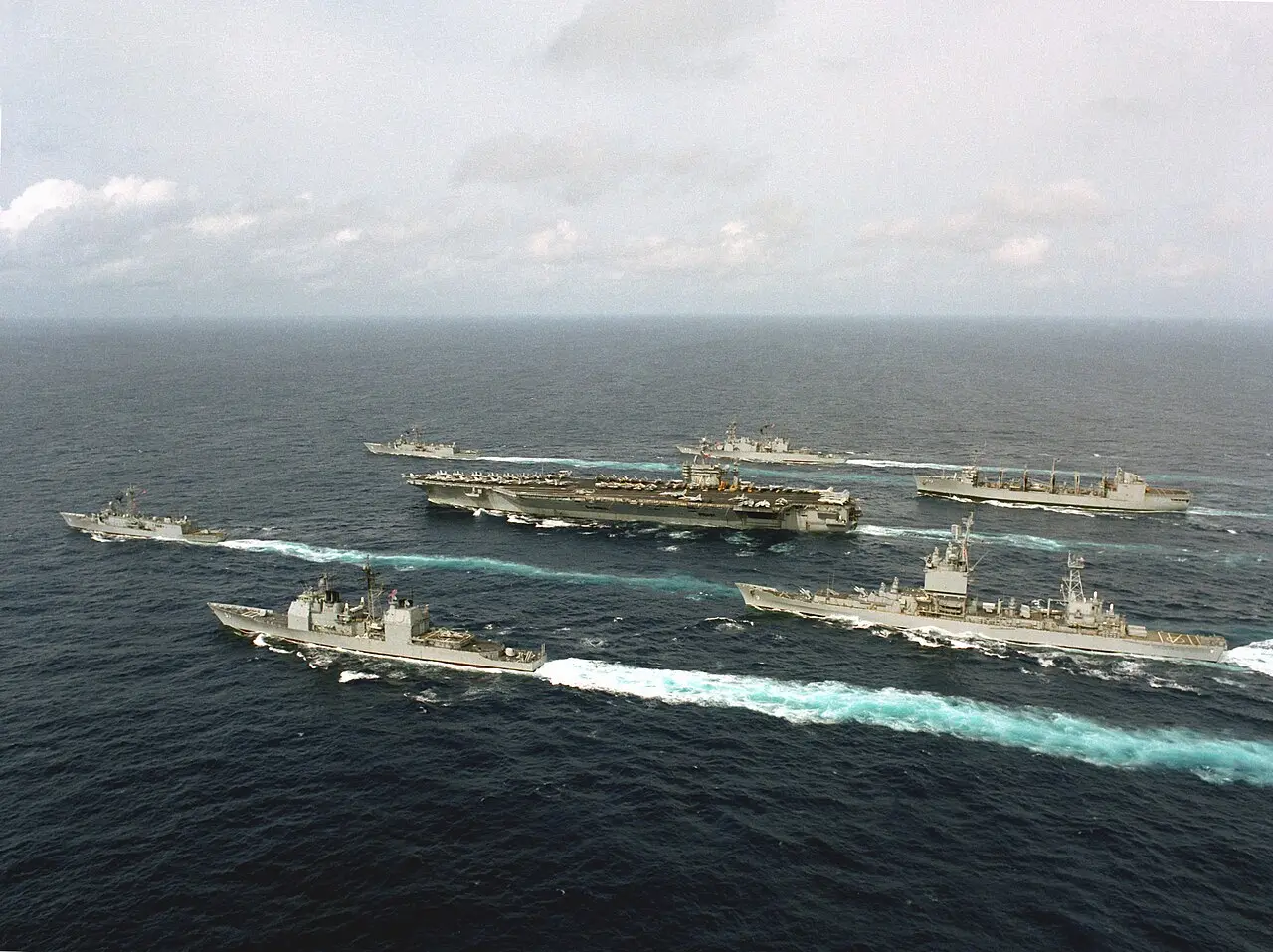
How USS Abraham Lincoln Protects Itself
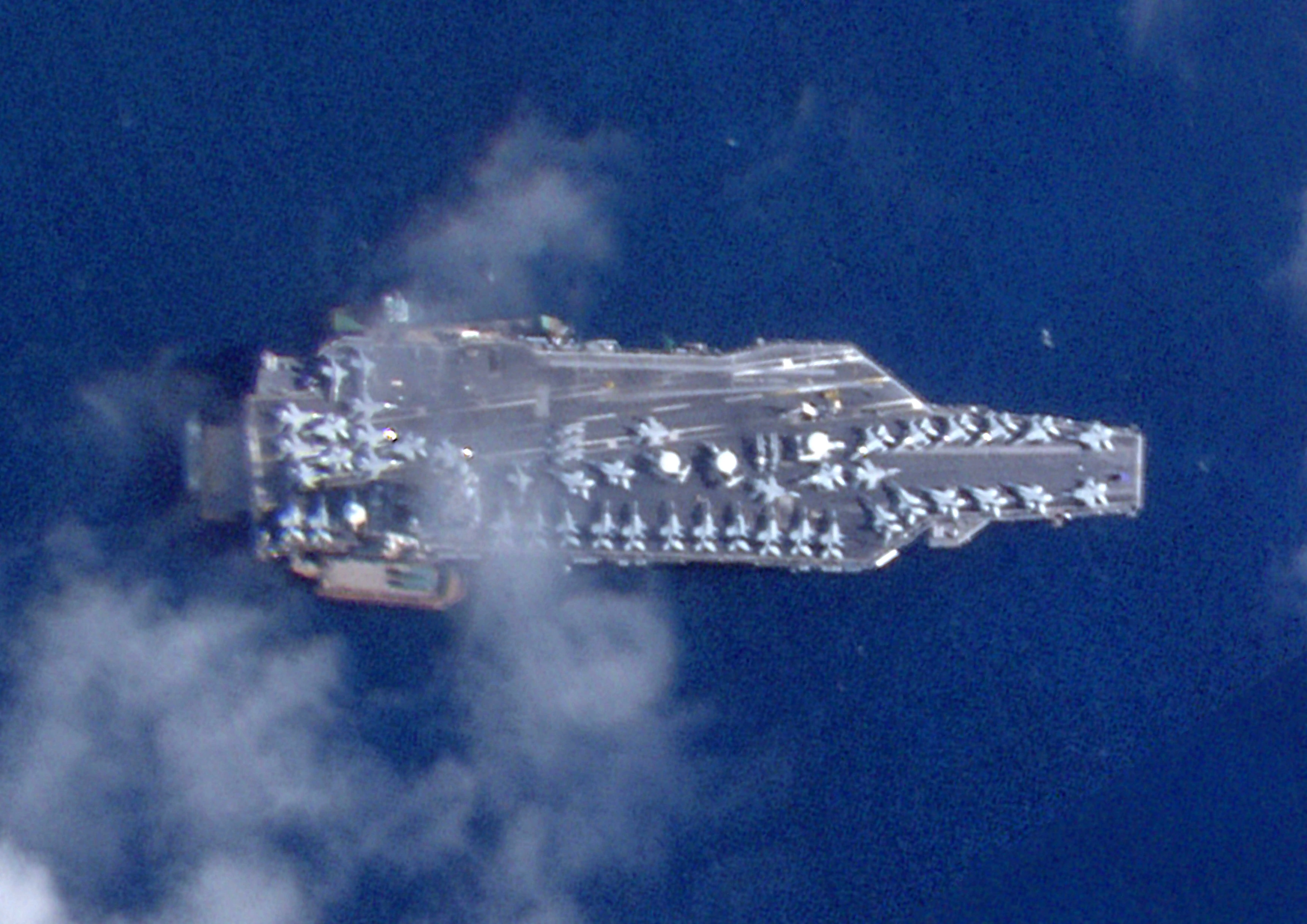
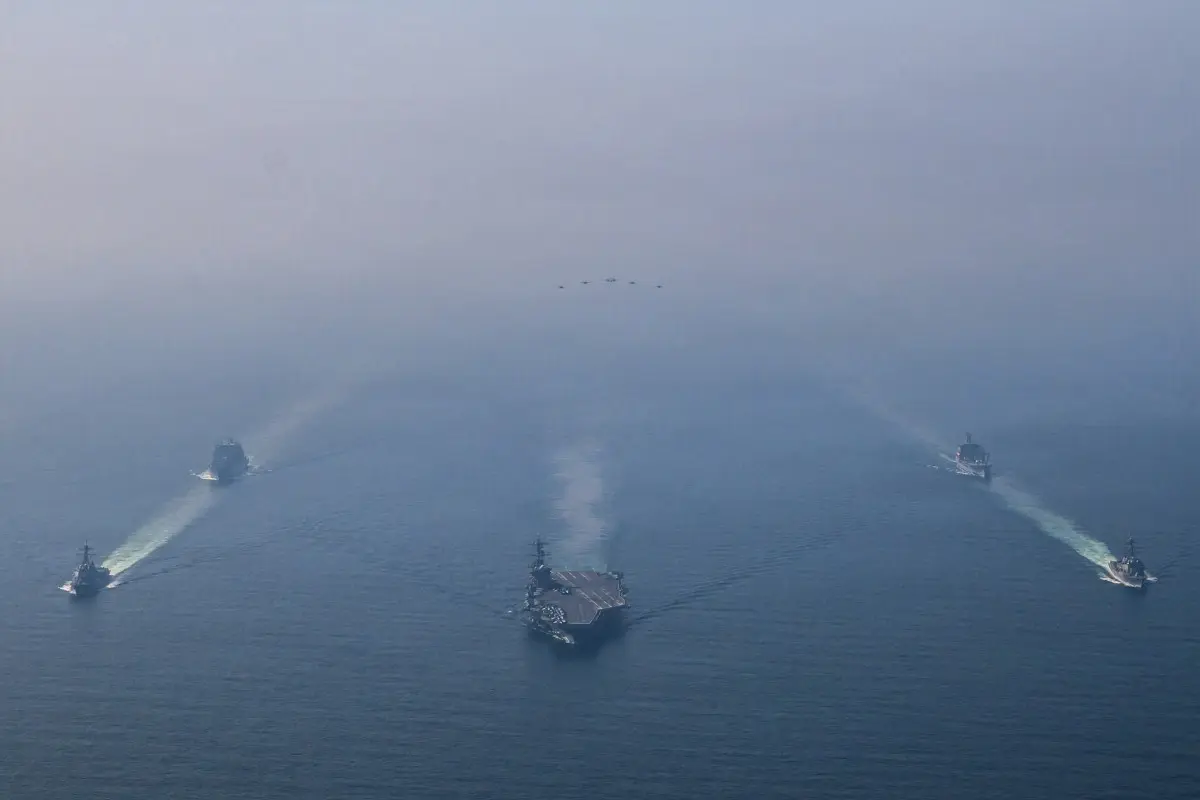
The USS Abraham Lincoln, a Nimitz-class aircraft carrier, defends itself through layered air, sea, and missile defences. Its primary protection comes from embarked carrier strike group aircraft, including F/A-18 fighters, E-2 Hawkeye early-warning planes, and electronic warfare jets, which detect and intercept threats at long range. Close-range threats are countered by Phalanx CIWS (Close-In Weapon Systems), Sea Sparrow missiles, and radar-guided guns. The carrier also relies on escort ships, such as Aegis-equipped destroyers and cruisers, for missile interception and anti-submarine protection. Electronic countermeasures, decoys, and operational manoeuvres further reduce vulnerability, making the carrier a highly defended floating fortress.
)
)
)
)
)