What are moonquakes and do they threaten future Moon missions? This is what Apollo missions revealed

Data from seismometers left by Apollo astronauts first uncovered these lunar tremors, revealing that the Moon is not as quiet as it was once assumed to be.
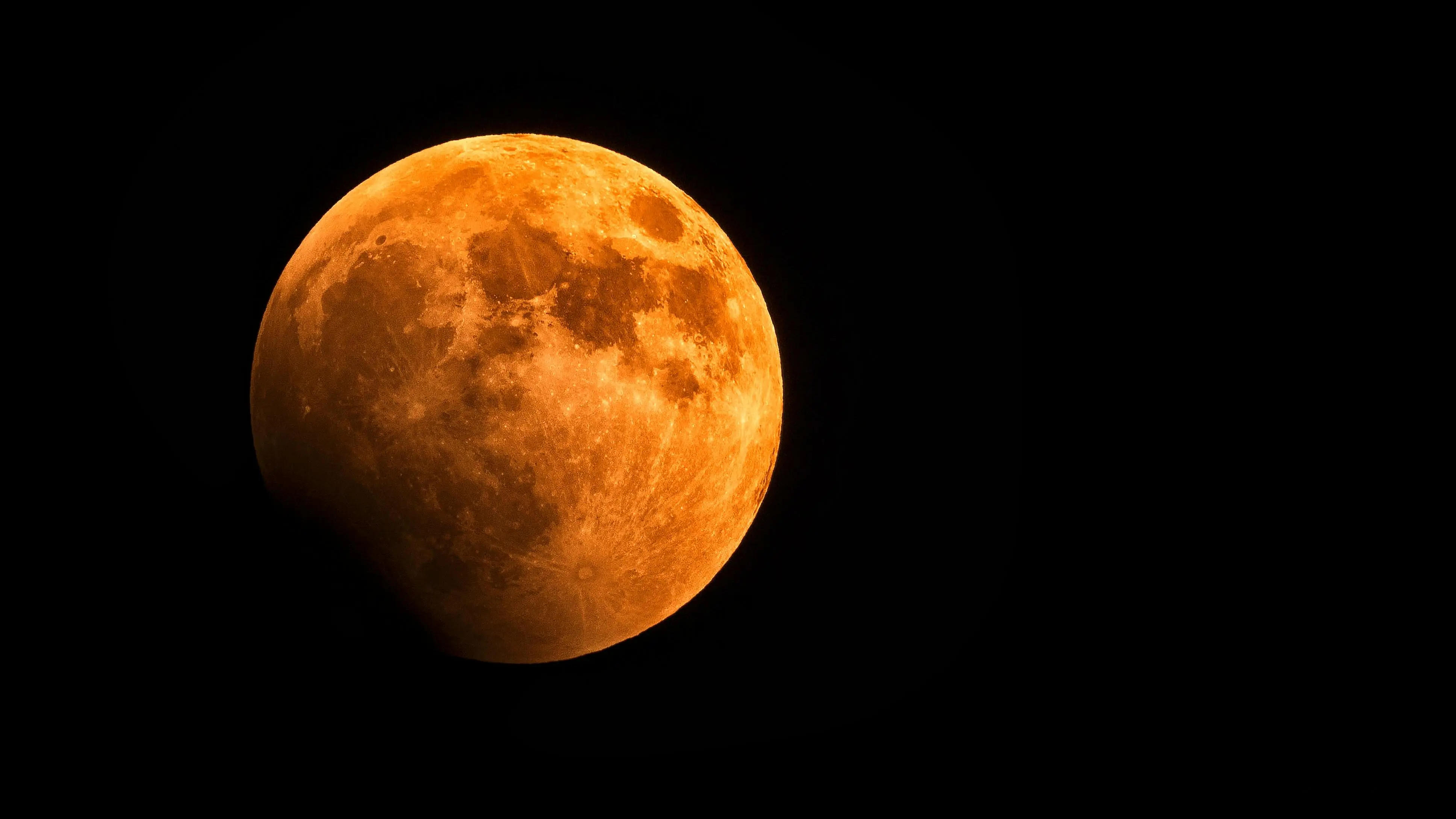
The Moon’s Subtle Tremors
Although long thought to be geologically dormant, the Moon experiences its own form of seismic activity known as moonquake. Unlike Earth’s earthquakes caused by moving tectonic plates, moonquakes arise from entirely different processes. Data from seismometers left by Apollo astronauts first uncovered these lunar tremors, revealing that the Moon is not as quiet as it was once assumed to be. These quakes offer important insights into the Moon’s interior and have implications for future exploration and habitation.
1. Types of Moonquakes
Moonquakes fall broadly into three categories. Deep moonquakes occur hundreds of miles beneath the surface of the moon, triggered by the tidal pull of Earth’s gravity tugging and stretching the Moon's internal structures. Shallow moonquakes originate near the surface, depths of 20-30 km and can be more intense. These are caused by the Moon shrinking as it cools, a process which has continued since the Moon first formed nearly 4.5 billion years ago. Finally, impacts from rocks on or near the surface, caused due to thermal expansion or contraction, produce surface quakes. The shallow quakes detected by Apollo instruments have been recorded at strengths up to around 5.5 on the Richter scale, and some shake the lunar ground for over ten minutes, far longer than typical terrestrial tremors.
2. What Apollo Missions Found
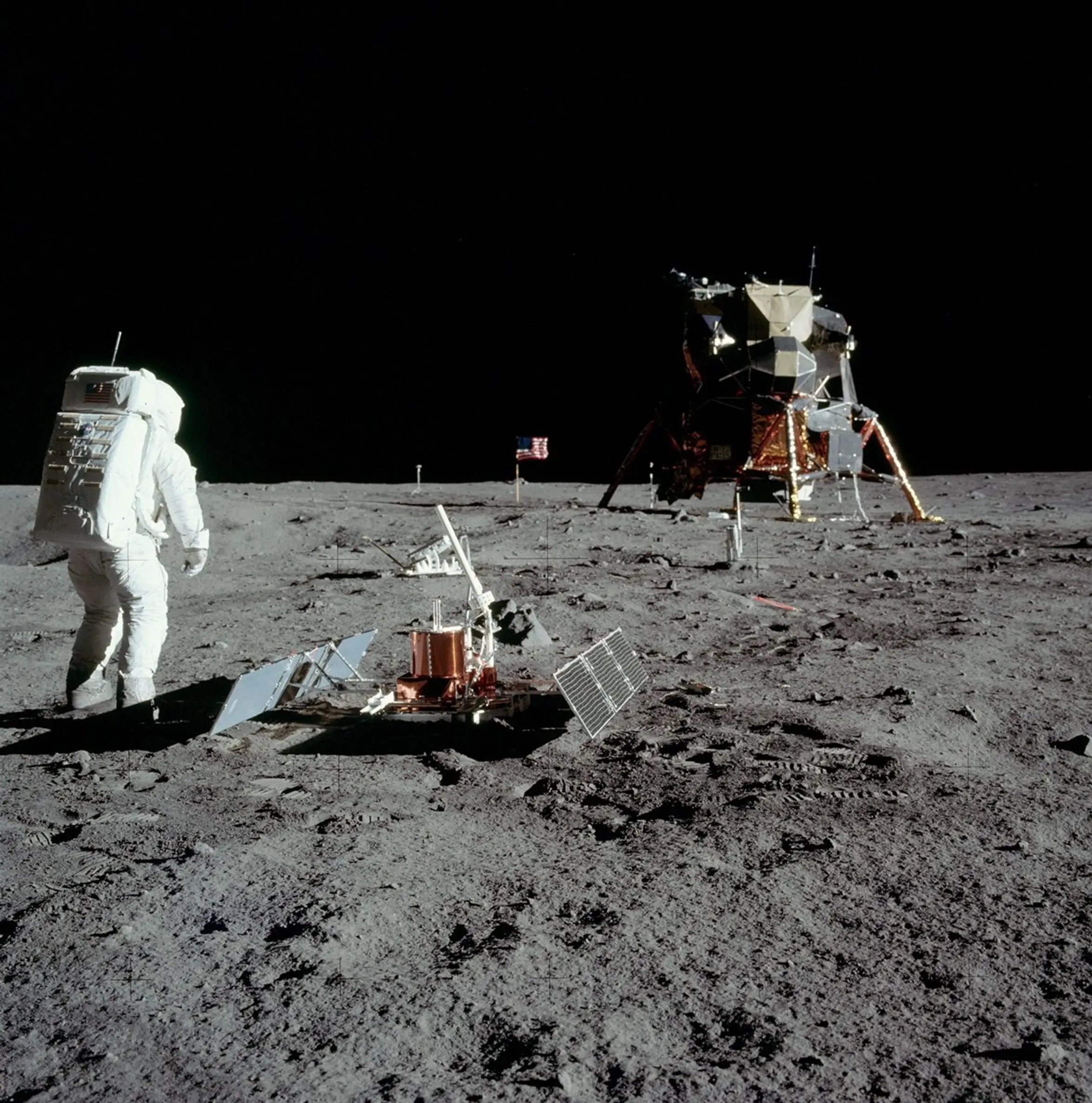
Astronauts placed seismometers across the lunar surface during the Apollo 11, 12, 14, 15, and 16 missions. These instruments detected 28 shallow moonquakes with magnitudes between about 2 and 5. These records marked the first direct evidence of persistent seismic activity on the Moon, challenging the idea that it was entirely inactive.
3. Cause: A Shrinking Moon
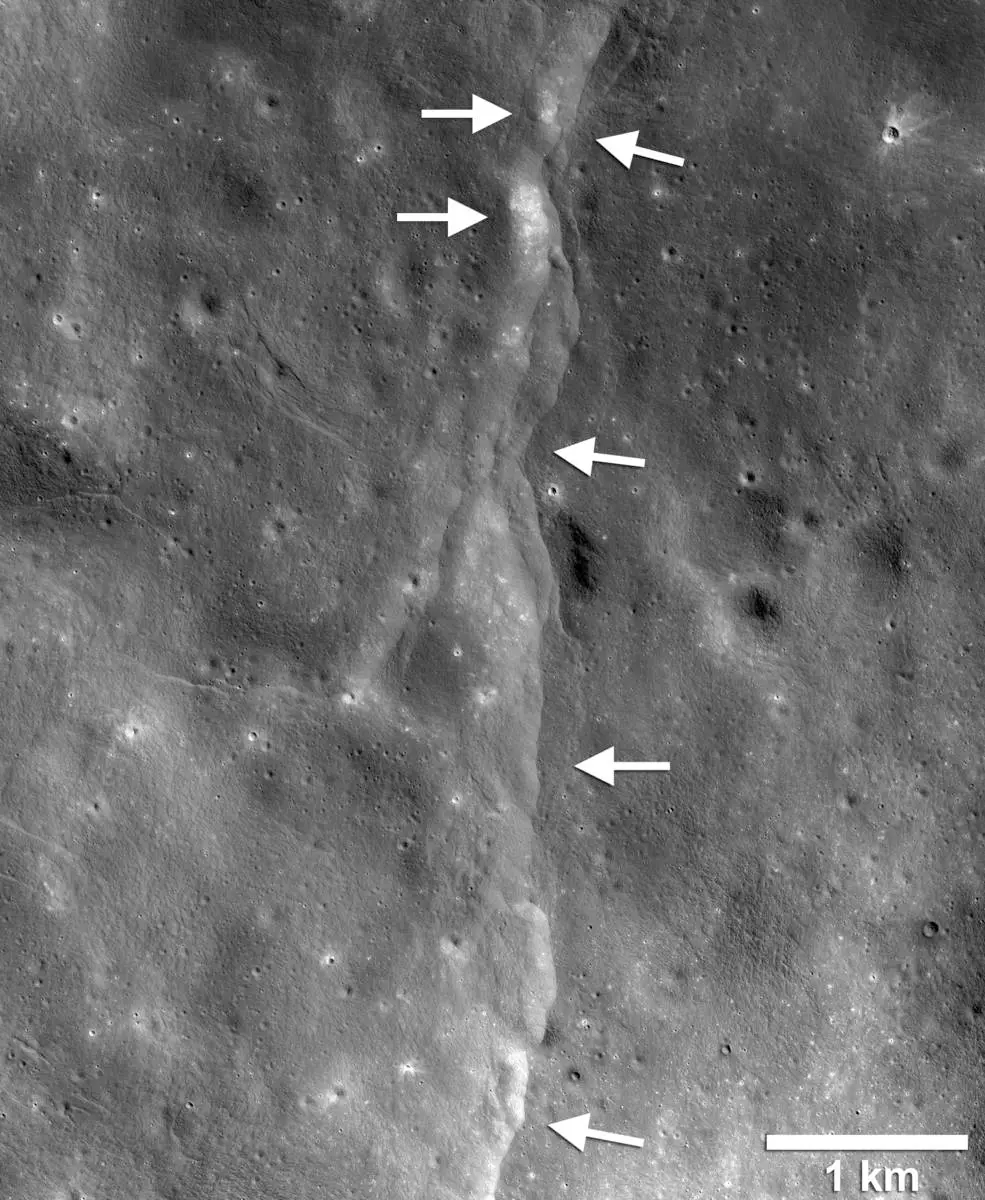
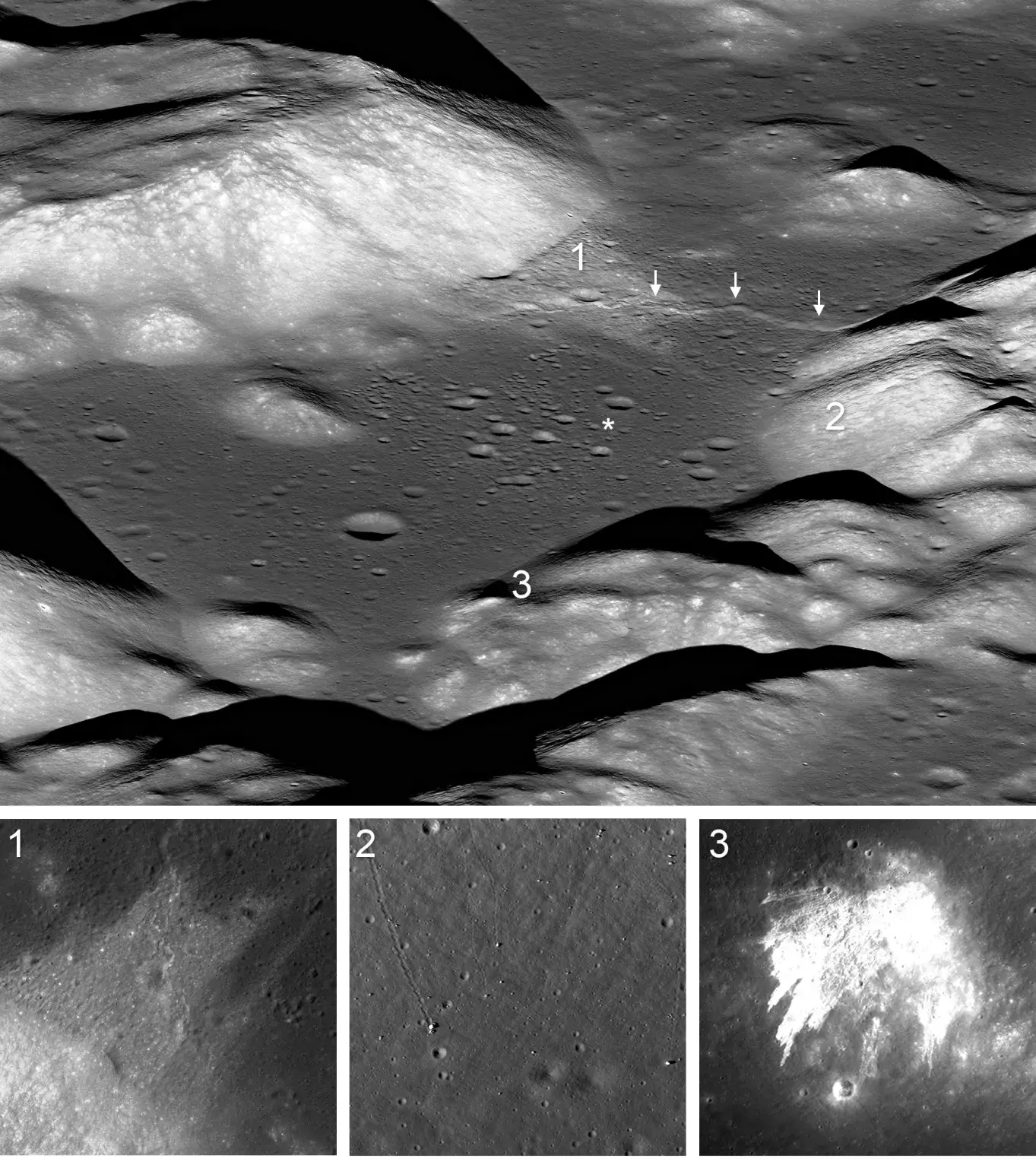
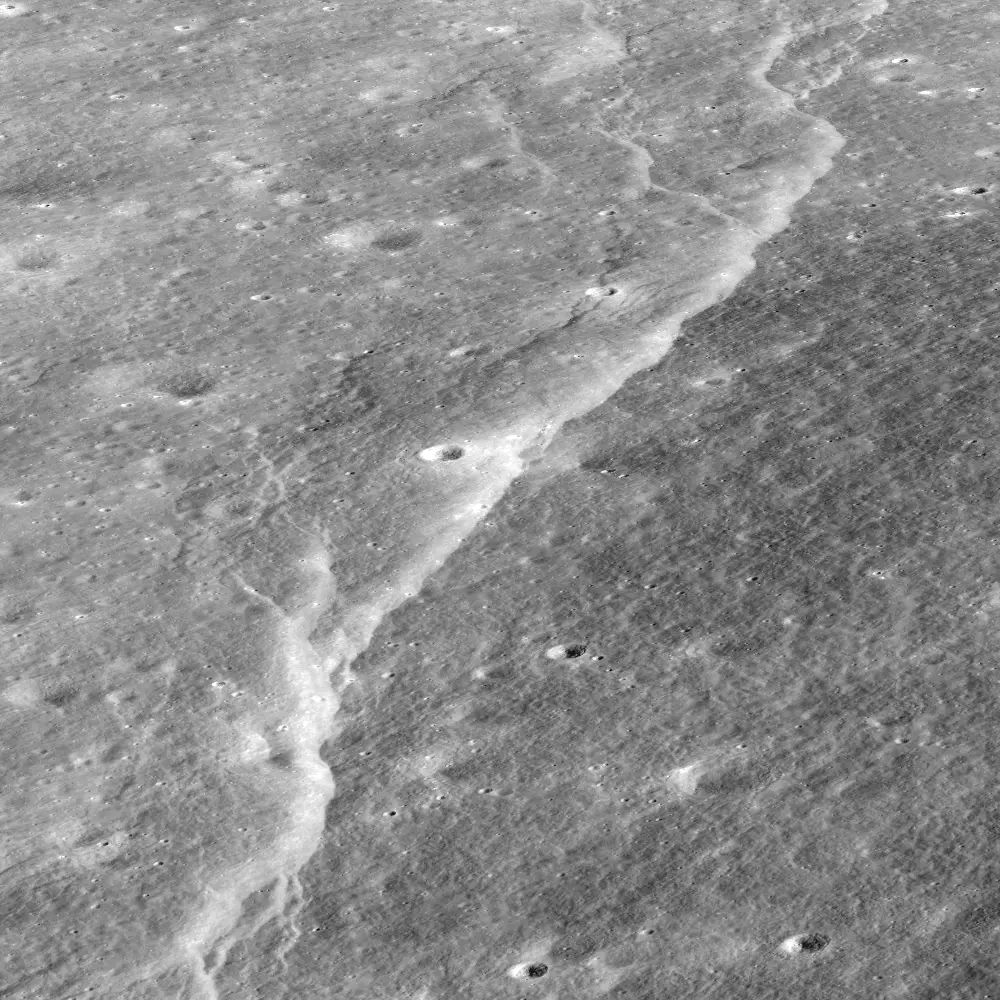
Analyses combining Apollo data and NASA's Lunar Reconnaissance Orbiter with modern lunar imagery show that the Moon’s interior is cooling and contracting. The data showed that Moon shrank globally in the geologically recent past and it is likely still shrinking today. The surface of the Moon was formed in a chaotic environment of intense bombardment by meteors and asteroids. The surface is hot because of these collisions, and hence, since it's inception, moon has been cooling. This shrinkage creates thousands of thrust faults, fractures where one side of the crust has been pushed up over the other. Slip events on these faults can release stress, causing shallow moonquakes.
5. Implications for Exploration
NASA’s Lunar Reconnaissance Orbiter has imaged more than 3,500 thrust fault scarps, small cliff-like features across the lunar crust. Evidence of landslides or fresh boulder tracks near these scarps suggests that fault movement and moonquakes have occurred relatively recently in geological terms.
5. Implications for Exploration
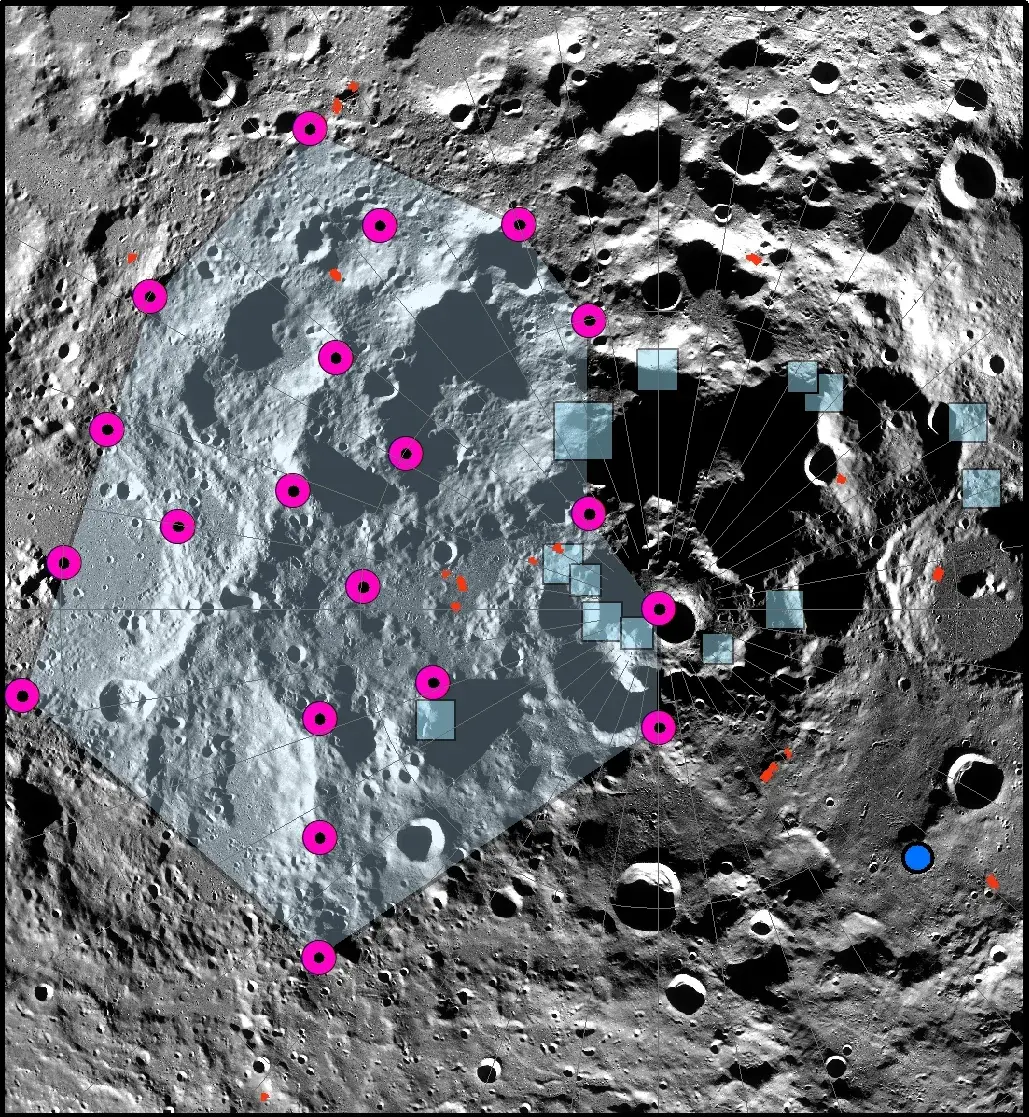
Some of the strongest shallow moonquakes appear to be near the lunar south polar region, a key target for future missions including Artemis III. Seismic shaking could destabilise slopes and cause landslides, presenting challenges for long-term bases and human activity.
What new study Reveals
In September 2025, a team of Chinese scientists published a study identifying 41 new landslides on the lunar surface that formed since 2009, concluding they were most likely triggered by seismic activity. Moonquakes reveal that the Moon is still tectonically active and evolving. Studying them deepens understanding of lunar geology and the forces shaping our nearest celestial neighbour.
)
)
)
)
)