What are MANPADS? How these portable missiles can hunt and destroy million-dollar US fighter jets, drones and helicopters

These systems are seen as an asymmetric weapon capable of challenging far more expensive military platforms. Despite their modest size, they are capable of threatening aircraft worth hundreds of millions of dollars.
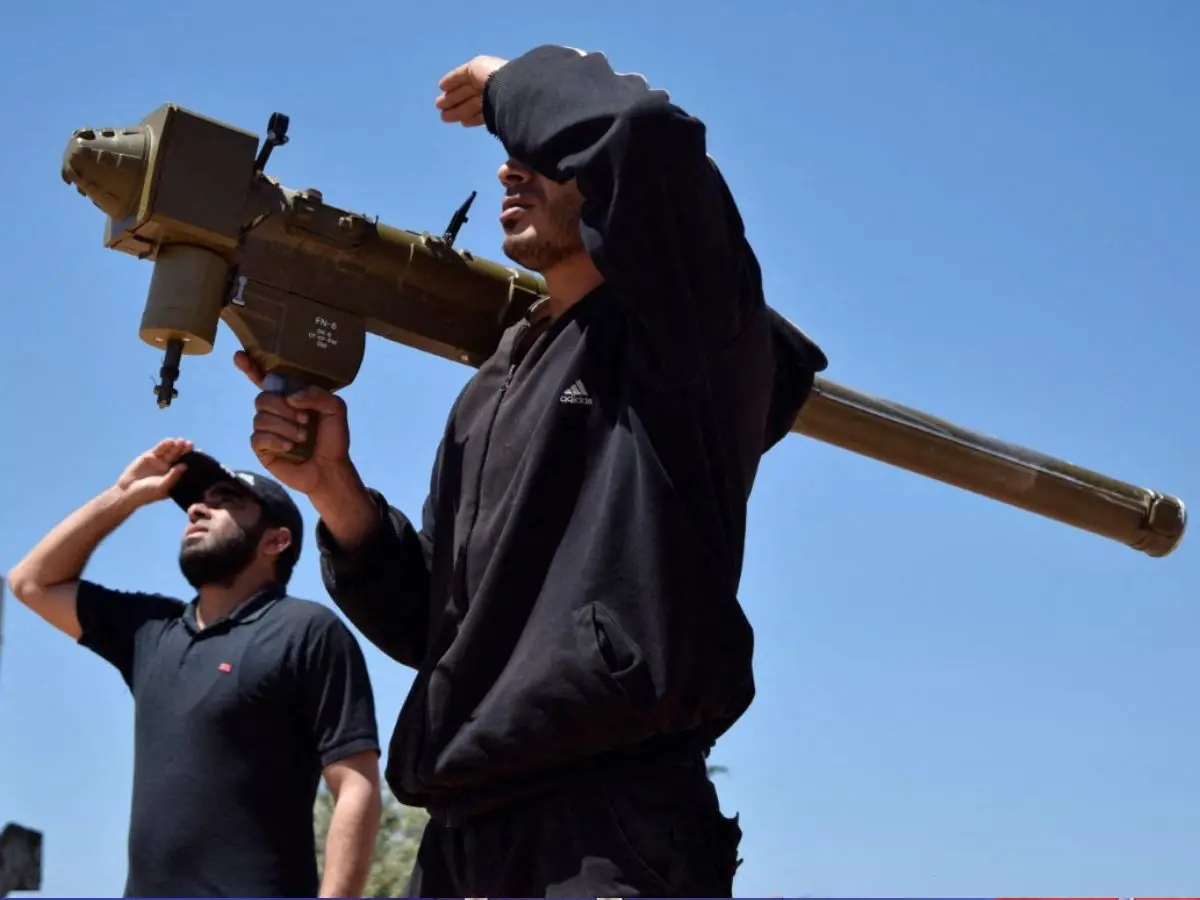
A growing concern in modern conflict
Shoulder-fired missiles, known as MANPADS, have re-emerged as a critical threat in modern warfare, particularly against low-flying aircraft. Recent intelligence cited by CNN suggests that China may be preparing to supply such systems to Iran, raising concerns about their potential use if fragile ceasefire conditions deteriorate. These systems are seen as an asymmetric weapon capable of challenging far more expensive military platforms. Despite their modest size, they are capable of threatening aircraft worth hundreds of millions of dollars.
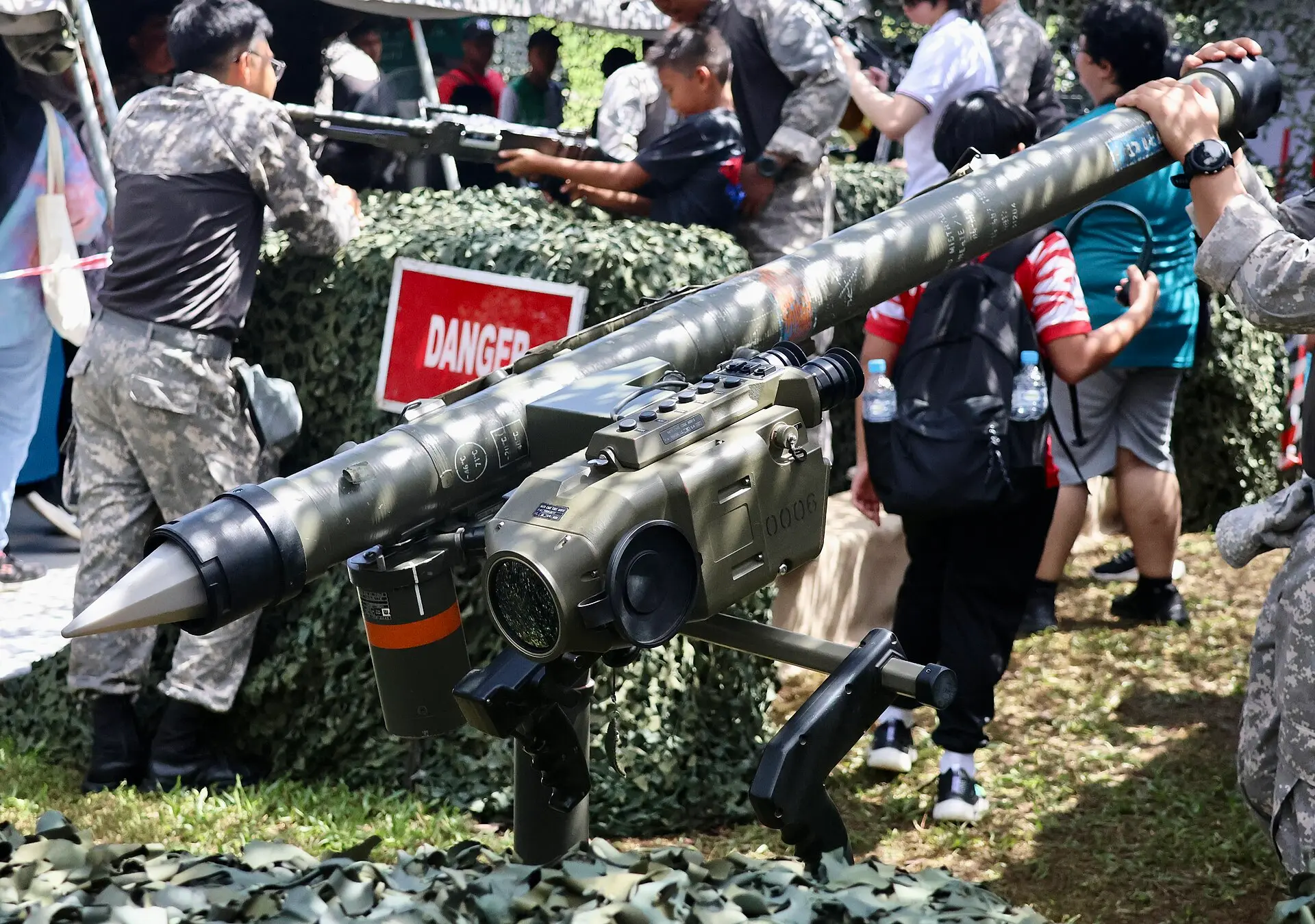
What are MANPADS?
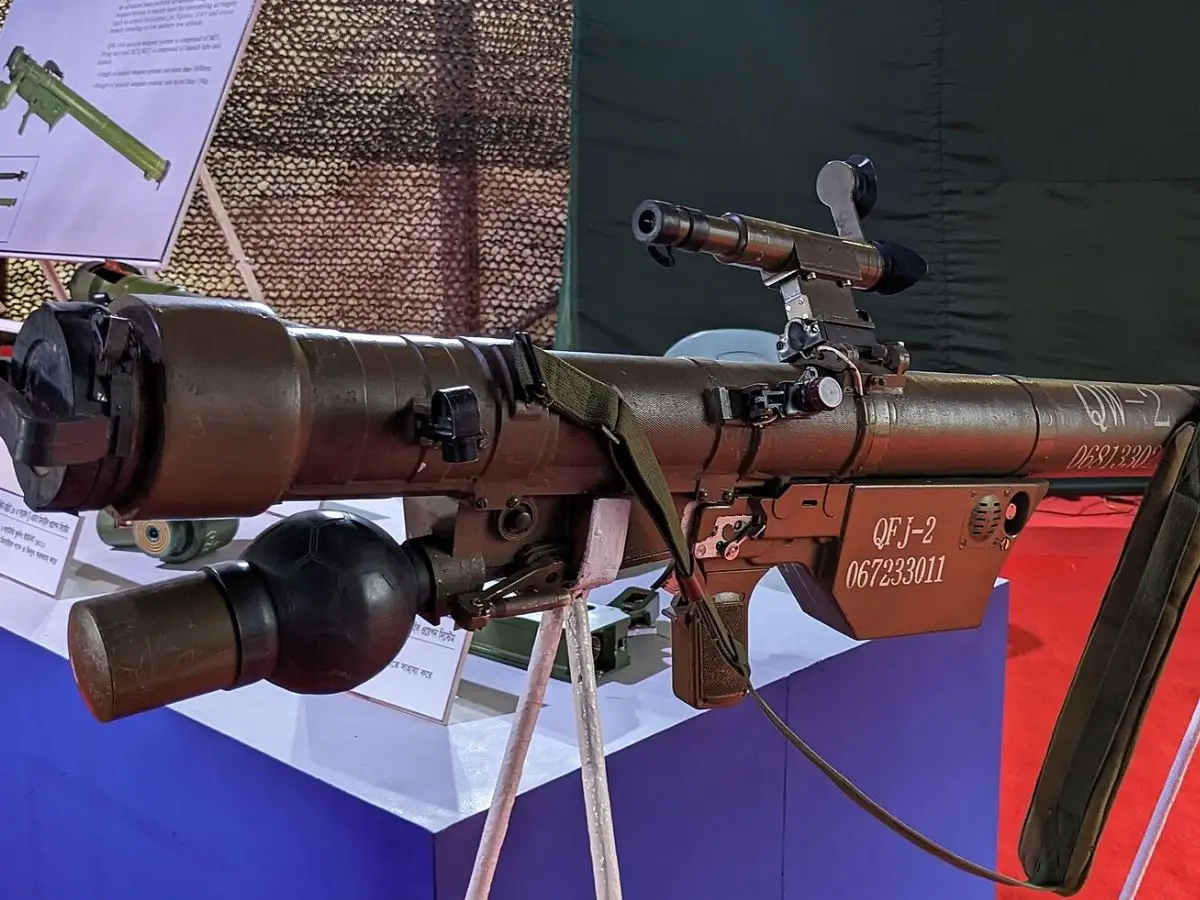
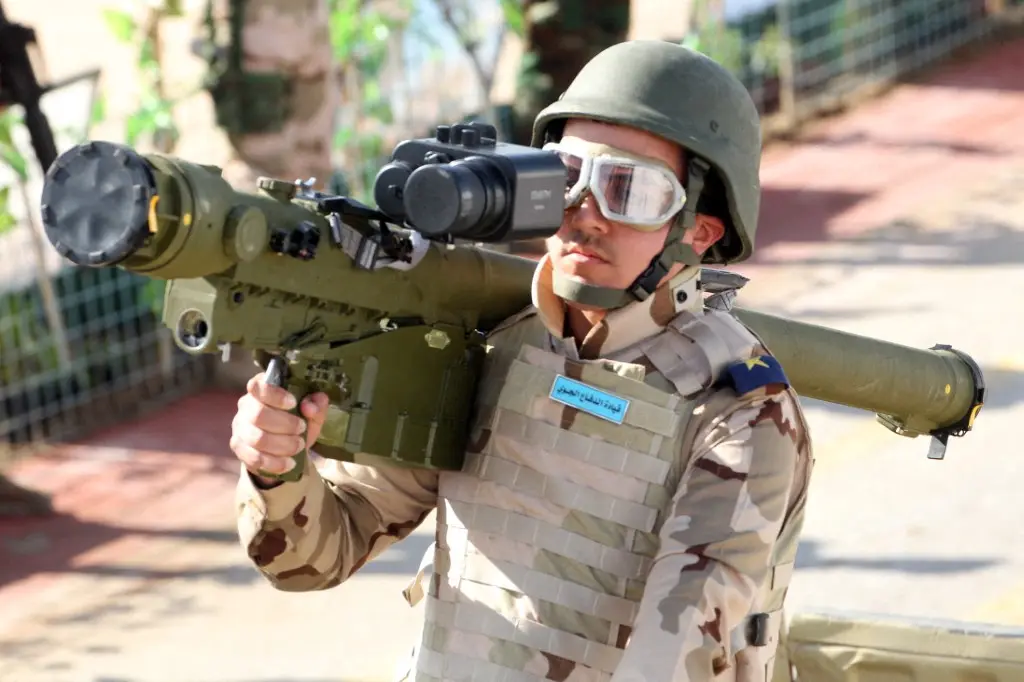
Man-Portable Air Defence Systems (MANPADS) are lightweight, surface-to-air missile systems designed to be operated by a single individual or small team. According to the US Department of State, they are “shoulder-fired surface-to-air missile systems” that can engage aircraft at low altitudes. Typically weighing between 10 and 20 kilograms, they are mobile, concealable and relatively easy to deploy.
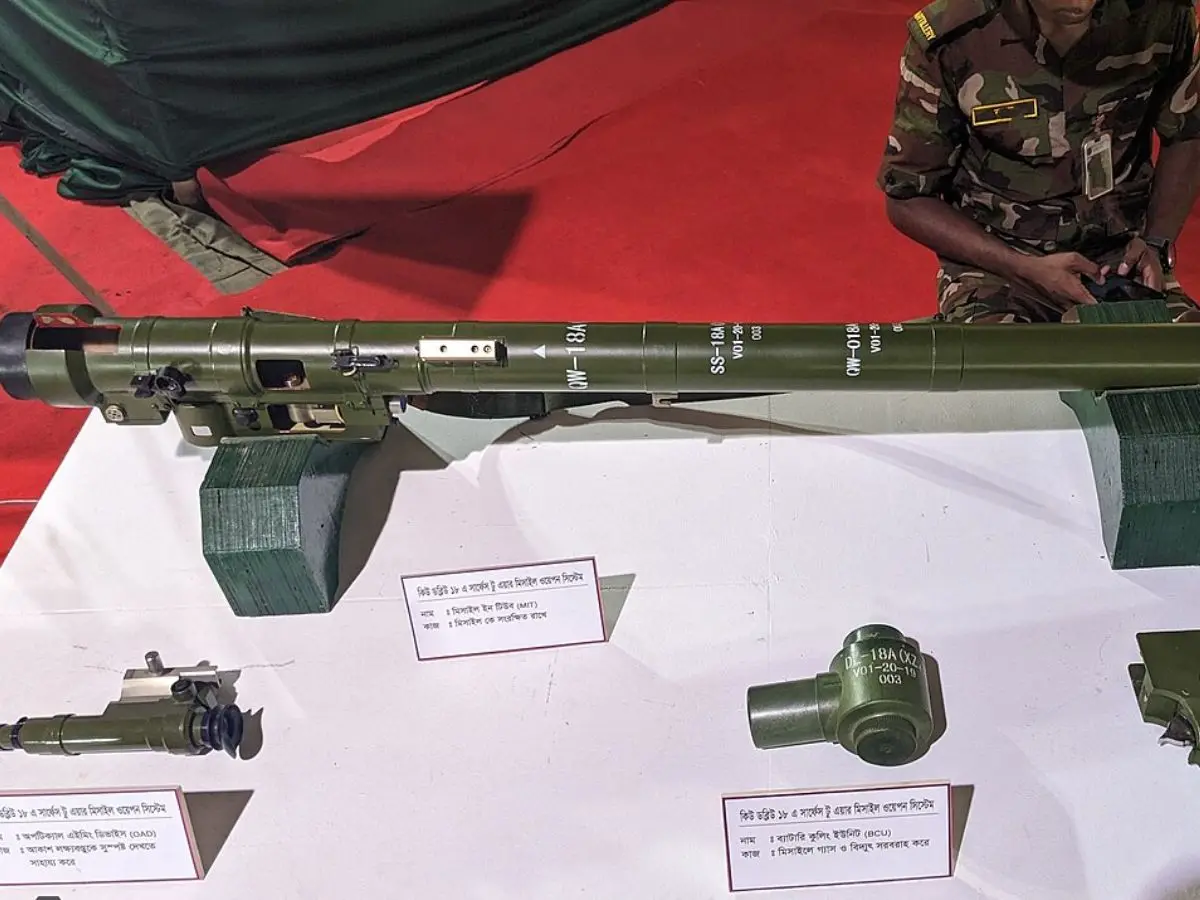
How they work
MANPADS generally use infrared guidance to track the heat signature of an aircraft’s engine. Once locked on, the missile follows the target until impact. These heat-seeking systems are particularly effective against helicopters, drones and low-flying jets during take-off, landing or close air support operations. Modern MANPADS can typically engage targets within 3–6 kilometres and at relatively low altitudes.
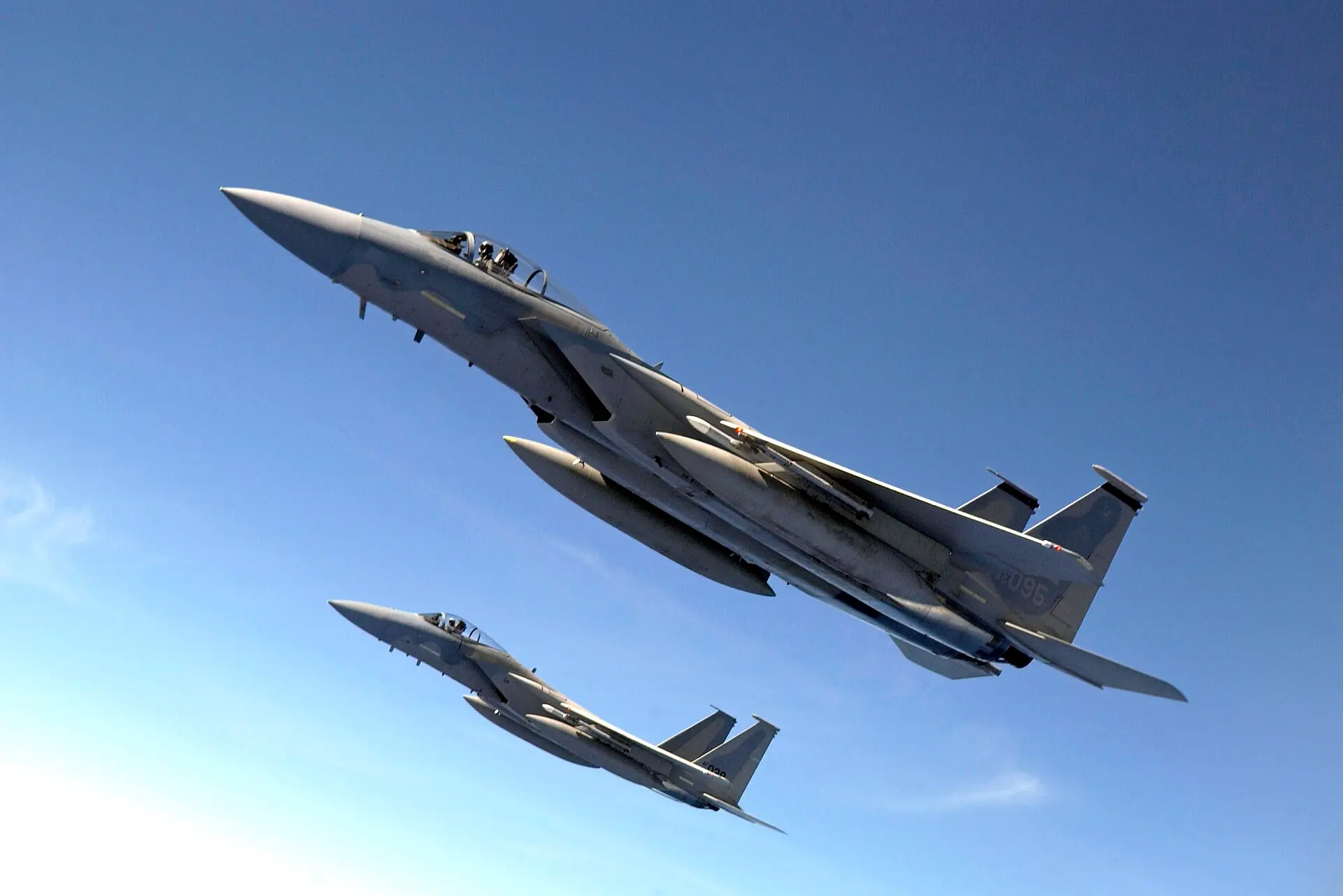
Proven battlefield impact
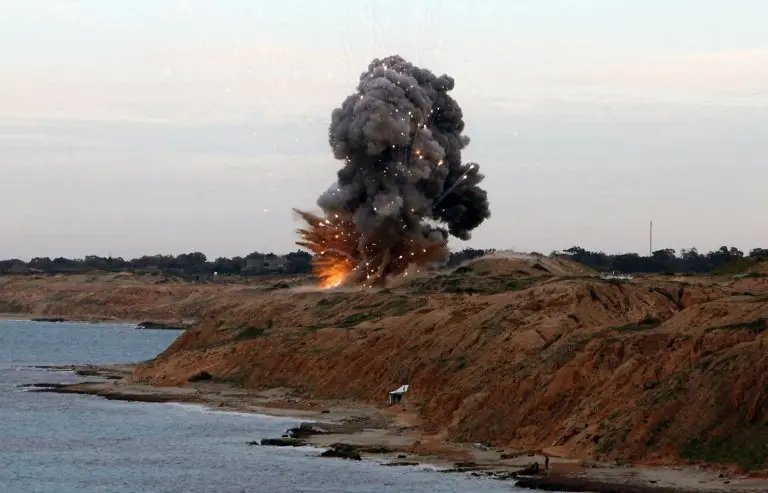
Their effectiveness has been demonstrated repeatedly in conflict zones. During recent hostilities, US President Donald Trump stated that a F-15 was likely brought down by a “handheld shoulder missile, [a] heat-seeking missile”. Such incidents highlight how relatively inexpensive weapons can neutralise high-value assets worth millions of dollars.
Why they pose an asymmetric threat
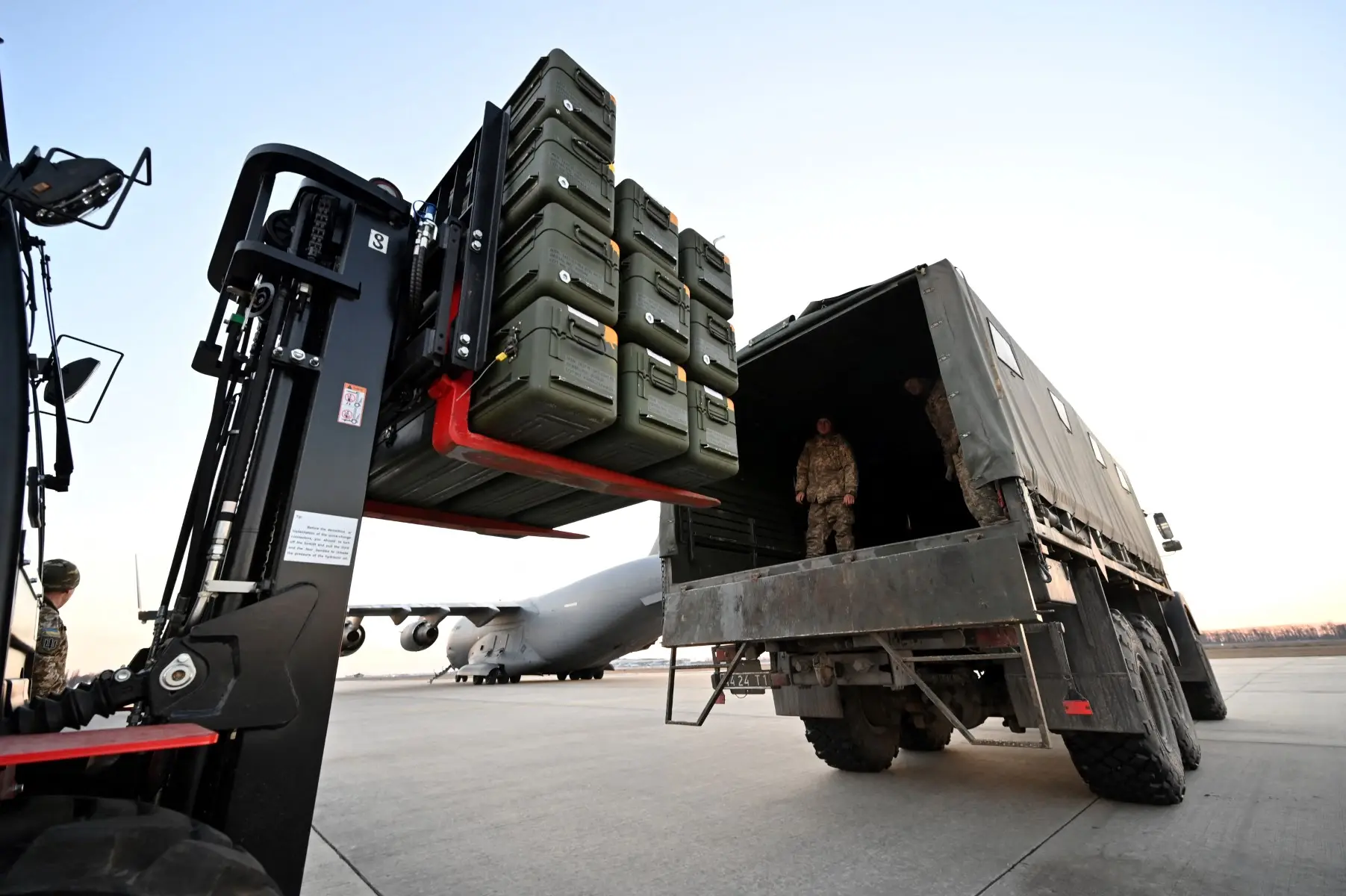
MANPADS are considered an asymmetric threat because they allow less advanced forces to challenge technologically superior air power. Their portability and ease of use make them difficult to track and intercept. According to US assessments, these systems have long been a concern due to their potential use by non-state actors and their ability to disrupt both military and civilian aviation.
Strategic implications of potential transfers
Reports of possible transfers to Iran mark a significant geopolitical concern. Providing MANPADS could enhance Tehran’s air defence capabilities at a time of heightened tensions. Such a move would also be notable given China’s role in brokering a recent ceasefire, complicating diplomatic dynamics. While high-flying jets often remain beyond reach, helicopters, drones and ground-attack aircraft are particularly exposed due to slower speeds and lower operating heights.
Why even advanced aircraft remain vulnerable
Despite sophisticated countermeasures, MANPADS pose a persistent threat. Infrared flares and defensive systems can confuse incoming missiles, yet newer variants are increasingly resistant. Crucially, these weapons exploit predictable flight paths; aircraft are “most vulnerable after take-off” and during ascent. Even advanced fighters can be at risk when flying low or conducting close air support missions.
Global security concerns and control efforts
International efforts have focused on restricting the proliferation of MANPADS. Governments have emphasised strict export controls and stockpile security, noting that “effective control and security of MANPADS are essential” to prevent misuse.
)
)
)
)
)