What are EMP weapons that could cripple modern armies?

EMP weapons (Electromagnetic pulse) create powerful pulses that can disable electronics across large areas. Nuclear EMPs cause wide disruption while non-nuclear EMPs focus on spots. Both threaten modern armies relying on digital tech.

What Is a High-Altitude Nuclear EMP (HEMP)?
A HEMP attack detonates a nuclear warhead 30-400 km above Earth. It releases gamma rays that hit the atmosphere, generating a powerful electromagnetic pulse covering thousands of kilometres. This pulse can damage electronics across entire regions.

How Does HEMP Affect Military Equipment?
HEMP (High-altitude electromagnetic pulse) causes voltage surges that can destroy or disable vital electronics like radar, communications, GPS, and sensor systems. Though critical military equipment is shielded, many tactical devices like drones and vehicles remain vulnerable.

Impact on Infrastructure and Logistics
Beyond military gear, HEMP can knock out power grids, cell towers, and internet across wide areas. This cripples civilian infrastructure that armies depend upon for command, control, and logistics support.
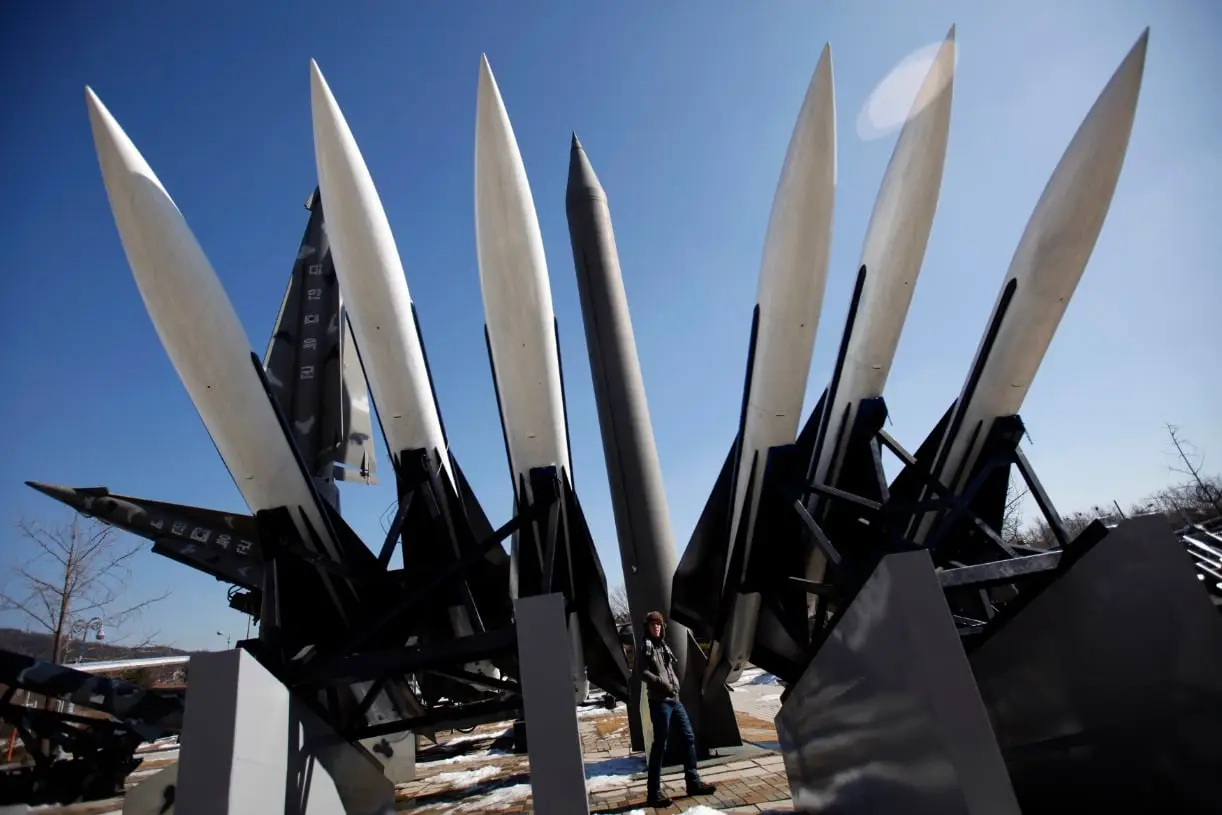
Non-Nuclear EMP (NNEMP) Weapons
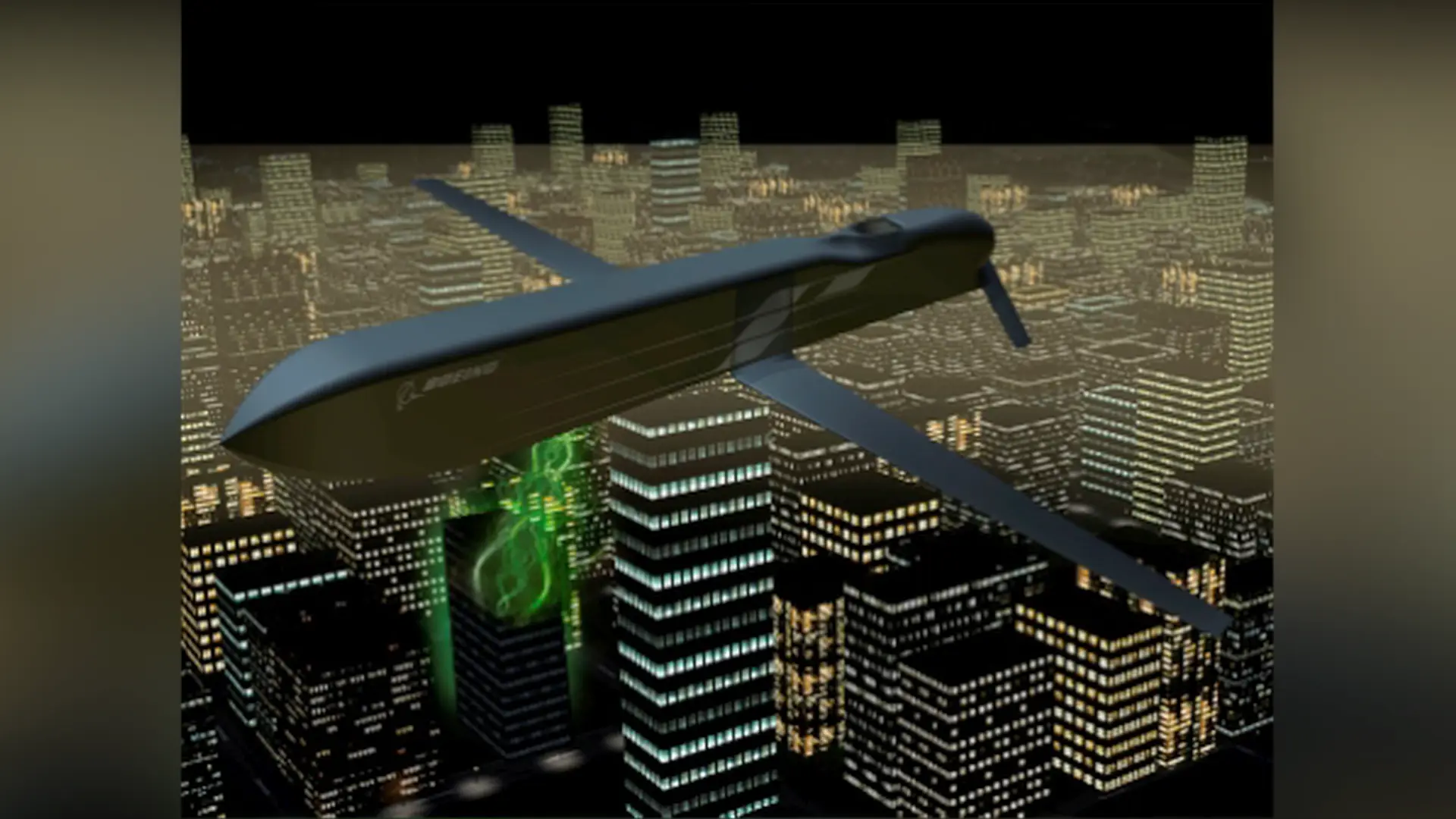
NNEMP weapons, like e-bombs or high-powered microwave devices, produce a smaller, localised electromagnetic pulse using conventional explosives. These pulses can disable electronic systems in a radius of a few hundred meters to kilometres.

Tactical Use of NNEMP Weapons
NNEMP weapons are ideal for focused strikes using aircraft or missiles to disable specific targets like enemy radar, air defences, or communication nodes without widespread destruction.
Limitations and Defence Against EMPs
While highly disruptive, NNEMP’s limited range and hardened military systems reduce overall risk of crippling an entire army. HEMP’s wide area effect remains a bigger threat but requires nuclear detonation high in the atmosphere.
Uanderstanding and defending against EMPs
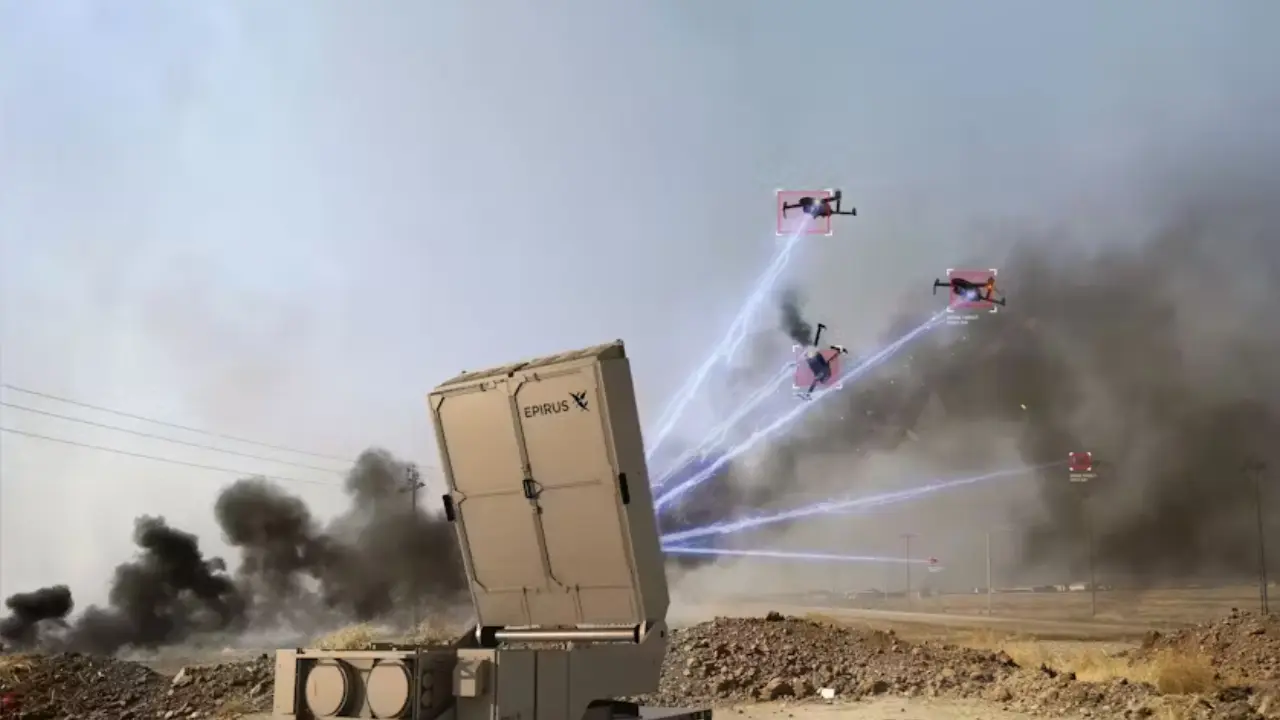
As armies grow more digital, understanding and defending against EMPs becomes critical. They could shift future warfare dramatically by paralyzing technology-dependent forces quickly.
)
)
)
)
)